
In fragile setting, promising solutions struggle to move from idea to impact.
During humanitarian response, it’s often hard to identify, test, and scale innovations that can drive impact.
This is where we come in.
RIL strengthens local innovation ecosystems by brokering relationships, sharing capacity and evidence, and enabling collaboration so solutions can move faster from idea to impact for crisis-affected communities.

We are a collaborative initiative.
We are a collaborative initiative co-led by Civic, Danish Refugee Council, Oxfam, Save the Children International and World Vision, dedicated to strengthening local humanitarian innovation ecosystems.
We see ourselves as an “old auntie” of the humanitarian innovation community.
-
Over the first decade of our journey, we have built our reputation as a driver for innovations in fragile contexts, supporting it as a public good. All the resources we have created are free and accessible to everyone, just like how we believe innovations should be.
-
We’ve gathered experience over the years, but of course, we’re still learning—not just from the sector and our “close circles,” but also by taking lessons from other sectors.
-
In the contexts we work in, we go for depth: localization isn’t just a slogan, it guides us to listen to communities, work together with them, and share what works—and what doesn’t—with others.
-
We LOVE matchmaking, connecting the supply and demand sides of humanitarian innovation, linking funders with implementers, and bringing potential collaborators together. If you’re in the regions where we operate, come to us—we’re always happy to point you toward the right connections.
-
We want to transform how communities respond to and recover from crises, and we want to shake up humanitarian work through innovations. We are scrutinizing our own approaches and language (yes, working on “jargon-free” and staying aware of the “power dynamics”), and we welcome criticism and those who challenge us. If you’ve been to a RILx event, you’ve probably noticed how we encourage open—and sometimes controversial—sharing of “field notes”.
-
We don’t seek visibility for its own sake—we aim to be seamlessly integrated into the communities and ecosystems we work in and with.

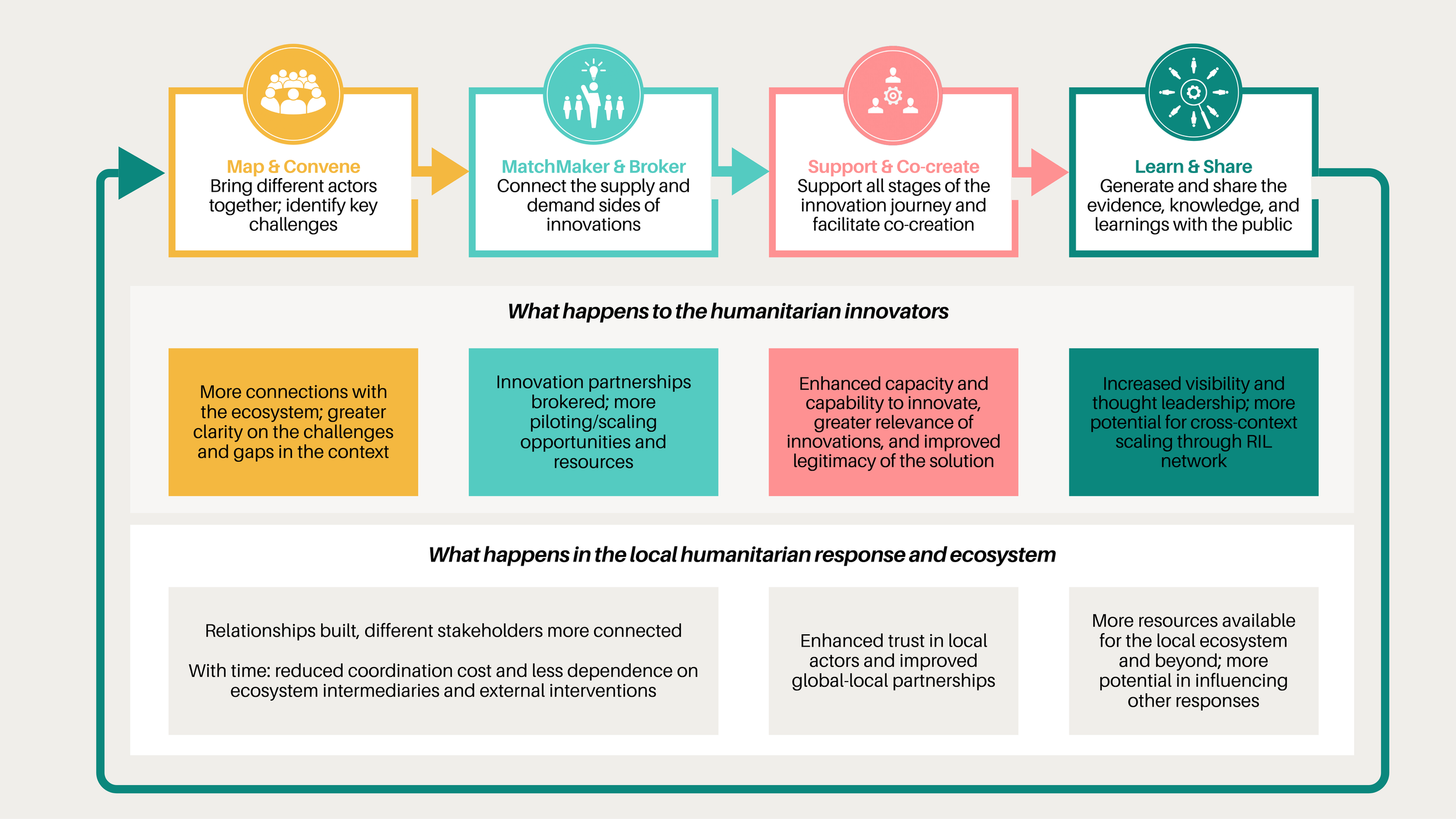
The four pillars of what we do, and our collaborative approach to ecosystem building.
-

Map & Convene
We create ecosystem mapping and convene stakeholders to identify innovation challenges and set agenda in the local context.
-

MatchMaker & Broker
We match innovation challenge holders and solution providers for collaborations; and we seek collaborations to bring more resources for innovation support.
-

Support & Co-create
We support innovators and implementers in the humanitarian innovation system to enhance their ability to deliver on the ground.
-

Learn & Share
We value evidence and learning. We constantly generate and share data, knowledge and tools for the wider community.
Map & Convene
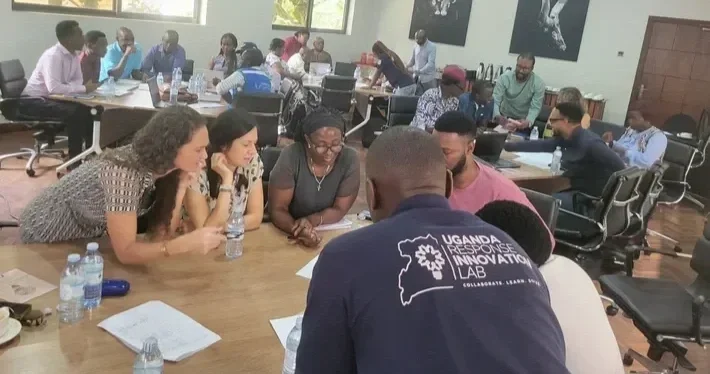
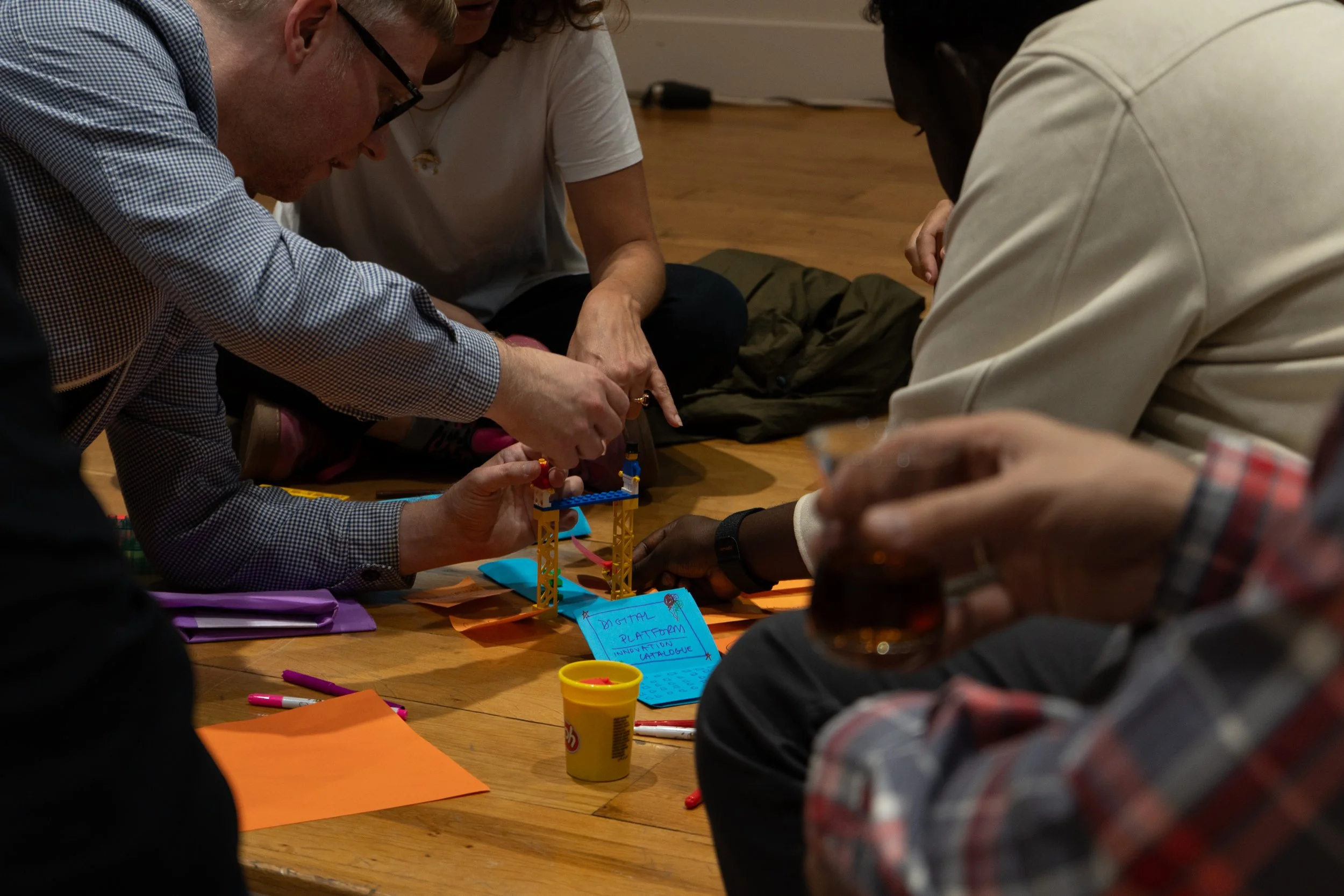
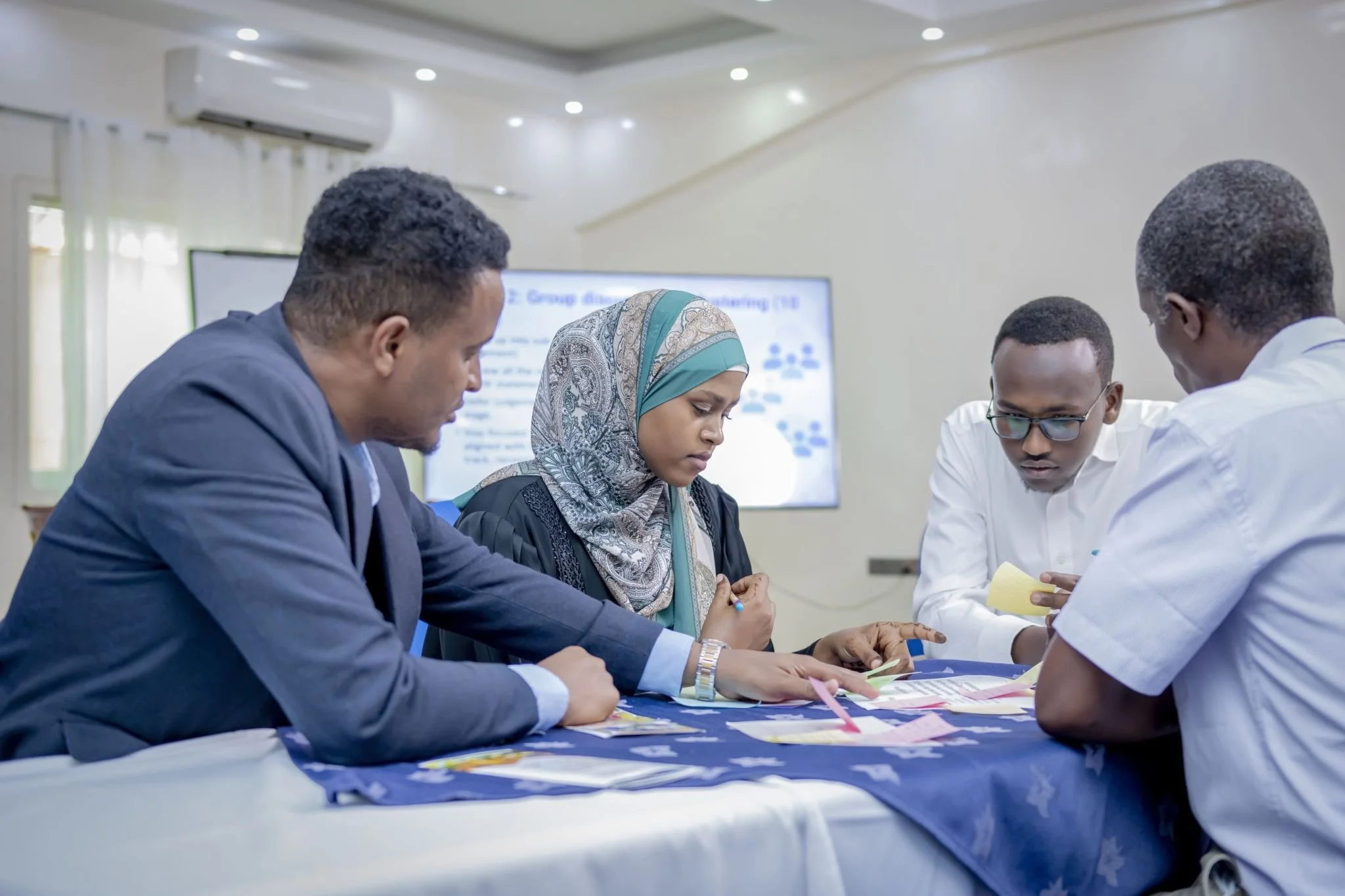
The convening process usually takes a human-centered design approach in the format of large-scale event, workshop or collective conversations. RIL also produces ecosystem mapping to help organizations identify the resources, support, or partners they might need. RIL’s convener events are of two types: 1) diversity-focused with the aim to picture the humanitarian innovation landscape in the context, gathering a variety of stakeholders; 2) depth-focused with a set agenda or guiding topic to advance on an innovation journey.

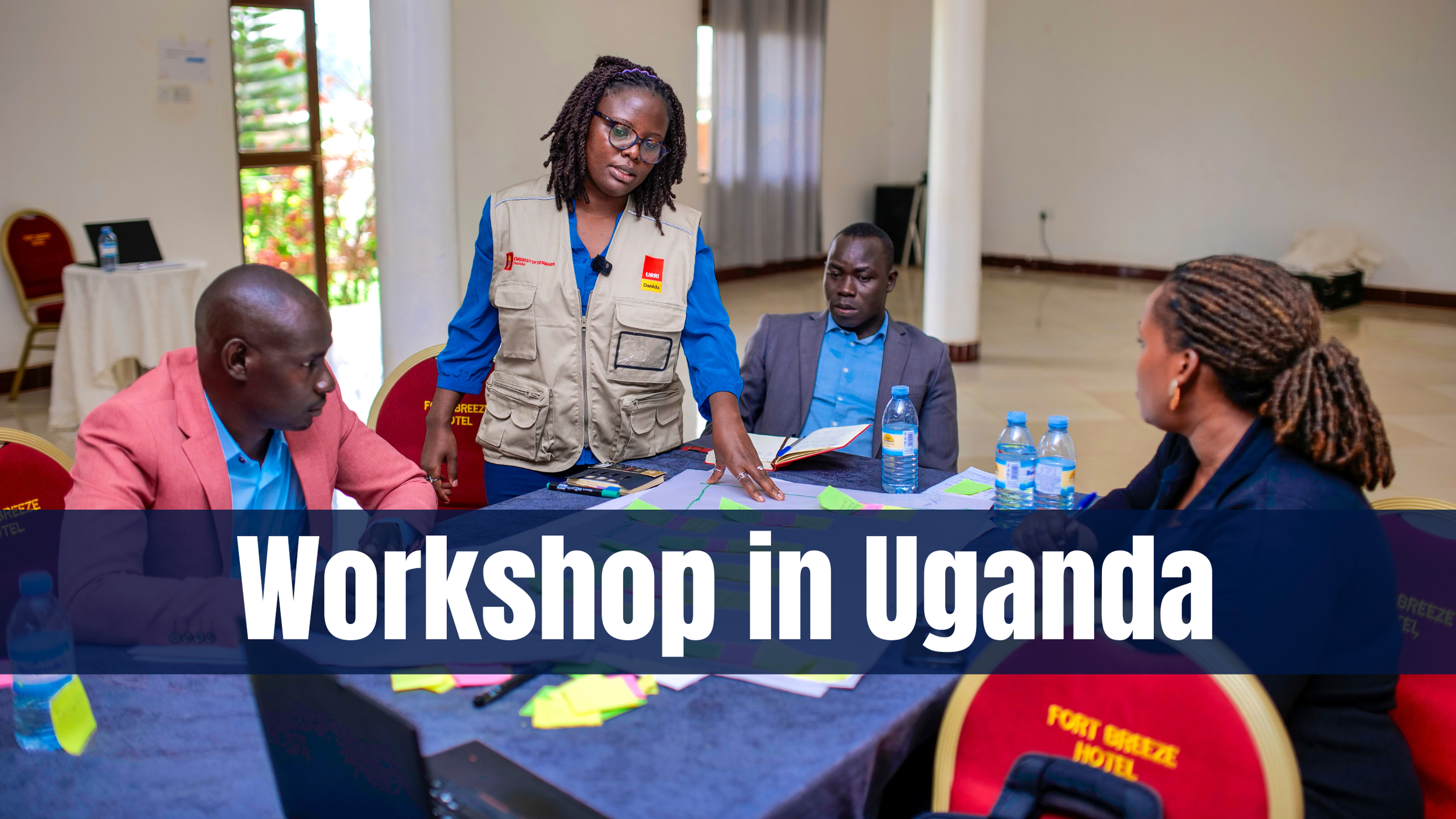
On July 14, 2026, Uganda Response Innovation Lab hosted the the second “URRI Learning Review - Challenge Mapping Convener” on the issue of land access in Fort Portal, Uganda.
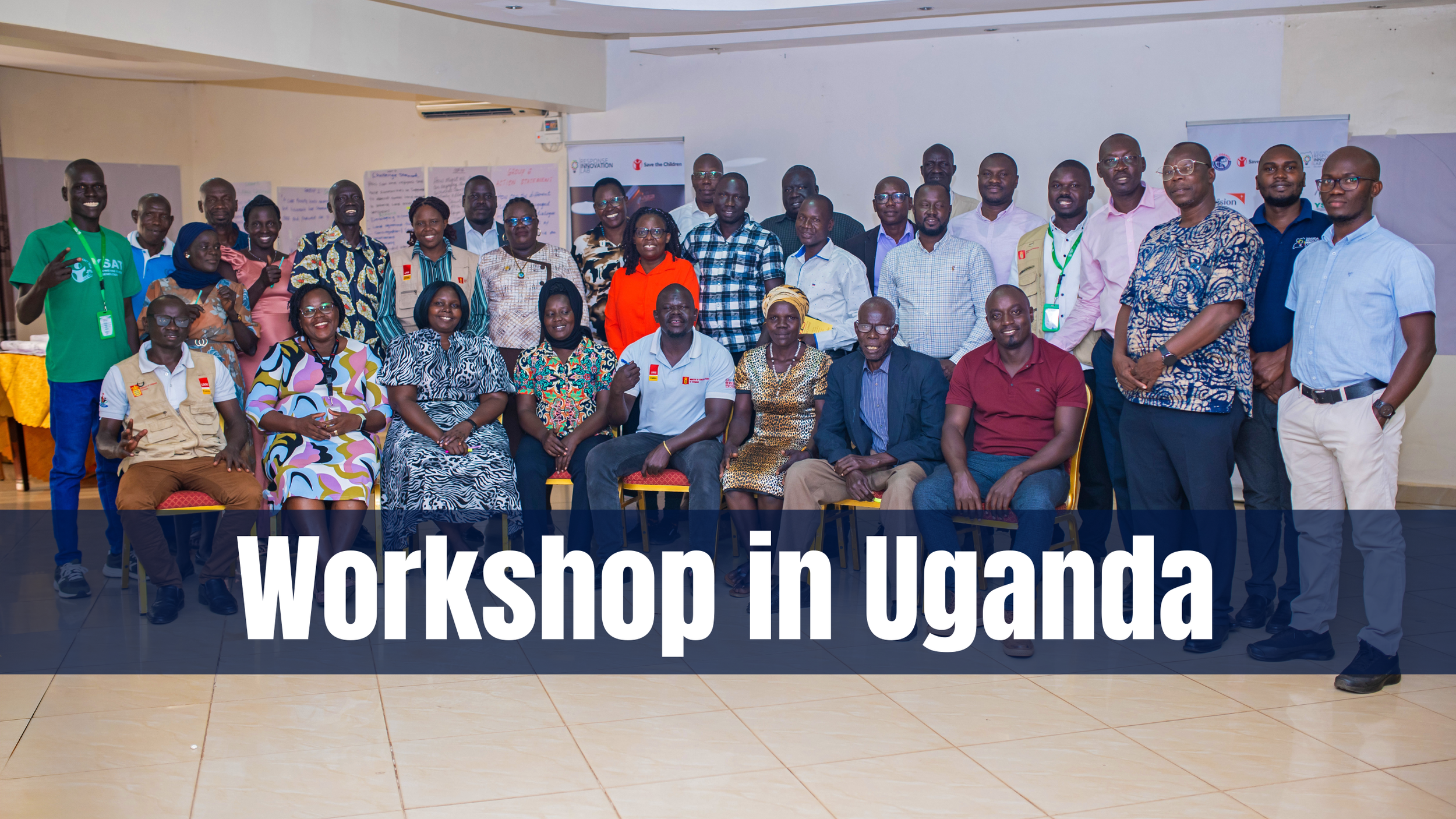
On July 9, 2026, Uganda Response Innovation Lab hosted the first “URRI Learning Review - Challenge Mapping Convener” on the issue of land access in Gulu, Uganda.
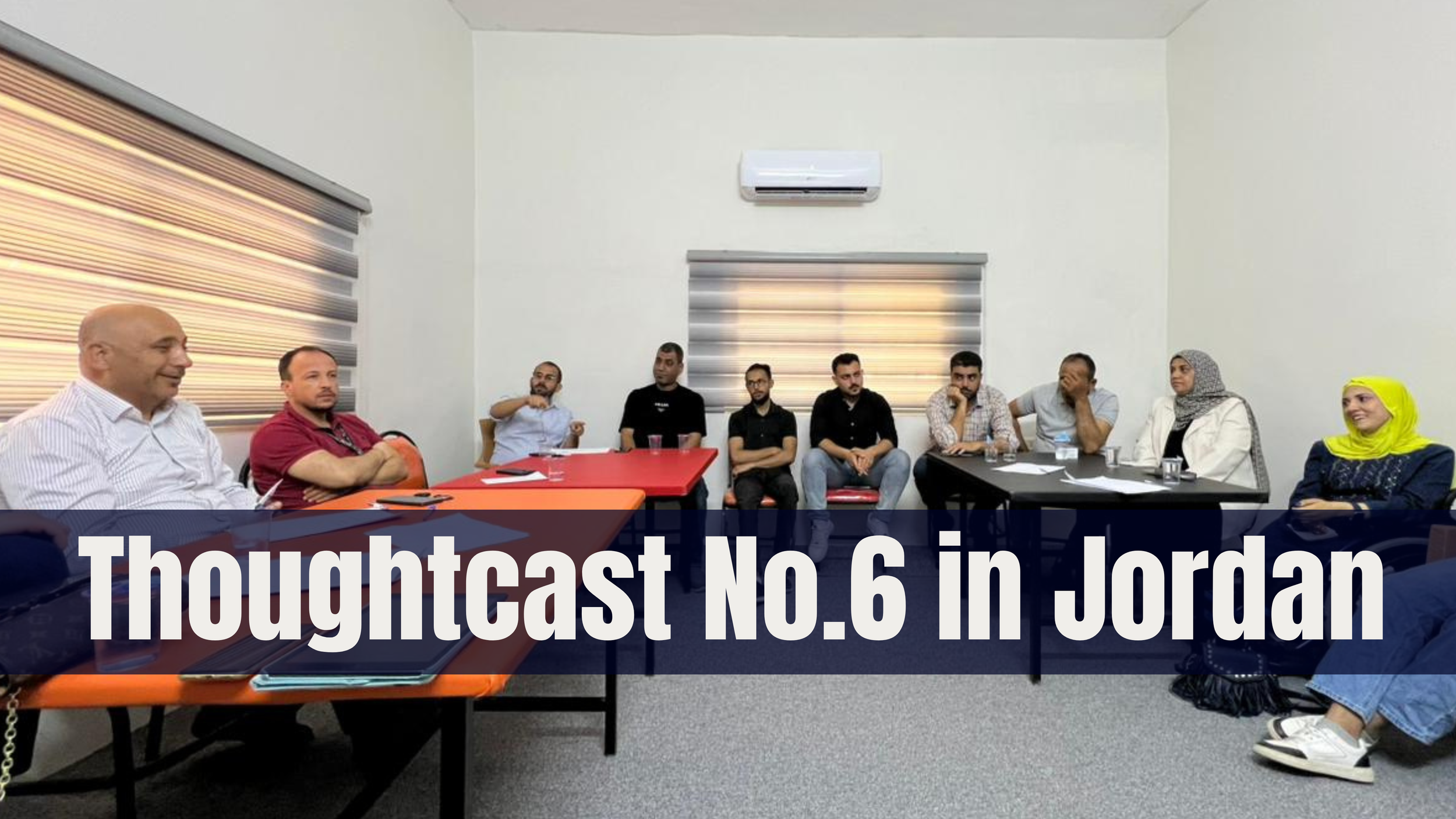
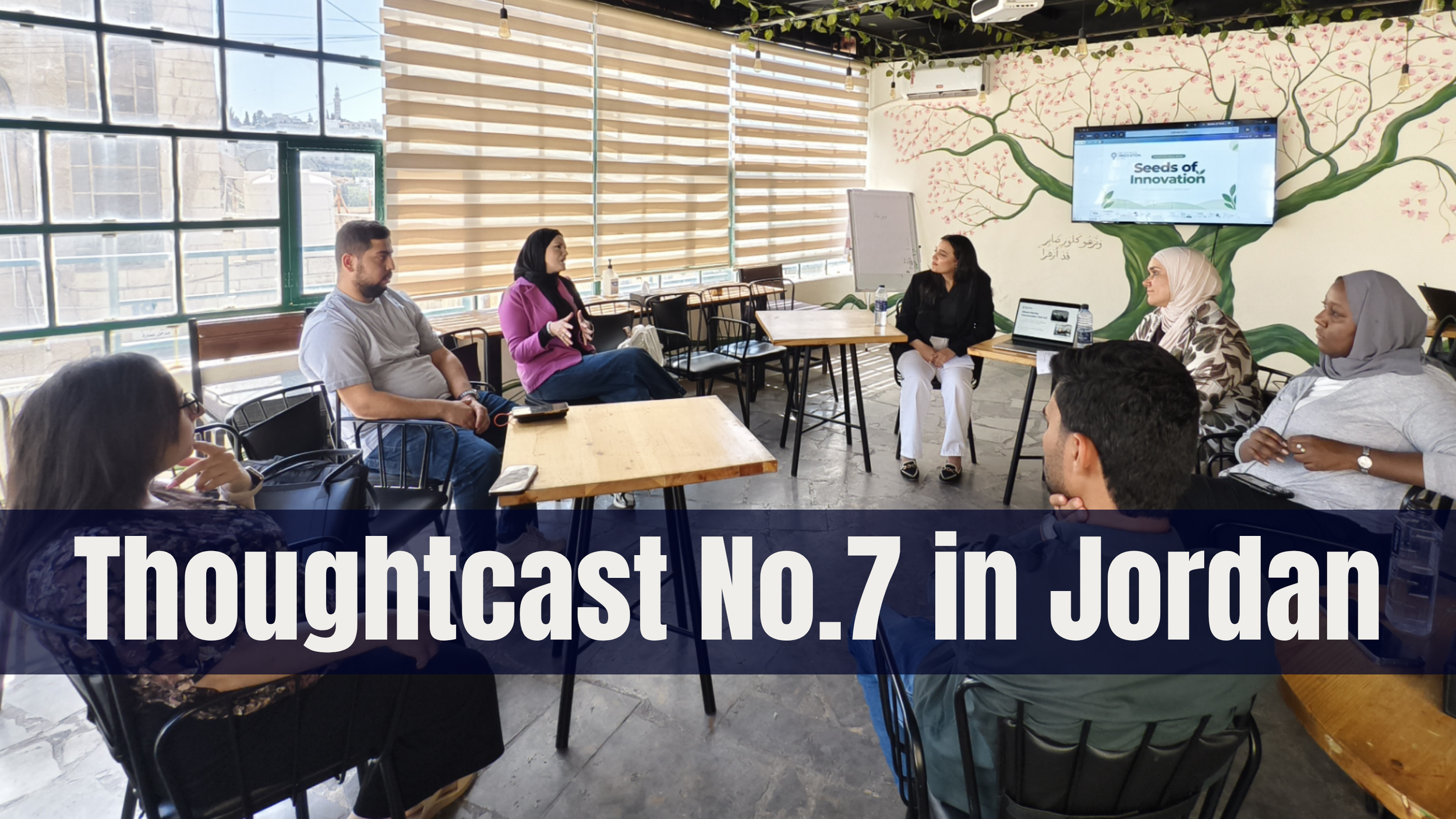
On 18 June 2026, we hosted a special edition of our Thoughtcast series in Irbid, Jordan, under the theme “Beyond Agricultural Challenges: Exploring the Realities Shaping Agriculture in Jordan.” The session was organised in collaboration with Rahma Foundation.
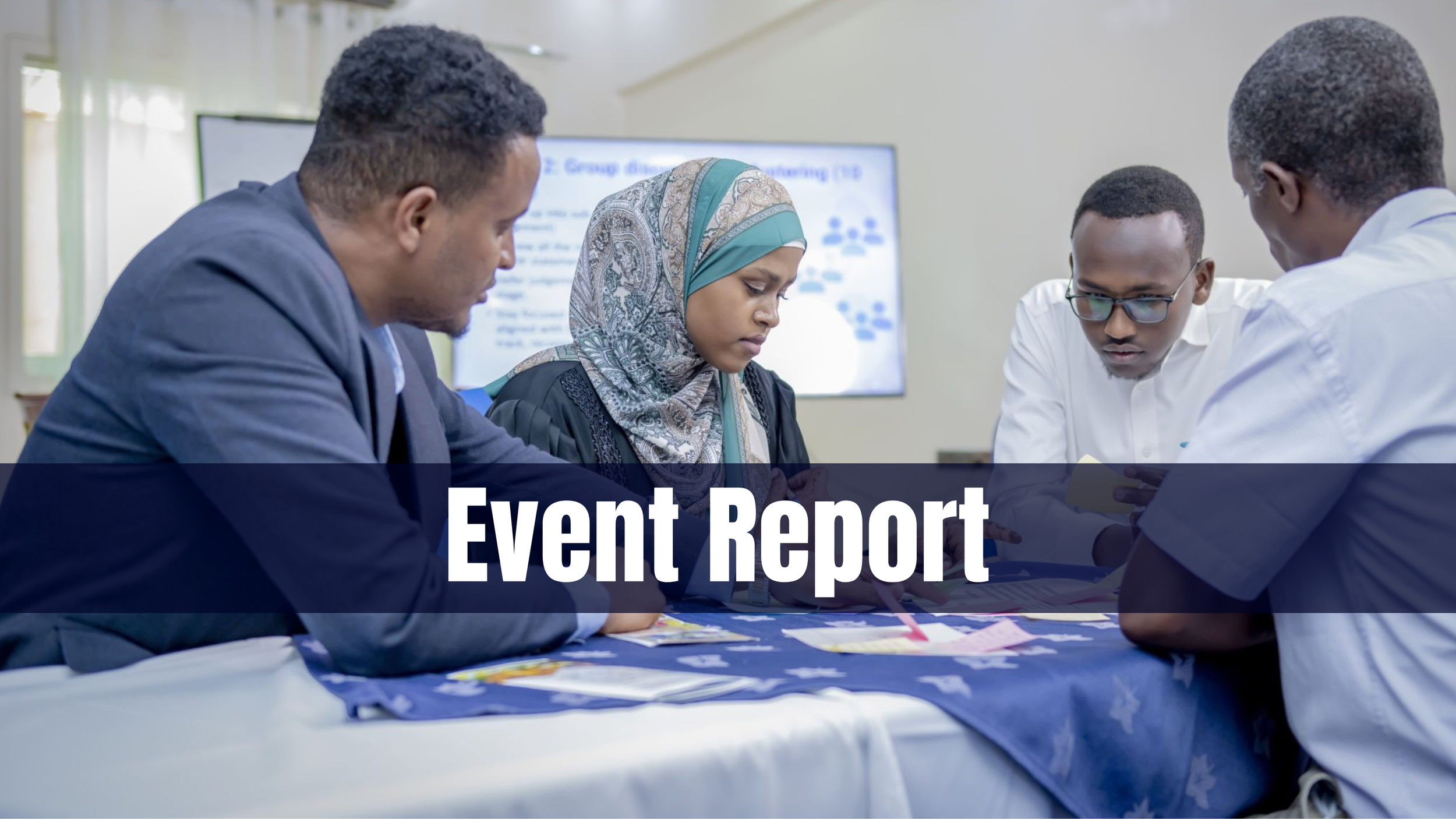
The closeout and learning event was designed as a learning, dialogue, and exhibition platform to synthesize evidence from the FIRM pilots and the broader financing ecosystem review, while shaping practical scale-up pathways for innovative financing in Somalia The event aimed to strengthen multi-stakeholder alignment around innovative financing, highlight Somali-led solutions, inform future programming, and generate actionable learning products and policy recommendations.
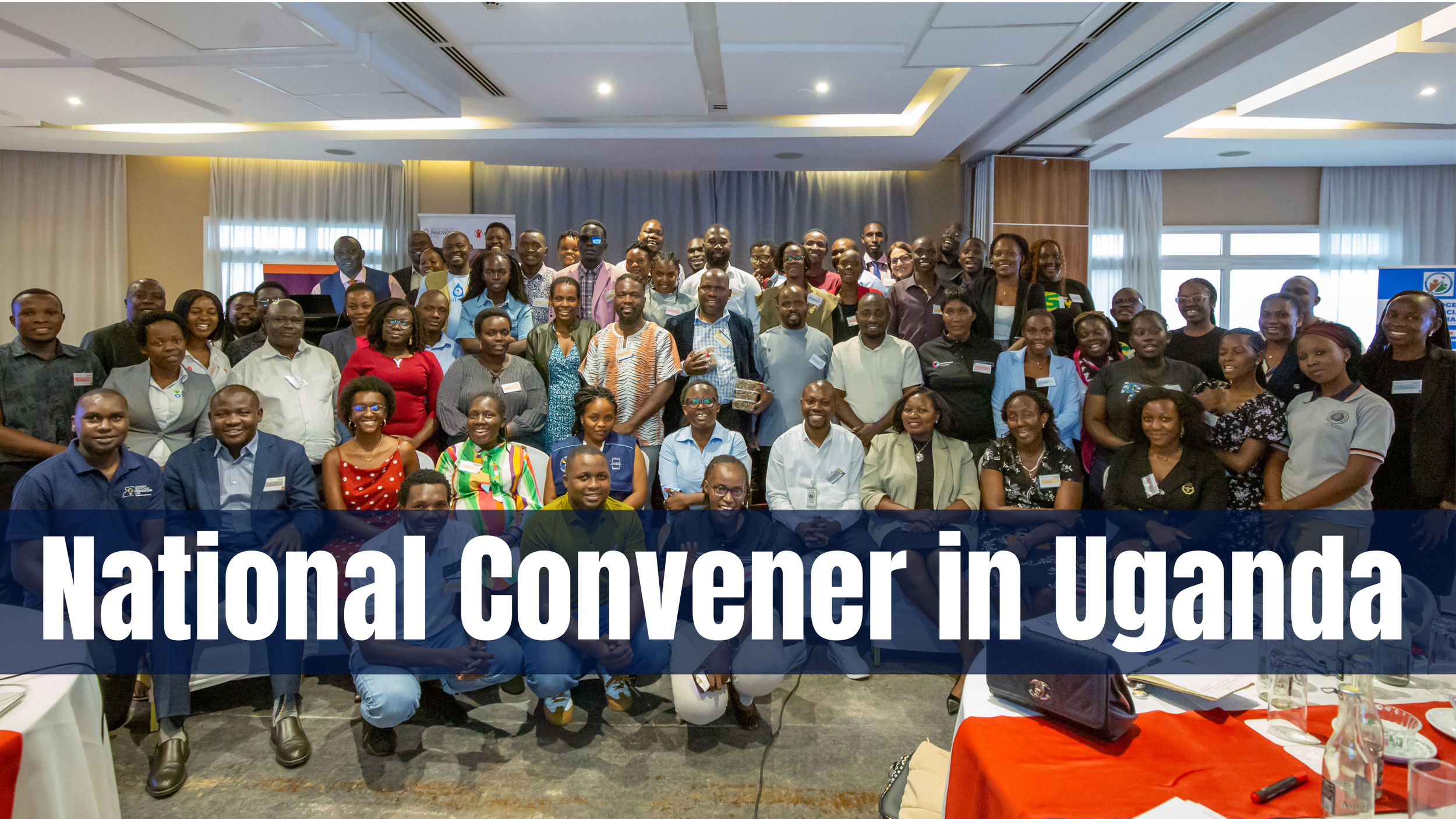
On 7 May 2026, the Uganda Response Innovation Lab (U-RIL) organised the Innovative Financing Convener.
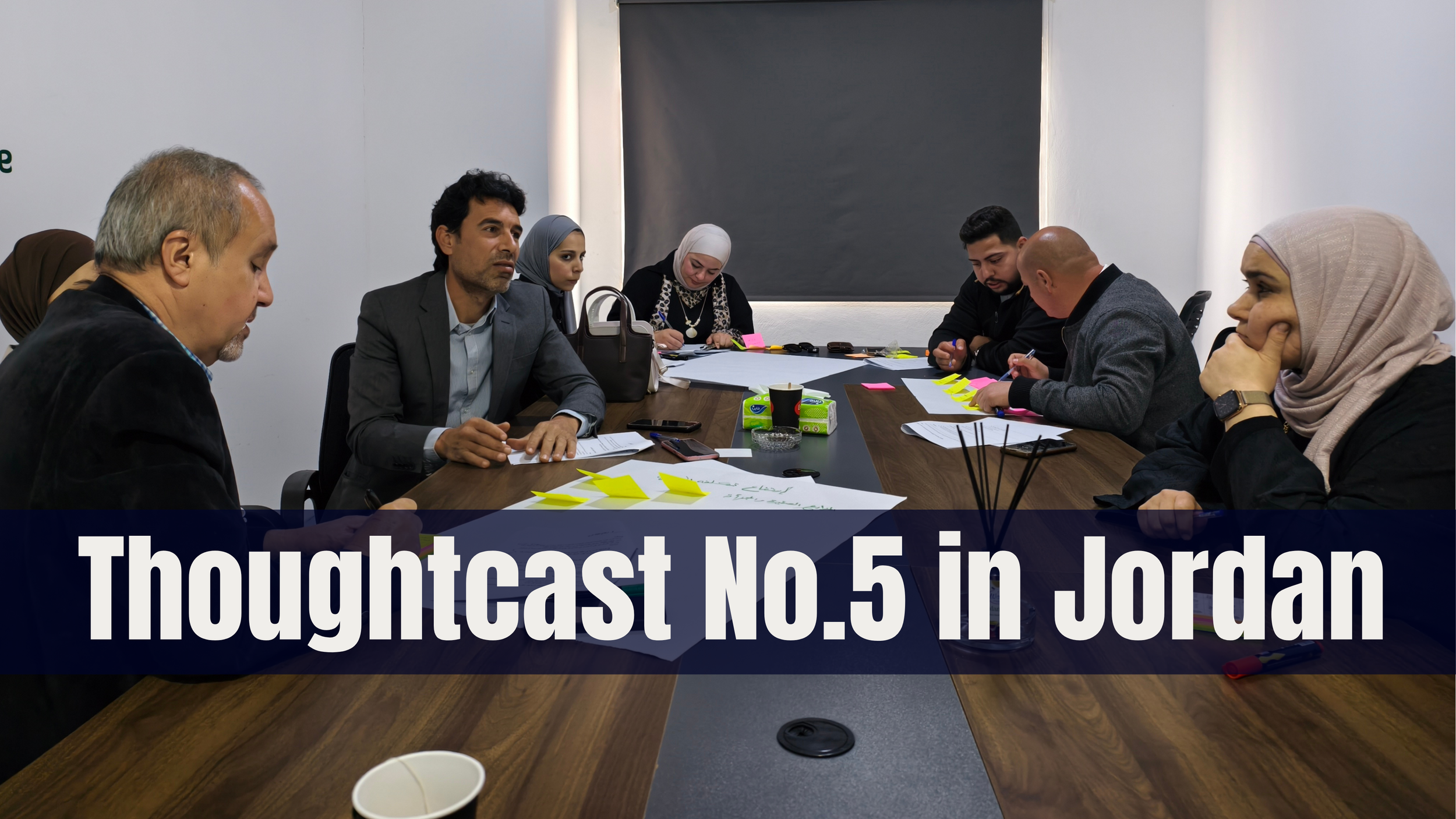
On Tuesday, 5 May 2026, the Response Innovation Lab (RIL) hosted a special edition of its Thoughtcast series in Amman, focusing on analysing challenges within the agricultural sector as an entry point for developing practical, context-driven solutions. The session brought together stakeholders from across the agricultural ecosystem for a more targeted and focused discussion.
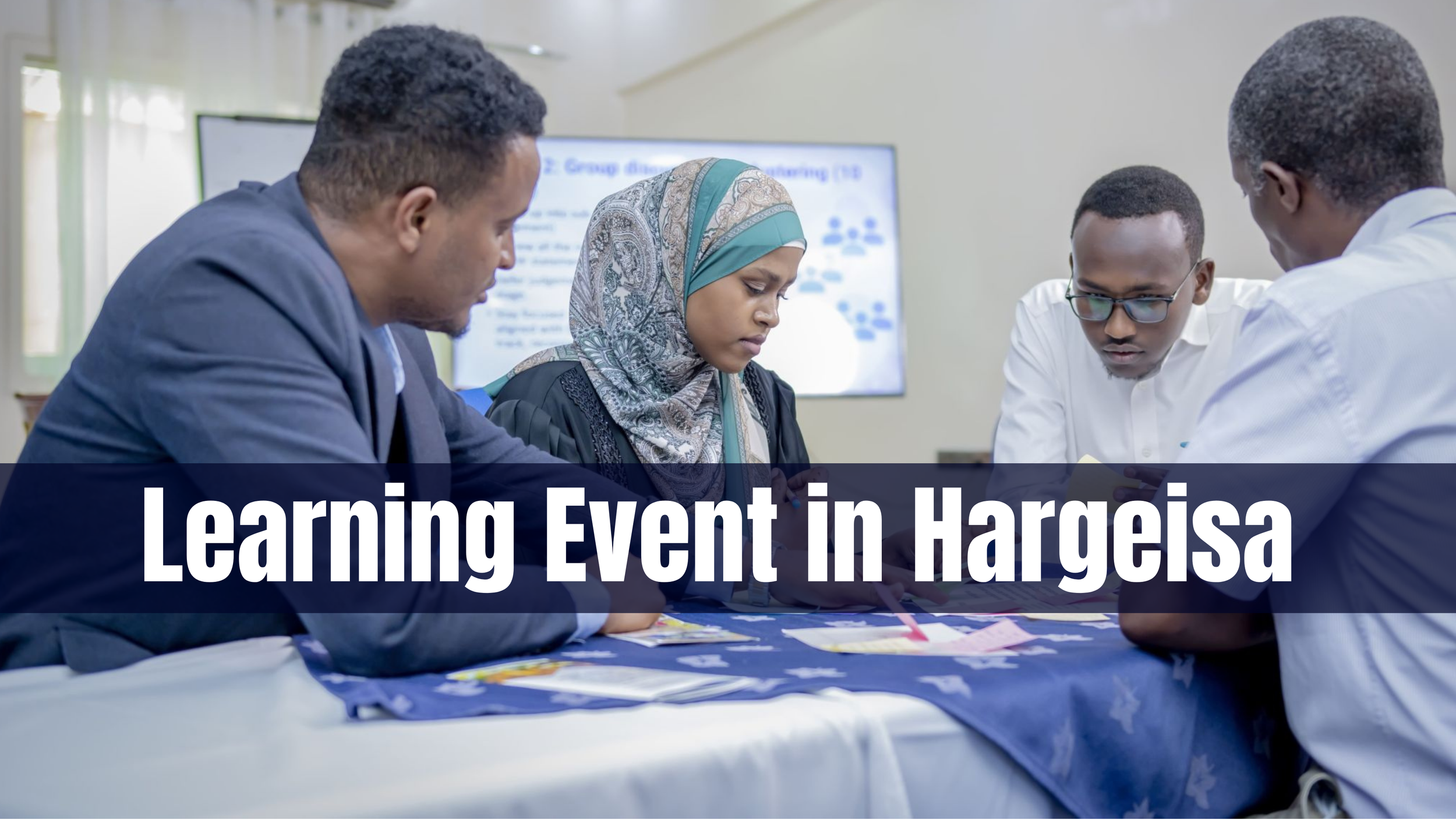
Somali Response Innovation in collaboration with ADRA, successfully hosted the Financial Innovation and Resource Mobilization project’s (FIRM) Learning Event, funded by Innovation Norway, under the theme “From Pilot to Practice: Innovative Financing—Promoting Locally Led, Impact-Driven Co-Creation on Evidence and Transitioning Innovations to Market-Wide Application.”
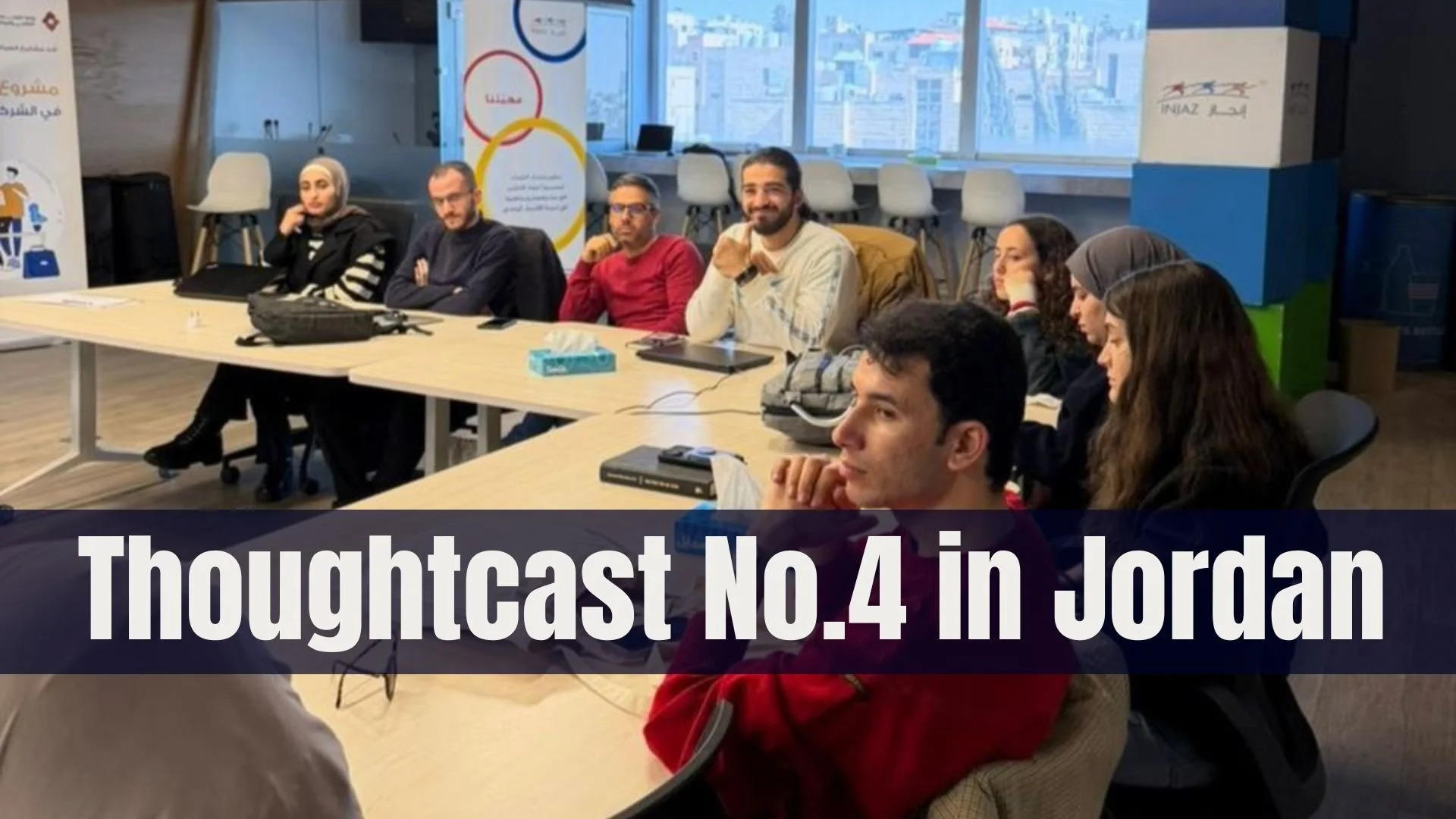
On Wednesday, March 11, 2026, the Response Innovation Lab (RIL) hosted a Thoughtcast session in Amman, Jordan, bringing together Lazord Fellows for a reflective discussion on how innovation is understood and practiced in crisis contexts through youth perspectives. The session created a space for young professionals working across humanitarian response, refugee support, youth empowerment, healthcare, and education to exchange insights drawn from their professional experiences and engagement with crisis-affected communities.
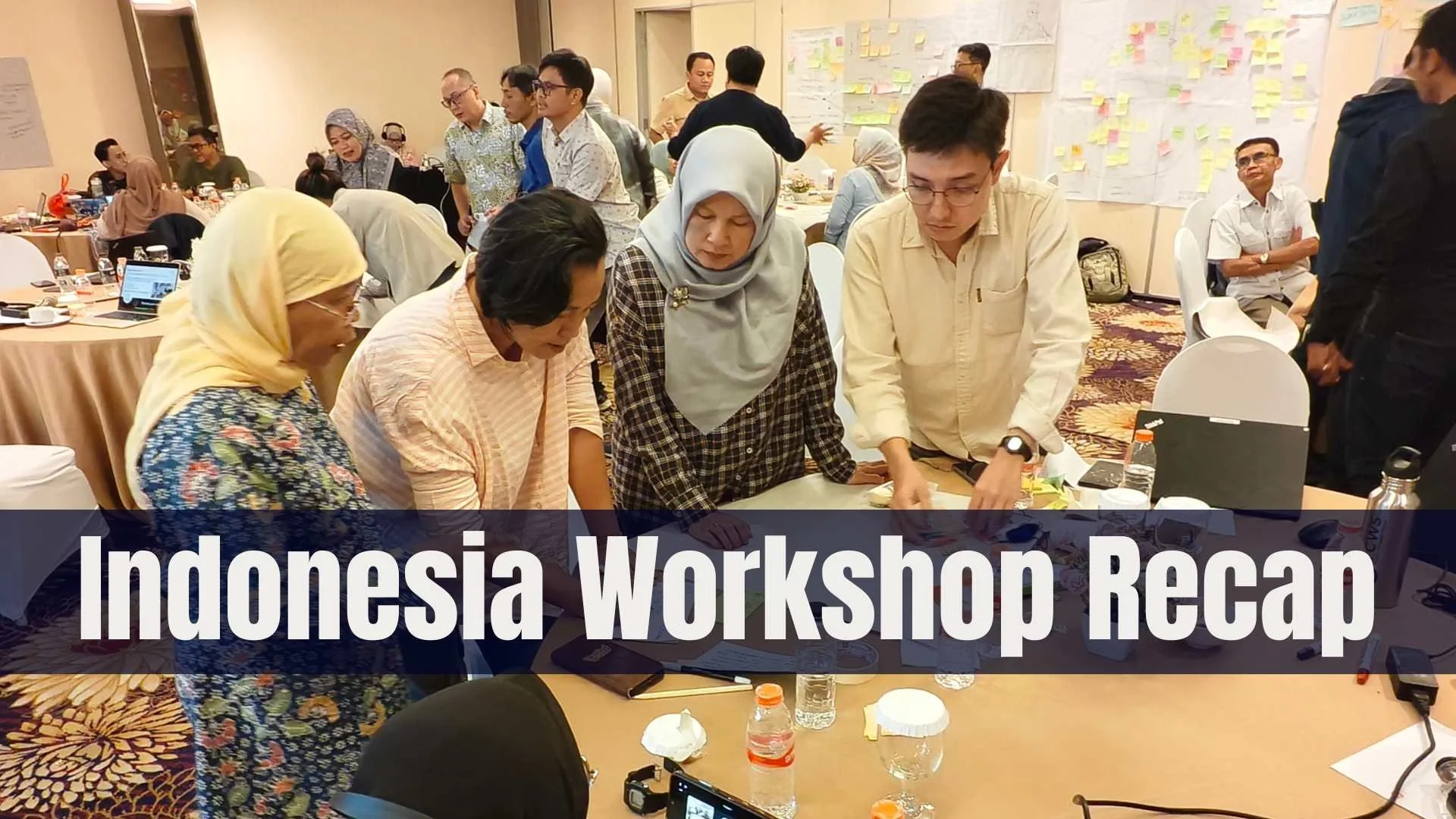
As part of the HST–LHL initiative, the Response Innovation Lab (RIL), in partnership with the Indonesia Localisation Lab (INALocLab) and Penabulu, conducted a visit to Jakarta to engage with national and subnational stakeholders, meet project partners, and observe localisation in action through Indonesia’s humanitarian coordination platform. The visit provided valuable insights into how local leadership shapes humanitarian responses on the ground. Check out the key takeaways from our Challenge Mapping workshop.
How has the humanitarian innovation space evolved over the past decade? What trends are currently shaping the sector? And where are we heading? Join us on March 5 at 10:00 CET for a webinar to explore the evolution of humanitarian innovation through the lens of RIL’s 10-year journey.
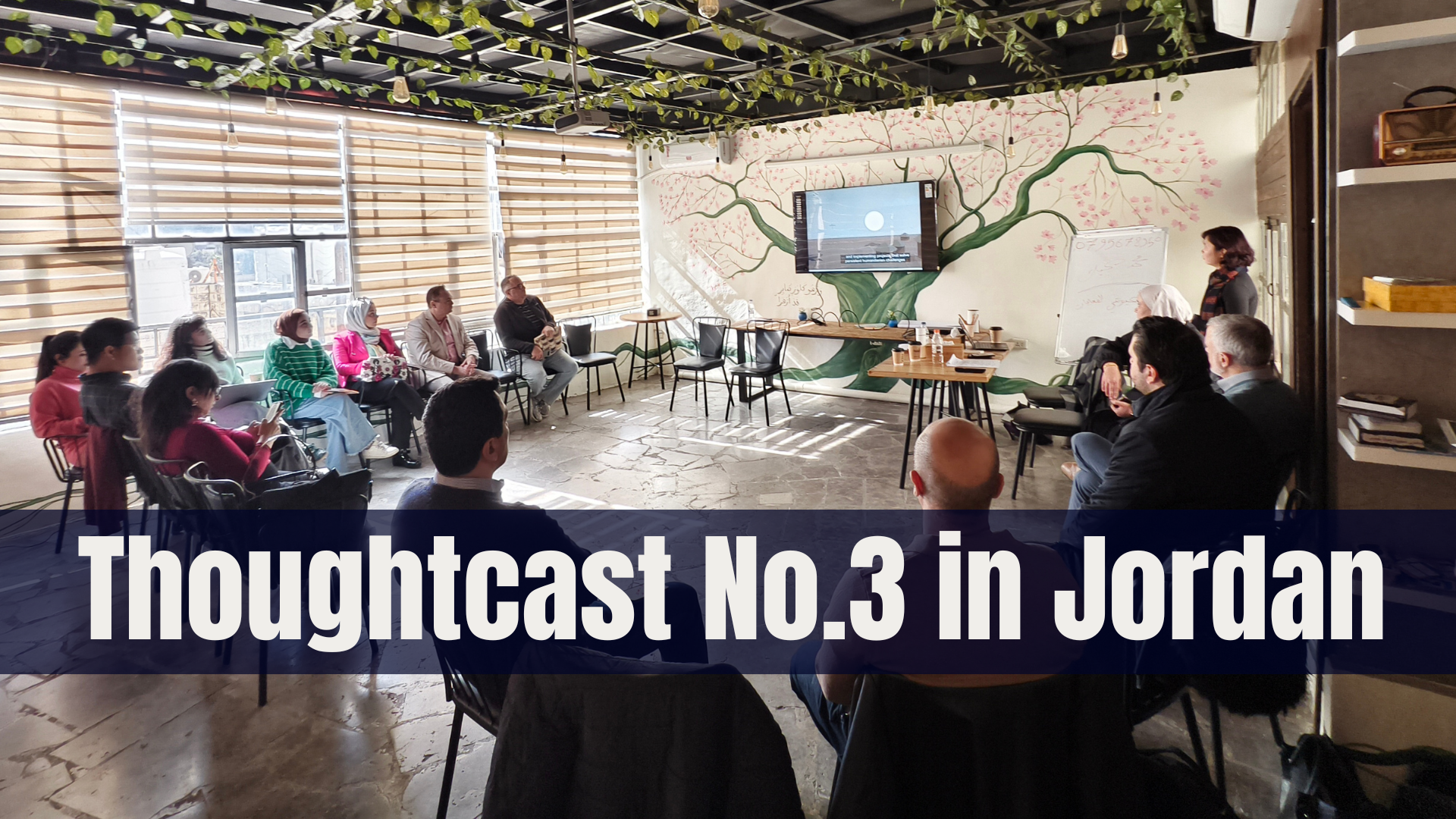
Jordan’s humanitarian landscape is under growing pressure, with rising needs, shrinking funding, and a continued reliance on short-term interventions. In this context, finding ways to deliver impact more efficiently, locally, and sustainably has become increasingly urgent.
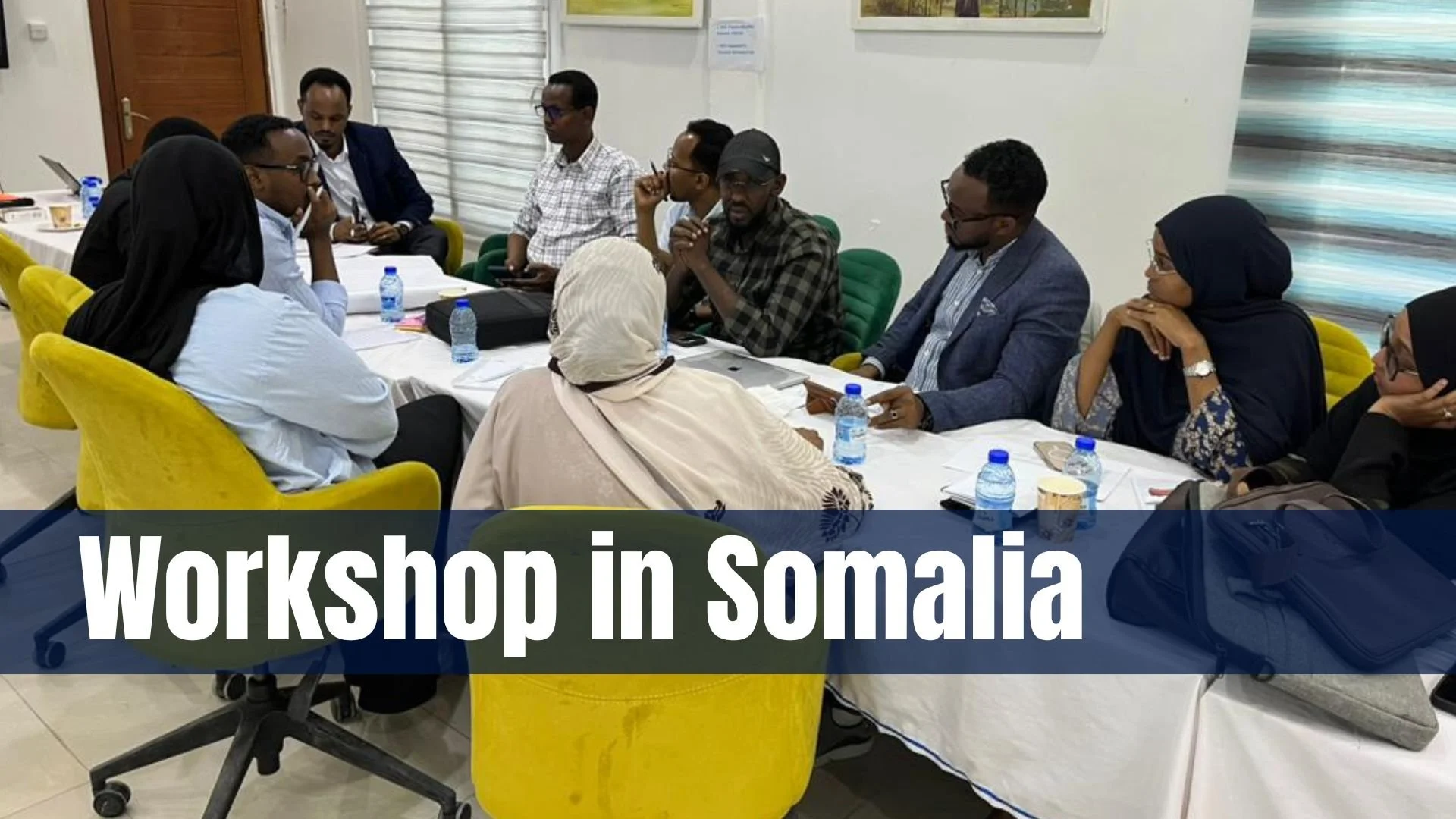
On January 6, the Somali Response Innovation Lab (SomRIL) hosted a national-level Humanitarian Research & Innovation Futures Consultation in Mogadishu , convening a diverse cross-section of Somalia’s humanitarian ecosystem to collectively shape a forward-looking, nationally grounded agenda for humanitarian research and innovation.
Using Elhra’s Humanitarian Research & Innovation Futures Toolkit, the consultation applied strategic foresight methods to examine key drivers of change, surface critical uncertainties, and stress-test existing humanitarian approaches—ensuring future responses remain adaptive, evidence-driven, and locally relevant.
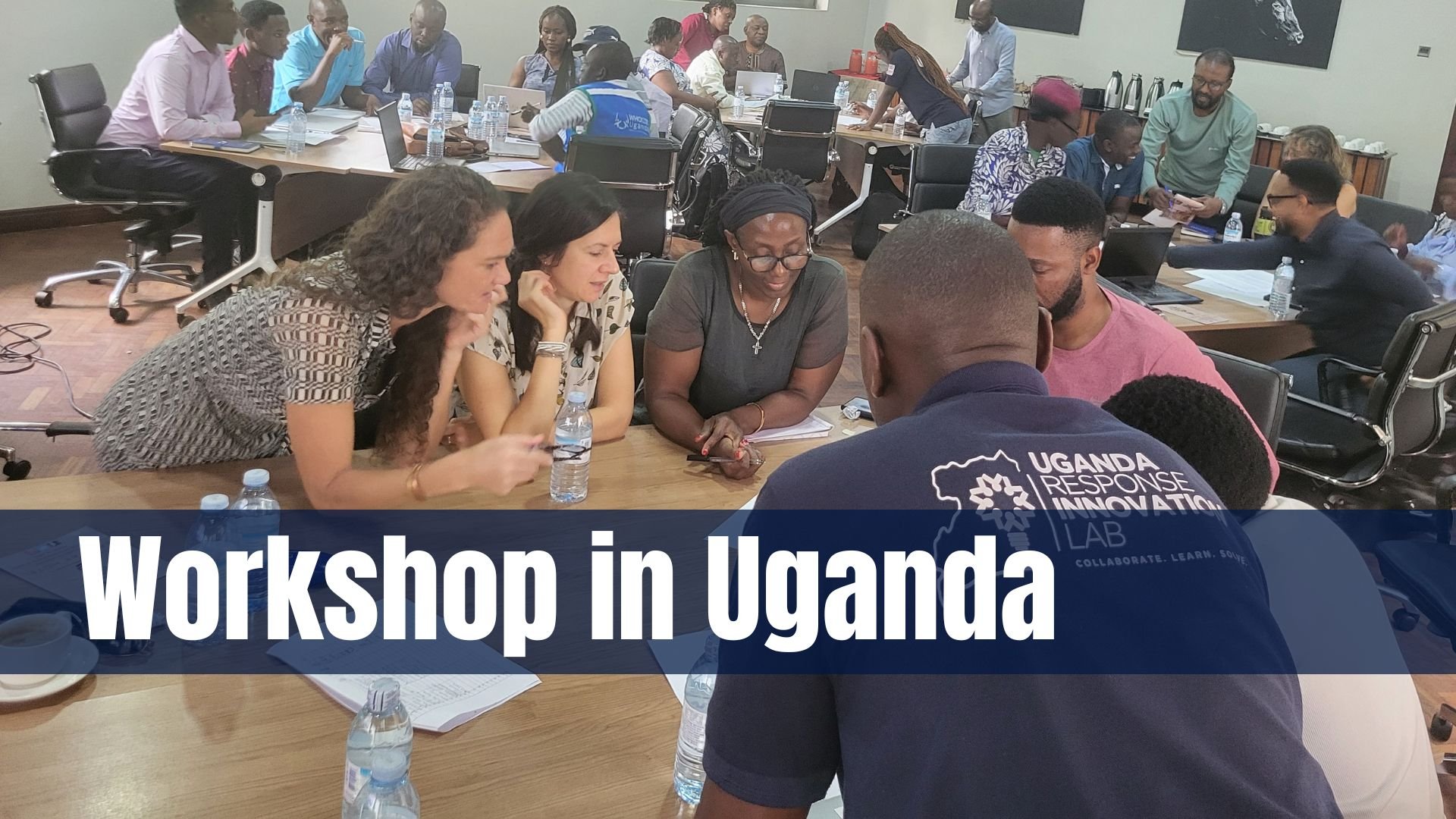
On November 27th, the Uganda Response Innovation Lab (U-RIL), in collaboration with Start Network, hosted a workshop focused on the future of research and innovation in humanitarian response across Uganda and its neighboring countries. This report brings you the insights and knowledge generated from the workshop.

RILx25 brought together 130 participants from 35 countries across various sectors and geographies. The event was organised in collaboration with Superpool and IFDO, with the generous support of Danish Refugee Council, Elrha, Grand Challenges Canada, the Oxfam Novib HST-LHL programme, and Save the Children International. Check out the takeaways from RILx25 and get inspired on how to prepare for the next “crossroads”.
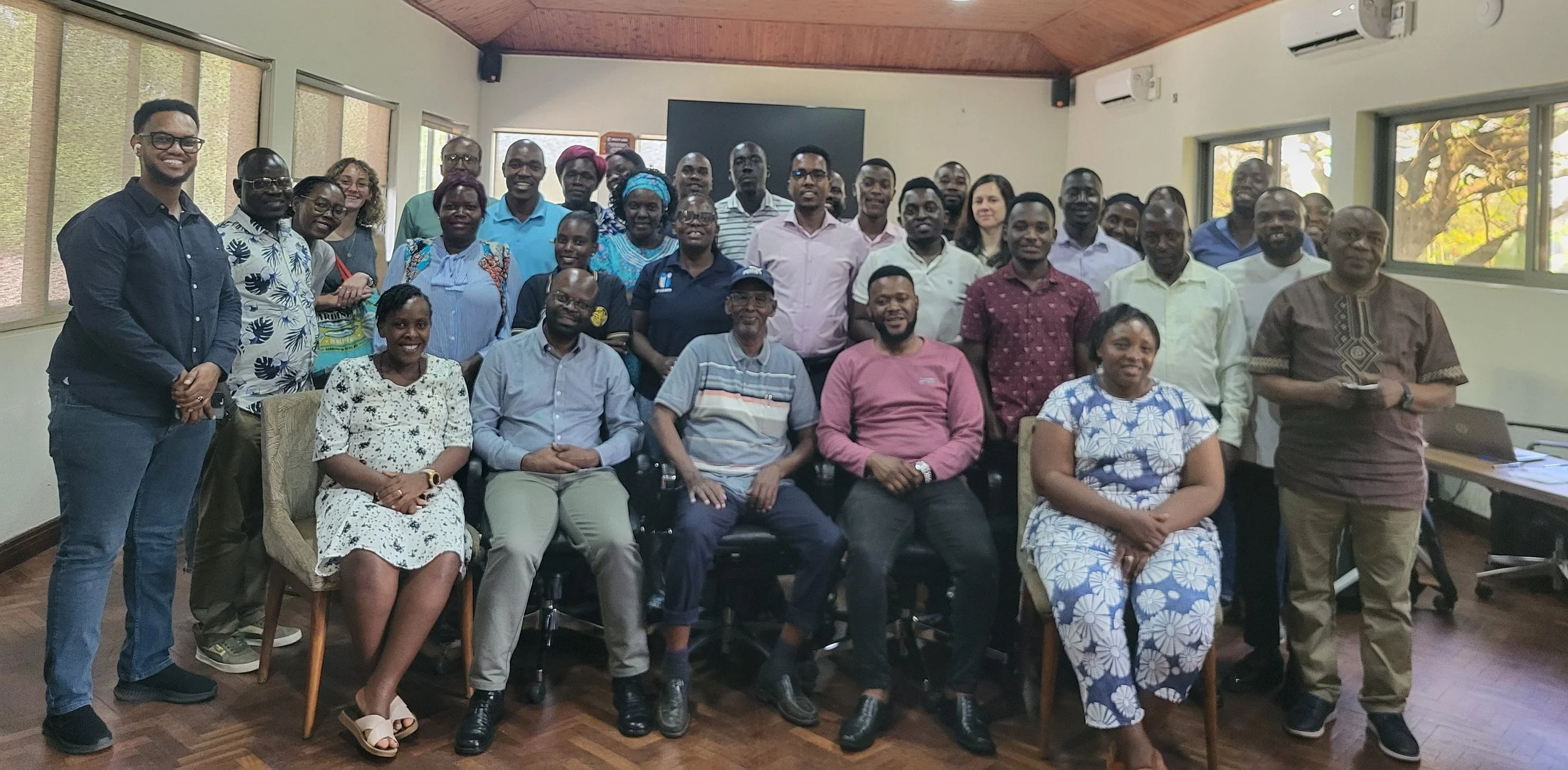
On November 27th, the Uganda RIL & Start Network brought together diverse actors from five countries for a dialogue on the future of humanitarian research & innovation. Using Elrha's Futures Toolkit, participants mapped pathways to resilience and relevance amidst uncertainty.
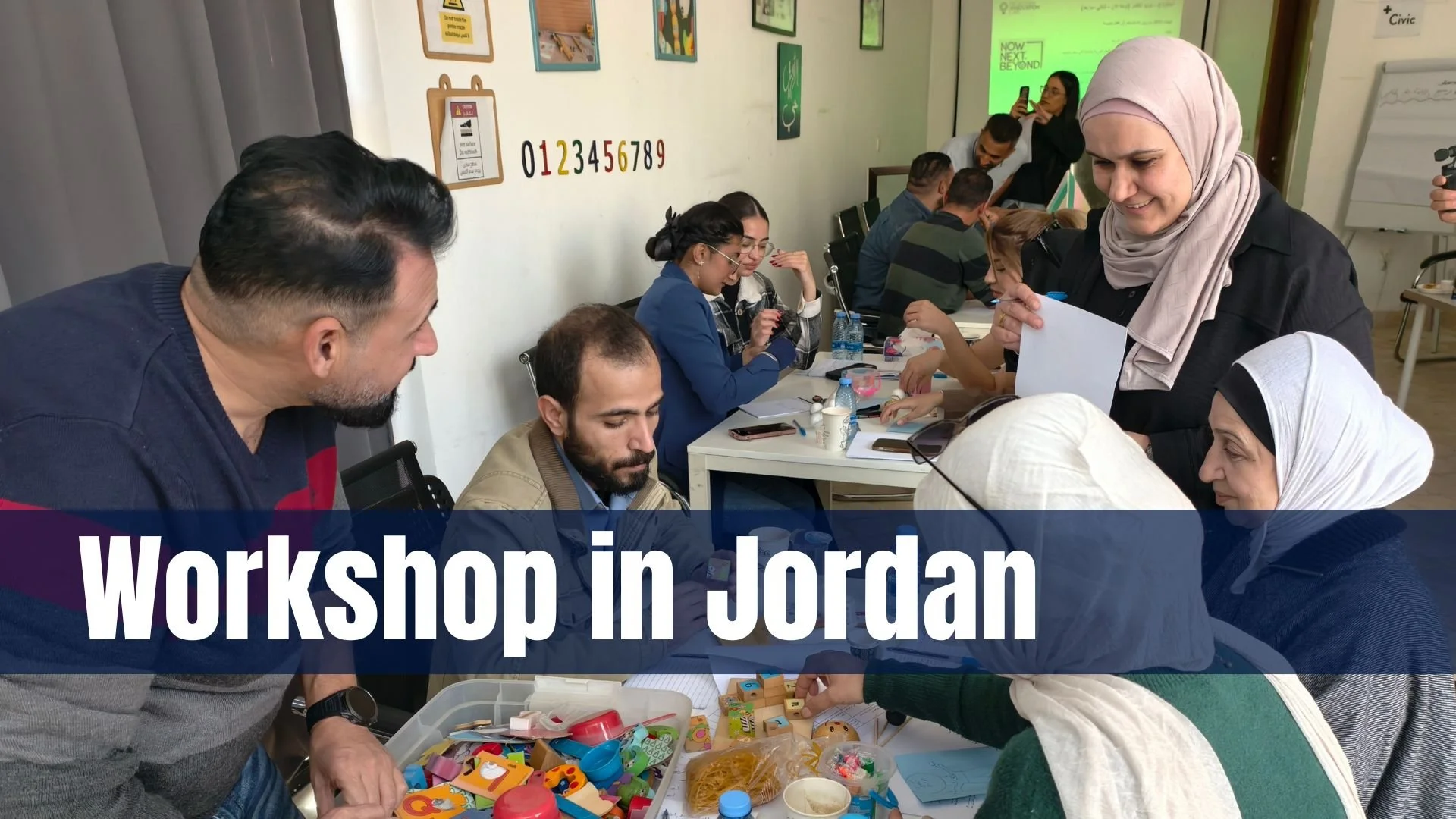
We kicked off the first national dialogue session on the future of research and innovation in humanitarian action in Al-Azraq. The session was organized by the Response Innovation Lab in partnership with Al-Azraq Alive, and we were honored to have the Mayor of Al-Azraq join us, this gathering came as part of the Jordan Global Entrepreneurship Week (GEW) activities.

We hosted the 2025 edition of our annual event RILx in Istanbul from October 15-17, this year under the theme “Humanitarian Innovation at the Crossroads: New Solutions for Ecosystems in Crisis,” with a dual focus on localization and climate adaptation. Three days of open conversations, cross-sector learning, and genuine connections in Istanbul brought together over 130 participants from around the world, spanning international and local NGOs, social enterprises, institutional donors, foundations, academia, entrepreneurship support organisations, public institutes, and impact networks. Check out the snapshots from RILx25!

Response Innovation Lab hosted a session on “The Missing Link: Connecting Community-Led Innovation Initiatives with National and Global Social Innovation Ecosystems in Humanitarian Settings“ in Geneva, on March 26.

Recognising the challenge brought by food insecurity, the Syria Response Innovation Lab (RIL), in collaboration with Field Ready Middle East, World Vision Syria Response (WVSR), and the Food Security Cluster (FS Cluster), organized two back-to-back workshops—one in Gaziantep, Türkiye, and another in Northwest Syria at the RIL. These workshops provided a platform for frontline responders to voice challenges, exchange insights, and collaboratively design solutions, fostering local ownership.

SomRIL received the Award “Best Accelerator Ecosystem” from StartupBlink recognising Somalia's top performance in the number of accelerators among the seed African ecosystems.

Your voice matters! This is your chance to contribute to shaping impactful solutions to address food insecurity in Northwest Syria. Let’s collaborate to tackle the region’s most pressing issues and create meaningful change.
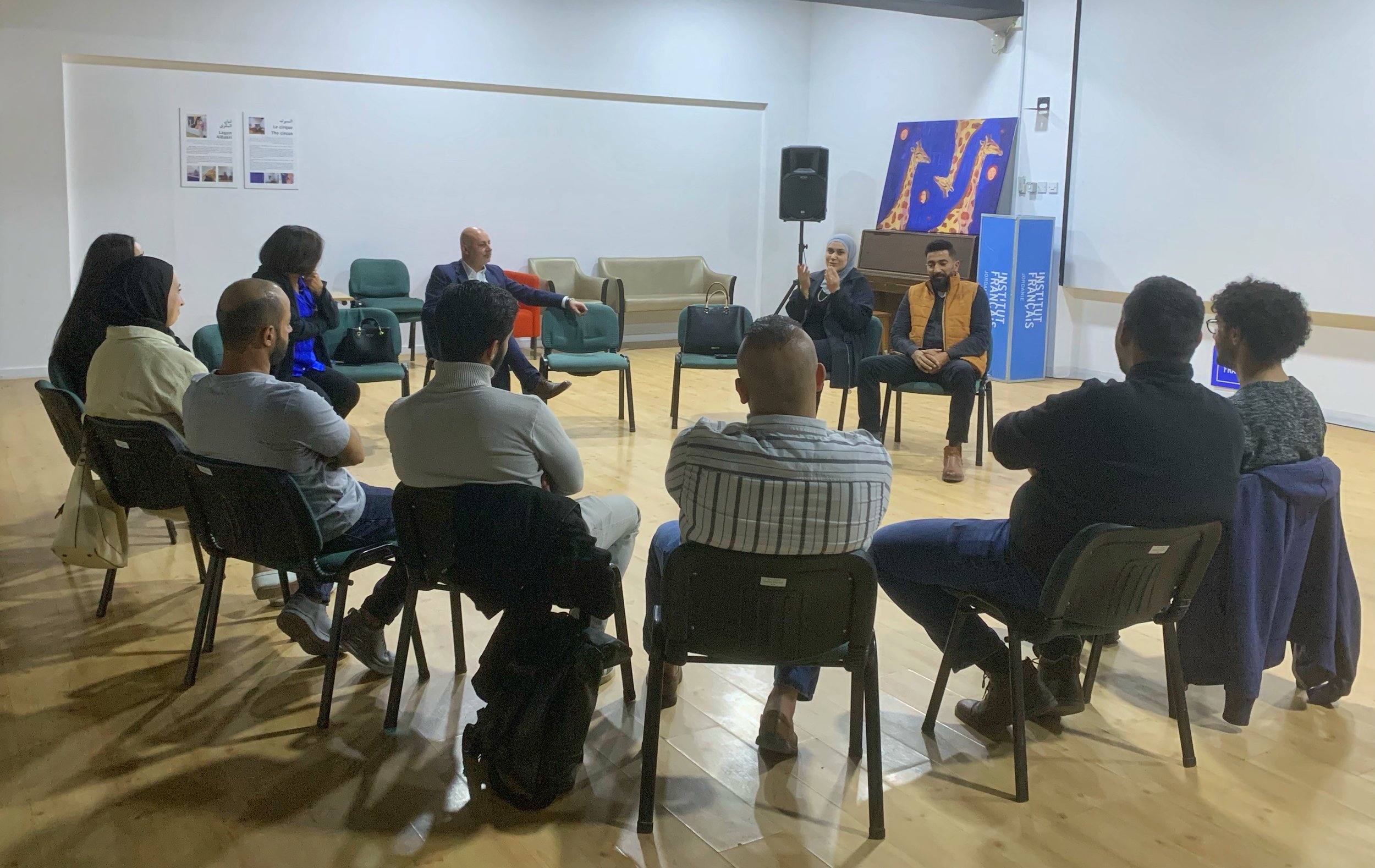
The second event of our Thoughtcast series took place on October 27 in Jordan! During the gathering, the participants discussed the duplication of efforts and explored the challenges within the impact ecosystem.
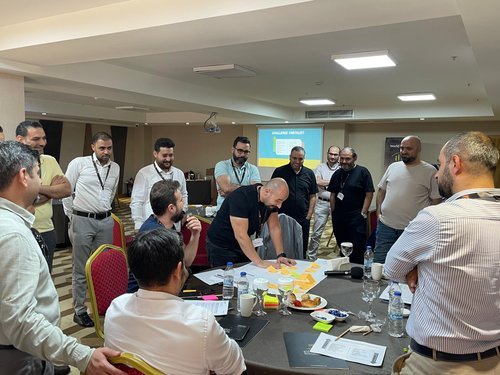
How did we conduct the convener for challenge mapping in NW Syria? Read our full Convener Report to know more about how RIL works on the ground.

We have been committed to establishing the Innovation WASH Club as a coordinated and dedicated platform. The convener participants, now collectively committed as part of the Club, will mobilize their resources and bring innovations to enhance the WASH response in NW Syria.

MatchMaker & Broker
RIL tends to find innovators that already have solutions available and applicable in the local context. After identifying a suite of solution providers, RIL will share different alternatives with the challenge-holder. RIL staff always consult with our network of subject matter experts (SME’s) and research both internal and external innovation databases to provide solution package to any challenge submitted to RIL.
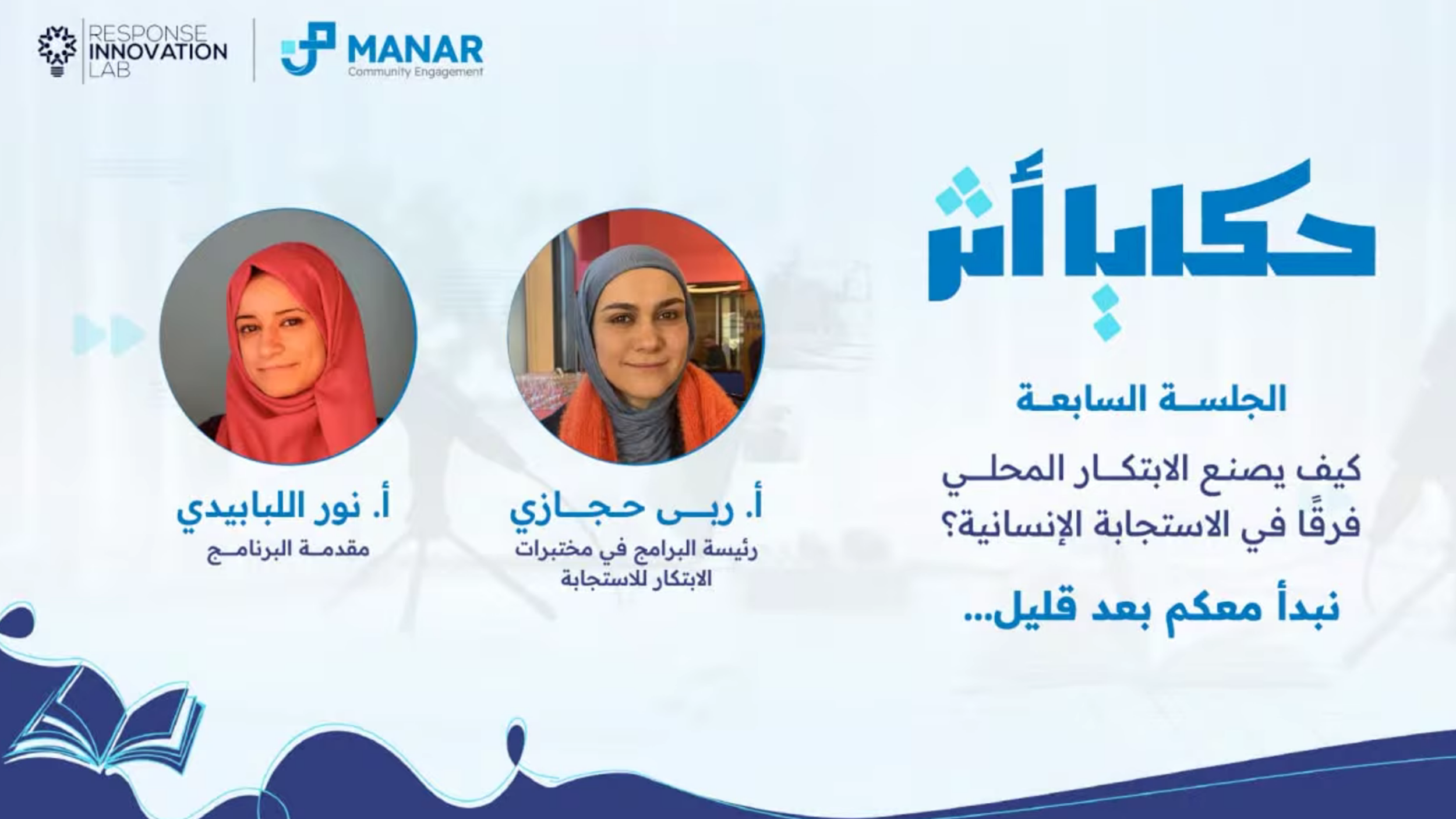
Watch the podcast episode where our Head of Programs, Ruba Hijazi, tells the RIL story in Arabic. Hosted by Al Manar Foundation.
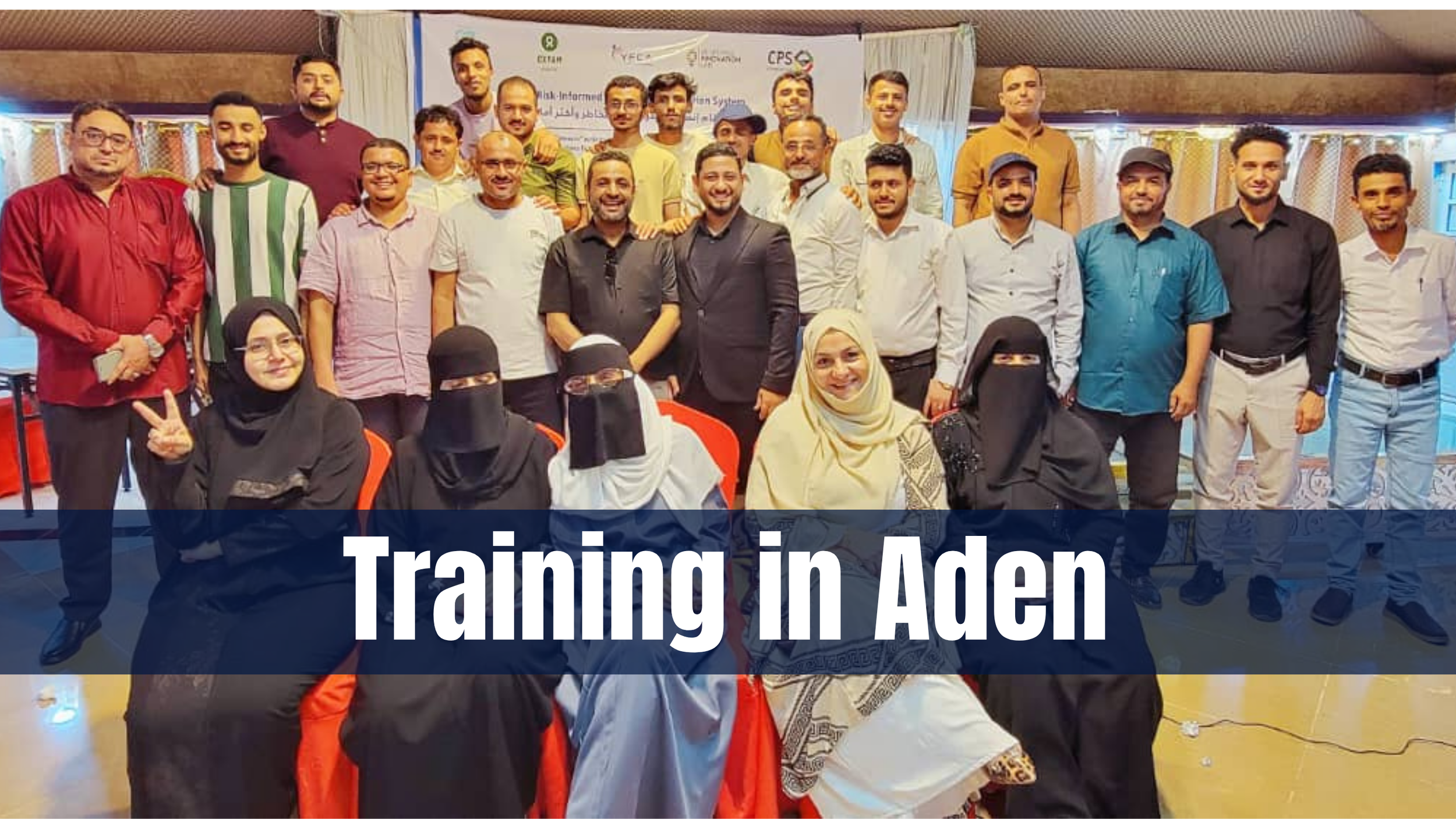
On 25–27 August 2026, we delivered a three-day Basic Humanitarian Innovation Skills training for 25 Yemeni innovators participating in the “Made by Yemenis” initiative.
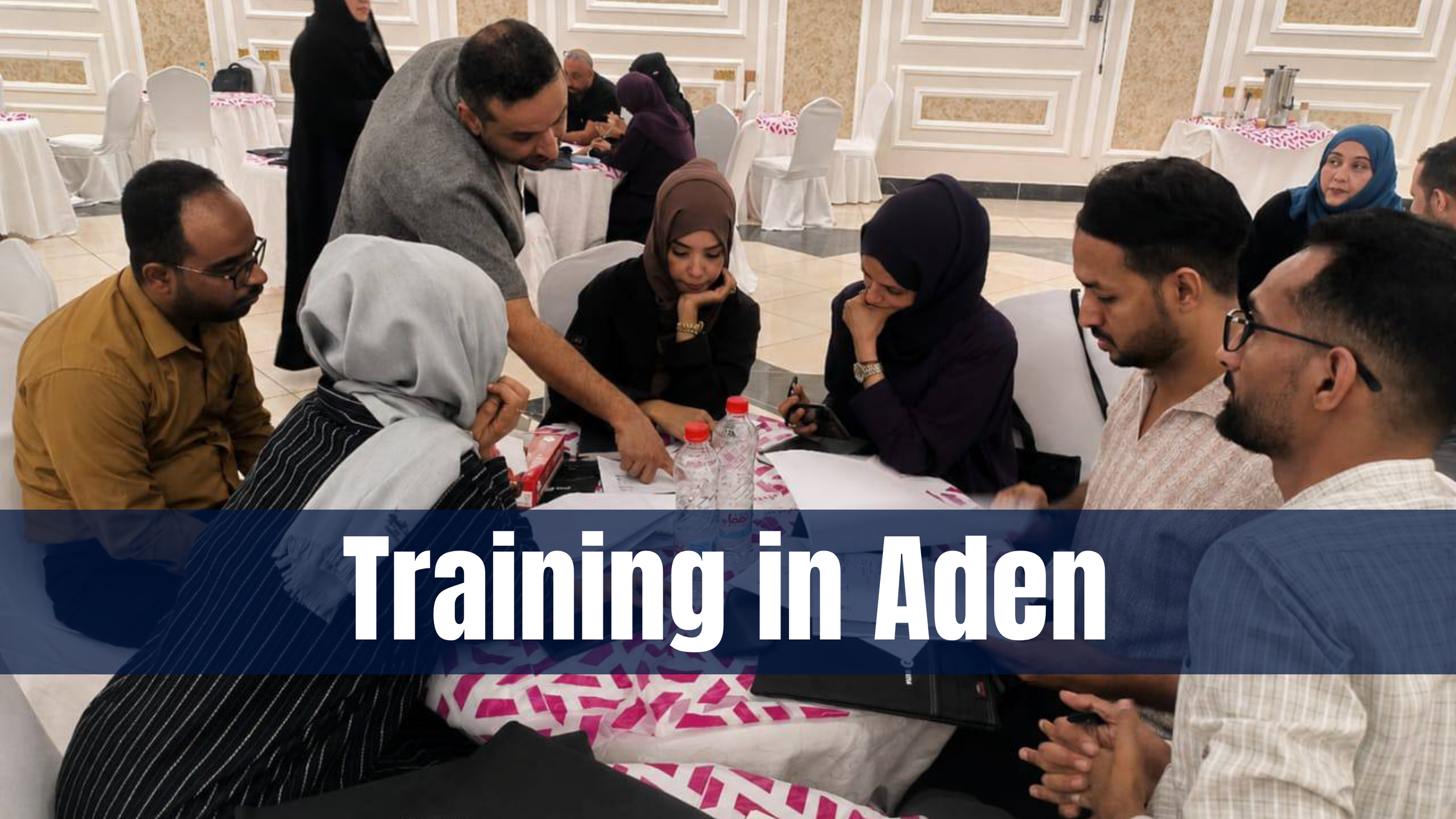
On 16–18 August 2026, the Response Innovation Lab (RIL) and Yemen Family Care Association (YFCA), with the support of Oxfam under the HST-LHL Programme, delivered the three-day “Humanitarian Innovation Basics: A Journey to Impact” training in Aden, Yemen.
“We need to shift from coordination to collaboration.”
“Innovation isn’t a project; it’s a process.”
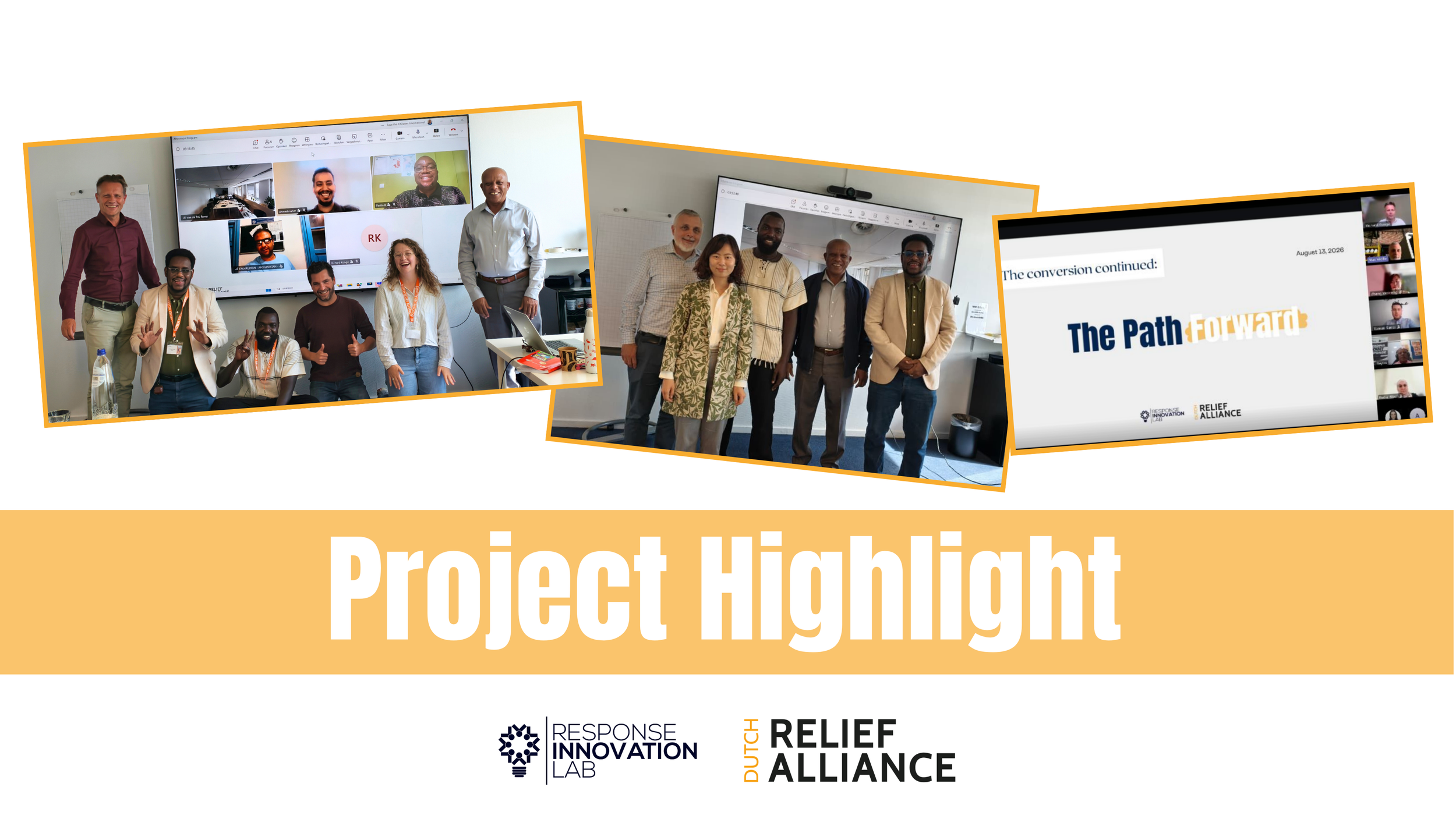
Check out the highlight and the output from the collaboration between RIL and DRA.
Our partner Field Ready Middle East published the report following the Challenge Mapping workshop under RISE Syria.
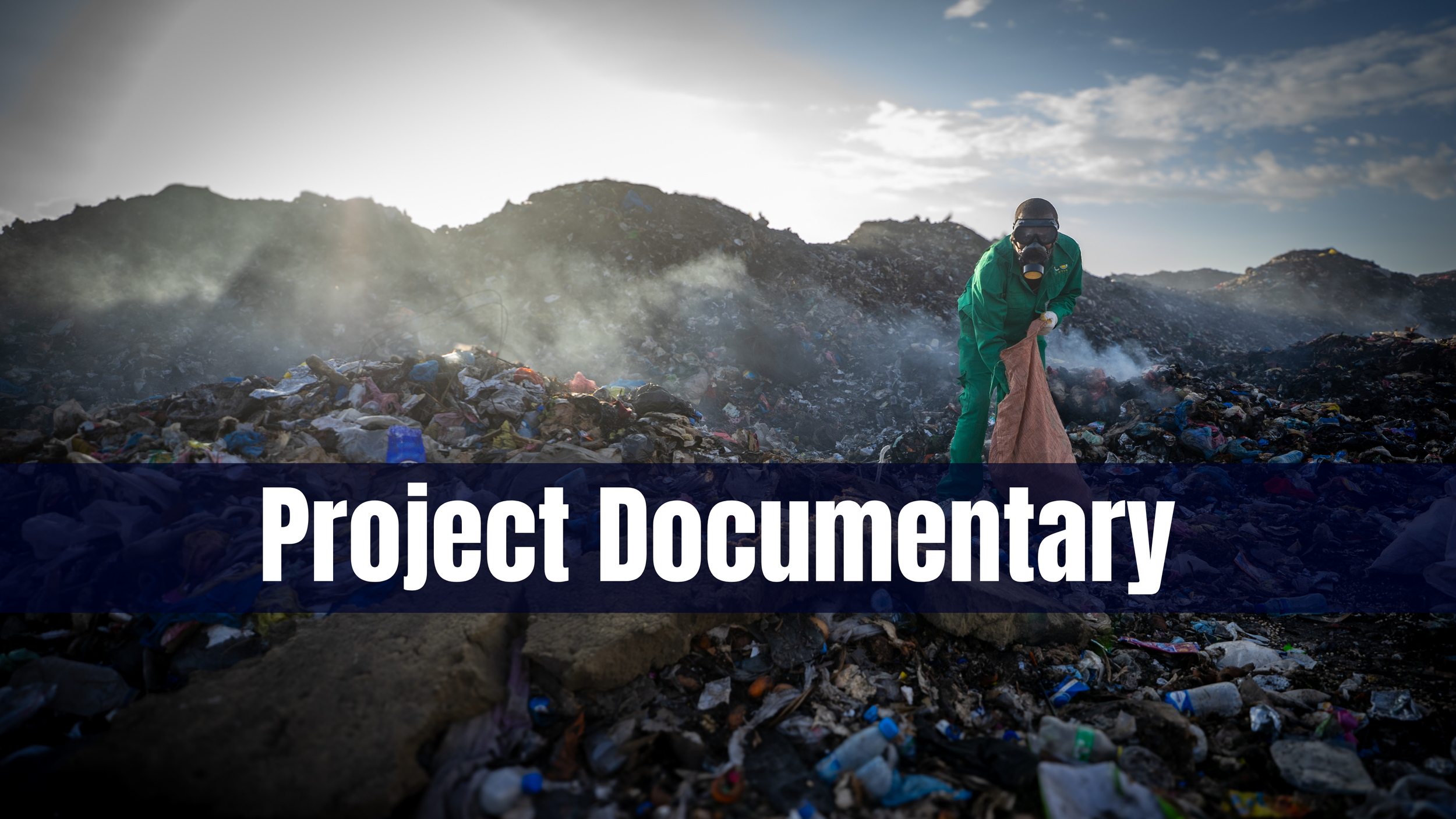
This short documentary is under the Social Plastics for Economic Development project led by Response Innovation Lab, together with Engineers without Borders Norway, World Vision Somalia, and the Somali Resilience Programme (host of Somali Response Innovation Lab), with funding support from Innovation Norway.
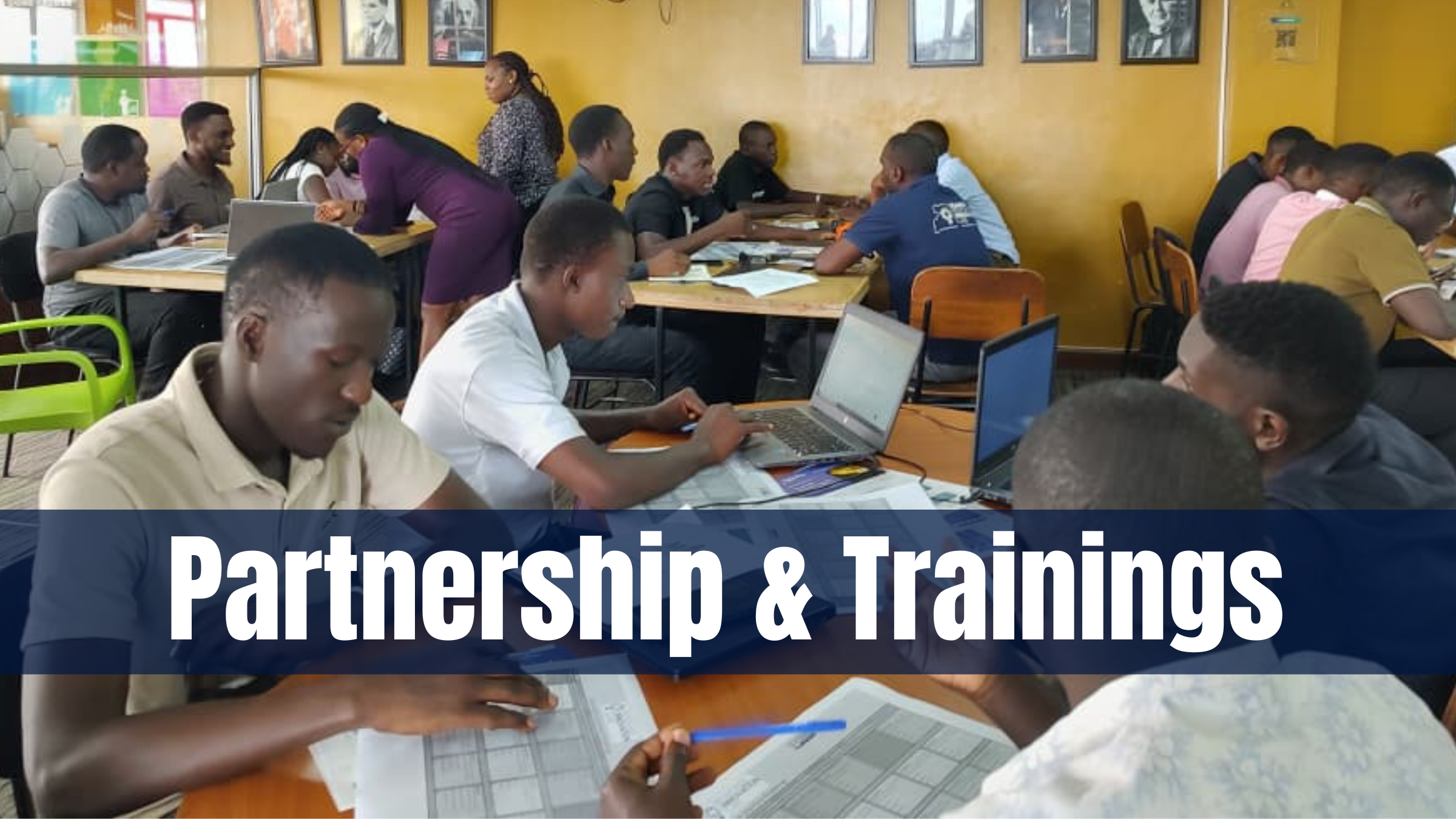
Over 10–11 June 2026, the Uganda Response Innovation Lab (U-RIL) and Makerere University Innovation and Incubation Centre (MIIC) delivered two days of specialised training. marking the start of a new collaboration between the two innovation champions in the ecosystem around innovation monitoring, evidence generation, and learning.
As StartupBlink's Ecosystem Partner in Somalia and recognised as one of the "Notable Startup Ecosystem Builders", Response Innovation Lab remains committed to deepening our collaboration with the private sector and the local innovation community—working together to build a more connected, resilient, and thriving ecosystem.
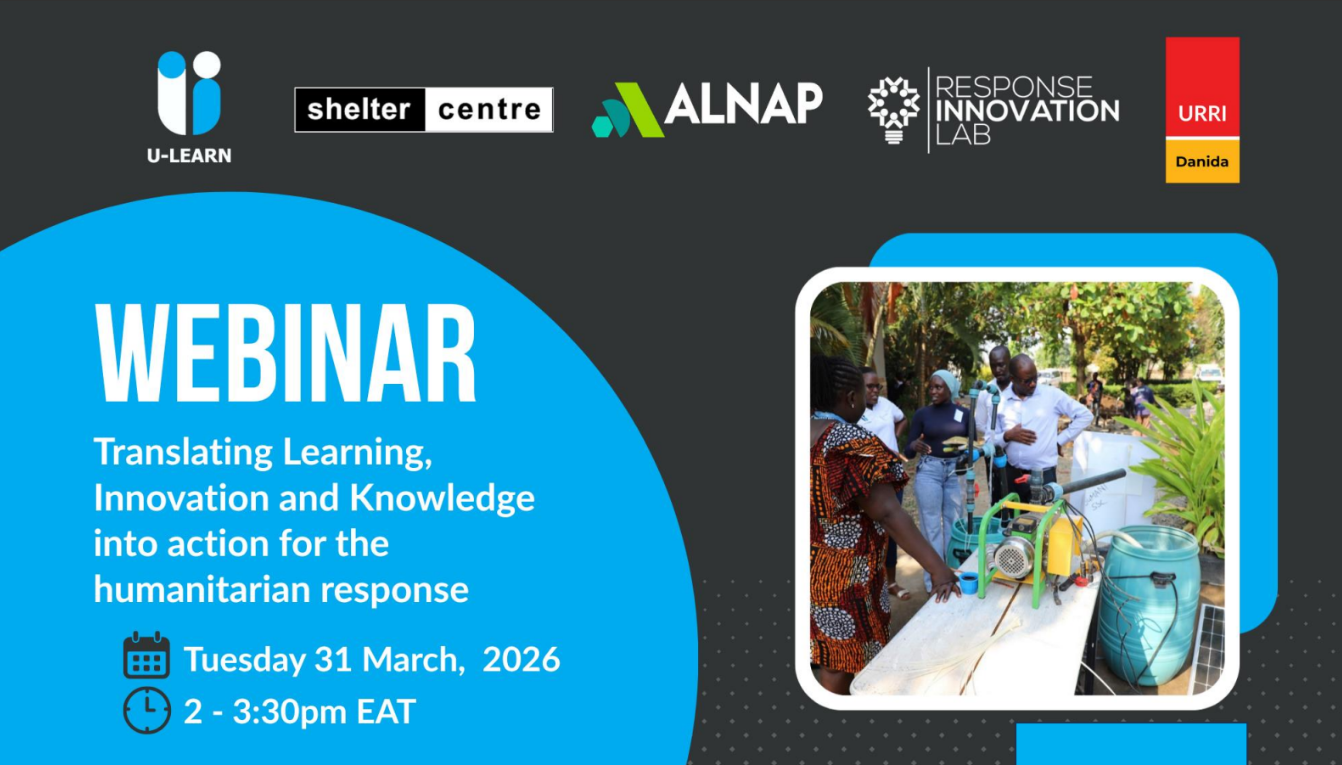
U-Learn, together with Rwanga Foundation, ALNAP, the Humanitarian Library and Shelter Center, co-hosted a webinar on learning, innovation, and evidence uptake in humanitarian contexts. The webinar aimed to share practical approaches to strengthening learning and evidence uptake in humanitarian and refugee responses. Check out the webinar recording and relevant resources!
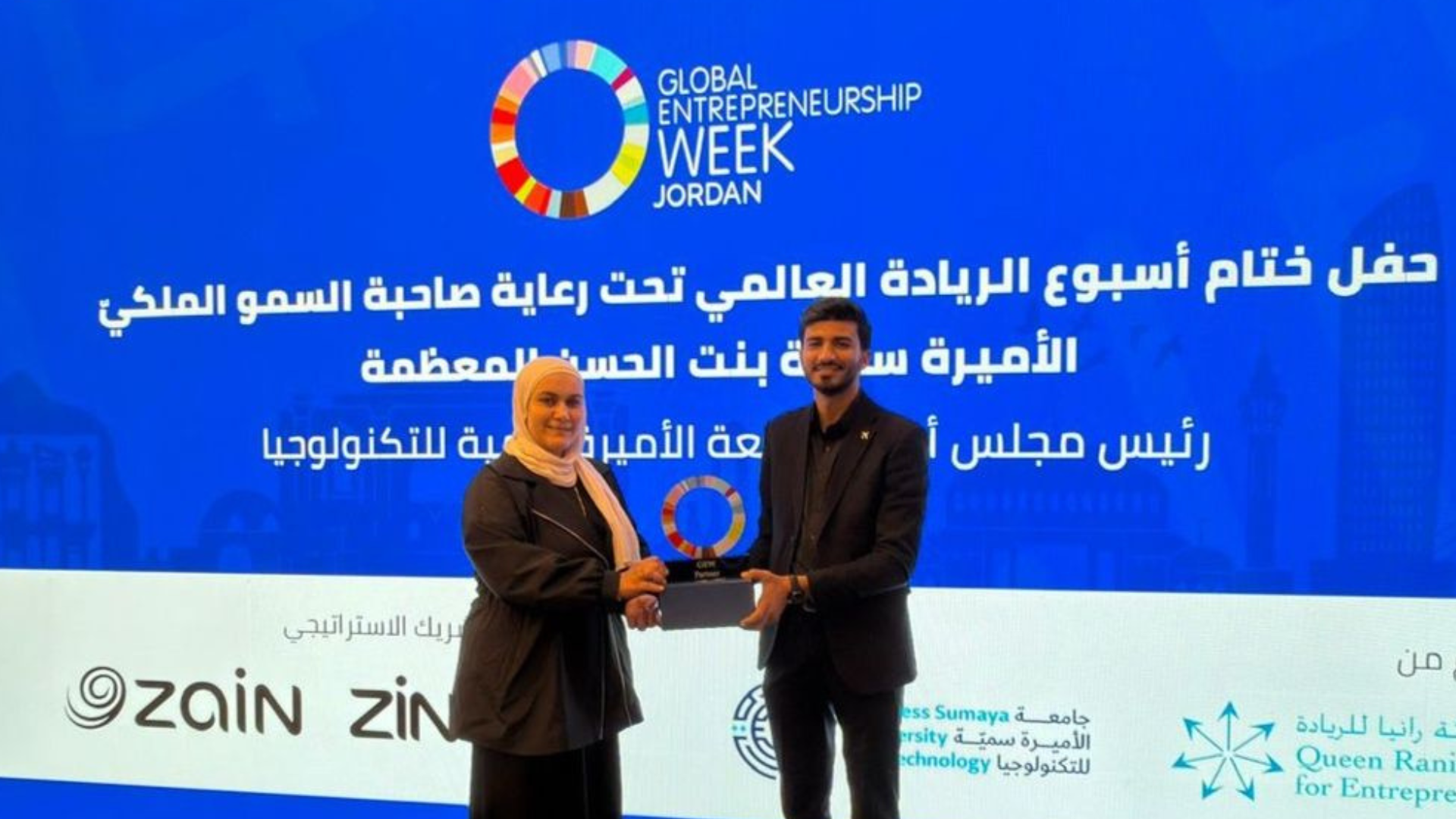
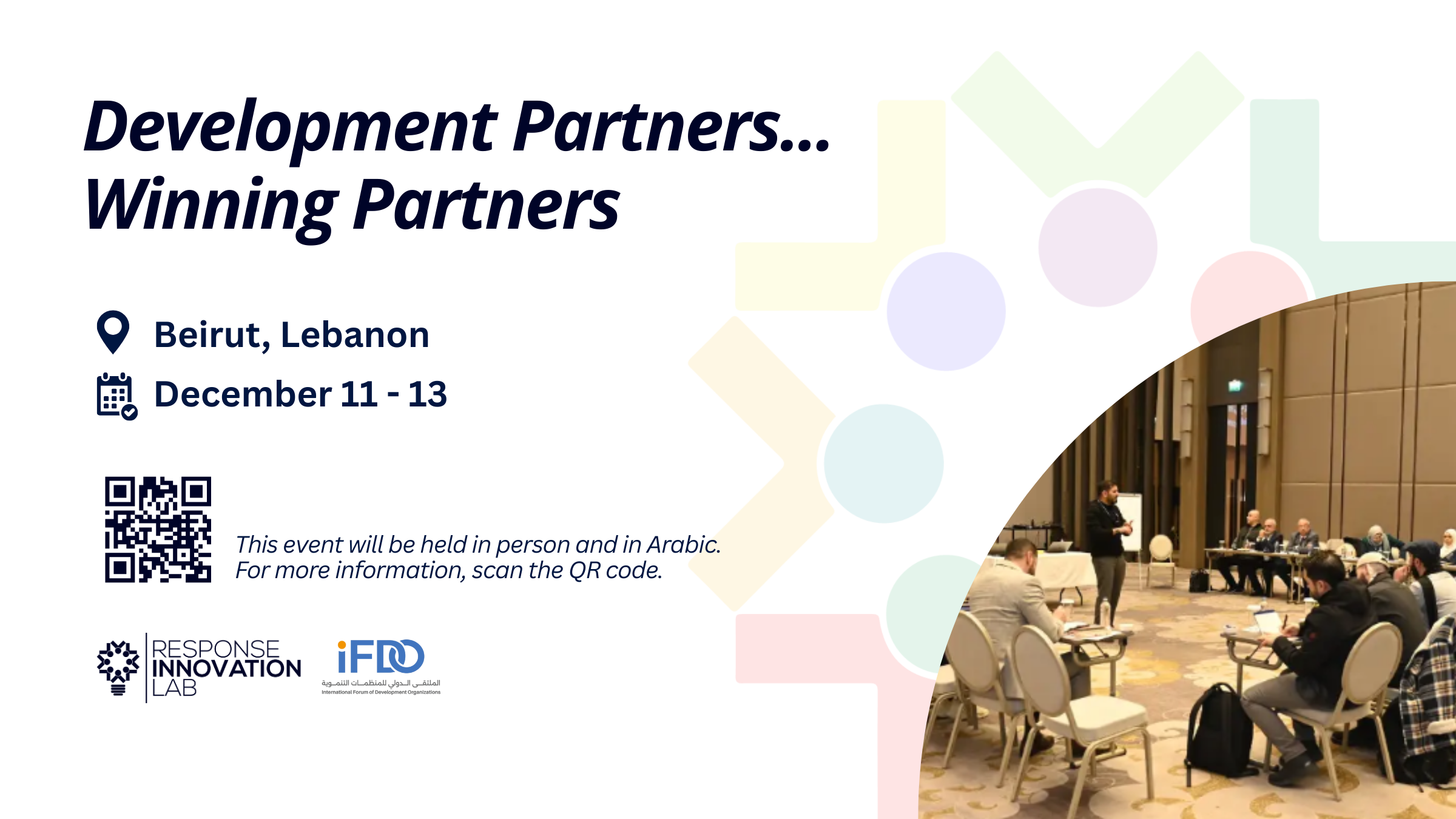
Response Innovation Lab will partner with the International Forum for Development Organizations for their event “Development Partners… Winning Partners” in Beirut this year, taking place from December 11 to 13.
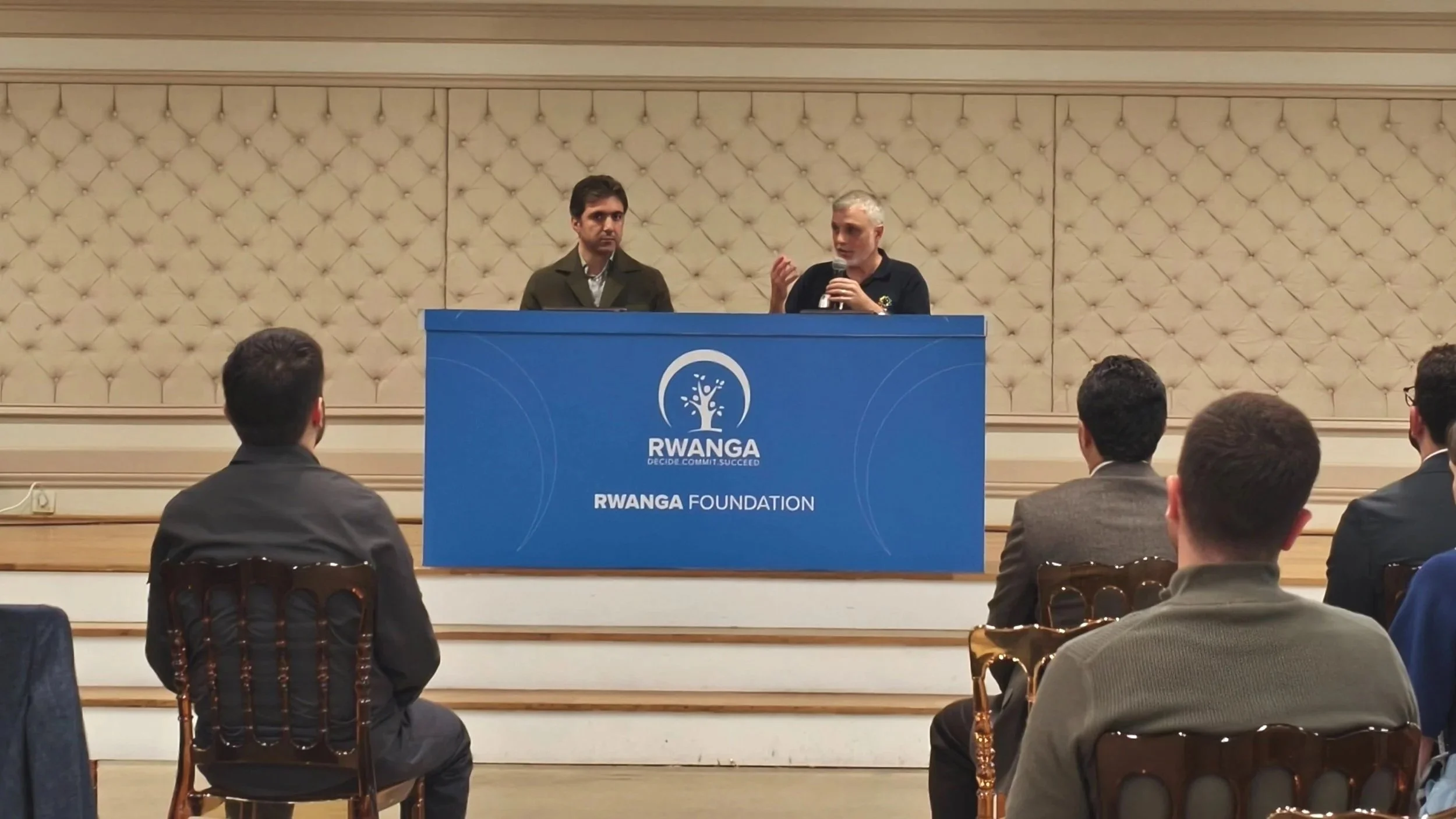
With the signing of a Memorandum of Understanding (MoU) at RIL’s annual event, RILx25, in Istanbul, Rwanga Foundation officially joins the RIL global network as an Affiliate Facility. Affiliate Facilities share RIL’s vision of developing inclusive and collaborative innovation ecosystems, while combining their local expertise and institutional strengths with RIL’s methodologies. Rwanga Foundation becomes RIL’s fourth Affiliate Facility, following the ones in Jordan, Nepal, and Puerto Rico.

An inspiring story of Navjot and The Washing Machine Project, and his messages to the next-gen innovators and the broader humanitarian innovation ecosystem.

As a partnership with Elrha and with the support from the Foreign, Commonwealth and Development Office and Norad - Norwegian Agency for Development Cooperation, the Humanitarian Innovation Forum brought together a diverse group of actors to discuss the challenges facing humanitarian innovations and and to envision how the ecosystem could better support the communities.

RIL, in partnership with Gray Dot Catalyst, planned and facilitated the “Creating Hope in Conflict: A Humanitarian Grand Challenge Innovation Basecamp” in Nairobi, Kenya together with 40+ innovators.
SomRIL received the Award “Best Accelerator Ecosystem” from StartupBlink recognising Somalia's top performance in the number of accelerators among the seed African ecosystems.
Your voice matters! This is your chance to contribute to shaping impactful solutions to address food insecurity in Northwest Syria. Let’s collaborate to tackle the region’s most pressing issues and create meaningful change.
The second event of our Thoughtcast series took place on October 27 in Jordan! During the gathering, the participants discussed the duplication of efforts and explored the challenges within the impact ecosystem.
We have been committed to establishing the Innovation WASH Club as a coordinated and dedicated platform. The convener participants, now collectively committed as part of the Club, will mobilize their resources and bring innovations to enhance the WASH response in NW Syria.

RILx24 has successfully concluded! Hosted by World Vision Nepal and Nepal Innovation Lab, we organized the 2024 edition of the annual RILx event. This year, we gathered in Kathmandu, Nepal from September 17-19, and welcomed over 200 guests from 60 agencies coming from 25 different countries!

Together with Majlisna - Civic Jordan, we successfully hosted our first Thoughtcast session in Jordan to discuss what NGOs need from entrepreneurs and what entrepreneurs can offer. We welcomed participants from international and local NGOs, social business, academia, and tech and innovation sectors for fruitful exchanges!

Together with Majlisna - Civic Jordan, our first Thoughtcast session, "Bridging the Gap: What NGOs Need from Entrepreneurs and What Entrepreneurs Can Offer”, is happening this Saturday the 31st of August!

We’re preparing for our first "Challenge Mapping" exercise, and we need your help to identify the critical challenges faced in the WASH sector. Your feedback will guide our efforts and ensure they are as impactful as possible.

Support & Co-create
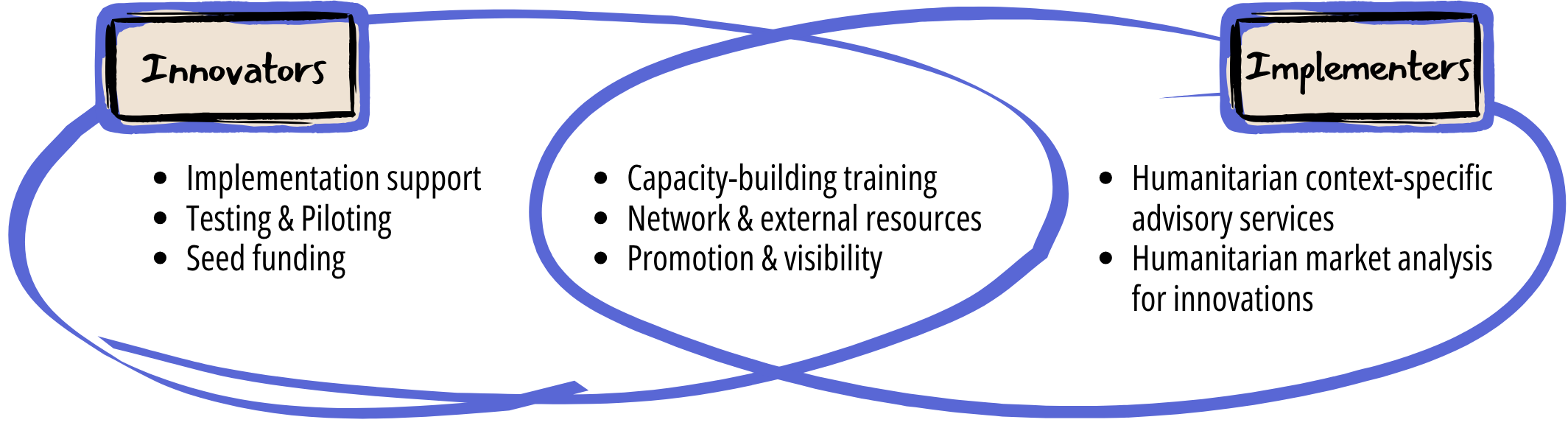
On 25–27 August 2026, we delivered a three-day Basic Humanitarian Innovation Skills training for 25 Yemeni innovators participating in the “Made by Yemenis” initiative.
On 16–18 August 2026, the Response Innovation Lab (RIL) and Yemen Family Care Association (YFCA), with the support of Oxfam under the HST-LHL Programme, delivered the three-day “Humanitarian Innovation Basics: A Journey to Impact” training in Aden, Yemen.
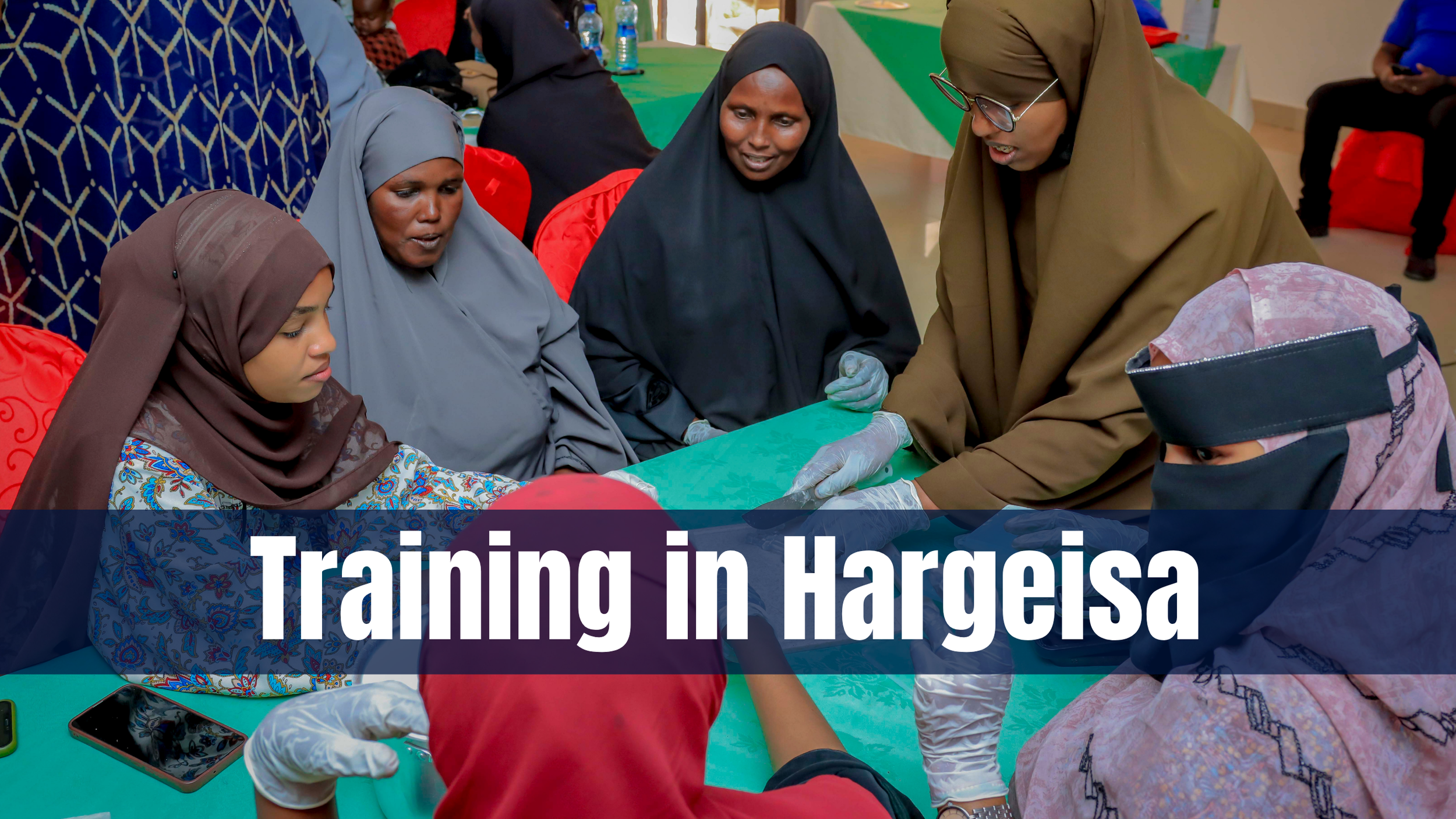
The Somali Response Innovation Lab (SomRIL), in collaboration with Field Ready funded by Australian Aid, delivered a practical training on Surprise Soap production for 20 women entreprenuers in Hargeisa, Somaliland combining technical skills development with a broader ambition to strengthen local manufacturing capacity for humanitarian and essential products.
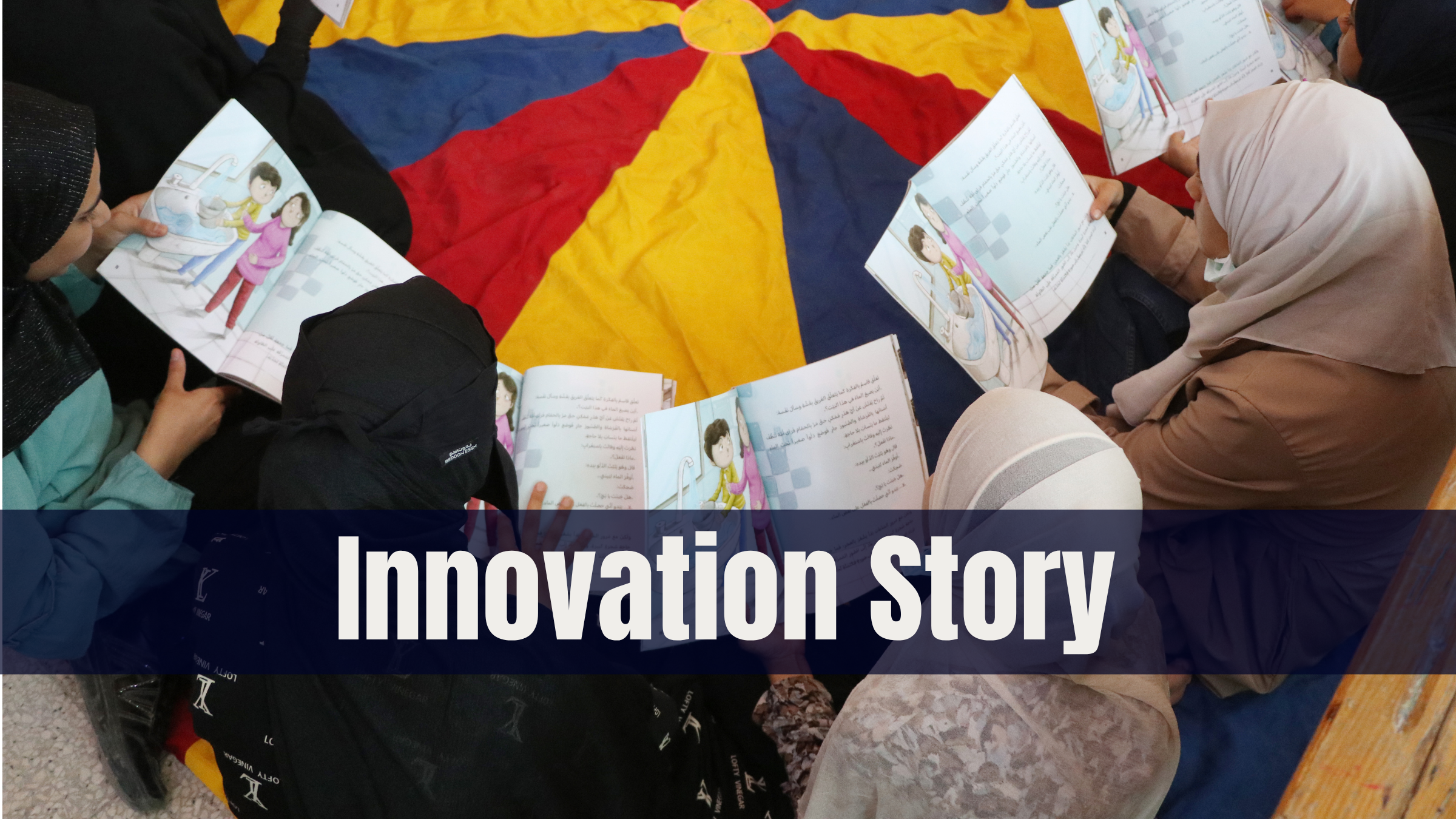
How storytelling is inspiring Syrian children to protect their environment? Check out the story of Lamiaa, an innovator supported through our Made by Syrians program.
Our partner Field Ready Middle East published the report following the Challenge Mapping workshop under RISE Syria.
On July 14, 2026, Uganda Response Innovation Lab hosted the the second “URRI Learning Review - Challenge Mapping Convener” on the issue of land access in Fort Portal, Uganda.
Are you ready to lead the change with your innovative solution for Yemen? Submit your idea and receive the support to scale up the impact!
Are you ready to lead the change with your innovative solution for Yemen? Submit your idea and receive the support to scale up the impact!
On July 9, 2026, Uganda Response Innovation Lab hosted the first “URRI Learning Review - Challenge Mapping Convener” on the issue of land access in Gulu, Uganda.
On 18 June 2026, we hosted a special edition of our Thoughtcast series in Irbid, Jordan, under the theme “Beyond Agricultural Challenges: Exploring the Realities Shaping Agriculture in Jordan.” The session was organised in collaboration with Rahma Foundation.
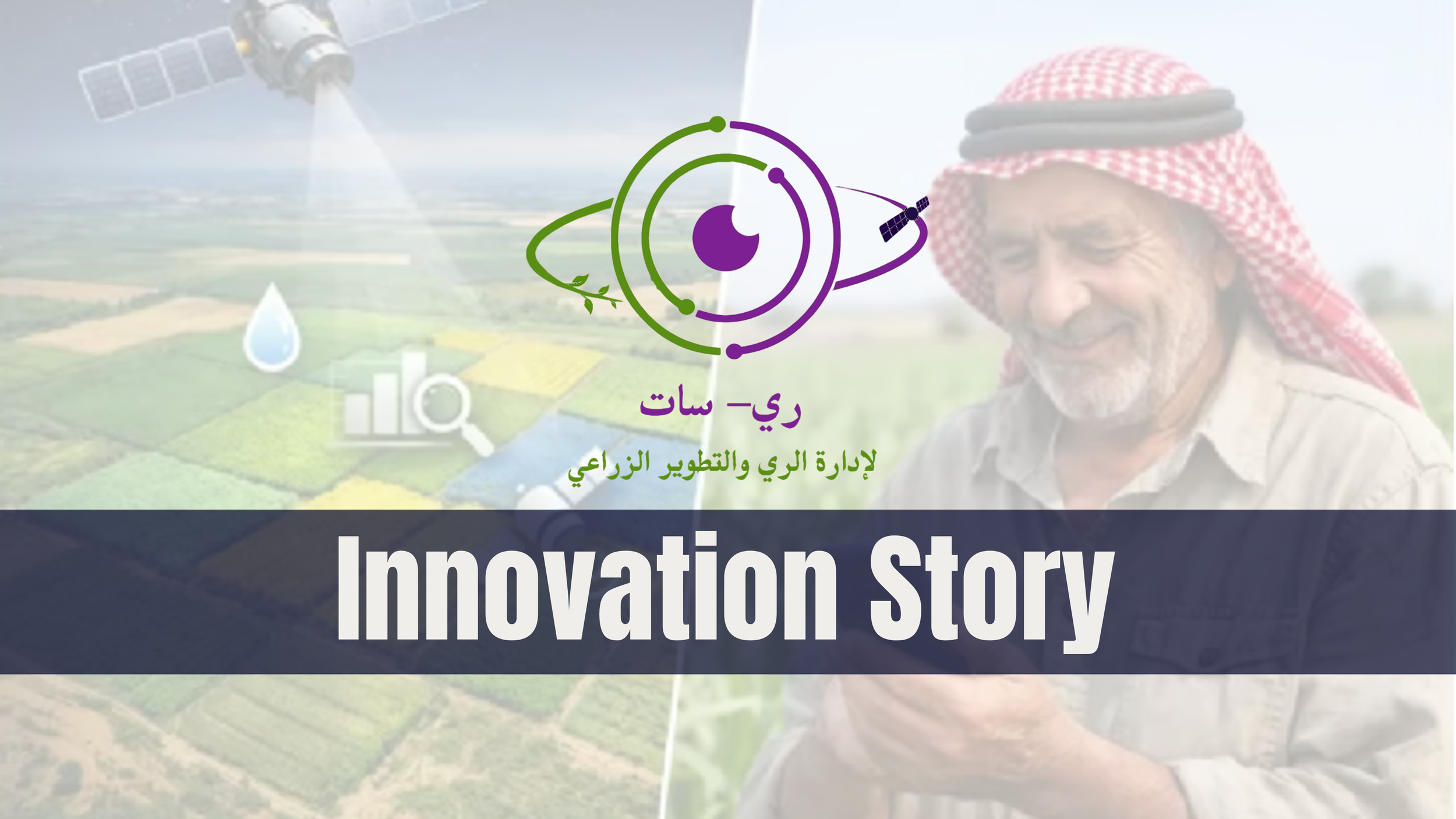
What does locally-led innovation look like in one of the world's most challenging humanitarian contexts? RaySat offers a compelling answer. Built by two Syrian innovators after eight years of fieldwork, RaySat translates satellite data into simple, practical irrigation recommendations for smallholder farmers — helping them save water, cut costs, and improve yields even in low-connectivity environments.
This short documentary is under the Social Plastics for Economic Development project led by Response Innovation Lab, together with Engineers without Borders Norway, World Vision Somalia, and the Somali Resilience Programme (host of Somali Response Innovation Lab), with funding support from Innovation Norway.
Over 10–11 June 2026, the Uganda Response Innovation Lab (U-RIL) and Makerere University Innovation and Incubation Centre (MIIC) delivered two days of specialised training. marking the start of a new collaboration between the two innovation champions in the ecosystem around innovation monitoring, evidence generation, and learning.
The closeout and learning event was designed as a learning, dialogue, and exhibition platform to synthesize evidence from the FIRM pilots and the broader financing ecosystem review, while shaping practical scale-up pathways for innovative financing in Somalia The event aimed to strengthen multi-stakeholder alignment around innovative financing, highlight Somali-led solutions, inform future programming, and generate actionable learning products and policy recommendations.
On 7 May 2026, the Uganda Response Innovation Lab (U-RIL) organised the Innovative Financing Convener.
On Tuesday, 5 May 2026, the Response Innovation Lab (RIL) hosted a special edition of its Thoughtcast series in Amman, focusing on analysing challenges within the agricultural sector as an entry point for developing practical, context-driven solutions. The session brought together stakeholders from across the agricultural ecosystem for a more targeted and focused discussion.
Somali Response Innovation in collaboration with ADRA, successfully hosted the Financial Innovation and Resource Mobilization project’s (FIRM) Learning Event, funded by Innovation Norway, under the theme “From Pilot to Practice: Innovative Financing—Promoting Locally Led, Impact-Driven Co-Creation on Evidence and Transitioning Innovations to Market-Wide Application.”
On Wednesday, March 11, 2026, the Response Innovation Lab (RIL) hosted a Thoughtcast session in Amman, Jordan, bringing together Lazord Fellows for a reflective discussion on how innovation is understood and practiced in crisis contexts through youth perspectives. The session created a space for young professionals working across humanitarian response, refugee support, youth empowerment, healthcare, and education to exchange insights drawn from their professional experiences and engagement with crisis-affected communities.
As part of the HST–LHL initiative, the Response Innovation Lab (RIL), in partnership with the Indonesia Localisation Lab (INALocLab) and Penabulu, conducted a visit to Jakarta to engage with national and subnational stakeholders, meet project partners, and observe localisation in action through Indonesia’s humanitarian coordination platform. The visit provided valuable insights into how local leadership shapes humanitarian responses on the ground. Check out the key takeaways from our Challenge Mapping workshop.
How has the humanitarian innovation space evolved over the past decade? What trends are currently shaping the sector? And where are we heading? Join us on March 5 at 10:00 CET for a webinar to explore the evolution of humanitarian innovation through the lens of RIL’s 10-year journey.
Jordan’s humanitarian landscape is under growing pressure, with rising needs, shrinking funding, and a continued reliance on short-term interventions. In this context, finding ways to deliver impact more efficiently, locally, and sustainably has become increasingly urgent.
On January 6, the Somali Response Innovation Lab (SomRIL) hosted a national-level Humanitarian Research & Innovation Futures Consultation in Mogadishu , convening a diverse cross-section of Somalia’s humanitarian ecosystem to collectively shape a forward-looking, nationally grounded agenda for humanitarian research and innovation.
Using Elhra’s Humanitarian Research & Innovation Futures Toolkit, the consultation applied strategic foresight methods to examine key drivers of change, surface critical uncertainties, and stress-test existing humanitarian approaches—ensuring future responses remain adaptive, evidence-driven, and locally relevant.
Learn & Share
RIL values and embraces evidence and learning to improve our work and contribute to the humanitarian and innovation sectors. We do so by generating and sharing data, knowledge, tools, and other open resources. All learning products are designed to inform better programming and policymaking.
Watch the podcast episode where our Head of Programs, Ruba Hijazi, tells the RIL story in Arabic. Hosted by Al Manar Foundation.
“We need to shift from coordination to collaboration.”
“Innovation isn’t a project; it’s a process.”
Check out the highlight and the output from the collaboration between RIL and DRA.
How storytelling is inspiring Syrian children to protect their environment? Check out the story of Lamiaa, an innovator supported through our Made by Syrians program.
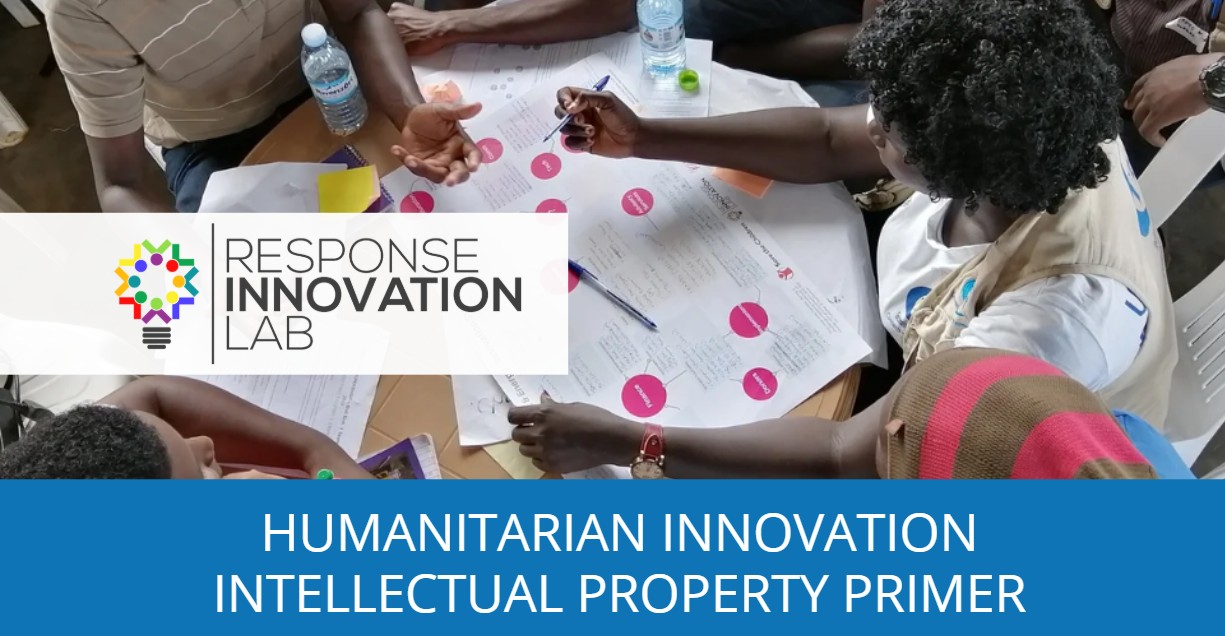
Most innovation projects build partnerships and collaborations during their projects. It is important that when you are working with other individuals or organizations, you know what you are bringing to the collaboration and what you want to protect.
Our partner Field Ready Middle East published the report following the Challenge Mapping workshop under RISE Syria.
On July 14, 2026, Uganda Response Innovation Lab hosted the the second “URRI Learning Review - Challenge Mapping Convener” on the issue of land access in Fort Portal, Uganda.
On July 9, 2026, Uganda Response Innovation Lab hosted the first “URRI Learning Review - Challenge Mapping Convener” on the issue of land access in Gulu, Uganda.
This short documentary is under the Social Plastics for Economic Development project led by Response Innovation Lab, together with Engineers without Borders Norway, World Vision Somalia, and the Somali Resilience Programme (host of Somali Response Innovation Lab), with funding support from Innovation Norway.
The closeout and learning event was designed as a learning, dialogue, and exhibition platform to synthesize evidence from the FIRM pilots and the broader financing ecosystem review, while shaping practical scale-up pathways for innovative financing in Somalia The event aimed to strengthen multi-stakeholder alignment around innovative financing, highlight Somali-led solutions, inform future programming, and generate actionable learning products and policy recommendations.
If we do not actively encourage those among us that we can label as innovators or agents of change, then we will always end up with the same results. This guide is a starting point, for all that are responsible for producing innovation within their teams, and those who wish to see the creation of a new way of thinking.
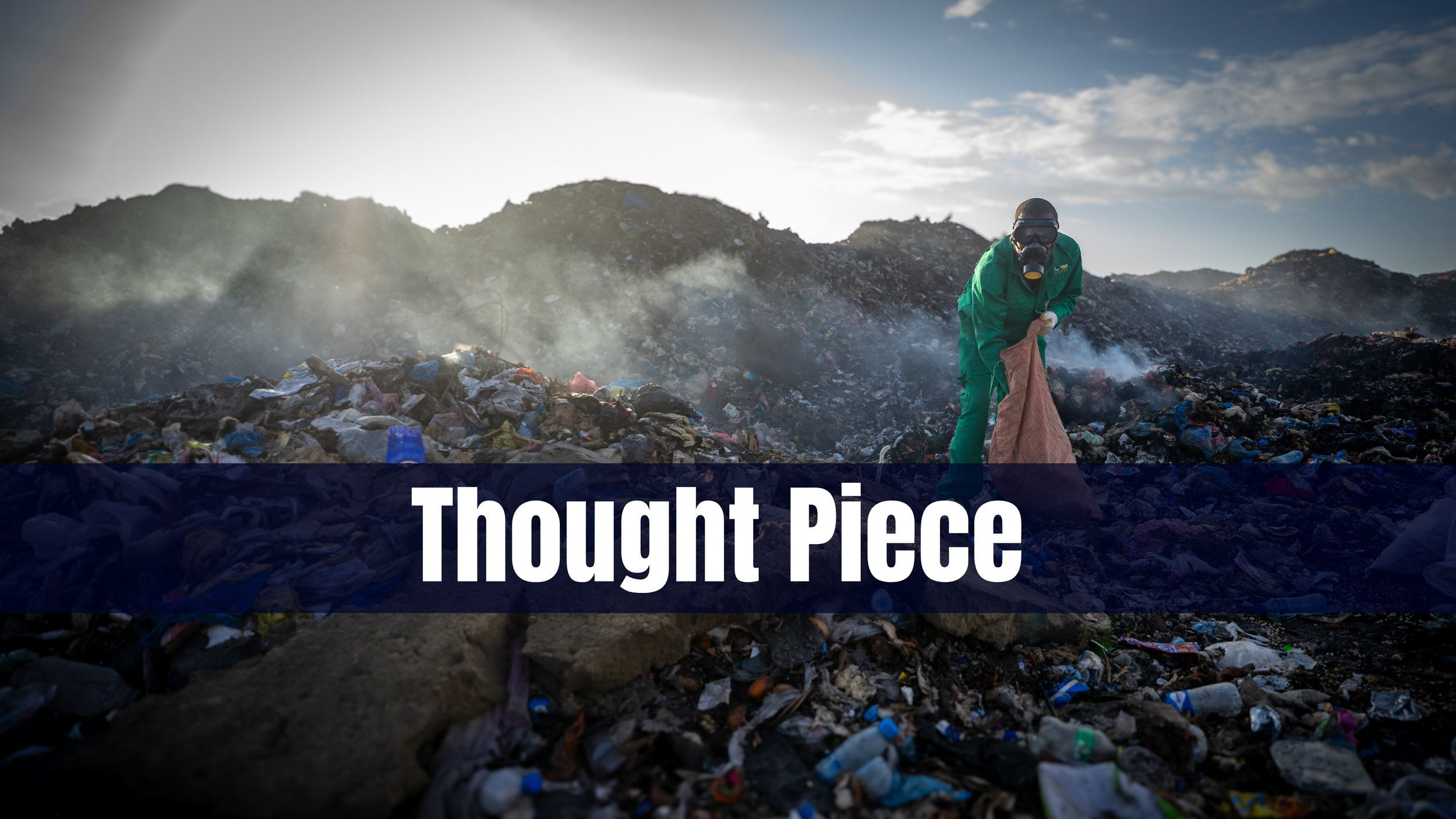
Brought to you by Liban Mohamed, a thought piece reflecting on the livelihoods behind “messiness”.
As StartupBlink's Ecosystem Partner in Somalia and recognised as one of the "Notable Startup Ecosystem Builders", Response Innovation Lab remains committed to deepening our collaboration with the private sector and the local innovation community—working together to build a more connected, resilient, and thriving ecosystem.
We just added a new addition to our Open Resources hub: MatchMaker Solutions Packs! Free to access for all, the guidebook helping organisations and networks moving from “we have a challenge” to “here’s what we can test and try”.
On 7 May 2026, the Uganda Response Innovation Lab (U-RIL) organised the Innovative Financing Convener.
On Tuesday, 5 May 2026, the Response Innovation Lab (RIL) hosted a special edition of its Thoughtcast series in Amman, focusing on analysing challenges within the agricultural sector as an entry point for developing practical, context-driven solutions. The session brought together stakeholders from across the agricultural ecosystem for a more targeted and focused discussion.
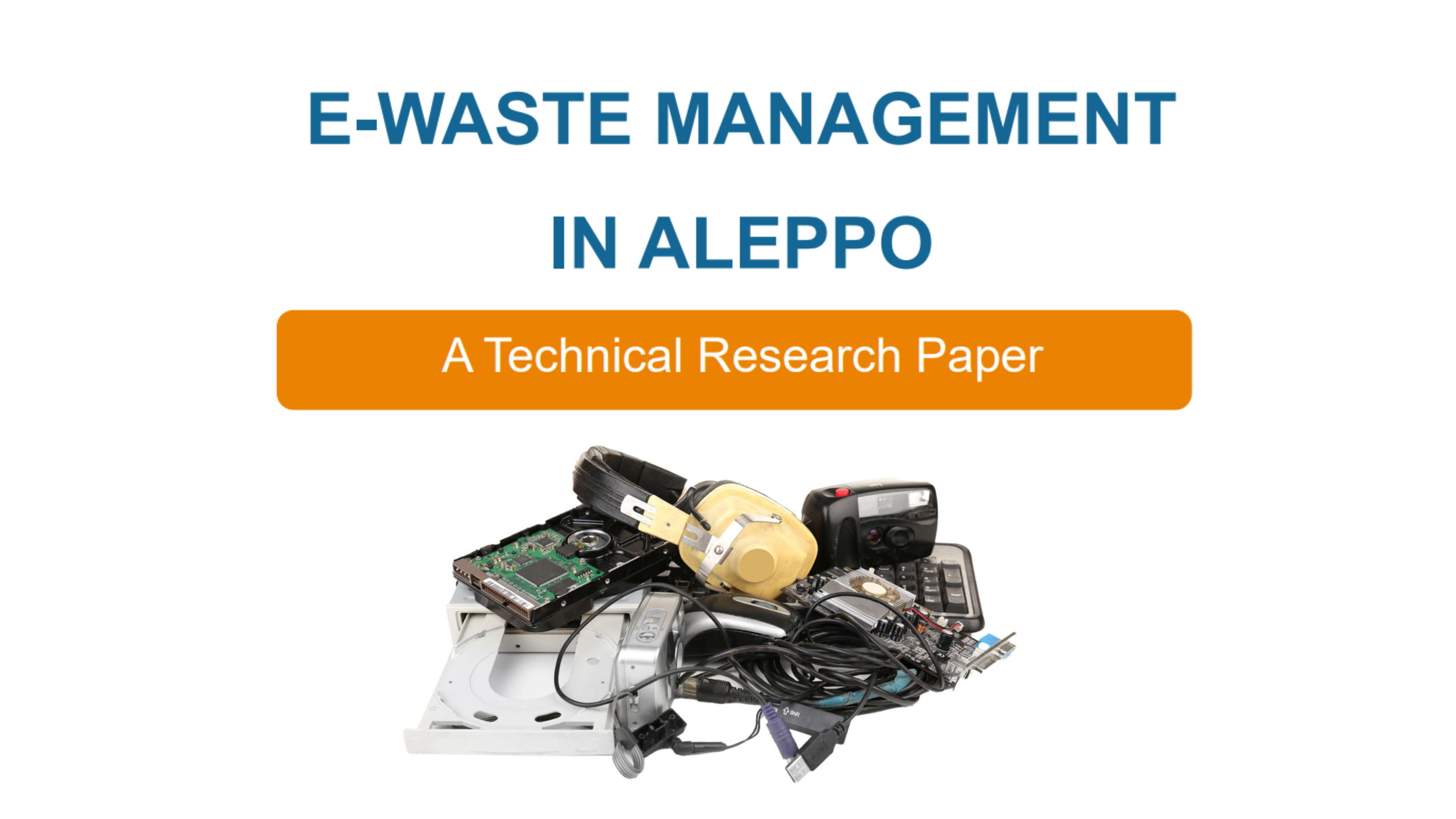
This report sheds light on the issue of electronic waste in the city of Aleppo, Syria, with a focus on the current situation and its environmental and social impacts. It attempts to estimate e-waste quantities and examine existing collection and treatment practices. It should be noted that detailed, city-level data—particularly for Aleppo—are scarce or unavailable, although indicative estimates exist, such as an average of approximately 4.6 kg of electronic devices available per capita in the market.
U-Learn, together with Rwanga Foundation, ALNAP, the Humanitarian Library and Shelter Center, co-hosted a webinar on learning, innovation, and evidence uptake in humanitarian contexts. The webinar aimed to share practical approaches to strengthening learning and evidence uptake in humanitarian and refugee responses. Check out the webinar recording and relevant resources!
Our annual review for 2025 is finally here. The year witnessed significant disruptions across the humanitarian sector, yet our global network continued to explore—through relentless effort and commitment—how to do more with less.
At this year’s #HNPW, we hosted a session on March 5 reflecting on a decade of humanitarian innovation, bringing together perspectives from practitioners, innovators, and ecosystem actors across different regions.
Jordan’s humanitarian landscape is under growing pressure, with rising needs, shrinking funding, and a continued reliance on short-term interventions. In this context, finding ways to deliver impact more efficiently, locally, and sustainably has become increasingly urgent.
On January 6, the Somali Response Innovation Lab (SomRIL) hosted a national-level Humanitarian Research & Innovation Futures Consultation in Mogadishu , convening a diverse cross-section of Somalia’s humanitarian ecosystem to collectively shape a forward-looking, nationally grounded agenda for humanitarian research and innovation.
Using Elhra’s Humanitarian Research & Innovation Futures Toolkit, the consultation applied strategic foresight methods to examine key drivers of change, surface critical uncertainties, and stress-test existing humanitarian approaches—ensuring future responses remain adaptive, evidence-driven, and locally relevant.
RIL Q&A
-
RIL is not an NGO – we are a collaborative initiative between Civic, World Vision International, Oxfam International, Save the Children International and Danish Refugee Council. RIL is not a registered entity. The Central Support Unit is hosted by Civic, while Uganda country lab by Save the Children and Somali & Syria county labs by World Vision. In general, the administrative and financial management is handled through these host organizations.
-
RIL works as a decentralized network, not a single central organization. Each Response Lab is run by one of RIL’s global member organizations through its country office.
For example, Uganda Response Innovation Lab is hosted and managed by Save the Children Uganda who hires and oversees staff, raises and manages funding, and sets its priorities in line with RIL’s Global Strategy.
A small Central Support Unit, hosted by Civic, provides overall coordination under the governance and strategic oversight of an Executive Committee. Led by a Global Director, a Regional Manager, and an Outreach Officer, it supports the Country Labs and Affiliate Facilities, helps mobilize resources and partnerships, coordinates global and regional events, and maintains shared systems like the RIL website and tools.
-
RIL is funded entirely through grants and paid service contracts. Most funding is raised by individual Country Labs through their host organizations, such as World Vision, and Save the Children.
The Central Support Unit is funded by providing technical support to the Country Labs—covered within their grants—and through a small number of paid services offered to partners under our RIL4U (consulting & training services).
Who & How we can support
-
We provide free resources to support your humanitarian innovation journey, from ideation to scaling and impact measurement
We host Challenges Calls, training bootcamps, and other initiatives in our regions of operation – follow us on LinkedIn (recommend), Facebook, and X to stay informed!
-
We help you identify localization risks and opportunities and co-define challenges through facilitated conveners.
Examples: a project supporting Oxfam with humanitarian system transformation through local humanitarian leadership; a Challenge Mapping workshop in Indonesia
We provide guidance to help you decide whether to adapt, adopt, or develop new solutions.
Example: training for DRC (on Page 31)
-
We offer consulting services to help you navigate key priorities and challenges.
We design and deliver tailored training programs on humanitarian innovation and how to support it
We facilitate workshops to support you in exploring the future of humanitarian research & innovation
Examples: some insights from our Futures & Foresight workshops in Uganda and Somalia
-
We facilitate matchmaking and connections between different actors to work together, such as solution providers and humanitarian organisations, or funders and implementers/innovators.
We share the evidence and learnings from our work to support knowledge exchange and collective sensemaking for systemic change.
Another special edition of #Thoughtcast in Jordan with the agriculture community.