SomRIL | Surprise Soap Training: Strengthening Local Manufacturing and Women-Led Enterprise
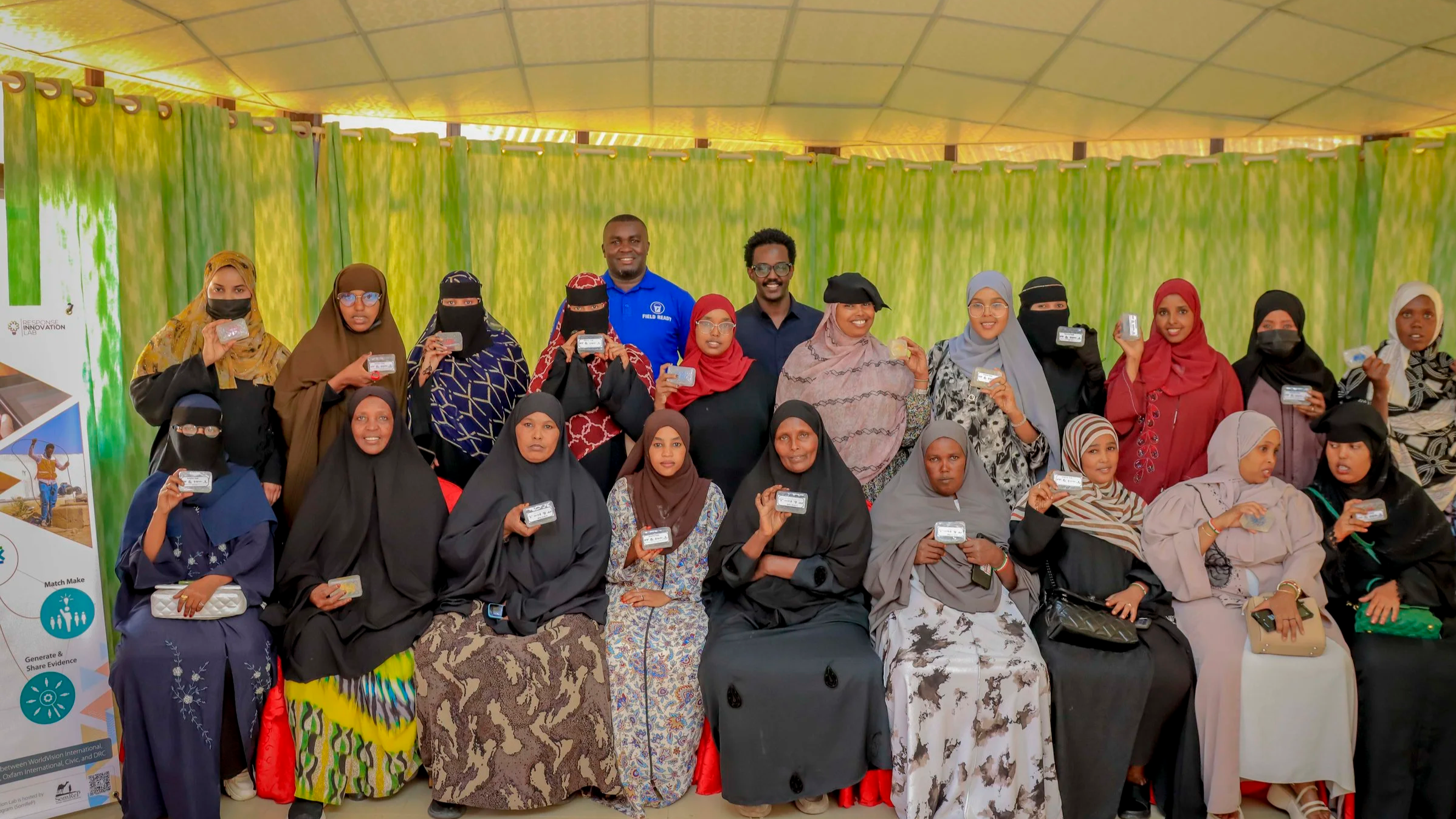
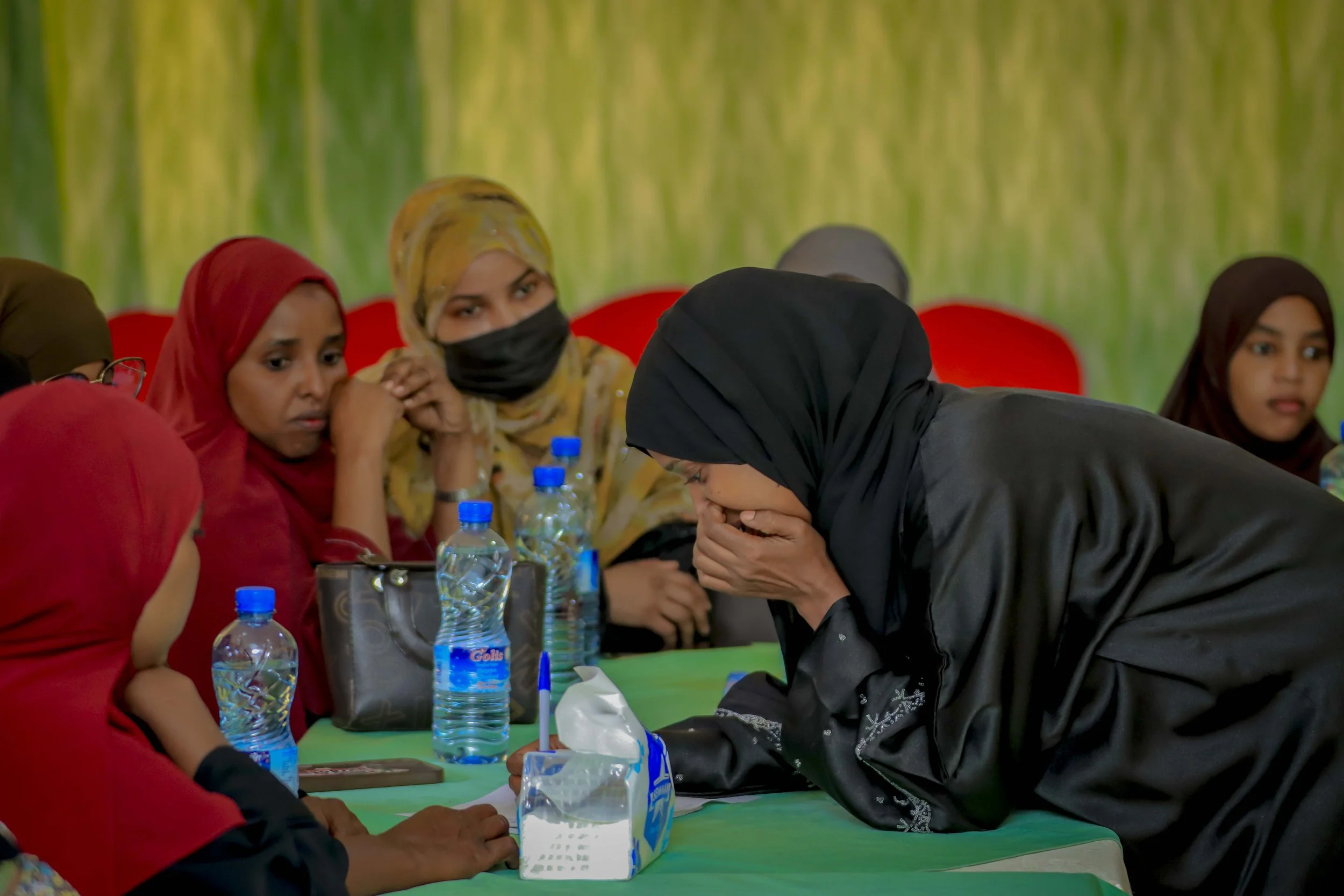
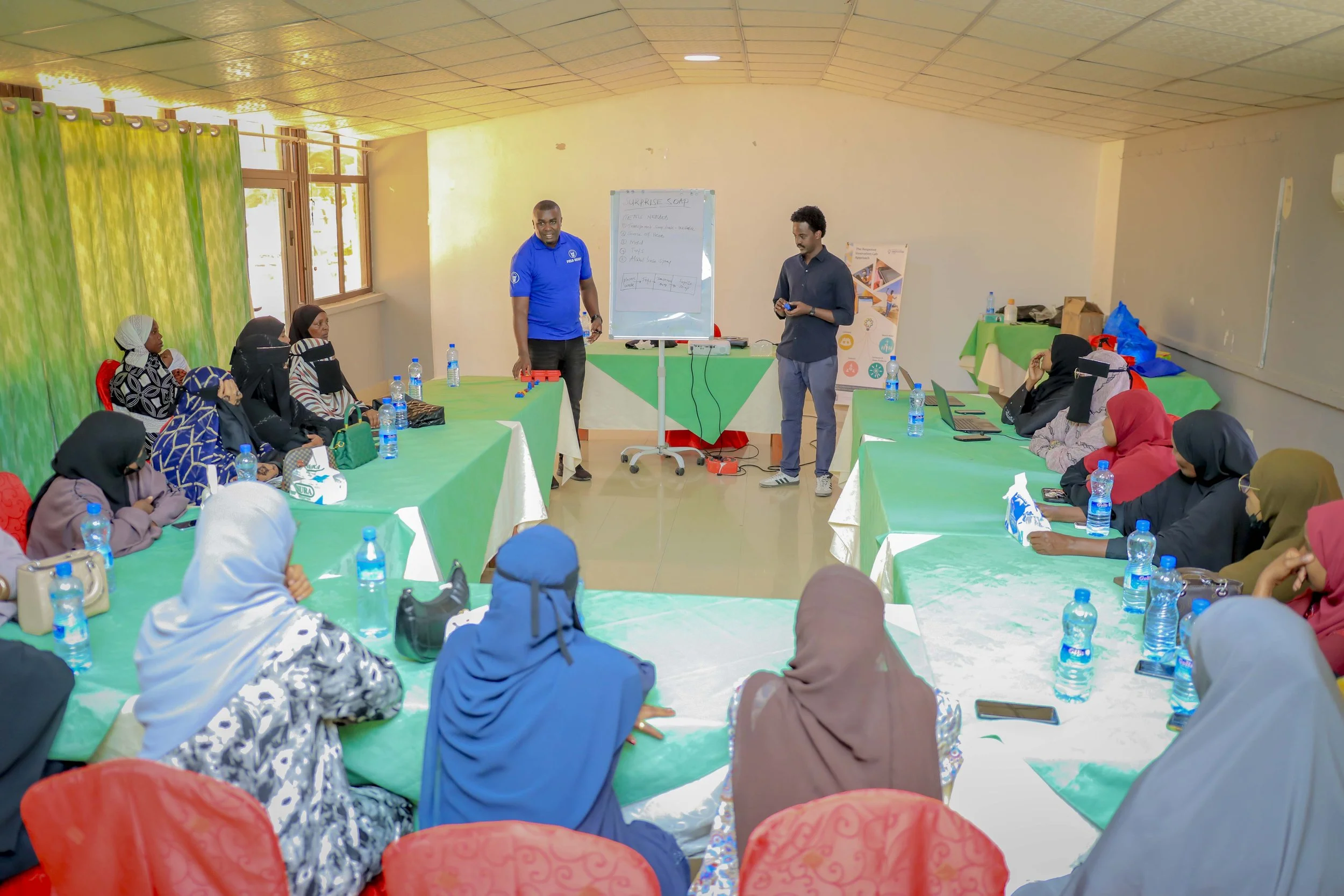
The Somali Response Innovation Lab (SomRIL), in collaboration with Field Ready funded by Australian Aid, delivered a practical training on Surprise Soap production for 20 women entrepreneurs in Hargeisa, Somaliland combining technical skills development with a broader ambition to strengthen local manufacturing capacity for humanitarian and essential products.
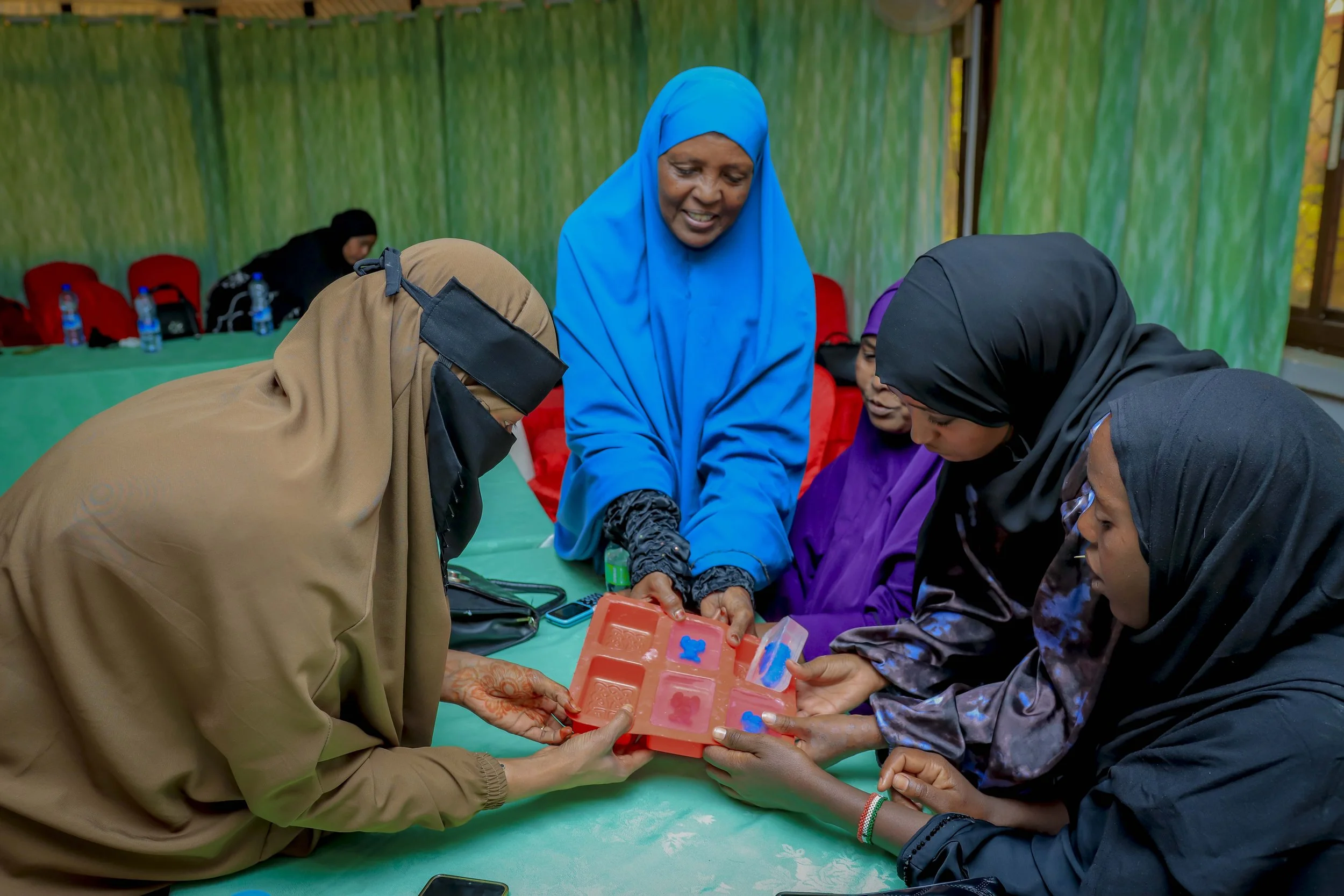
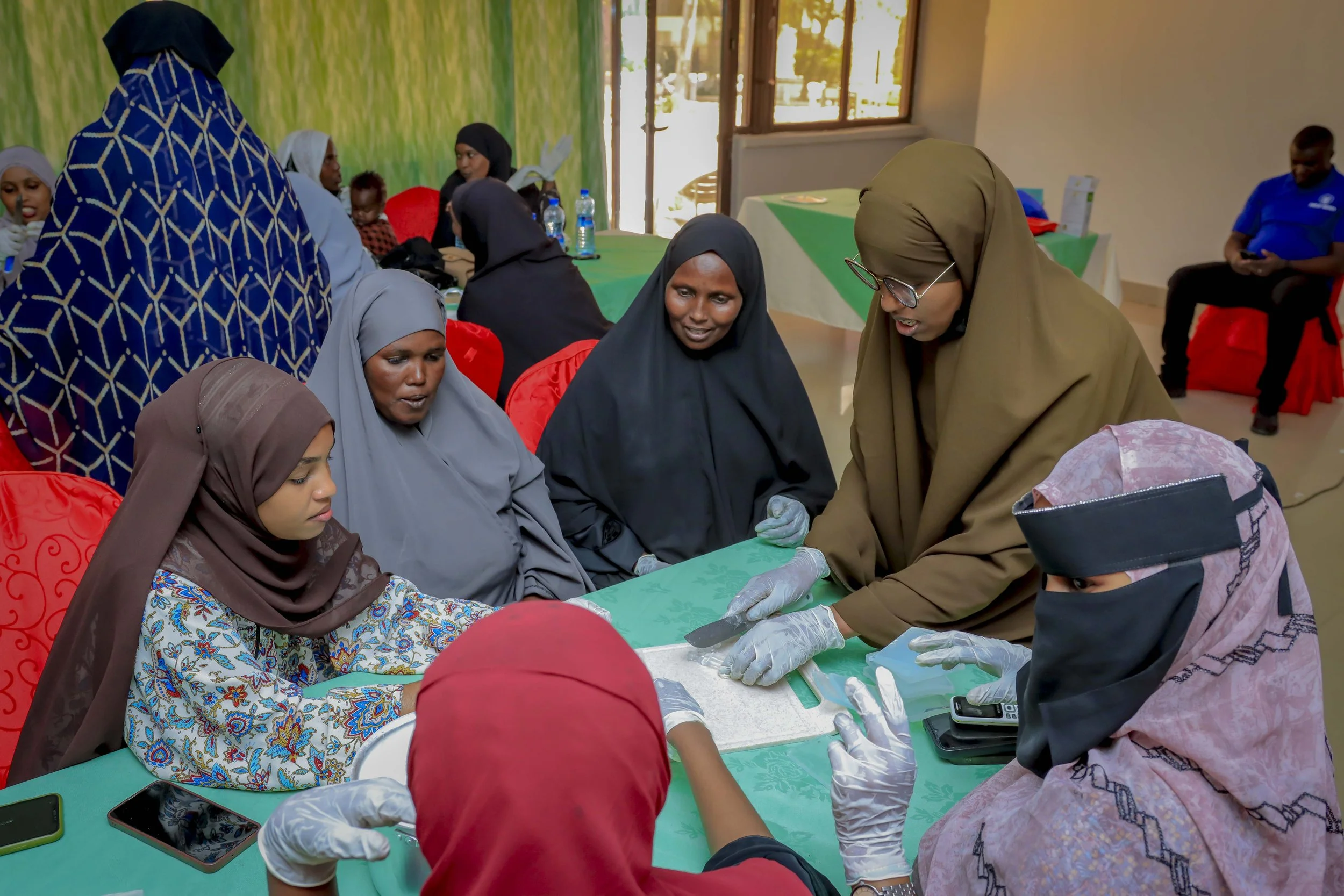
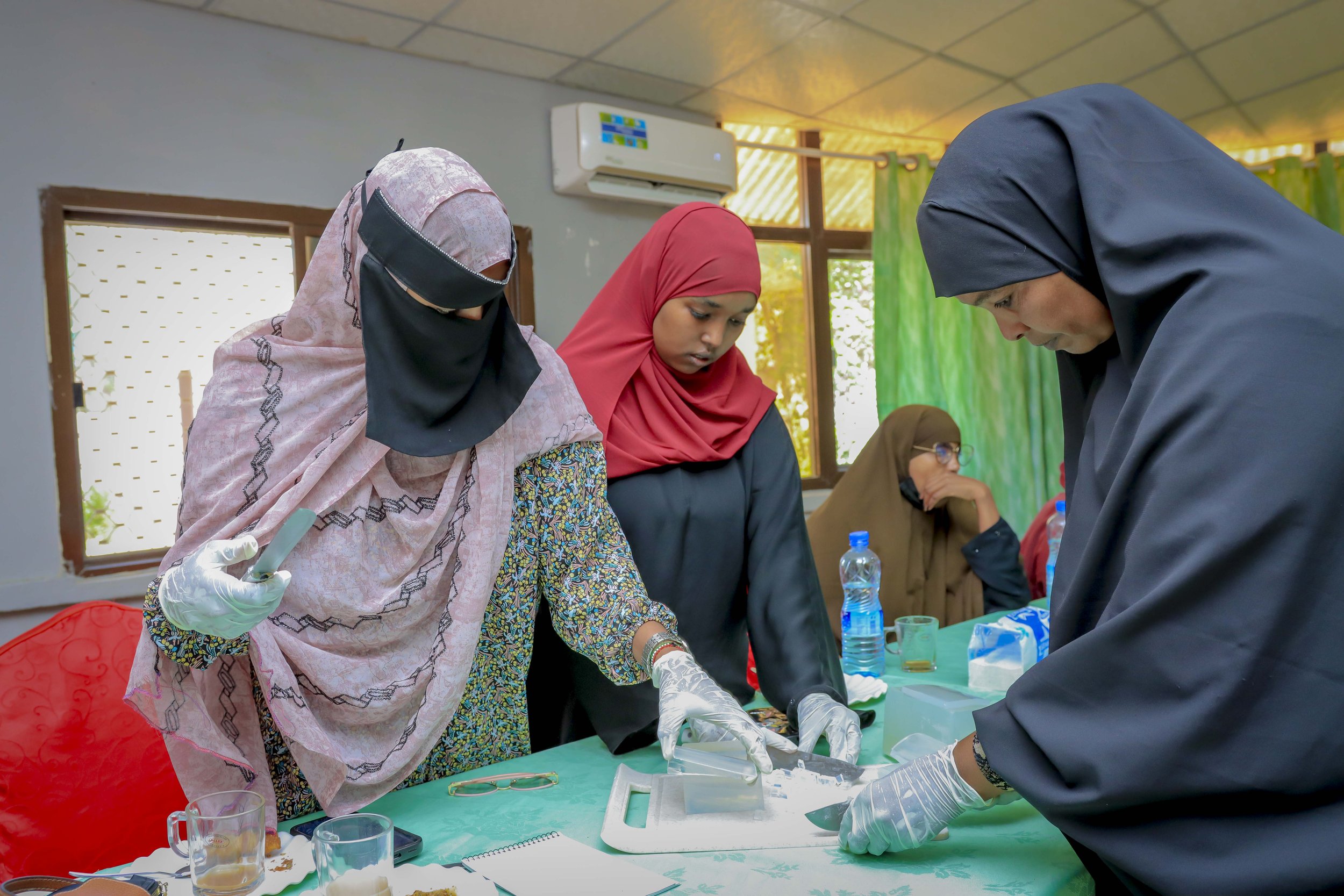
The training introduced participants to the full Surprise Soap production process through practical demonstrations and hands-on learning. Participants were taken through key production steps, including preparing and melting the soap base, inserting small toys, molding, cooling, packaging, and maintaining appropriate quality and safety standards.
An important feature of the initiative was its connection to the local circular economy. The small toys inserted inside the Surprise Soap were produced locally from recycled plastic waste by a local plastic recycler, demonstrating how locally recovered materials can be transformed into useful inputs for new products. Technical support, including injection moulding equipment and molds, helped strengthen the recycler’s capacity to manufacture the toy inserts locally. This created an important linkage between plastic waste recovery, local manufacturing, and women-led enterprise.
Beyond developing individual skills, the initiative forms part of SomRIL’s wider effort to explore how more humanitarian essential items can be manufactured and sourced locally. Surprise Soap provides a practical example of how local production can respond simultaneously to humanitarian needs, livelihood creation, environmental sustainability, and market development.
The training also explored the commercial side of production, including input availability, production costs, pricing, packaging, and potential markets. Participants provided valuable feedback on how the product and production process could be adapted to local conditions, including the need for improved molds, more efficient production methods, reliable access to soap-making materials, locally available inputs, and appropriate protective equipment and business starter kits were provided to female trainess to locally manufacture the surprise soap.
A key next step for SomRIL is to help bridge the gap between women-led producers and humanitarian market demand. SomRIL is exploring linkages between the participating female entrepreneurs and humanitarian organizations that could potentially serve as off-takers for Surprise Soap and other WASH-related products. Such linkages could provide a more predictable market for locally manufactured products while enabling humanitarian agencies to increasingly source selected supplies closer to the communities they serve.
Through this approach, SomRIL aims to move beyond one-off training and support a broader local manufacturing ecosystem, connecting women entrepreneurs, local recyclers, technical partners, and humanitarian buyers. The ambition is to demonstrate how humanitarian demand can help stimulate local production, create livelihoods, reduce reliance on imported products, and generate greater value from locally available resources, including recycled plastic waste.
Key Highlights
20 female entrepreneurs received hands-on training in Surprise Soap production and starter kits.
Participants developed practical skills in production, packaging, safety, and quality control.
Toy inserts were locally manufactured from recycled plastic waste, strengthening the circular economy dimension of the initiative.
Technical support, including injection moulding equipment and molds, supported local production capacity.
The initiative contributes to SomRIL’s broader ambition to increase local manufacturing and sourcing of humanitarian essential items.
SomRIL is working to connect participating women entrepreneurs with humanitarian organizations as potential off-takers, particularly for WASH-related products.
The initiative is testing a pathway linking recycling, local manufacturing, women-led enterprise, and humanitarian procurement.