
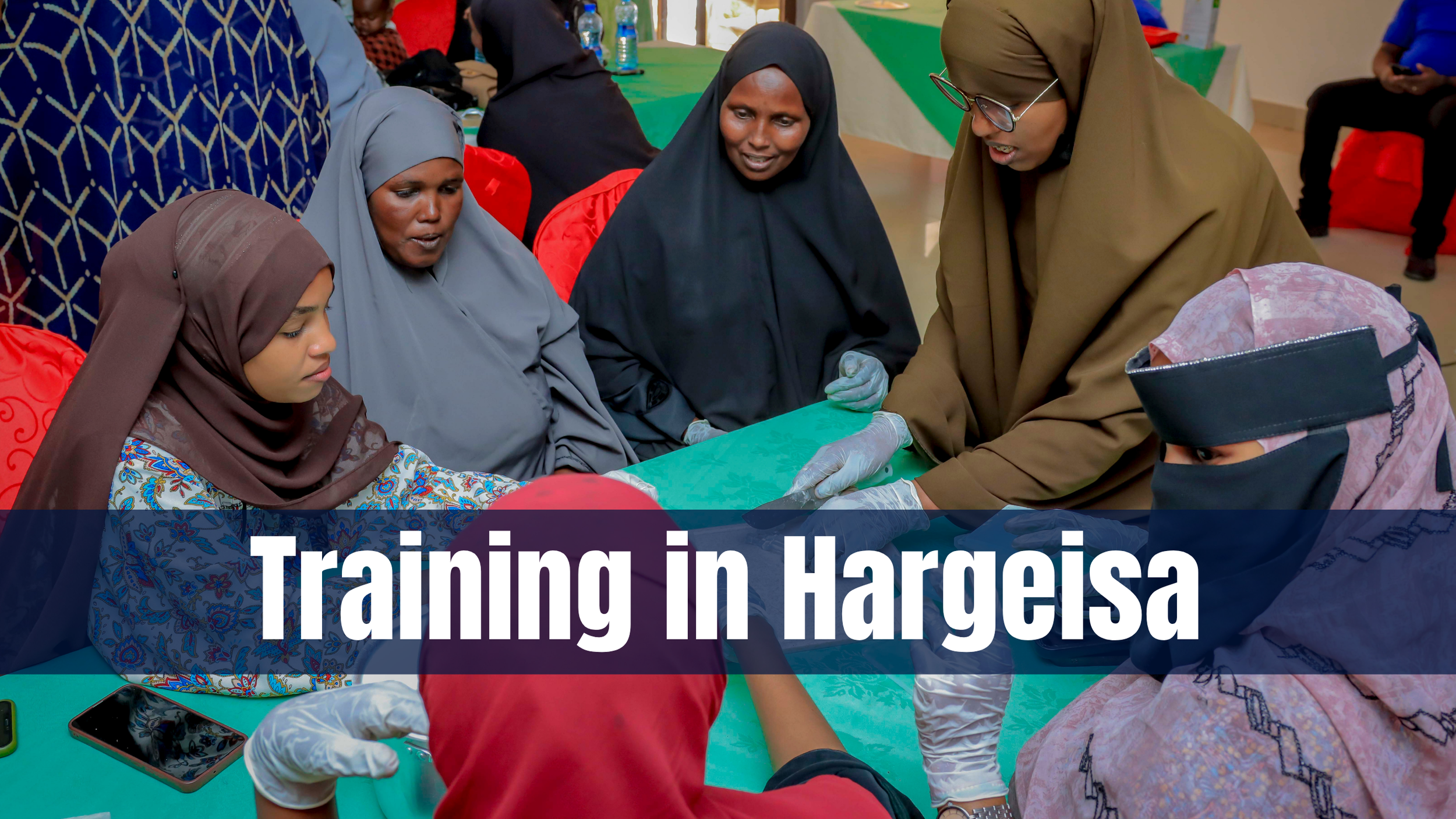
SomRIL | Surprise Soap Training: Strengthening Local Manufacturing and Women-Led Enterprise
The Somali Response Innovation Lab (SomRIL), in collaboration with Field Ready funded by Australian Aid, delivered a practical training on Surprise Soap production for 20 women entreprenuers in Hargeisa, Somaliland combining technical skills development with a broader ambition to strengthen local manufacturing capacity for humanitarian and essential products.
#RILPlasticsStories in Hargeisa No.6: The Collective Power to Better Plastic Waste Management
No.6 of the #RILPlasticsStories campaign.
#RILPlasticsStories in Hargeisa No.5:What Makes Plastic Recovery Work
No.5 of the #RILPlasticsStories campaign.
#RILPlasticsStories in Hargeisa No.4:What Businesses Are Throwing Away
No.4 of the #RILPlasticsStories campaign.
#RILPlasticsStories in Hargeisa No.3:Reframe the Stories of Waste Pickers
No.3 of the #RILPlasticsStories campaign.
#RILPlasticsStories in Hargeisa No.2:“Plastic has value. So do the people recovering it.”
No.2 of the #RILPlasticsStories campaign.
#RILPlasticsStories in Hargeisa No.1: Why Should We Care?
No.1 of the #RILPlasticsStories campaign.
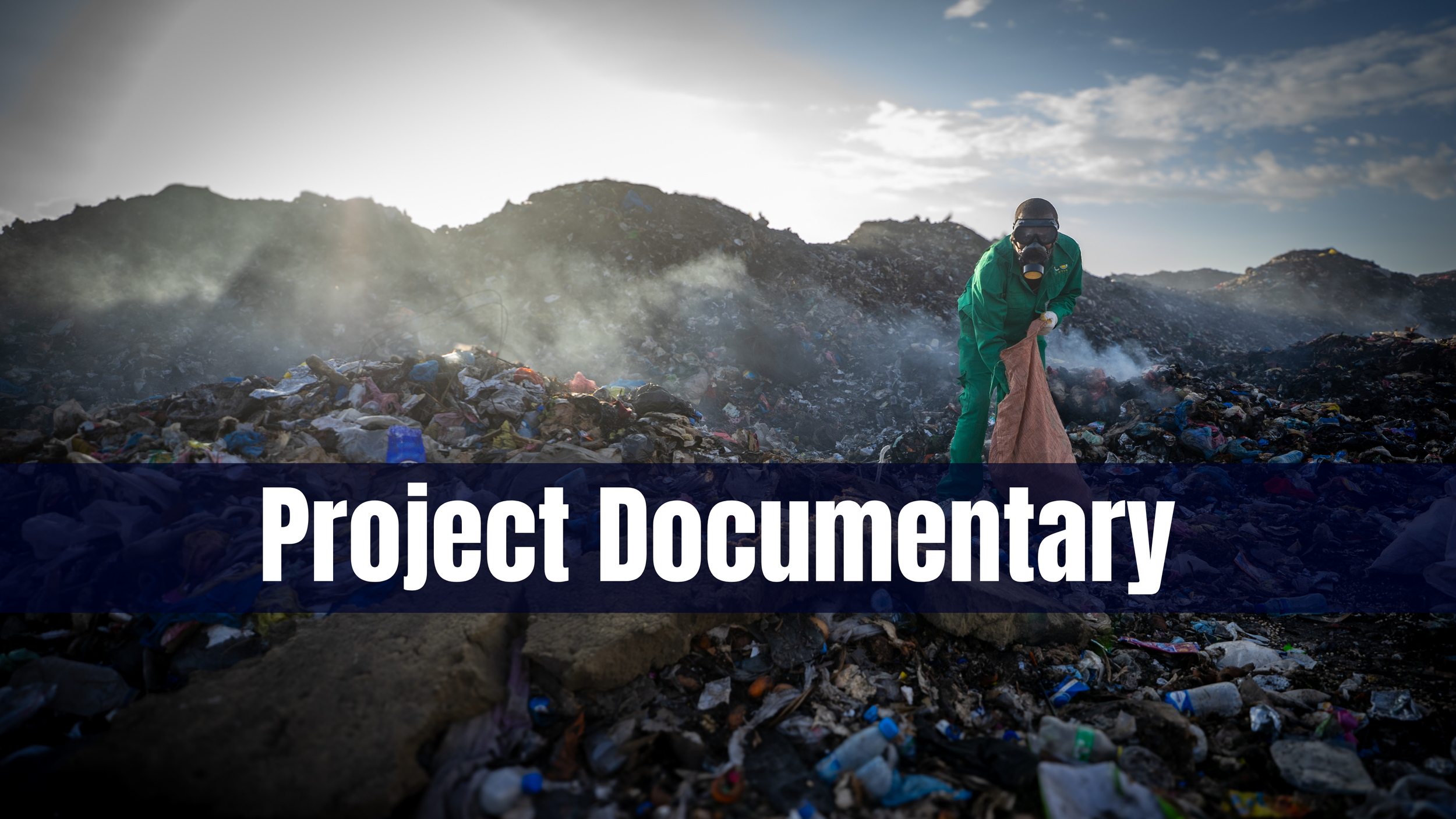
SomRIL | Project Documentary: Turning Waste into Value
This short documentary is under the Social Plastics for Economic Development project led by Response Innovation Lab, together with Engineers without Borders Norway, World Vision Somalia, and the Somali Resilience Programme (host of Somali Response Innovation Lab), with funding support from Innovation Norway.
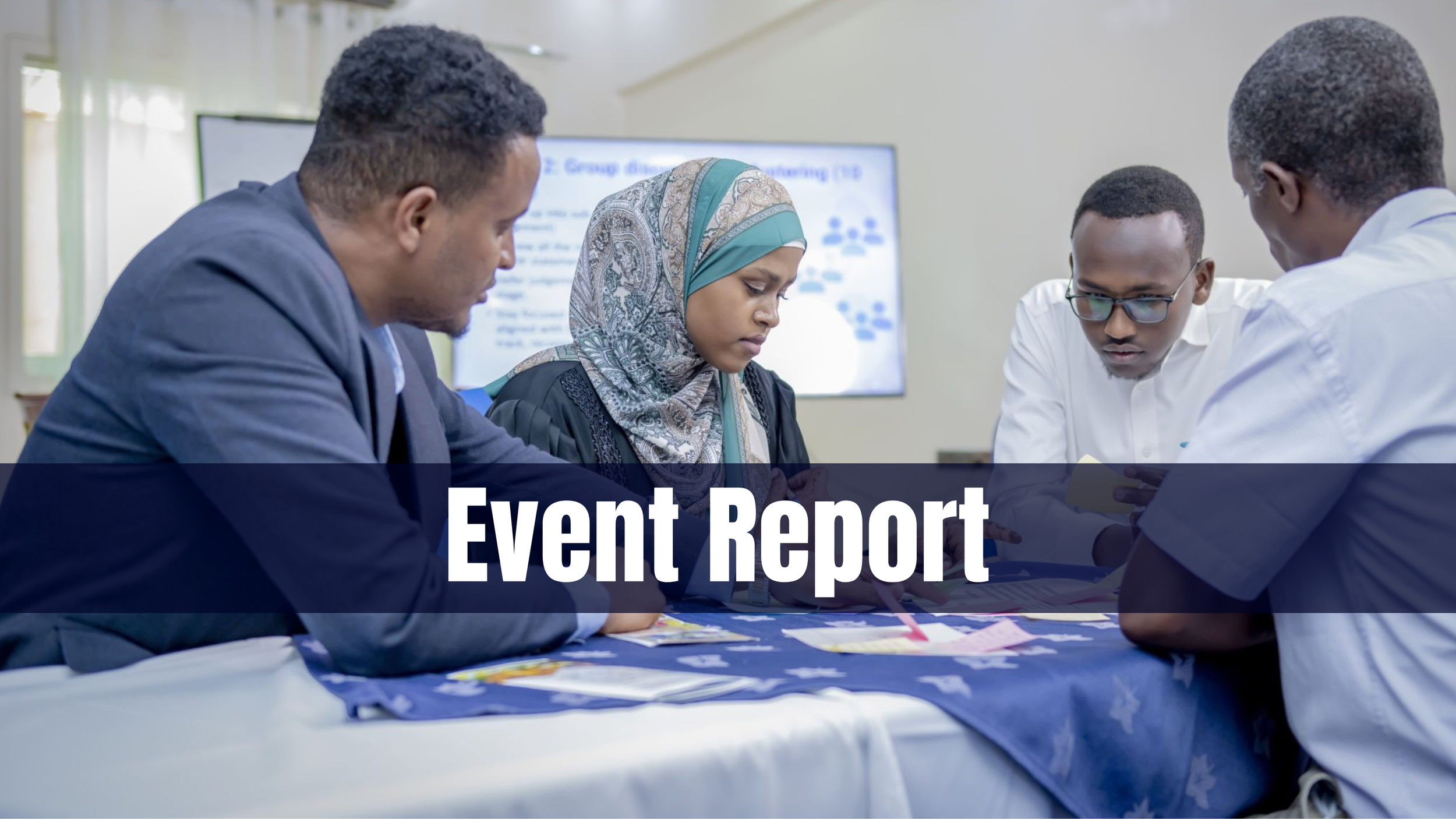
SomRIL | Insights from the FIRM Learning Event
The closeout and learning event was designed as a learning, dialogue, and exhibition platform to synthesize evidence from the FIRM pilots and the broader financing ecosystem review, while shaping practical scale-up pathways for innovative financing in Somalia The event aimed to strengthen multi-stakeholder alignment around innovative financing, highlight Somali-led solutions, inform future programming, and generate actionable learning products and policy recommendations.
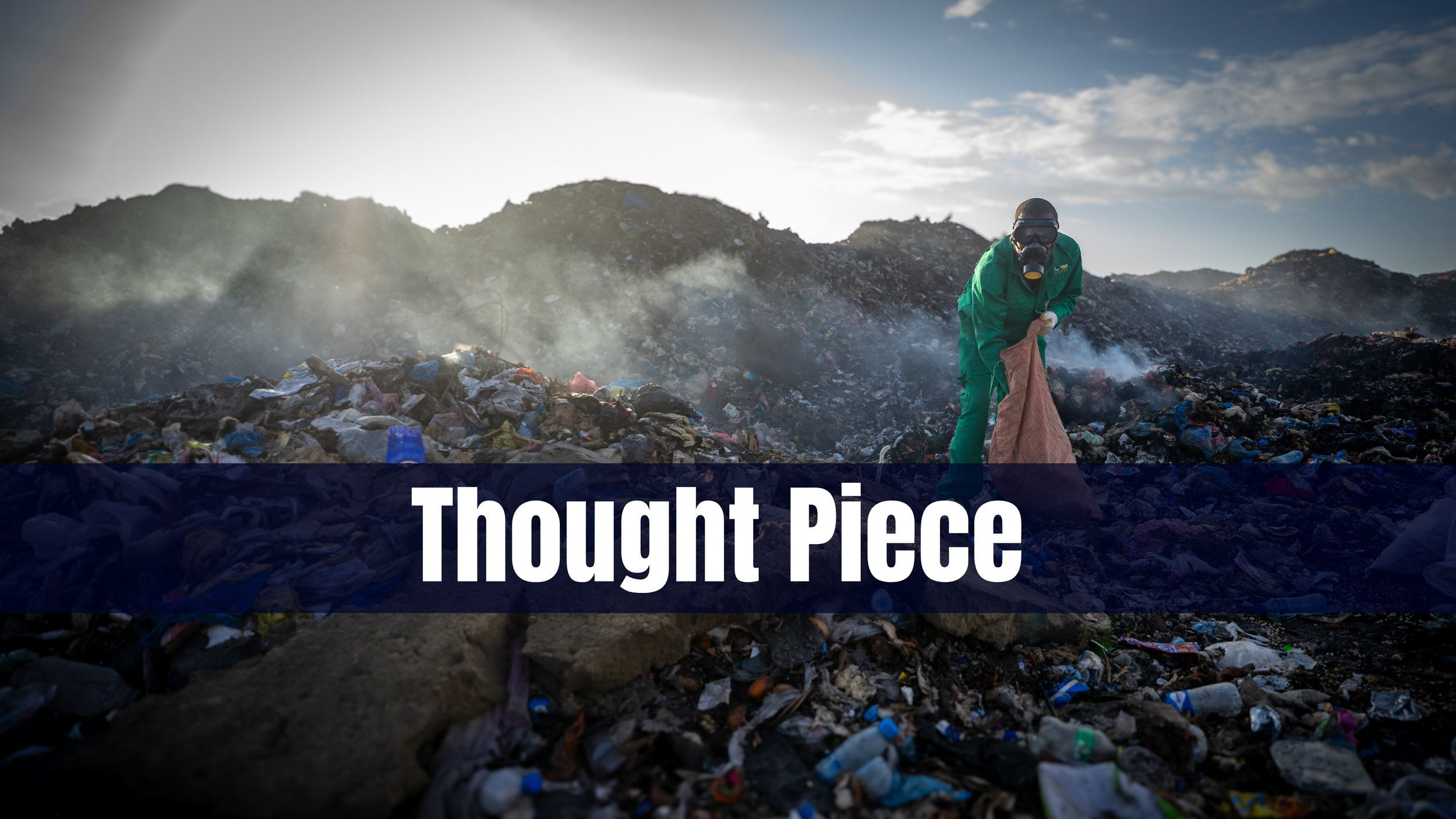
Organizing the Mess: System Innovation in Fragile and Resource-Constrained Contexts
Brought to you by Liban Mohamed, a thought piece reflecting on the livelihoods behind “messiness”.
Partner Resource | Global Startup Ecosystem Index 2026 by StartUp Blink
As StartupBlink's Ecosystem Partner in Somalia and recognised as one of the "Notable Startup Ecosystem Builders", Response Innovation Lab remains committed to deepening our collaboration with the private sector and the local innovation community—working together to build a more connected, resilient, and thriving ecosystem.
RIL Newsletter is launching soon!
RIL Newsletter brings you more than updates. Sign up today to find out!
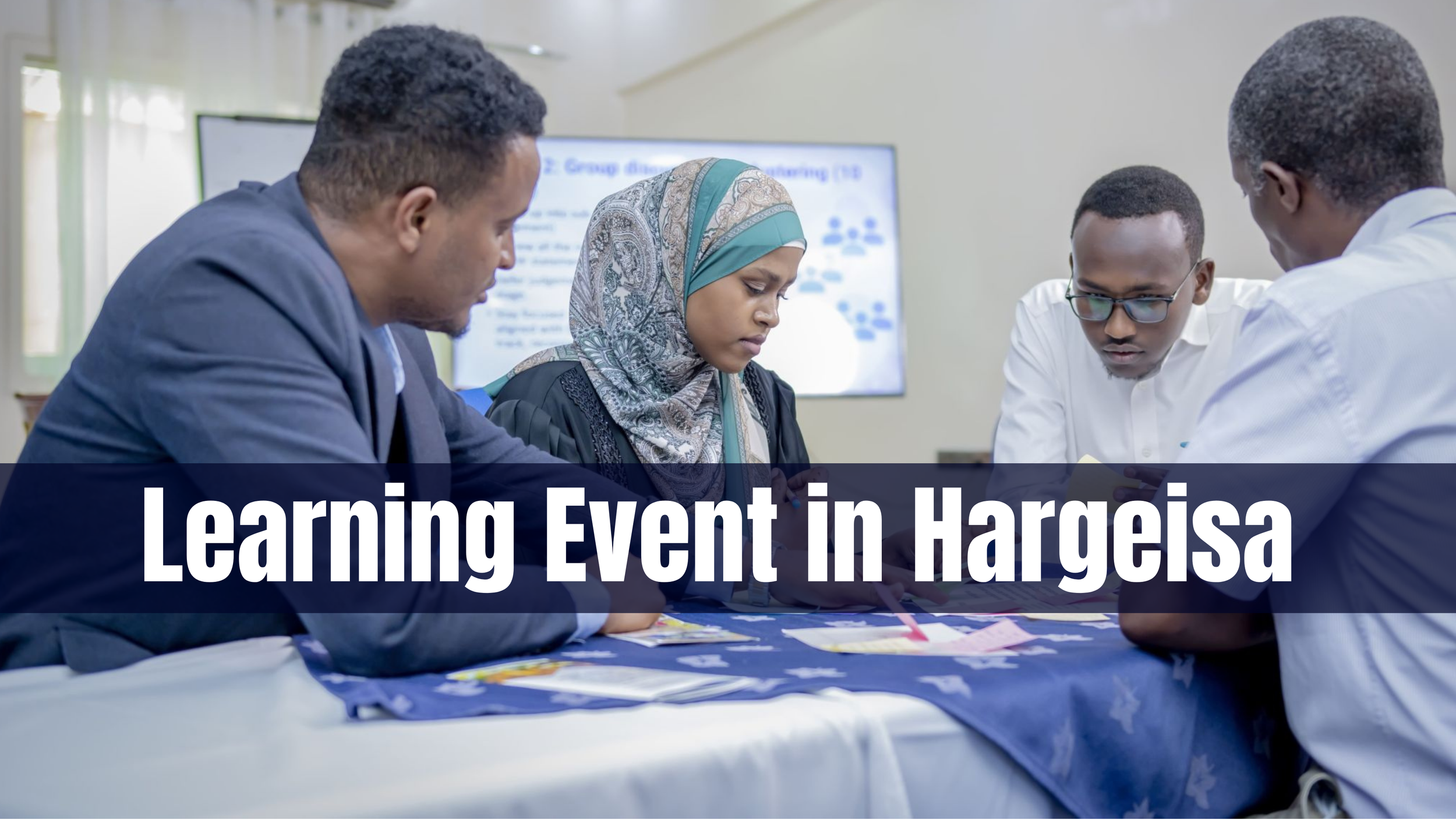
SomRIL | Learning Event for Financial Innovation and Resource Mobilization Project
Somali Response Innovation in collaboration with ADRA, successfully hosted the Financial Innovation and Resource Mobilization project’s (FIRM) Learning Event, funded by Innovation Norway, under the theme “From Pilot to Practice: Innovative Financing—Promoting Locally Led, Impact-Driven Co-Creation on Evidence and Transitioning Innovations to Market-Wide Application.”
Year in Review 2025: Navigating Disruptions, Doing More with Less
Our annual review for 2025 is finally here. The year witnessed significant disruptions across the humanitarian sector, yet our global network continued to explore—through relentless effort and commitment—how to do more with less.
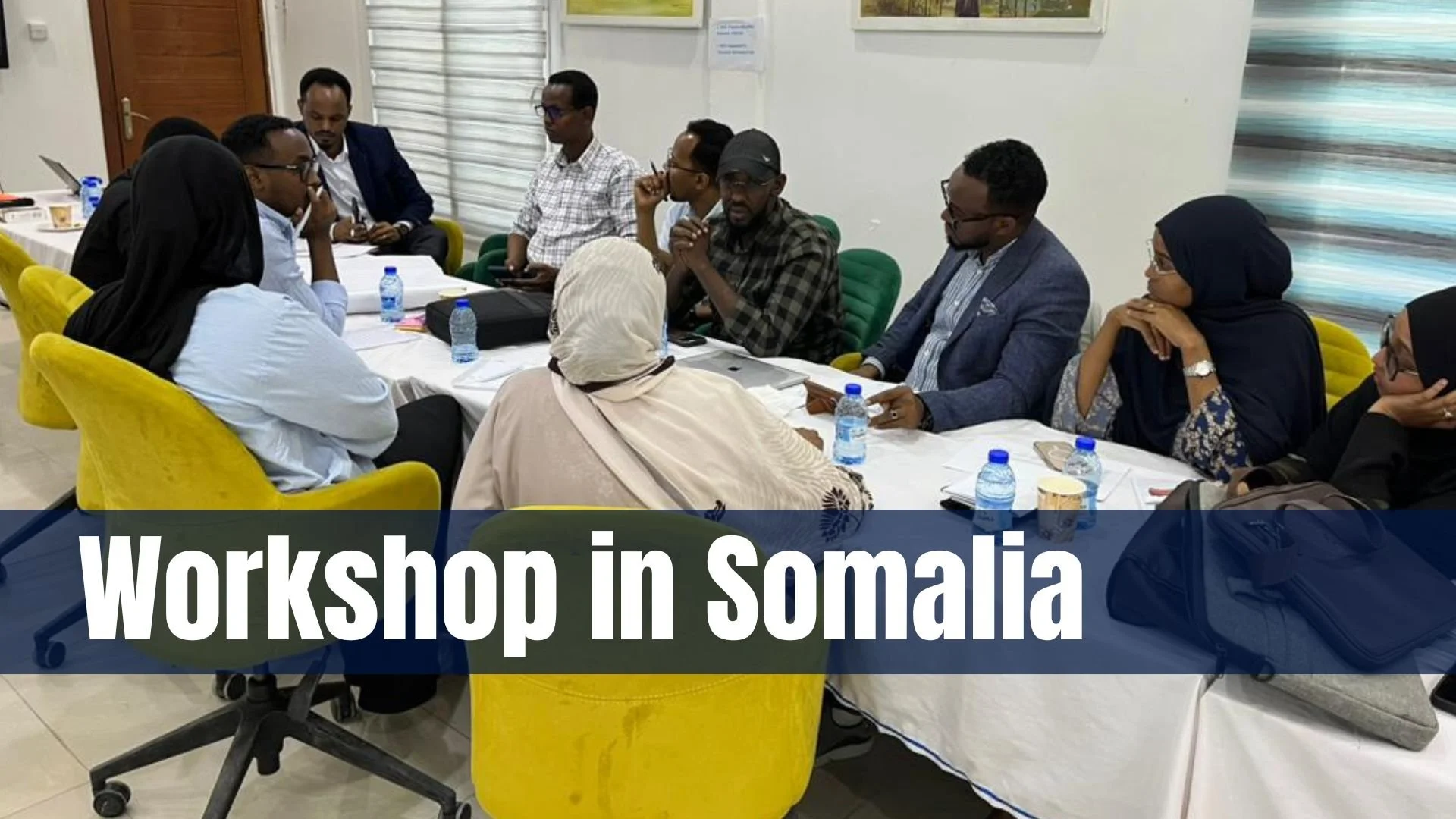
Insights from Somalia | Workshop on Humanitarian Research & Innovation Futures
On January 6, the Somali Response Innovation Lab (SomRIL) hosted a national-level Humanitarian Research & Innovation Futures Consultation in Mogadishu , convening a diverse cross-section of Somalia’s humanitarian ecosystem to collectively shape a forward-looking, nationally grounded agenda for humanitarian research and innovation.
Using Elhra’s Humanitarian Research & Innovation Futures Toolkit, the consultation applied strategic foresight methods to examine key drivers of change, surface critical uncertainties, and stress-test existing humanitarian approaches—ensuring future responses remain adaptive, evidence-driven, and locally relevant.
#PostRILx25 | Reflections on Building Local Humanitarian Innovation Ecosystem by Hana Kaise Abdi
Bilow Capital is an innovation project supported by the Somali Response Innovation Lab through the FIRM Challenge 2024. In this piece, Co-founder and General Partner Hana Kaise Abdi—also a speaker at RILx25 on the “Local Innovation Ecosystems” panel—shares her insights on what it takes for a local innovation ecosystem to truly thrive.

Watch the Impact Stories! | IGNITE Food Systems Challenge Demo Day Recording
Watch the recording of the IGNITE Food Systems Challenge Demo Day to hear from the innovators: an opportunity for you to take away the lessons learned from our community innovators and gain insights on Somalia’s food systems!

Somalia Reclaims Its Place in the StartupBlink Global Startup Ecosystem Index Top 100
As StartupBlink’s Ecosystem Partner, Somali Response Innovation Lab is happy to share that Somalia reclaims its spot in the Global Top 100 Startup Ecosystem, ranked by StartupBlink in 2025. Somalia now ranks 13th place in Africa and 4th in Eastern Africa!

RIL 2024 Year in Review
The highlights of Response Innovation Lab’s 2024, across the globe.

Impact Video | RIL x OGOW Health
Watch the impact video telling the story of OGOW Health - supported by RIL - and how it contributes to heath care in Somalia.