

RIL Newsletter is launching soon!
RIL Newsletter brings you more than updates. Sign up today to find out!

#PostRILx25 | Climate Smart Agriculture Strategies: The Case of South Sudan
Climate-smart agriculture isn’t just a buzzword — it’s a lifeline for farmers on the frontlines of climate change. In this piece from a South Sudan perspective, we explore what truly makes a solution “climate-smart,” from boosting productivity and resilience to cutting emissions and protecting natural resources. We look at which food-system actors can drive this shift, what farmers in resource-poor, climate-affected areas are actually asking for, and whether current innovations match their needs.

Community-led Capacity Strengthening for Fragile Contexts (C4FC)
In our efforts to support localization efforts, we have the privilege to lead a multi-country and multi-agency cross learning imitative. This project is working with Care Somalia and World Vision Sudan and World Vision South Sudan, 31 LNGOs from across the three countries, and Sadar Institute. The goal is to build the capacity of humanitarian LNGOs so that they are better equipped to respond. This initiative has been developing 10 curriculums that range from Community Driven Resilience, to Early Warning Systems and much more.
Click here to see the video series developed as part of the C4FC project

Support to Save the Children Sudan and its partners
Over the course of four months, the RIL Central Support Unit worked with the Save the Children Sudan Country Office to help its team and partners apply innovation processes to four challenges that they had identified.
South Sudan: Adapting Innovations for Impact
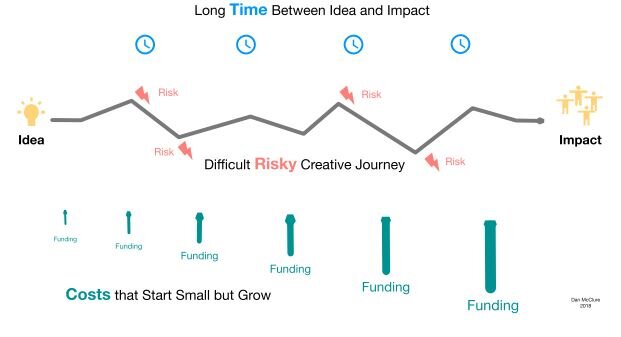
The case for innovation in the Humanitarian sector is well known, as is the importance of investing in new innovations and the need to adapt and adopt innovations that already exist to make wide-ranging improvements in people's lives. For a long-time, the focus of many humanitarian donors and organisations has been on creating new innovations in the hope of making significant change across the sector. This is an incredibly important focus, and area resources need to be allocated too. However, just as important, donors and organisations need to focus on the adoption of innovations that already work to create a significant change with people affected by the crisis.