
SomRIL | Insights from the FIRM Learning Event
The Financial Innovation and Resource Mobilisation (FIRM) is an innovation pilot project designed to support Somalia’s transition from traditional humanitarian aid toward sustainable, market-based resilience models. Through design-thinking and locally led innovation approaches, the project identified and supported financial mechanisms that empower grassroots entrepreneurs, particularly women, while unlocking new sources of capital from the Somali diaspora. The project responds to Somalia’s prolonged humanitarian crisis, where recurring climate shocks, conflict, and weak financial infrastructure have limited communities’ ability to invest in sustainable livelihoods and move beyond aid dependency.
Through FIRM, ADRA and SomRIL supported and piloted two innovative financing solutions: Bilow Capital, focused on diaspora investment and venture lab support, and Wadaag Microfinance, focused on women’s, startups and SMEs shareholder financing and collateral-free credit. These two ventures were selected following needs assessments, co-design workshops, and an innovation challenge designed to test mechanisms addressing last-mile financial inclusion.
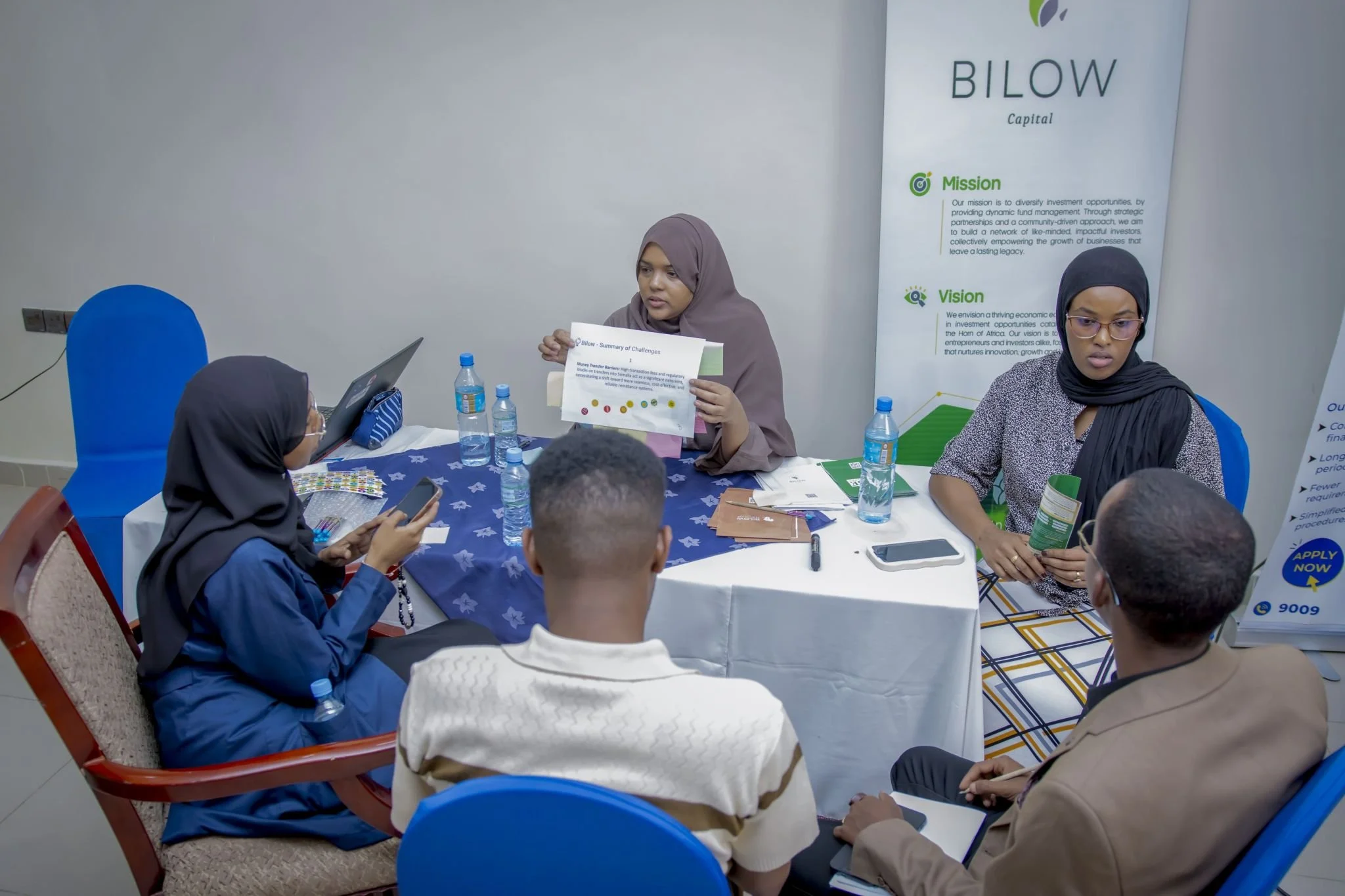
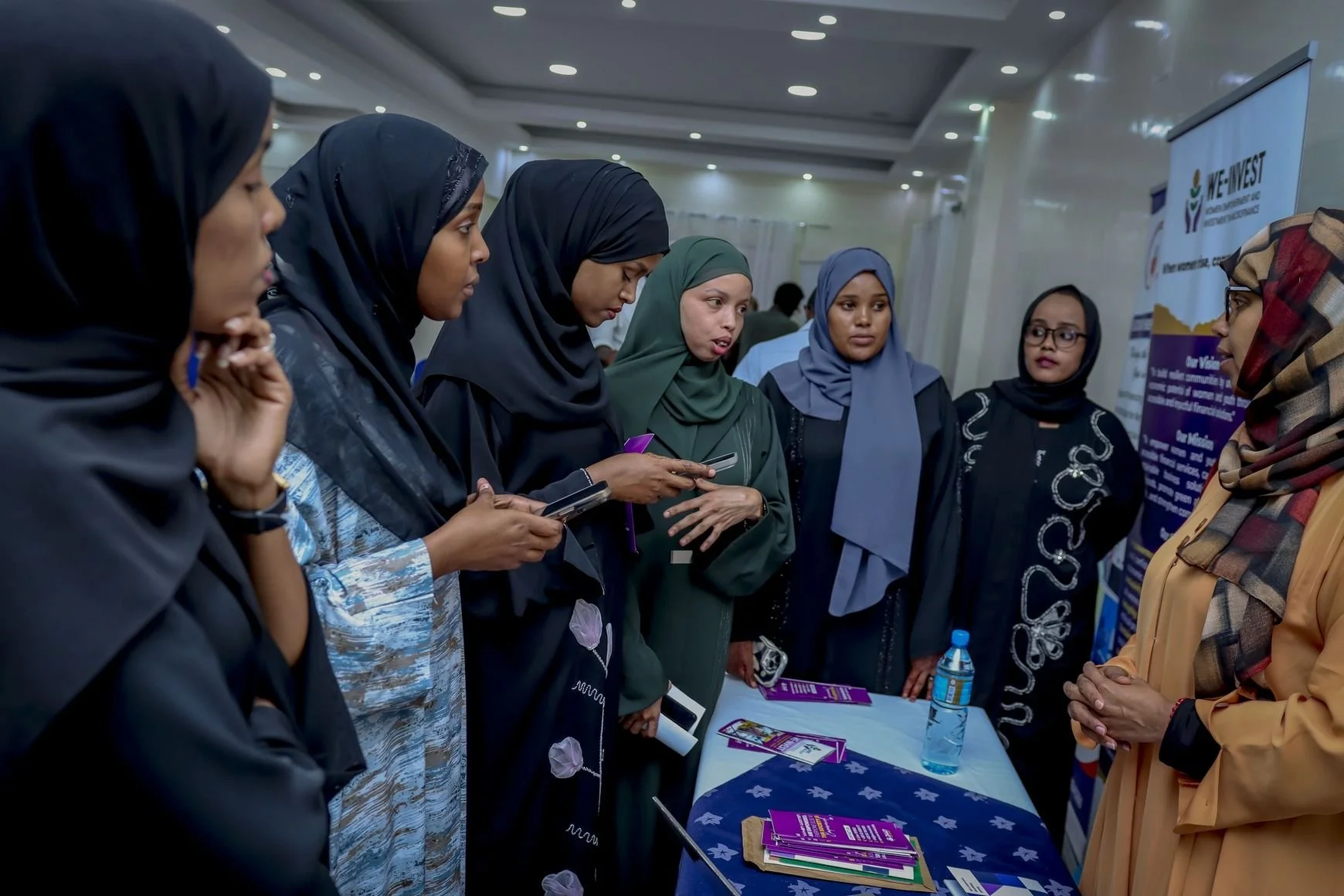
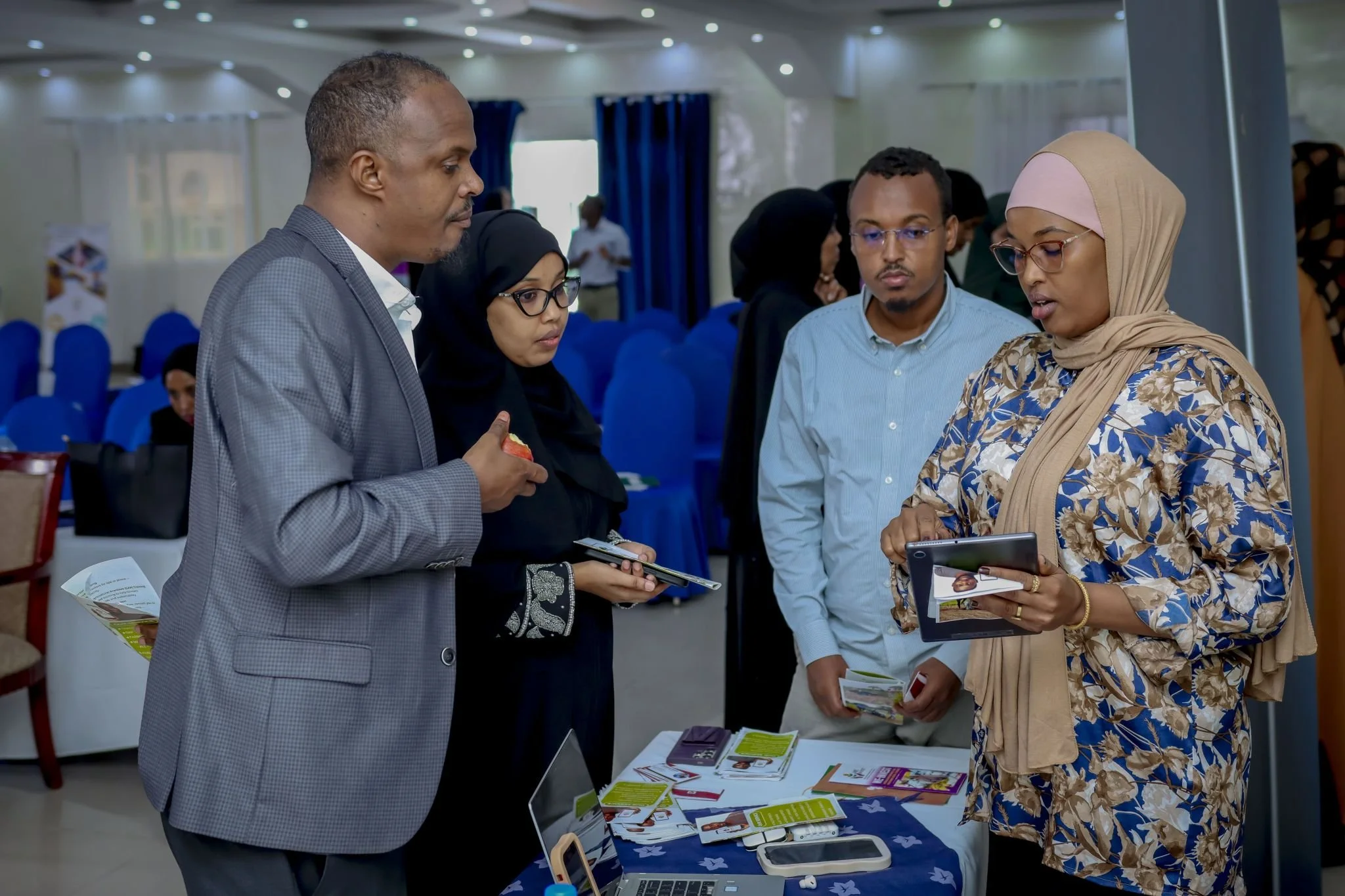
The closeout and learning event served as a multi-stakeholder platform to synthesise evidence from the FIRM pilots and broader financing ecosystem review, strengthen alignment around innovative financing, and shape scale-up pathways for Somalia. Using a participatory learning journey methodology — including Learning Lab Canvases, Circle of Failure reflections, Business Model and Partnership Canvases, World Café exhibitions, and co-creation sessions — the event transformed pilot lessons into strategic assets and identified feasible de-risking and blended finance models. Proceedings spanned portfolio overviews, presentations from Bilow Capital and Wadaag Microfinance, a panel on evidence from the Somali financing context, findings from the Women's Access to Finance study, and thematic learning labs, culminating in co-creation sessions that generated actionable recommendations across policy, partnerships, fintech enablement, donor engagement, and community-led approaches.
The event brought together over 50 participants from diverse sectors, including innovators and SMEs, financial institutions and microfinance providers, government ministries, private sector and fintech actors, INGOs, UN agencies, local NGOs, entrepreneurs, and development partners. Participants included representatives from SomRIL, SomReP, ADRA, Wadaag MFI, Bilow Capital, WFP, DRC, Save the Children, CARE, DT Global, We-Invest, Shaqodoon, the Somaliland Ministry of Investment, the Ministry of Trade and Tourism, and local enterprises working across agriculture, renewable energy, health services, digital innovation, manufacturing, and circular economy sectors.
Key Findings
The reflection workshop in Baidoa generated important insights into how the FIRM model is being experienced by women entrepreneurs, informal traders, farmers, and small business owners participating in the first implementation cohort. The discussions highlighted both the strengths of the model and the operational, behavioural, and ecosystem challenges shaping financing uptake and sustainability.
Structural Exclusion and the Relevance of FIRM: Participants consistently emphasised that traditional financing systems remain inaccessible due to collateral requirements, rigid eligibility criteria, lack of formal documentation, and financing structures poorly aligned with informal and crisis-affected livelihoods. Many viewed the FIRM model as more relevant precisely because it reduced barriers to entry and reflected the realities of how communities earn, manage, and use money.
Ownership, Dignity, and Shifting Away from Aid Dependency: The shareholding component of the FIRM model emerged as a significant differentiator. Participants highlighted that becoming shareholders — rather than only borrowers or beneficiaries — strengthened their sense of ownership, dignity, and long-term economic participation. Many described this as an important psychological and behavioural shift toward greater financial agency and self-reliance.
Trust-Building and Behavioural Transition: The onboarding process revealed that innovative financing models require significant trust-building and behavioural adaptation. Participants initially expressed scepticism toward the match-funding requirement, particularly because it differed from traditional aid approaches. Rumours within the community and the temporary arrest of Wadaag staff further intensified mistrust during the early implementation phase. However, continuous engagement, government reassurance, and financial literacy training gradually improved understanding and confidence in the model.
Financial Literacy and the Need for Ongoing Accompaniment: Financial literacy training was widely appreciated and contributed to improved budgeting, financial planning, and understanding of credit and investment concepts. However, participants emphasised that one-time training sessions were insufficient, calling instead for ongoing mentorship, coaching, and practical accompaniment systems to help participants consistently apply financial knowledge in real-life business situations.
Mismatch Between Financing Products and Enterprise Realities: While participants valued access to credit, many highlighted that current loan sizes and repayment structures do not adequately reflect the realities of informal and seasonal businesses. Participants repeatedly called for larger financing amounts, more flexible repayment schedules, and products better aligned with fluctuating income patterns and enterprise growth needs.
Finance as One Component of a Broader Support System: Participants — particularly those engaged in agriculture and small-scale enterprise — emphasised that access to credit alone does not automatically translate into sustainable livelihood improvement. Many highlighted the need for integrated support combining finance with productive assets, market access, mentorship, and livelihood services.
Growing Ecosystem Awareness and Opportunity: Despite initial scepticism, participants observed that awareness and understanding of the FIRM model are gradually increasing within Baidoa. They also identified opportunities to strengthen the model through deeper government engagement, community outreach, and closer alignment with existing humanitarian and livelihood programmes operating in the region.
Insights from Panel Discussions
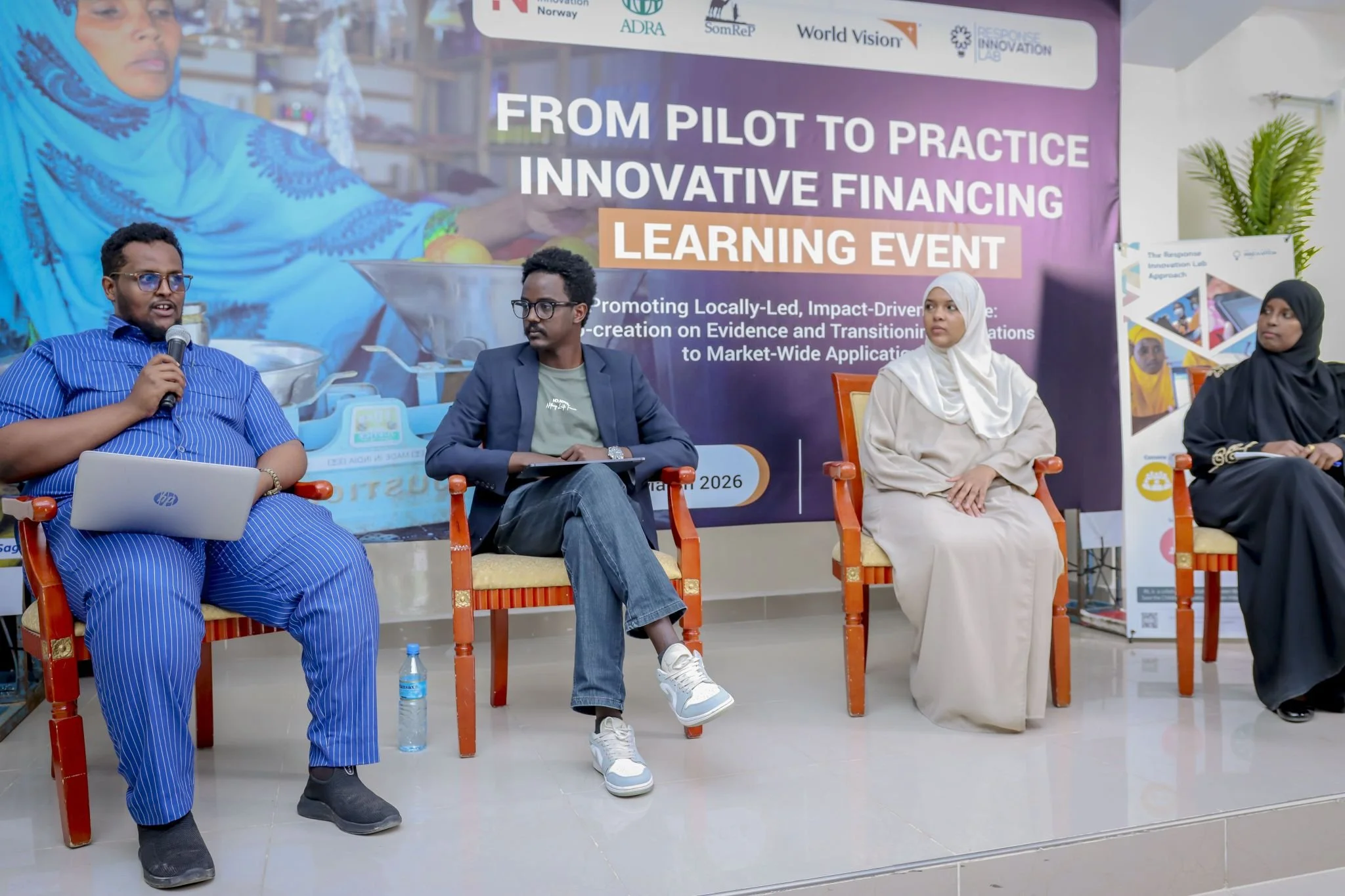
The panel brought together Bilow Capital, the Somaliland Ministry of Investment, and SME Call A Doctor to reflect on the practical realities of innovative financing within Somalia and Somaliland's evolving SME ecosystem. The discussion affirmed that while strong entrepreneurial energy, mobile money systems, diaspora financing networks, and growing investor interest already exist, significant gaps remain in connecting SMEs to long-term growth capital.
A central theme was the "missing middle" — SMEs too advanced for microfinance but too informal or high-risk for commercial banks and institutional investors. The Ministry of Investment noted that while small informal financing and diaspora support are often accessible, growth-stage enterprises continue to face barriers around regulation, governance, investment readiness, and risk-sharing. The financing ecosystem remains fragmented, with government, donors, financial institutions, and enterprise support actors frequently working in parallel rather than through coordinated pathways.
Bilow Capital emphasised that investment readiness is as much about operational maturity as access to finance. Businesses capable of absorbing investment typically demonstrate stronger financial records, governance practices, and clear growth strategies. Many SMEs, however, remain highly founder-dependent and informal, limiting investor confidence and increasing perceived risk.
Panelists drew on the experience of Call A Doctor to highlight that scaling enterprises require financing structures that differ significantly from short-term credit models. As businesses invest in technology, staff, and service delivery infrastructure, conventional short repayment cycles and collateral-heavy products become increasingly unsuitable. Growth-oriented enterprises require more patient, flexible capital aligned with long-term operational expansion.
Capital alone is insufficient for sustainable growth. Bilow Capital noted that businesses receiving mentorship, governance support, and investment-readiness coaching were significantly better positioned to absorb financing and scale. Trust and risk-sharing were also highlighted as critical, with Bilow's pooled evergreen fund structure cited as an effective mechanism for reducing investor exposure through portfolio diversification.
Conclusion
The FIRM Closeout and Learning Event consolidated evidence and lessons from innovative financing pilots in Somalia and Somaliland, demonstrating through the experiences of Bilow Capital and Wadaag Microfinance both the opportunities and complexities of strengthening financial inclusion in fragile, informal market environments. A consistent finding across sessions was that Somalia already possesses many foundational ingredients — entrepreneurial networks, diaspora engagement, expanding digital finance, and growing investor interest — but significant gaps remain in connecting SMEs and underserved businesses to financing that is flexible, trusted, and contextually relevant.
The event reinforced that financing alone is insufficient. Participants across reflection workshops, panel discussions, and co-creation sessions emphasised the importance of pairing capital access with mentorship, financial literacy, investment readiness support, and ecosystem coordination. Trust and locally grounded financing models emerged as critical enablers for both investor confidence and uptake among SMEs and women entrepreneurs.
By bringing together government, financial actors, development partners, and private-sector stakeholders, the event translated implementation experience into practical scale-up pathways, de-risking mechanisms, and blended finance opportunities tailored to the Somali context. Moving forward, sustained collaboration across these actors will be essential for bridging the "missing middle" and building inclusive financing ecosystems that support resilient, growth-oriented enterprises across Somalia and Somaliland.