Yemen | Humanitarian Innovation Basics Training for Local Partner Organisations
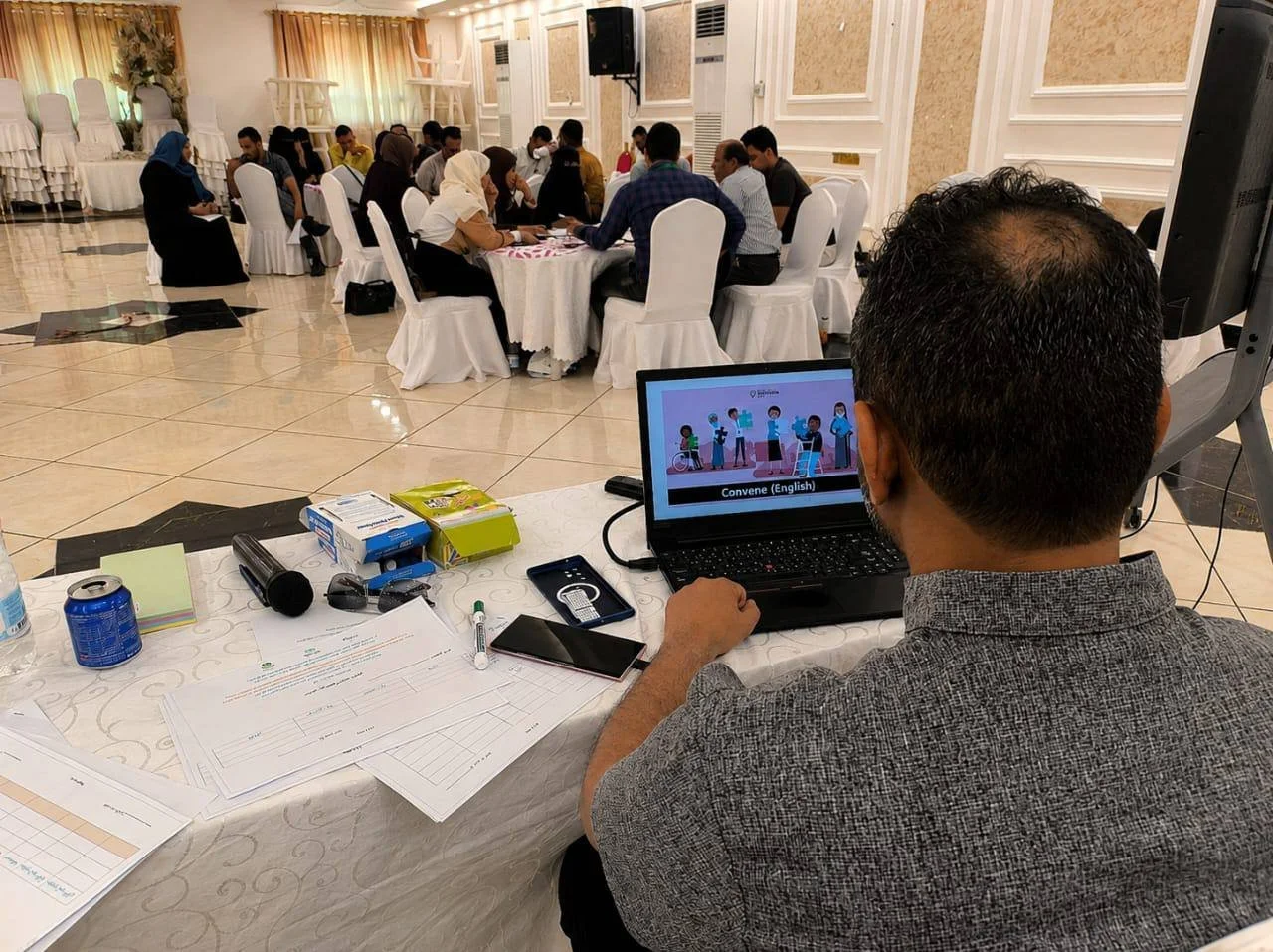
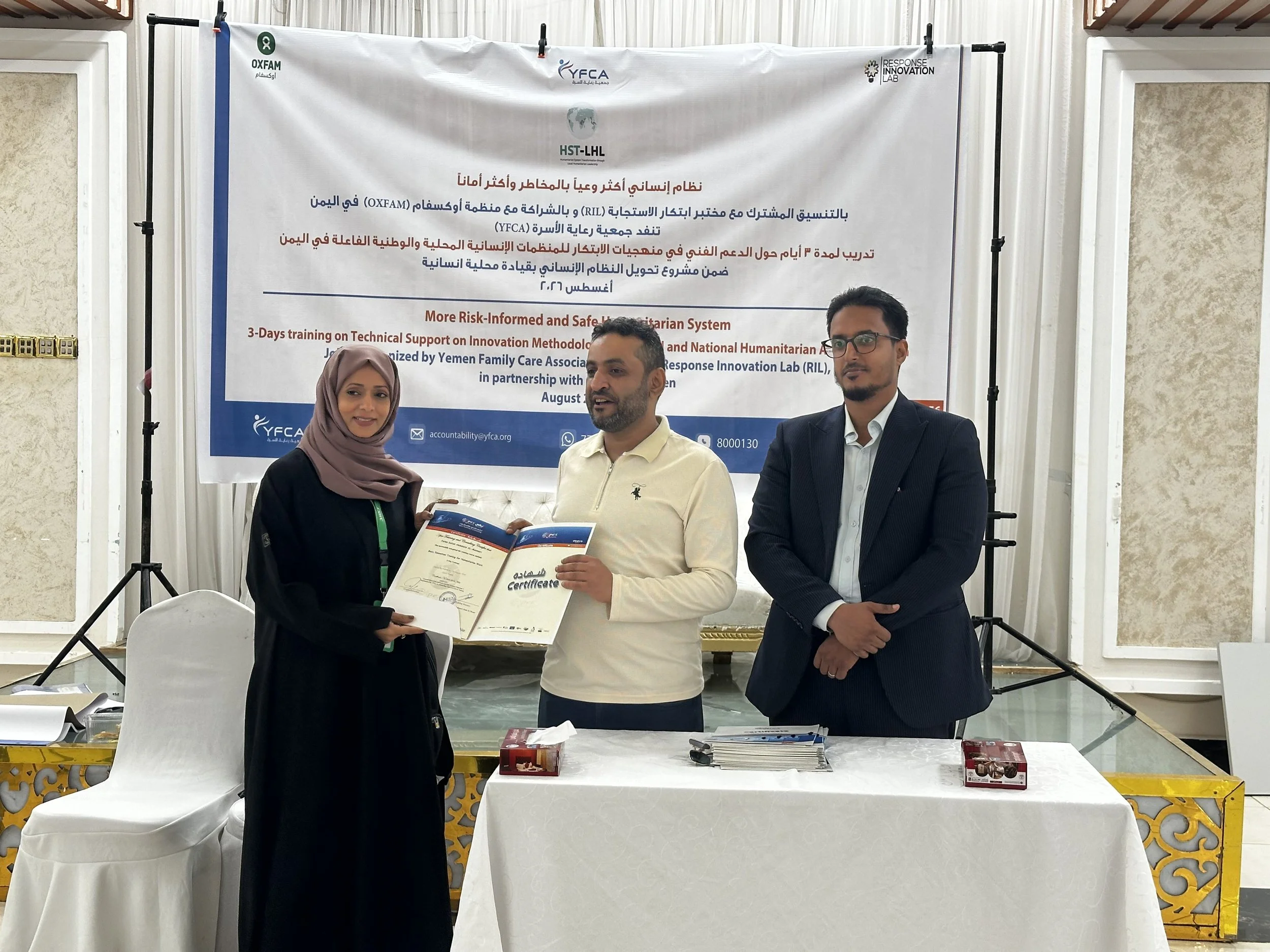
On 16–18 August 2026, the Response Innovation Lab (RIL) and Yemen Family Care Association (YFCA), with the support of Oxfam under the HST-LHL Programme, delivered a three-day “Humanitarian Innovation Basics: A Journey to Impact” training in Aden, Yemen. The training aimed to strengthen the innovation capacity of local partner organisations and equip participants with practical approaches for identifying humanitarian challenges, developing human-centred solutions, and testing and adapting innovative ideas.
As humanitarian needs continue to evolve in increasingly complex operating environments, strengthening the innovation capacity of local humanitarian actors can contribute to advancing locally led humanitarian action. Local organisations are well positioned to identify context-specific challenges and develop practical solutions, while strengthening their understanding of innovation approaches can help them systematically design, test, adapt, and improve solutions within their operational contexts.
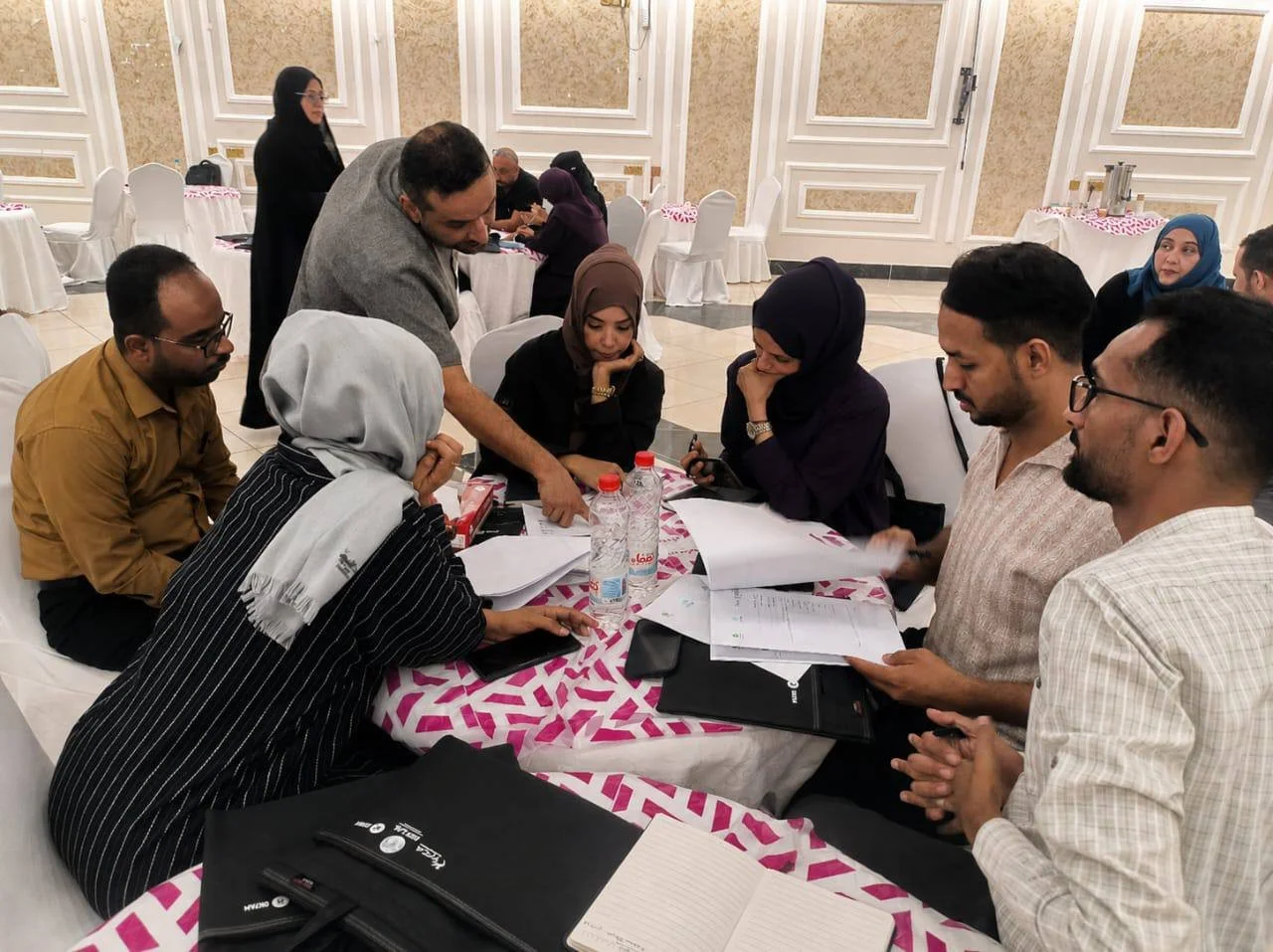
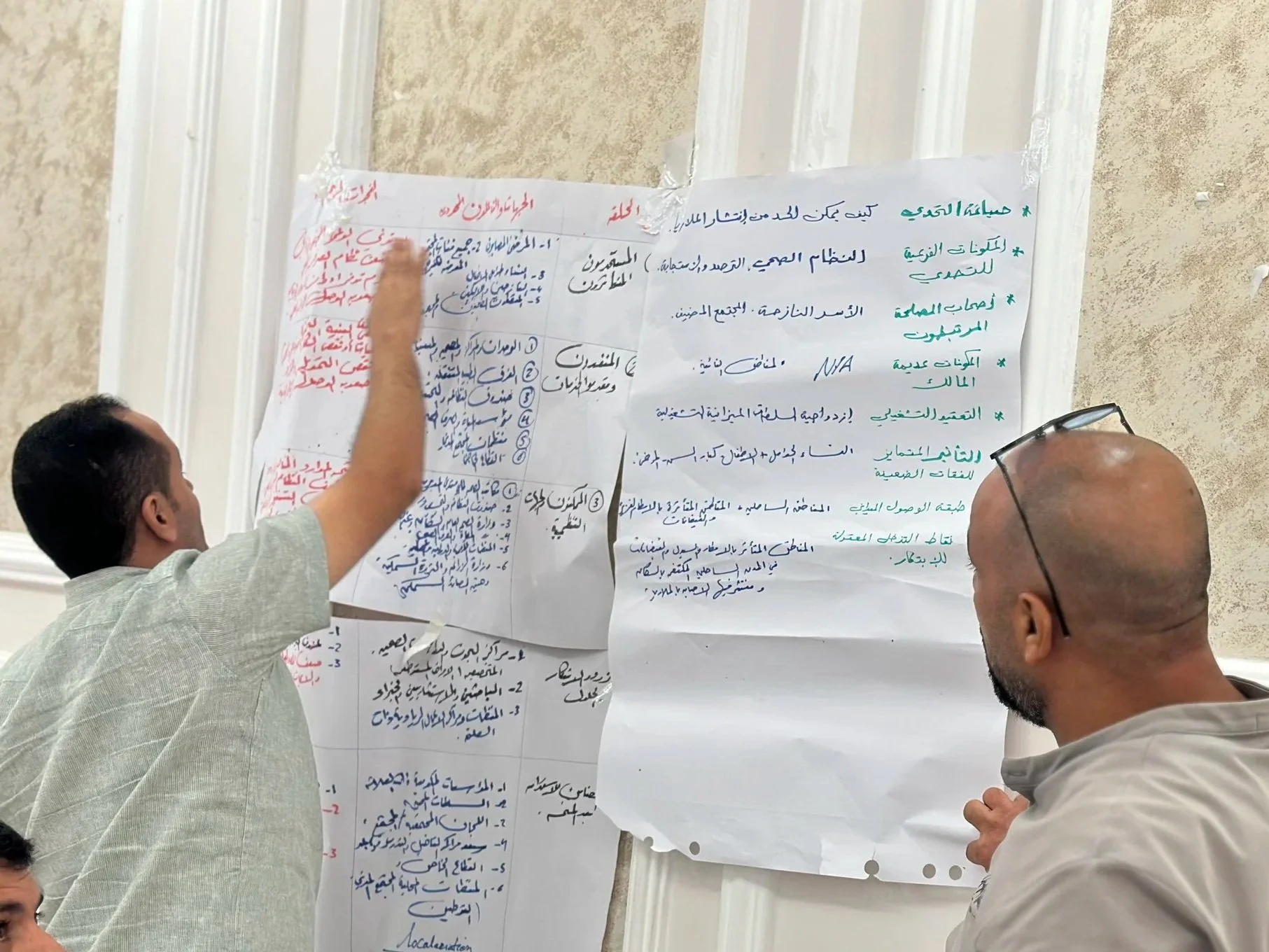
The training brought together 31 humanitarian professionals from local partner organisations across six governorates in Yemen, representing diverse programme and technical backgrounds. Using a practical and participatory approach, participants worked in multidisciplinary groups on four Yemen-specific humanitarian challenges, applying innovation tools to explore problems, understand users’ needs, frame challenges, develop solutions, and consider how ideas could be tested and adapted to the local context.
Participants applied these approaches to challenges including access to education for displaced children, the burden of manual washing on women and girls, household air pollution, and unintended consequences of humanitarian interventions. One exercise explored how mosquito nets intended for malaria prevention had been repurposed for fishing, creating unintended environmental and livelihood consequences. The example encouraged participants to look beyond the immediate purpose of a solution and consider how it interacts with the wider system, who may be affected, and what risks could emerge.
The training helped participants move beyond viewing innovation as simply introducing new technologies or ideas, and instead understand it as a structured process of identifying challenges, understanding people’s needs, and developing, testing, and adapting solutions. Participants explored the importance of addressing root causes, considering different perspectives, and testing ideas before committing significant resources to scaling them.
The training provided local partner organisations with practical approaches that can be applied beyond the classroom to strengthen how humanitarian challenges are identified, understood, and addressed. Continued engagement and support will be important to help participants translate the learning into practice, test ideas within their organisations, and build on the innovation approaches introduced during the training.