Yemen | Basic Humanitarian Innovation Skills Training for “Made by Yemenis”
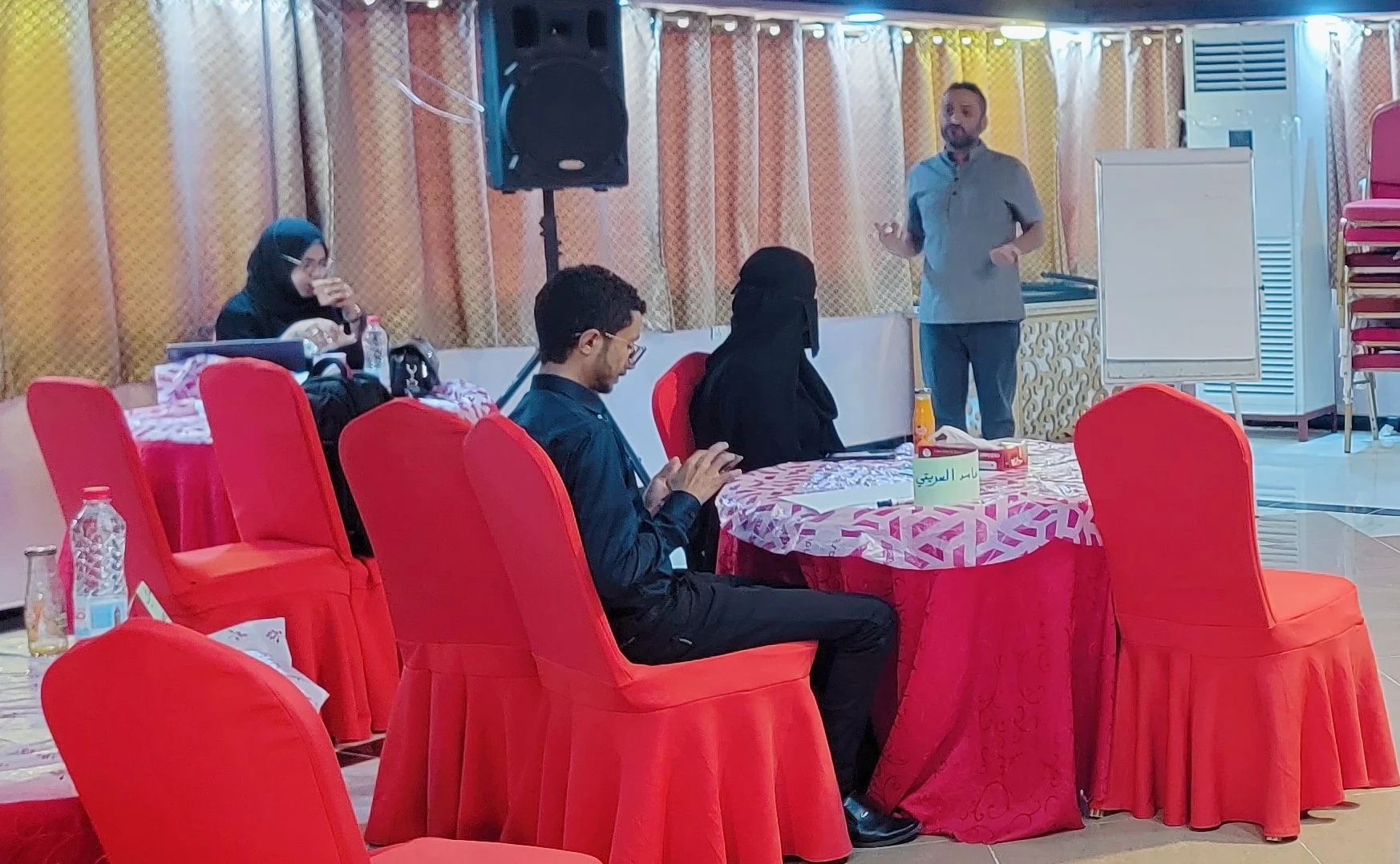
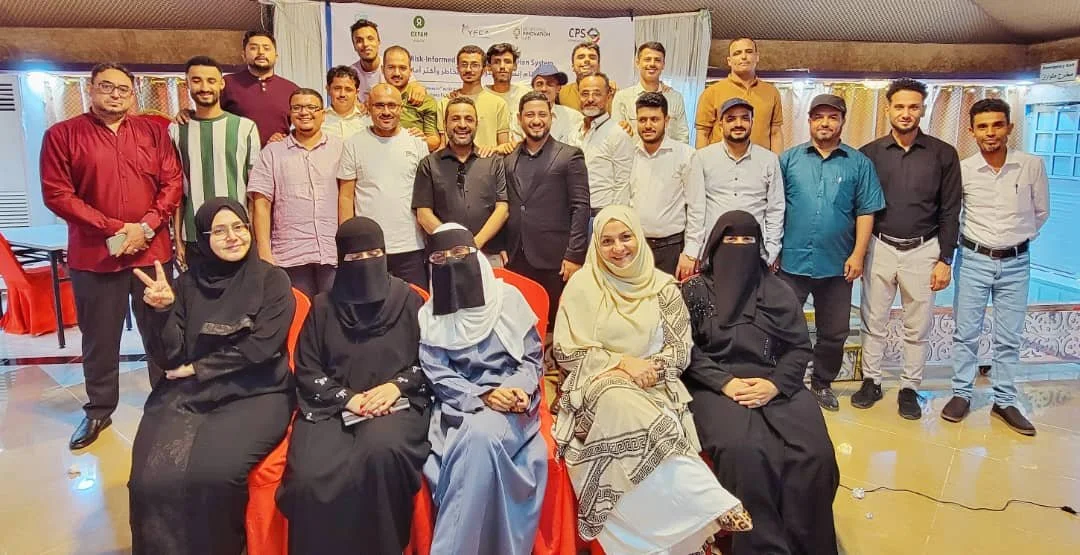
On 25–27 August 2026, the Response Innovation Lab (RIL), in partnership with Oxfam and the Yemen Family Care Association (YFCA), and with field implementation by Creative Problem Solutions (CPS), delivered a three-day Basic Humanitarian Innovation Skills training for 25 Yemeni innovators participating in the “Made by Yemenis” initiative. The training aimed to strengthen Yemeni innovators’ understanding of humanitarian innovation and support them in developing their ideas into more structured and evidence-informed innovations.
As part of the Humanitarian System Transformation (HST-LHL) programme, the training served as a foundational step for the “Made by Yemenis” initiative, supporting innovators to strengthen their existing ideas and prepare for engagement with partners and donors. The training responded to the need for local innovators to have practical tools and methodologies to develop, test, adapt, and improve solutions within their own contexts.
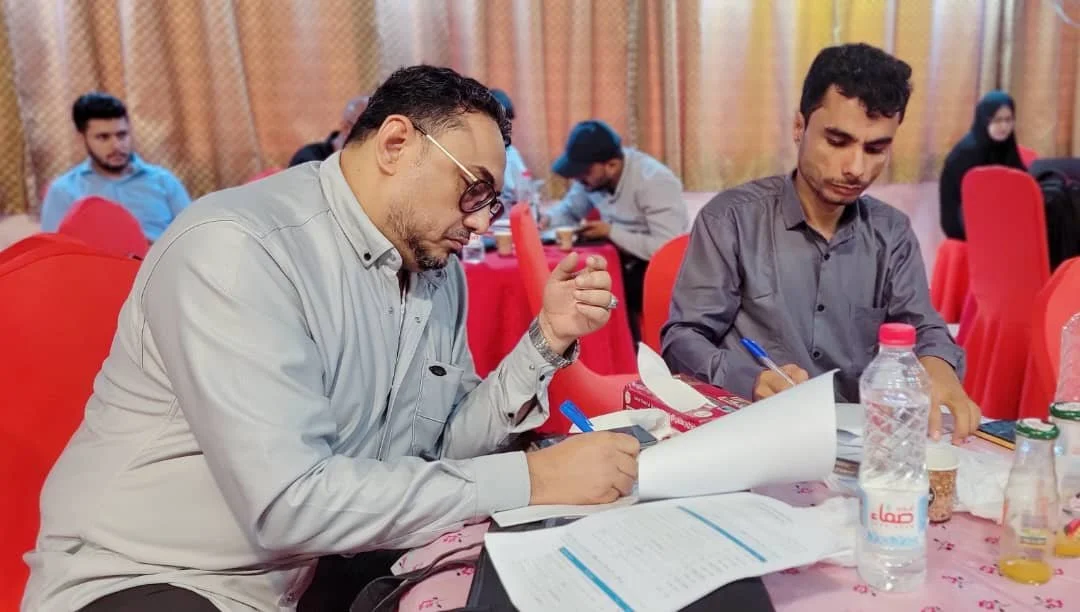
The training brought together 25 Yemeni innovators working across four sectors: water and environmental sanitation, waste and circular economy, agriculture and food security, and climate and early warning. Rather than working with hypothetical examples, participants applied the training directly to their own innovations through practical exercises, group work, reflection, and stress-testing. Across these areas, they explored shared challenges such as ensuring safe water where electricity and reliable data are limited, creating economic value from waste beyond the life of a project, improving farmer incomes amid climate volatility, and turning community data into reliable early warning.
The training encouraged participants to move beyond presenting their ideas as solutions and instead examine the evidence, assumptions, risks, and conditions needed for their innovations to succeed. Organising participants around their real sector clusters and actual innovations, rather than hypothetical examples, strengthened the quality of peer feedback and enabled more technical and relevant discussion. Through the stress-testing process, participants identified weaknesses, considered potential gaps in support and partnerships, and developed practical steps for strengthening their innovations.
The training marks the first step in preparing the “Made by Yemenis” innovations for further evaluation and scale-up. Participants will have an opportunity to strengthen their innovation files ahead of the September 2026 evaluation process, with shortlisted innovations moving towards further development and support before the November scale-up event.