Smarter Humanitarian Impact: Rethinking Local Approaches to Cost-Effective Change in Jordan
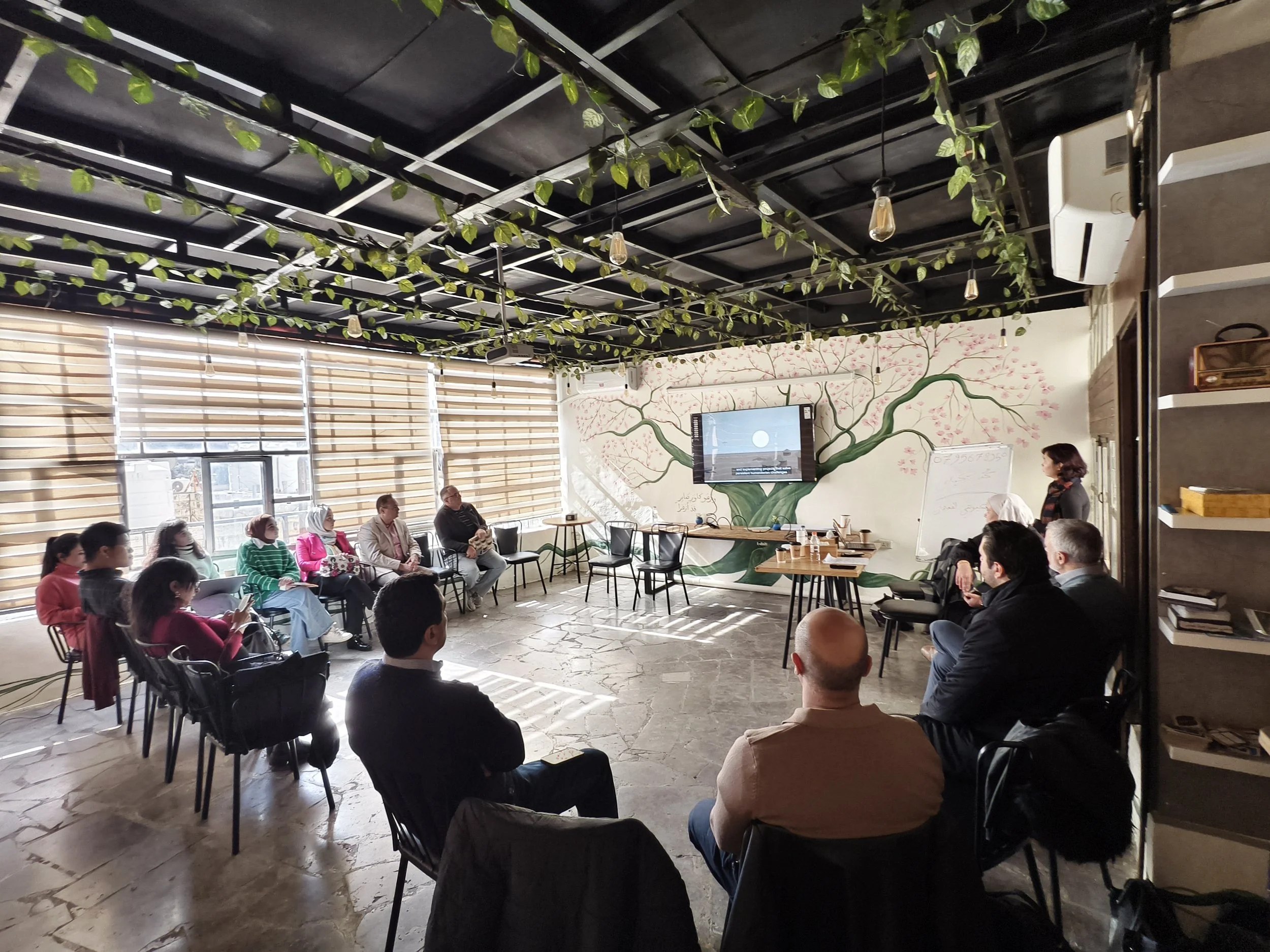
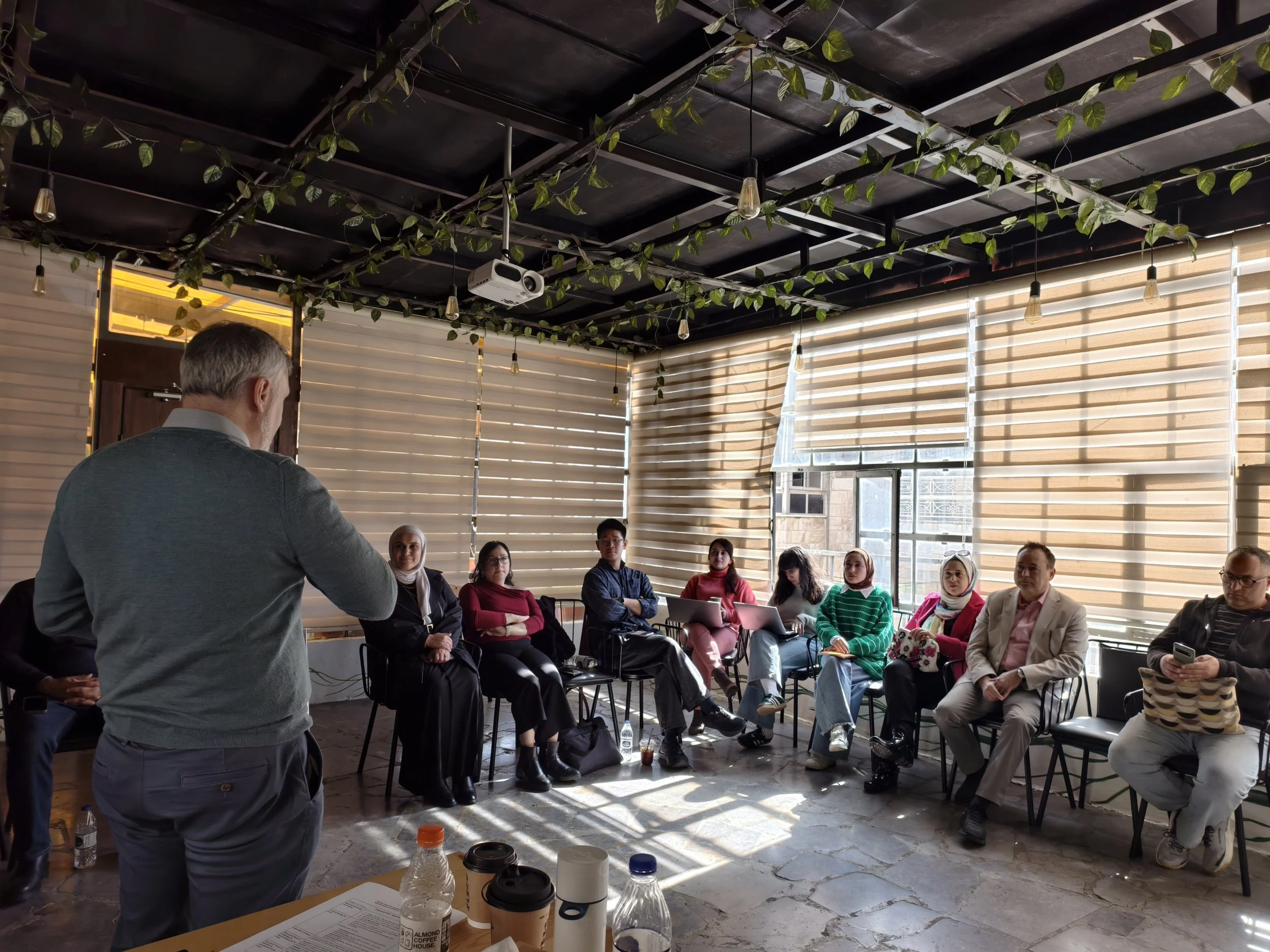
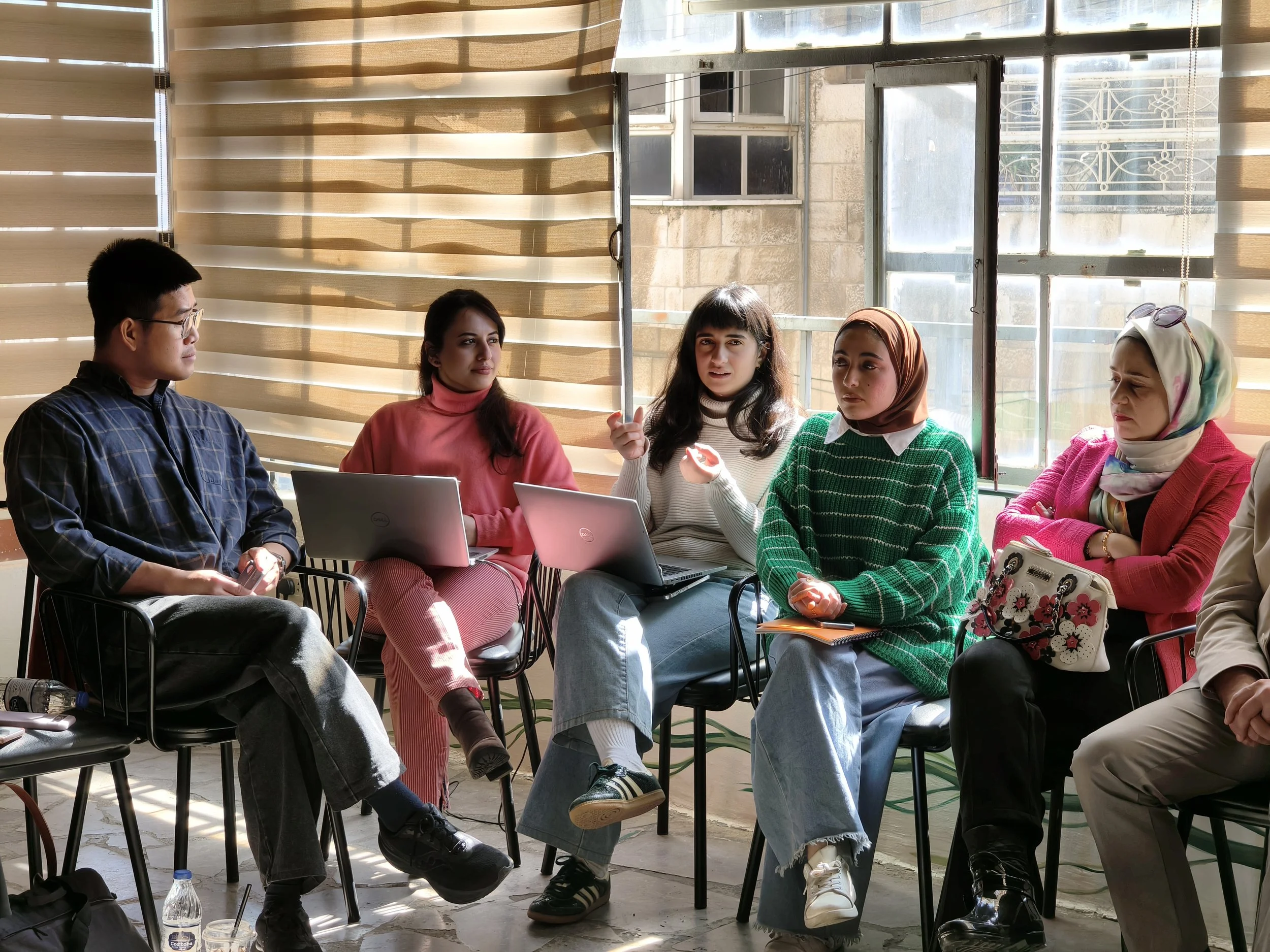
On Thursday, 5 February 2026, Response Innovation Lab hosted its first Thoughtcast session of the year in Amman under the title Smarter Humanitarian Impact: Rethinking Local Approaches to Cost-Effective Change. The session brought together a diverse group of participants representing local and international NGOs, social entrepreneurship, strategy consulting, and the private sector to explore how humanitarian impact can be delivered in smarter, more locally driven ways.
Jordan’s humanitarian landscape is under increasing pressure. Rising needs, shrinking funding, and a continued reliance on short-term interventions are intensifying the challenge. In this context, finding ways to deliver impact efficiently, locally, and sustainably is no longer optional; it is urgent.
The conversation moved beyond traditional notions of cost-efficiency and instead examined what it truly means to rethink humanitarian impact. Discussions centred on locally grounded solutions, cross-sector partnerships, and innovative approaches to resource mobilization. At its core, the session emphasized the need to better align financial flows, institutional roles, and implementation models with local realities while safeguarding quality and ensuring long-term impact. Humanitarian action was framed as part of an evolving ecosystem that requires coordination, adaptability, and strategic foresight.
Grounding the discussion in both lived experience and systemic realities, contributors connected on-the-ground challenges with government roles, international frameworks, and existing funding mechanisms. Participants reflected on civil society’s achievements prior to the refugee influx, noting how social impact was achieved despite limited funding. These reflections reinforced the importance of coordinated efforts and stronger partnerships to sustain future impact. Existing platforms were also examined, with attention to building participatory ecosystems and partnership models capable of navigating the evolving donor landscape.
A recurring theme was the need for a central platform that more effectively connects Jordan to the global humanitarian ecosystem. While social media provides visibility and promotion, proactive institutional guidance, particularly from ministries, remains limited, and government funding mechanisms are often fragmented. A coordinated “umbrella” approach could help align NGOs, donors, and civil society actors under shared priorities and streamlined processes.
The role of Corporate Responsibility Programs (CRPs) and private sector investment also featured prominently in the discussion. Beyond financial contributions, targeted technical assistance can significantly strengthen NGO operations and improve implementation quality. Greater impact can be achieved when private sector engagement moves beyond short-term or visibility-driven initiatives and instead focuses on generating real sectoral value. In doing so, CRPs have the potential to bridge the gap between profit and nonprofit actors by aligning business capabilities, resources, and expertise with genuine community needs. The discussion also pointed to ongoing challenges in donor communications, particularly the narrow reporting on outputs without sufficient ecosystem-wide learning.
Humanitarian response was further framed within broader global challenges, including climate change. Climate adaptation opportunities extend beyond water and agriculture to sectors such as healthcare, tourism, energy, and infrastructure. Unlocking funding and enabling sustainable interventions will require compelling narratives that align priorities and clearly demonstrate cross-sector relevance.
Throughout the session, the importance of coordinated partnerships, proactive information-sharing, and forward-looking planning remained central. Localized response plans at the city or governorate level were identified as essential for efficient coordination, targeted resource allocation, and interventions tailored to local realities. Strengthening ecosystem-level learning is equally critical. Limited funding currently restricts evidence generation, which in turn constrains access to larger funding opportunities and reduces opportunities for knowledge-sharing. Addressing this gap is key to reinforcing Jordan’s humanitarian ecosystem and positioning it for more sustainable, long-term impact.