How can existing structures and systems better support access to land for agricultural livelihoods in refugee-hosting communities?
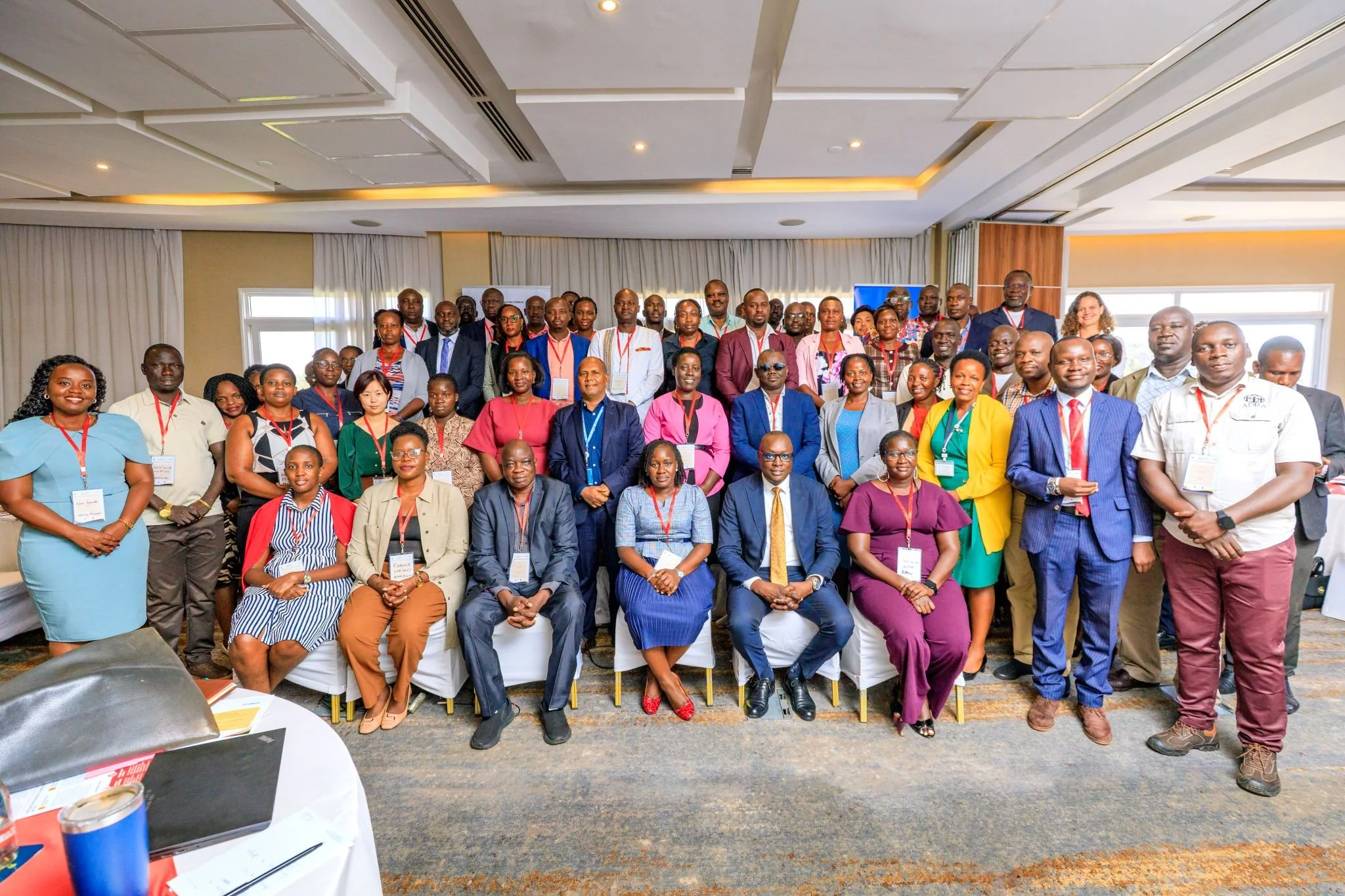
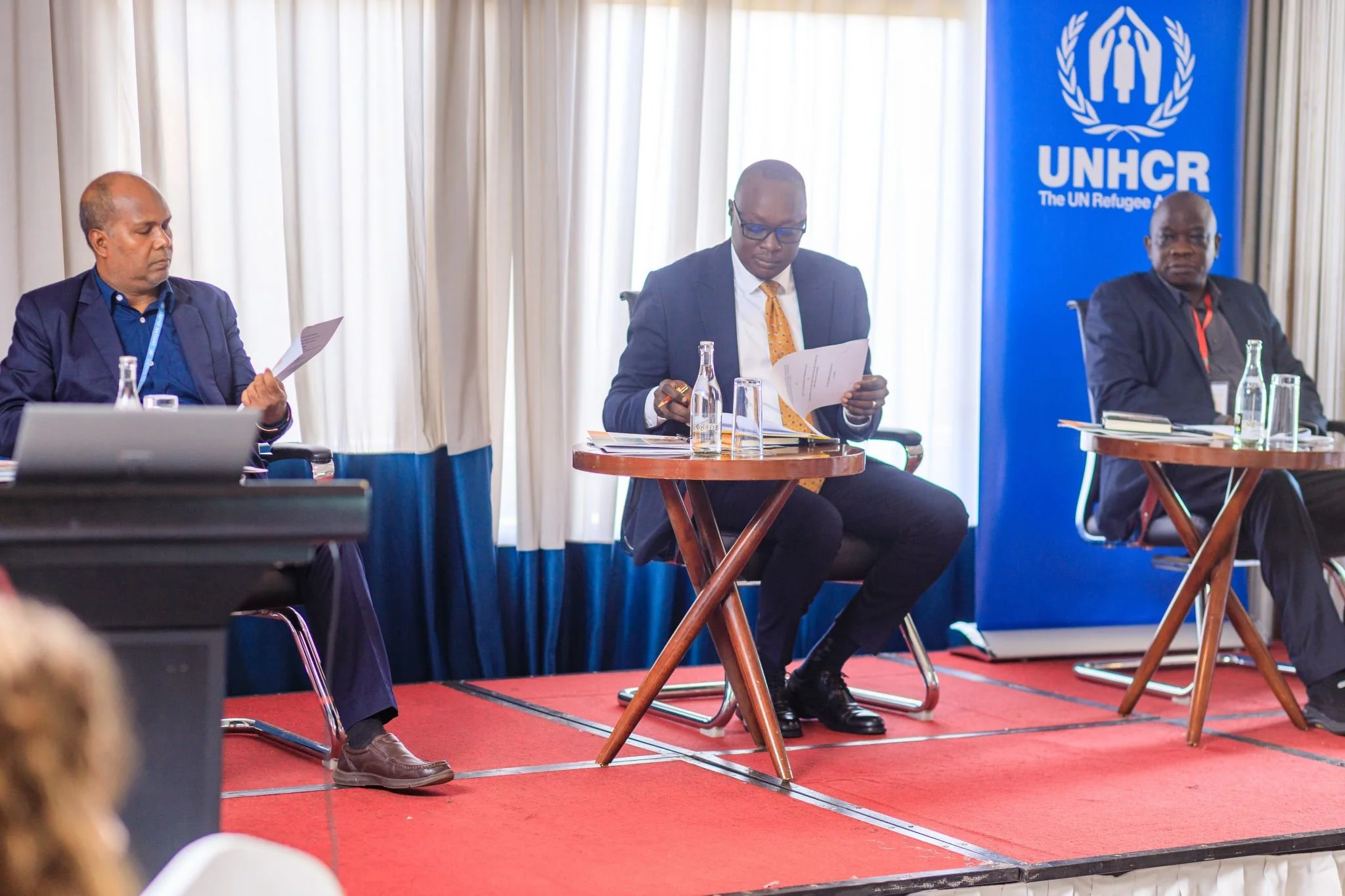
On November 4th, the Response Innovation Lab (RIL), through the Uganda Refugee Resilience Initiative (URRI) and in collaboration with U-Learn, supported a multi-stakeholder dialogue on Access to Land in the Refugee Response, convened by the Office of the Prime Minister (OPM) with support from UNHCR under the Livelihoods and Resilience Sector Working Group.
Bringing together government ministries, OPM settlement leadership, development partners, NGOs, donors, landowners, refugee desk officers, settlement commanders and community representatives, the dialogue provided a platform to examine existing approaches, share evidence and identify practical ways to strengthen access to land.
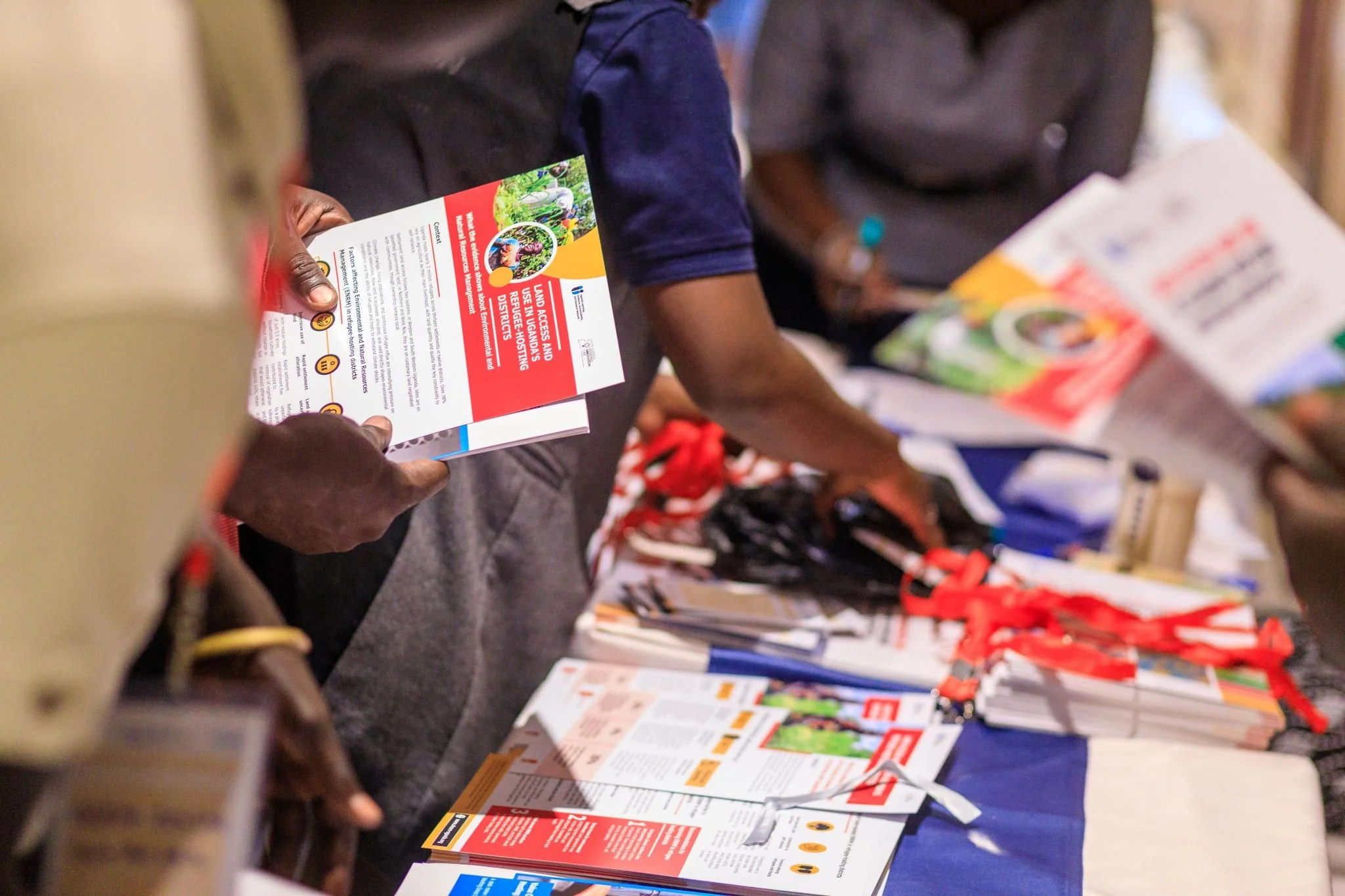
Discussions drew on emerging evidence from the U-Learn Access to Land Learning Review and an assessment by the World Bank Group, alongside insights from government and partner-led initiatives.
A key finding was that progress does not necessarily require starting from scratch. Existing institutional structures, mechanisms and initiatives already offer entry points for addressing challenges related to land tenure security, productive use of available land and dispute resolution. The opportunity lies in strengthening these efforts, improving coordination and enabling different actors to work together more effectively.
Participants also highlighted the importance of making existing policies, guidelines and processes more accessible. Strengthening information dissemination from national policy spaces to district, settlement and grassroots community levels will be essential to ensuring that relevant stakeholders understand the available frameworks and can act on them. With nearly 200 virtual registrations, the dialogue also extended engagement beyond the in-person gathering, bringing additional perspectives into the conversation.
The way forward is to build on what already exists: standardise and operationalise existing approaches, strengthen coordination across institutions and ensure that efforts are aligned and government-led. Through URRI, the Response Innovation Lab will continue to support collaboration, learning and the identification of practical approaches that can strengthen refugee resilience and livelihood opportunities in Uganda.
We thank the Office of the Prime Minister, UNHCR, U-Learn, government representatives, development partners and all participants for their contributions to this important dialogue.