
Innovation Story | From Unsafe Water to A More Affordable Household
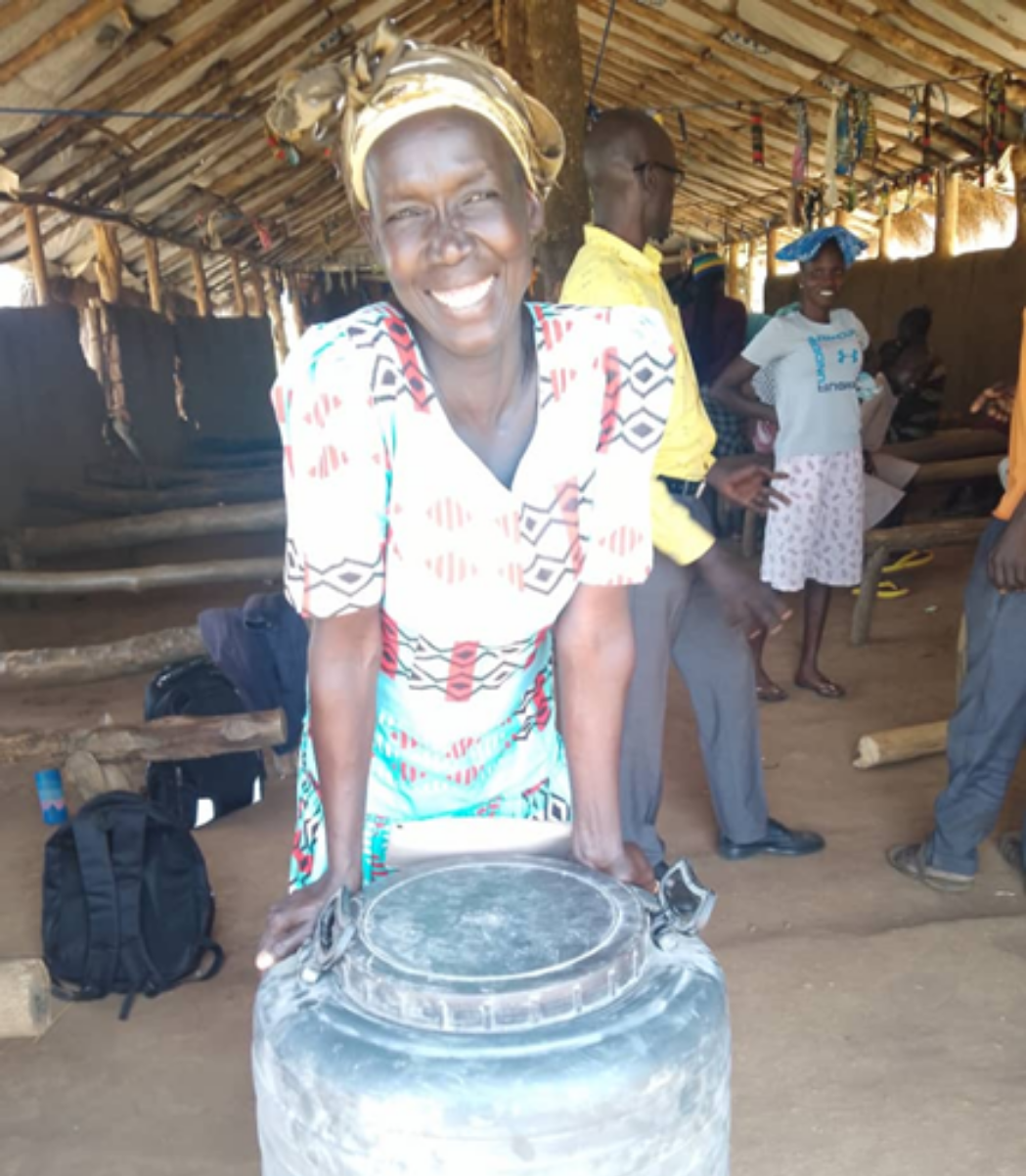
In Yumbe District's Zone 3, Mary lives with her family of seven, including three children. Her community has only one borehole, which serves households in Zone 3 as well as some neighbouring households from Zone 4. On a normal day, collecting water can take 4-5 hours as many households depend on the same source.
When the borehole breaks down, the challenge becomes even greater. Families have to move to neighbouring zones in search of water or, as an alternative, rely on unsafe ponds that are also used by animals, particularly cattle.
For Mary, this meant that access to water could come with high costs in both time and money. Since being introduced to WaterKit's Wallet. She has had more reliable access to water solutions, including timely borehole repairs, water-storage tanks and water purification products.
When unsafe water came with a cost
For Mary and her household, the consequences of unreliable access to safe water went beyond the time spent collecting it. When household members became ill with typhoid, treatment came with an additional financial burden.
Before WaterKit, Mary recalls spending approximately UGX 65,000 when a household member fell sick with typhoid. Such expenses occurred every few months, putting pressure on a household with limited income and reducing the money available for other priorities.
The burden was compounded when the community borehole broke down. With households from several zones depending on the same source, a breakdown meant longer journeys and waiting times at alternative water points. For some families, unsafe ponds became the only immediate option.
A small contribution, a practical solution
Mary was introduced to WaterKit through a community health worker. She has now been using WaterKit's products and services for approximately six to twelve months, including water tanks and water purification products.
She contributes around UGX 2,000 per month to the WaterKit Wallet, an amount she describes as “very affordable.” The Wallet allows households to make small contributions over time and use them to meet water-related needs, including borehole repairs, rather than facing the full cost when a water point breaks down.
For Mary, the value of the Wallet is particularly visible when the community borehole requires repair. Instead of a prolonged breakdown forcing households to travel to other zones or turn to unsafe water sources, repairs can be addressed more promptly.
From long waits to more reliable water access
One of the clearest changes Mary has experienced is the reduction in the amount of time spent collecting water.
With borehole repairs being carried out in a timely manner, the period during which households have to depend on alternative water sources is reduced. This eases pressure on the community's single borehole and reduces the need for households to travel to neighbouring zones when the main source is out of service.
For Mary, this means less time spent waiting for water and fewer disruptions to the household's daily routine.
The change is therefore not only about having a mechanism to contribute towards repairs. It is about helping to keep existing water infrastructure functioning and ensuring that a borehole breakdown does not immediately translate into days of long journeys, overcrowding at alternative water points or reliance on unsafe ponds.
Putting household savings back into household priorities
Since adopting WaterKit, Mary reports that her overall expenditure related to water has significantly reduced. This includes costs associated with treating illnesses such as typhoid and paying for labour to collect water.
The reduction has freed up money that she can now put towards other priorities. Part of it goes back into her WaterKit Wallet, while the remainder can be used to meet other household expenses.
For a household of seven, this flexibility matters. Instead of unexpected water-related costs repeatedly taking money away from other needs, Mary is able to make smaller, more manageable contributions while maintaining access to water solutions.
Her experience illustrates how improving the reliability of water infrastructure can have effects beyond access to water itself: less time spent collecting water, fewer disruptions when a borehole breaks down, and more household resources available for other priorities.