Uganda | Second Challenge Mapping Convener on “Access to Land for Refugee and Host Communities in Uganda”
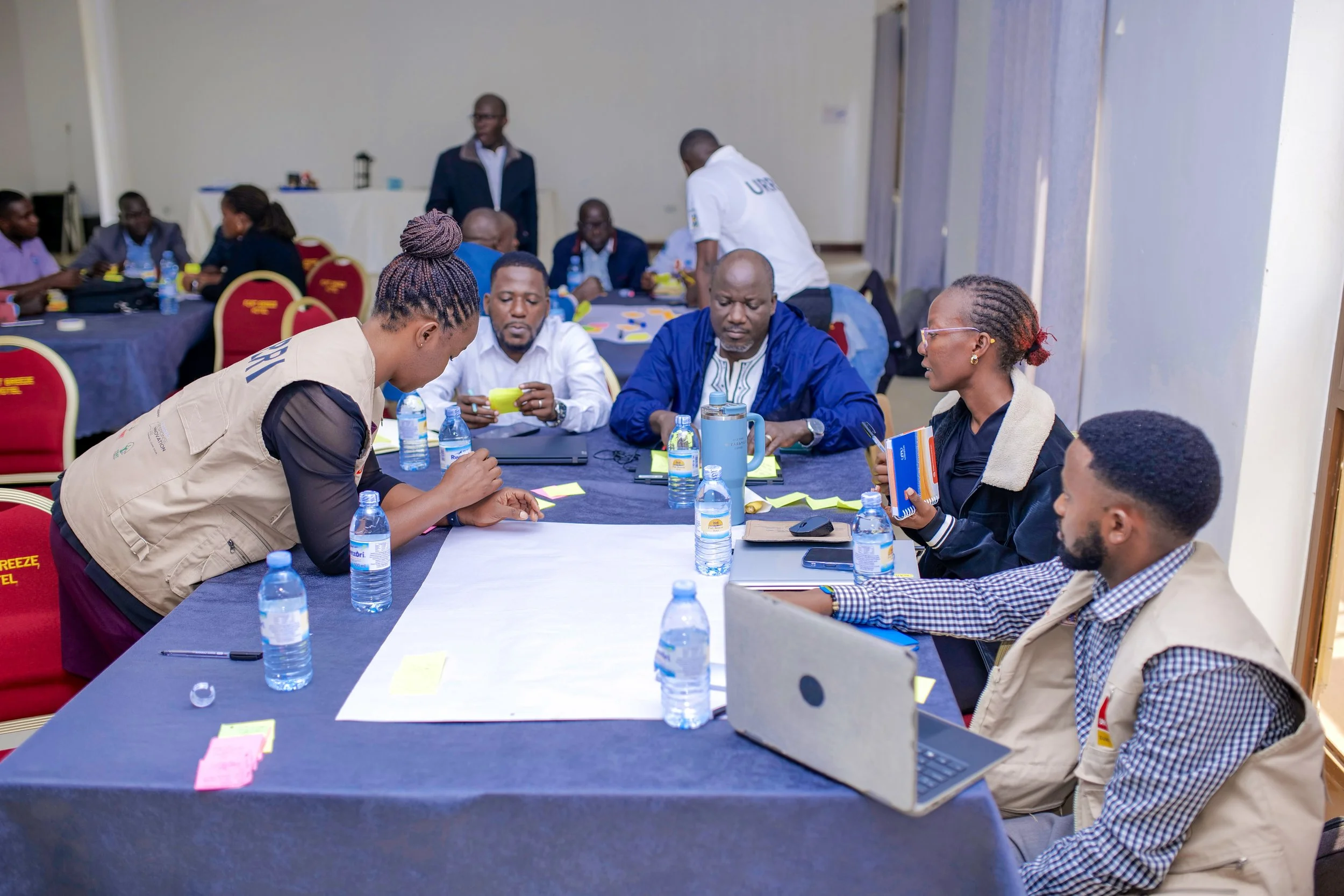
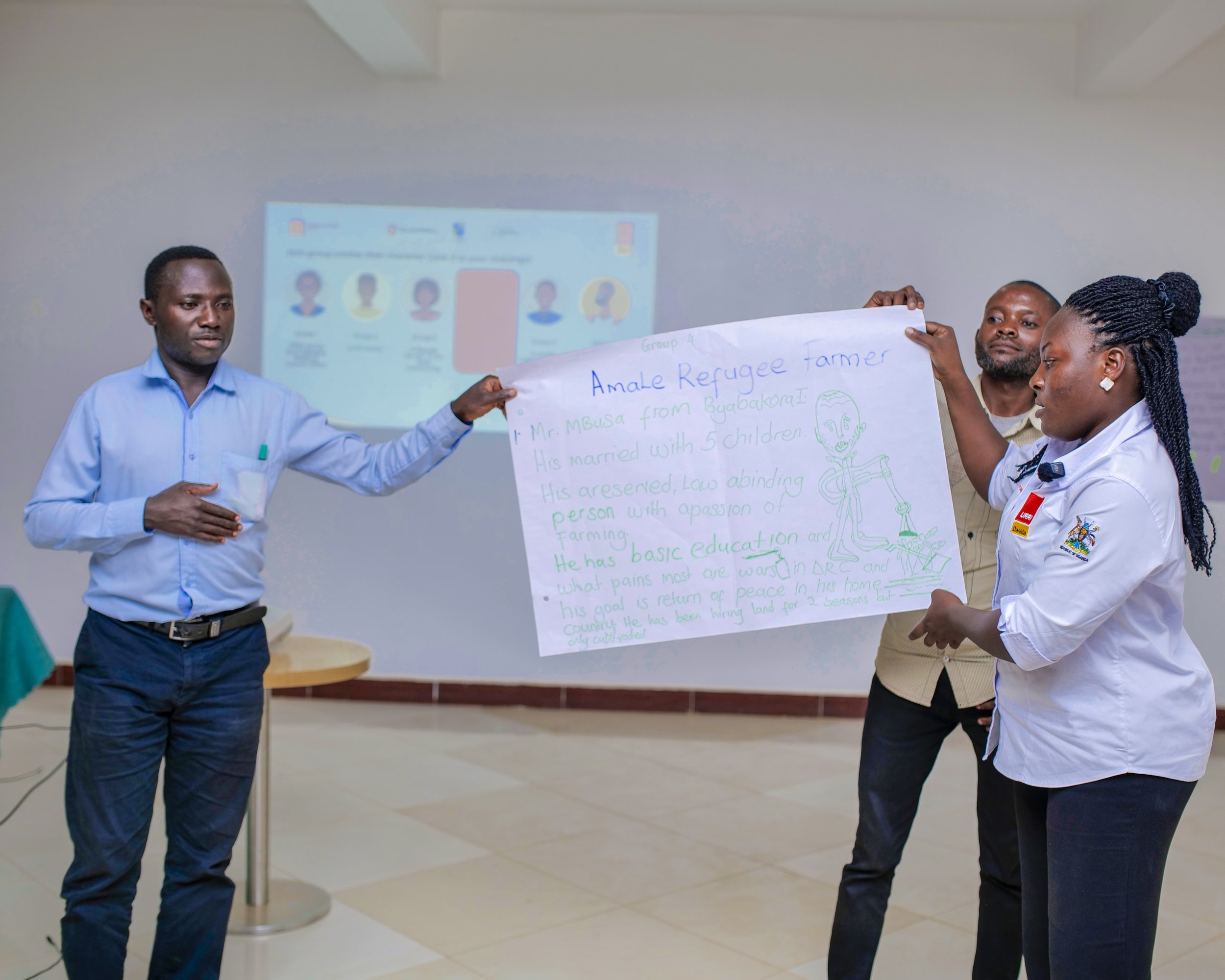
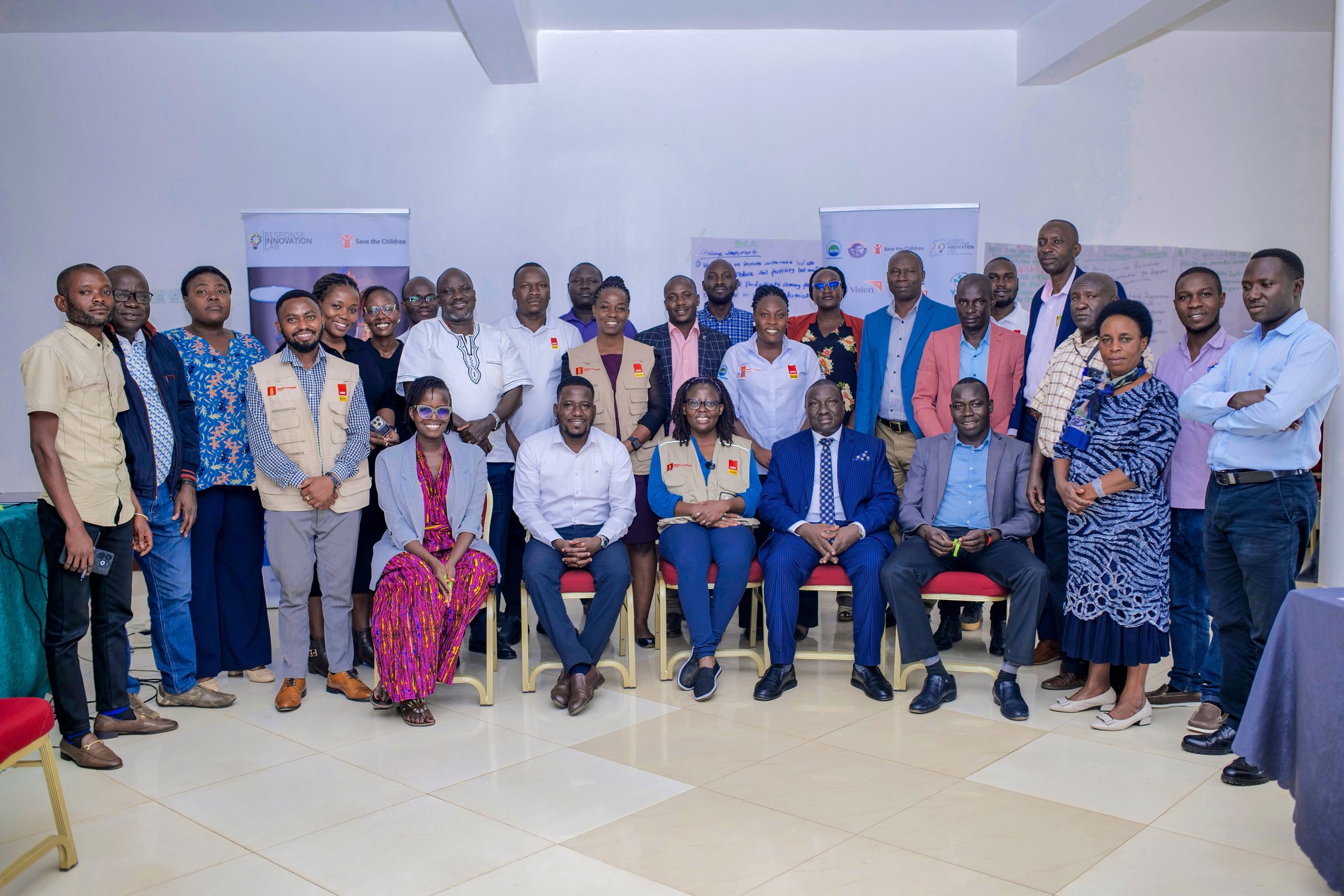
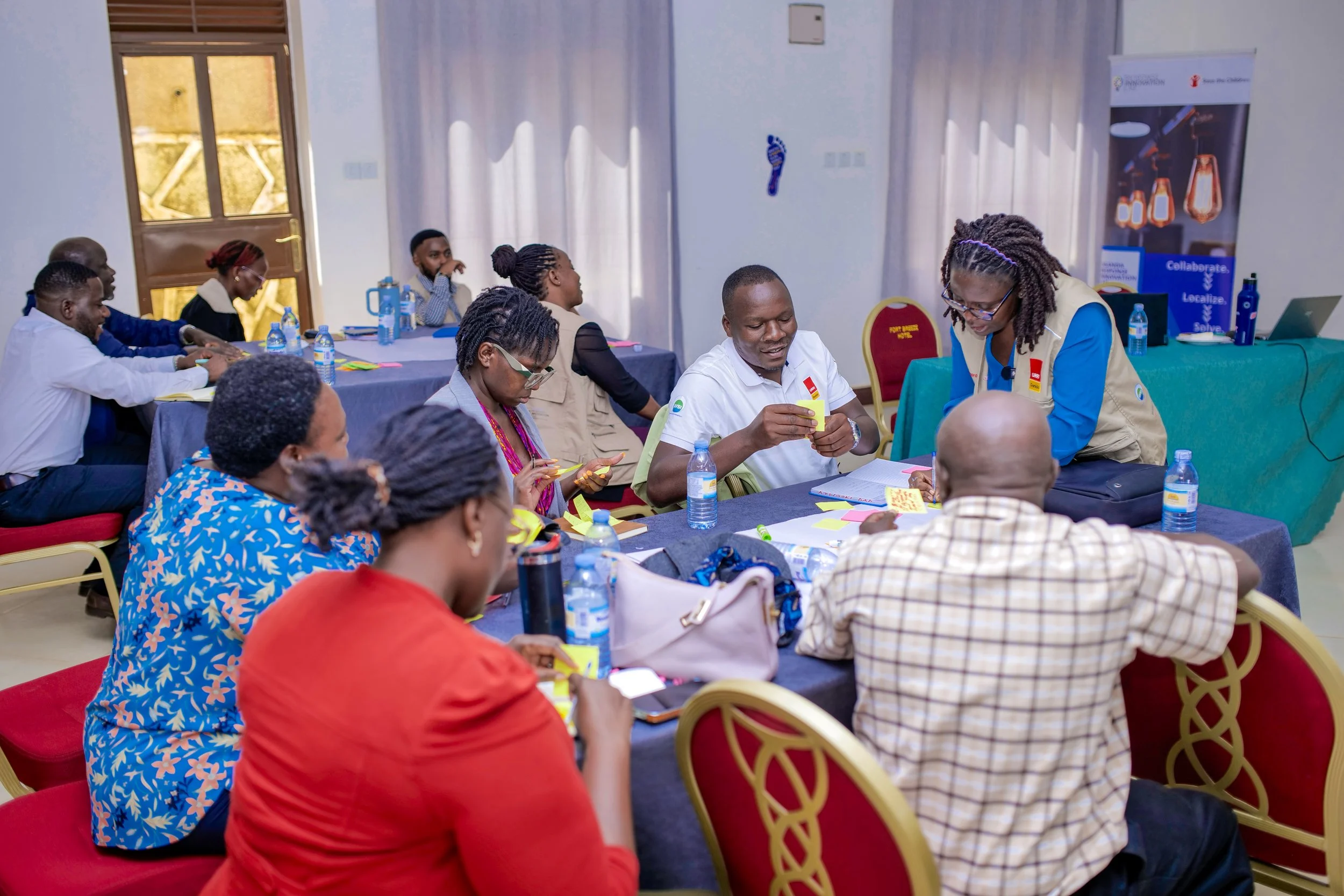
On July 14, Uganda Response Innovation Lab hosted a second Challenge Mapping Convener as a learning review under URRI, focusing on access to land for refugee and host communities in Fort Portal, Uganda.
The URRI Reflection and Strategic Positioning Workshop Report identified land access and land use as the most significant structural challenge affecting refugee and host community resilience, with implications for livelihoods, environmental sustainability, and social inclusion. This workshop brought stakeholders together for a collaborative learning and systems mapping process, to identify, analyse, and prioritise key challenges around land access for refugee and host community farmers, and to explore innovative, inclusive, and sustainable approaches to land access and management.
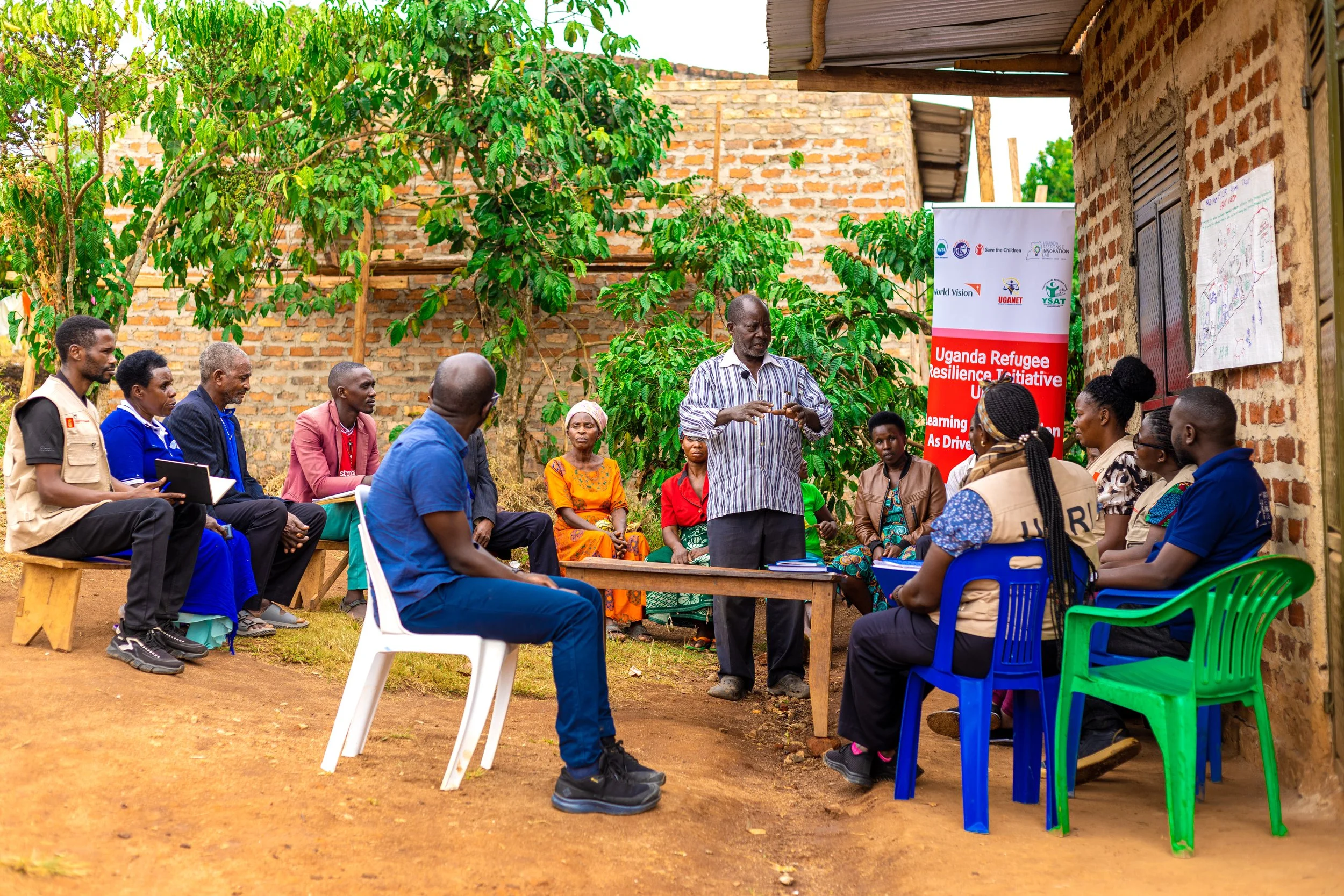
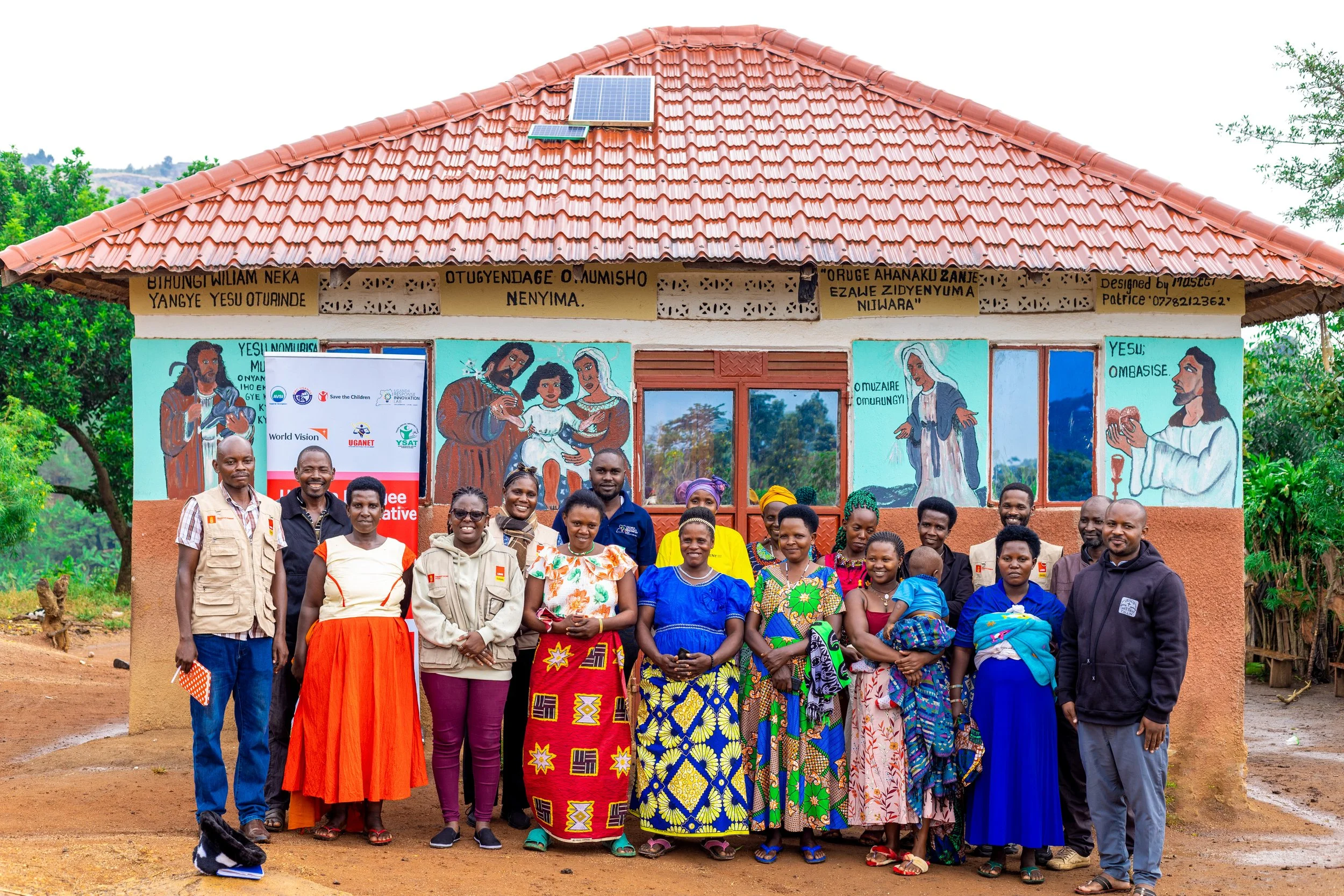
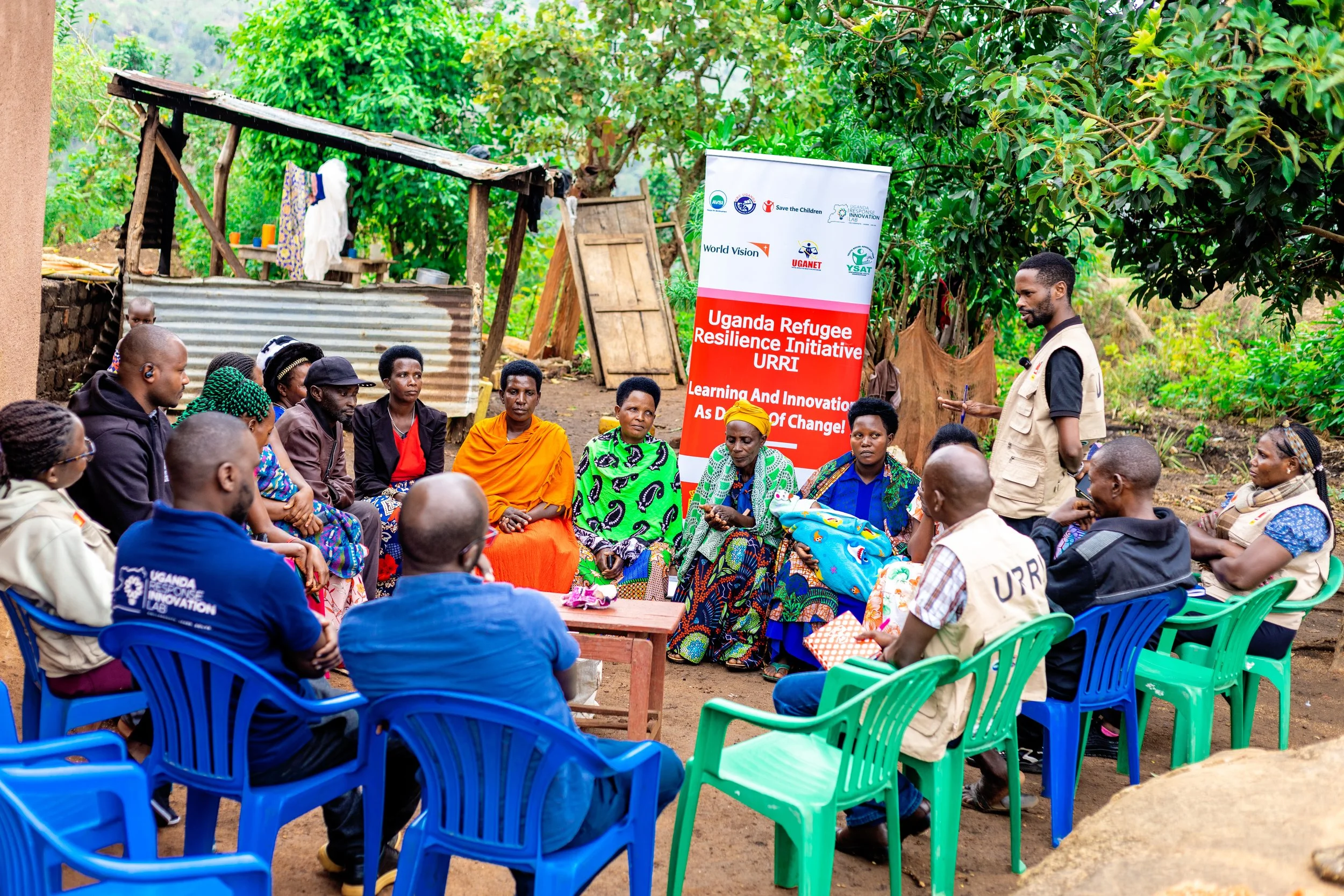
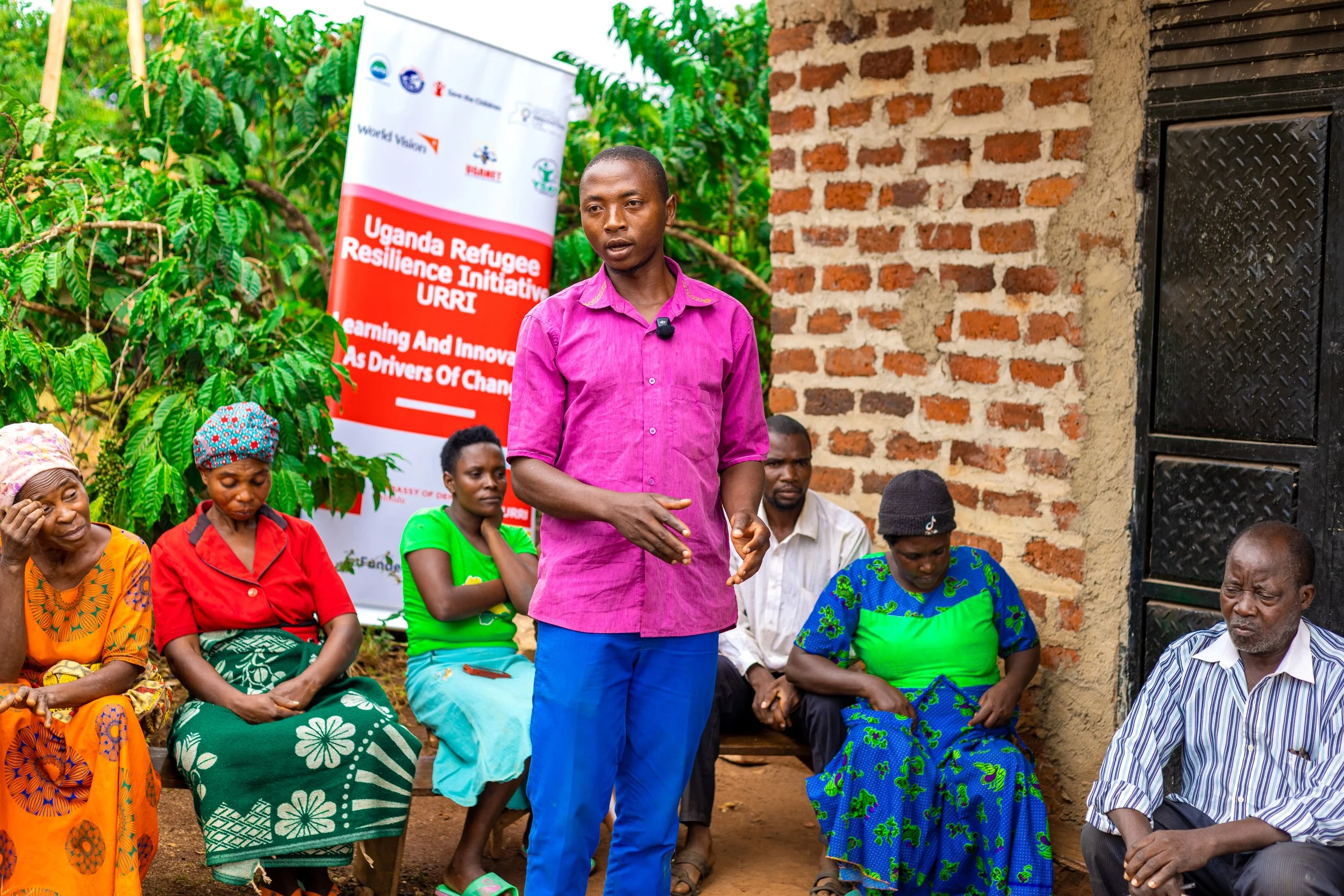
Following the workshop, the Uganda Response Innovation Lab team conducted a field visit in Kyegegwa District, where U-RIL met several farmer groups supported through VSLAs. Some groups have irrigation machines that enable them to grow vegetables for both home use and sale, with savings reinvested in their groups. Kitongo Maize Growers Group, for example, runs a strong savings scheme and participated in URRI’s local seed pilot, planting narrow beans and undergoing quality inspections. Members have also invested in goats, supported by their savings, maize sales, and grants from URRI.
The groups highlighted additional support from partners such as UGANET, which provided two wheelchairs for persons with disabilities. They expressed gratitude to the URRI project for being part of their journey. Farmers are also innovating with a two‑acre garden where they plan to establish a food forest, planting fruit trees with different canopies to conserve the environment while providing food for the community. Other groups, like Mijunwa Poultry Rearing Group, are thriving with savings and vegetable growing, supported by seedlings from URRI.
Read the full workshop report here.