
Humanitarian Innovation Intellectual Property Primer
Most innovation projects build partnerships and collaborations during their projects. It is important that when you are working with other individuals or organizations, you know what you are bringing to the collaboration and what you want to protect.
RISE Syria | Challenge Mapping and User Needs Analysis Report
Our partner Field Ready Middle East published the report following the Challenge Mapping workshop under RISE Syria.
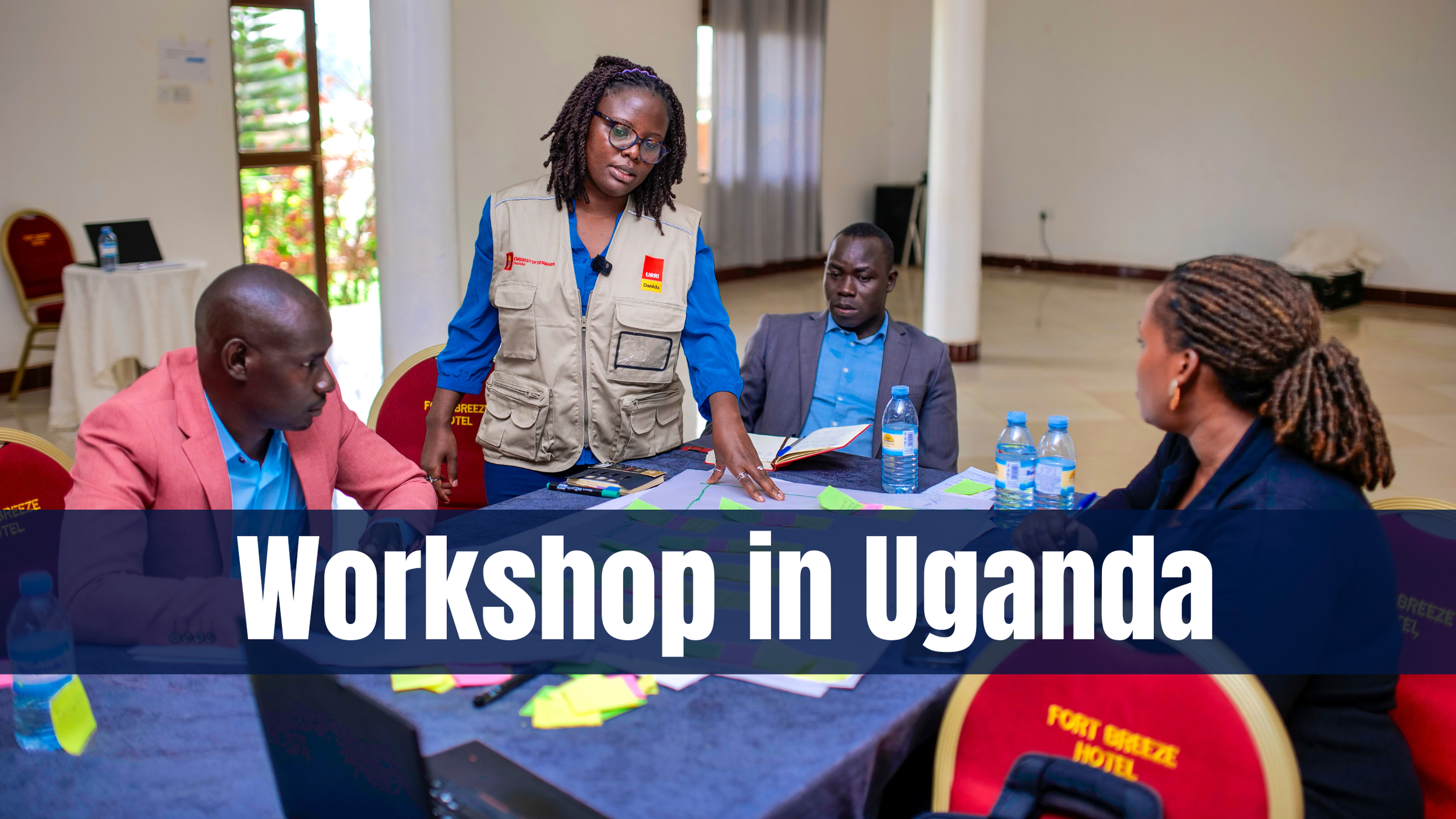
Uganda | Second Challenge Mapping Convener on “Access to Land for Refugee and Host Communities in Uganda”
On July 14, 2026, Uganda Response Innovation Lab hosted the the second “URRI Learning Review - Challenge Mapping Convener” on the issue of land access in Fort Portal, Uganda.
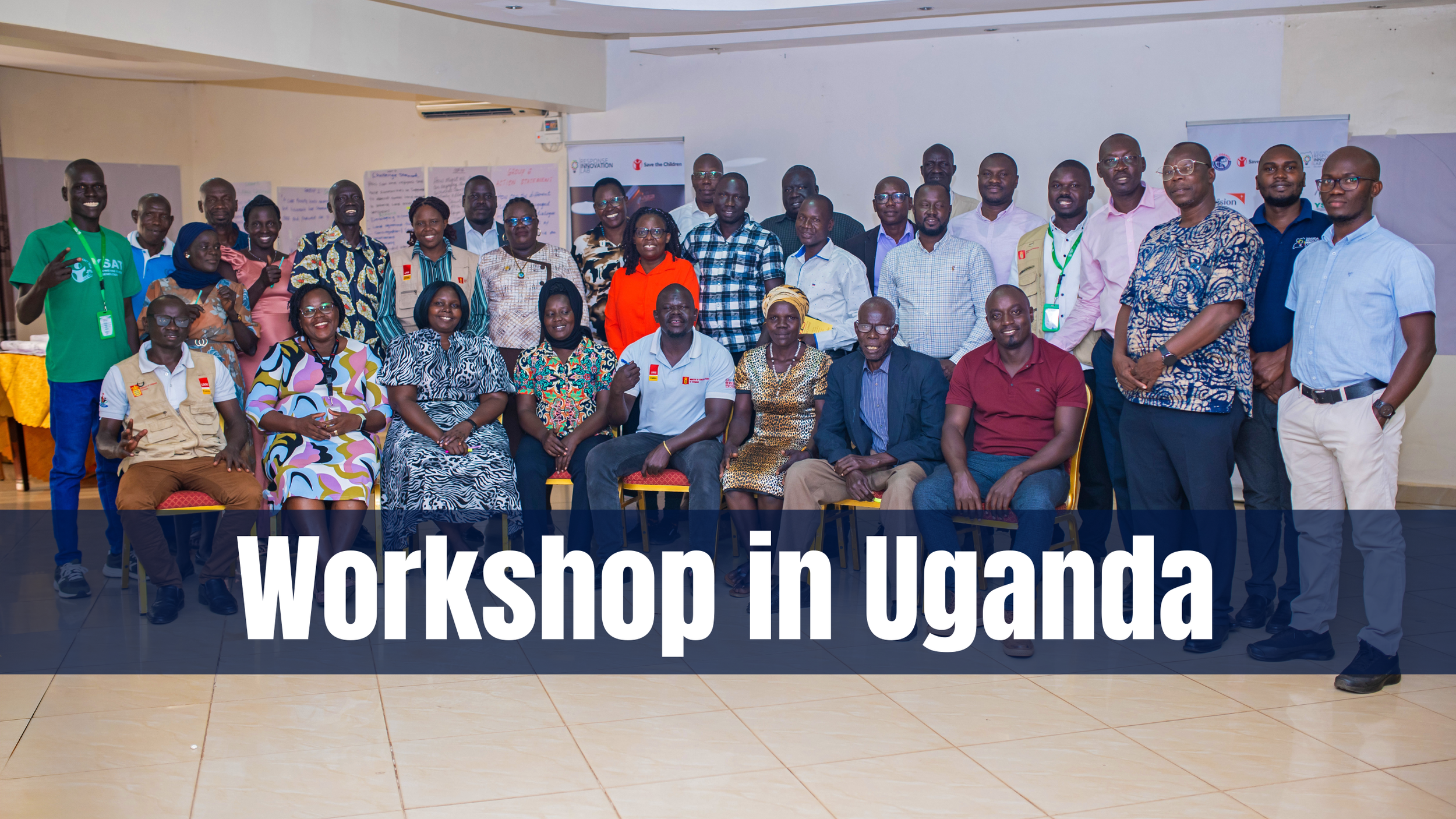
Uganda | Challenge Mapping Convener on “Access to Land for Refugee and Host Communities in Uganda”
On July 9, 2026, Uganda Response Innovation Lab hosted the first “URRI Learning Review - Challenge Mapping Convener” on the issue of land access in Gulu, Uganda.
Have You Read the Latest Issue of RIL Newsletter?
Check out the latest issue of our RIL Newsletter!
10 Ways Response Leaders Can Support Innovation in Their Teams
If we do not actively encourage those among us that we can label as innovators or agents of change, then we will always end up with the same results. This guide is a starting point, for all that are responsible for producing innovation within their teams, and those who wish to see the creation of a new way of thinking.
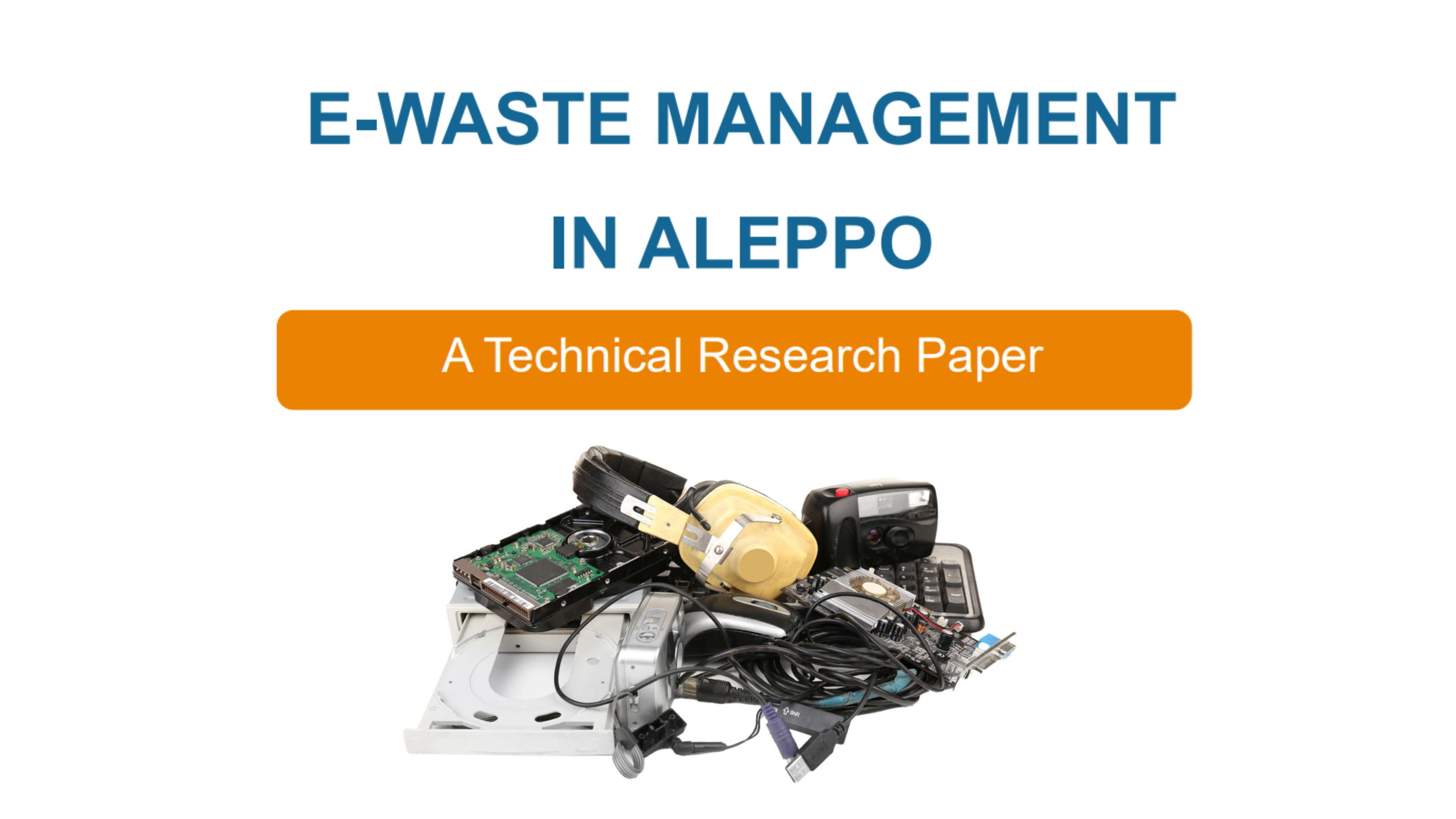
Technical Research Paper | E-Waste Management in Aleppo
This report sheds light on the issue of electronic waste in the city of Aleppo, Syria, with a focus on the current situation and its environmental and social impacts. It attempts to estimate e-waste quantities and examine existing collection and treatment practices. It should be noted that detailed, city-level data—particularly for Aleppo—are scarce or unavailable, although indicative estimates exist, such as an average of approximately 4.6 kg of electronic devices available per capita in the market.
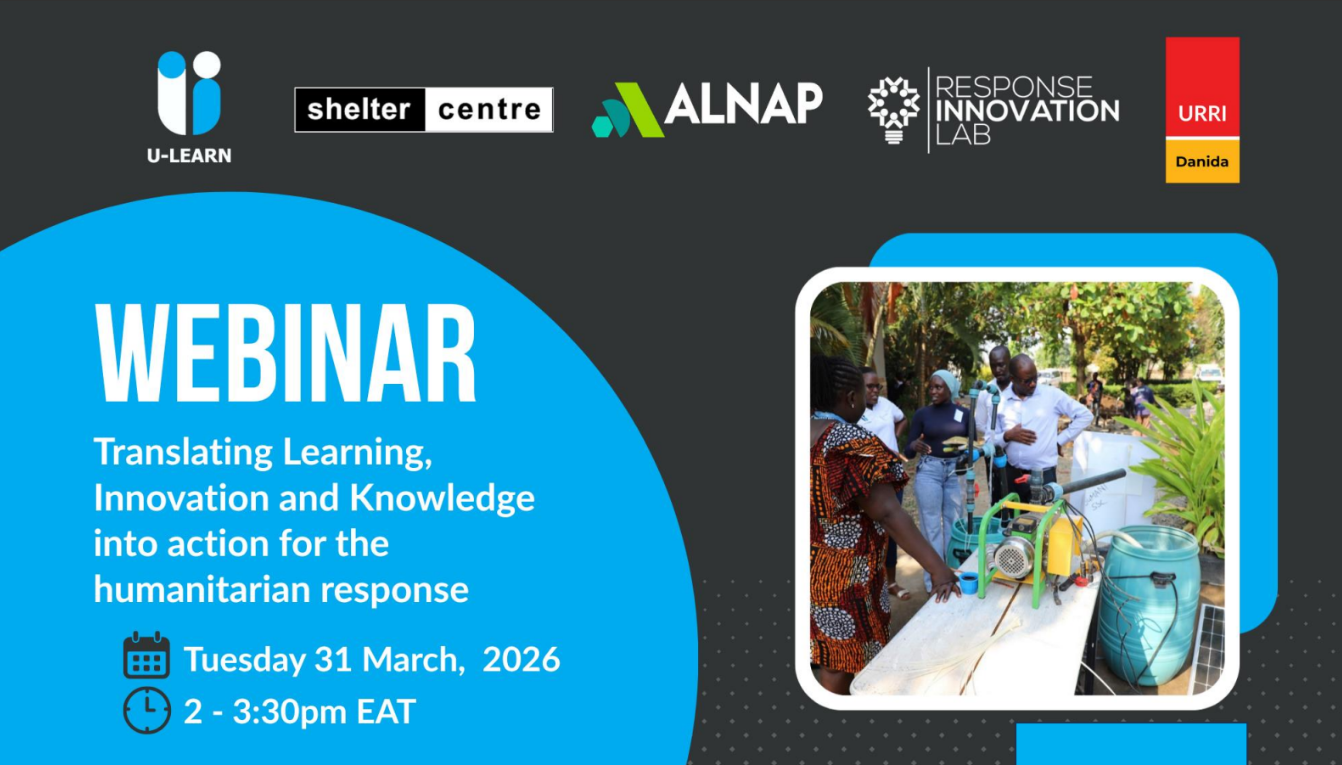
Resources Sharing | From the Webinar on Learning, Innovation & Evidence Uptake
U-Learn, together with Rwanga Foundation, ALNAP, the Humanitarian Library and Shelter Center, co-hosted a webinar on learning, innovation, and evidence uptake in humanitarian contexts. The webinar aimed to share practical approaches to strengthening learning and evidence uptake in humanitarian and refugee responses. Check out the webinar recording and relevant resources!
Year in Review 2025: Navigating Disruptions, Doing More with Less
Our annual review for 2025 is finally here. The year witnessed significant disruptions across the humanitarian sector, yet our global network continued to explore—through relentless effort and commitment—how to do more with less.

Humanitarian System Transformation through Local Humanitarian Leadership Training Series
We have successfully delivered the first round of the training series under the Oxfam Novib program “Humanitarian System Transformation through Local Humanitarian Leadership”! Together, we unpacked the structural challenges around capacity and risk sharing, and explored how innovation can be a practical tool to rethink the way we work — from the ground up.

RIL 2024 Year in Review
The highlights of Response Innovation Lab’s 2024, across the globe.

Deep Dive into RIL’s Workshop | Report from NW Syria Challenge Mapping Workshops
Recognising the challenge brought by food insecurity, the Syria Response Innovation Lab (RIL), in collaboration with Field Ready Middle East, World Vision Syria Response (WVSR), and the Food Security Cluster (FS Cluster), organized two back-to-back workshops—one in Gaziantep, Türkiye, and another in Northwest Syria at the RIL. These workshops provided a platform for frontline responders to voice challenges, exchange insights, and collaboratively design solutions, fostering local ownership.

Navigating the Gray Area of Social Entrepreneurship: Profit, Purpose, and Sustainability
Insights from our MENA Manager, Ruba Hijazi, on Social Entrepreneurship and the collaborations between NGOs and social enterprises.
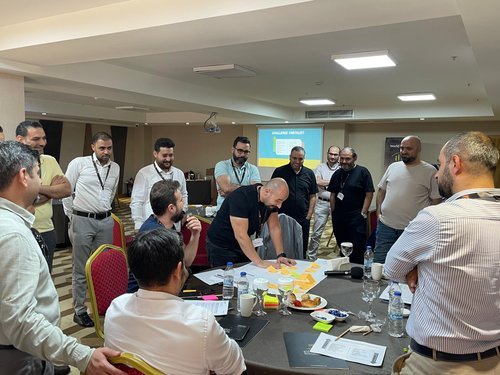
Convener Report: WASH Challenge Mapping in NW Syria
How did we conduct the convener for challenge mapping in NW Syria? Read our full Convener Report to know more about how RIL works on the ground.

Project Highlight: Gulu University's Nutritional Renaissance
Nestled within the challenging terrain of the Rhino Camp Refugee Settlement in Uganda, a beacon of hope is meticulously emerging through the collaboration of Gulu University, the Response Innovation Lab (RIL), and Save the Children. This unfolding narrative, generously backed by Innovation Norway under the Local Innovations for Nutrition Solutions (LINS) project, unfolds against the backdrop of two critical issues plaguing refugee-hosting communities—malnutrition and limited access to diverse, nutritious foods.

Seed Funding 2023 Roundup Report
Under the support function, the Uganda Response Innovation Lab (U-RIL) supports innovators and implementers to maximise their ability to deliver successful innovations in a specific humanitarian context. One of these support avenues is seed funding to test prototypes or conduct pilots. The seed funding is open to entities registered in Uganda (Uganda-led or refugee-led) and with an existing proof of concept.

Local Innovations for Nutrition Solutions Report
The Local Innovation Nutrition Solutions (LINS) project aimed to create viable business models to enable the sustainable demand of local nutritious foods in refugee-hosting communities in Uganda. The goal of LINS was to address underlying determinants of malnutrition in refugee children living in Kyaka II and Rhino refugee settlements through the analysis and testing of appropriate small-scale solutions and practices, developed through a human-centered design process. The process aimed to ensure high standards of quality and safety in complementary foods for improved nutrition and associated sustainable business and marketing models.
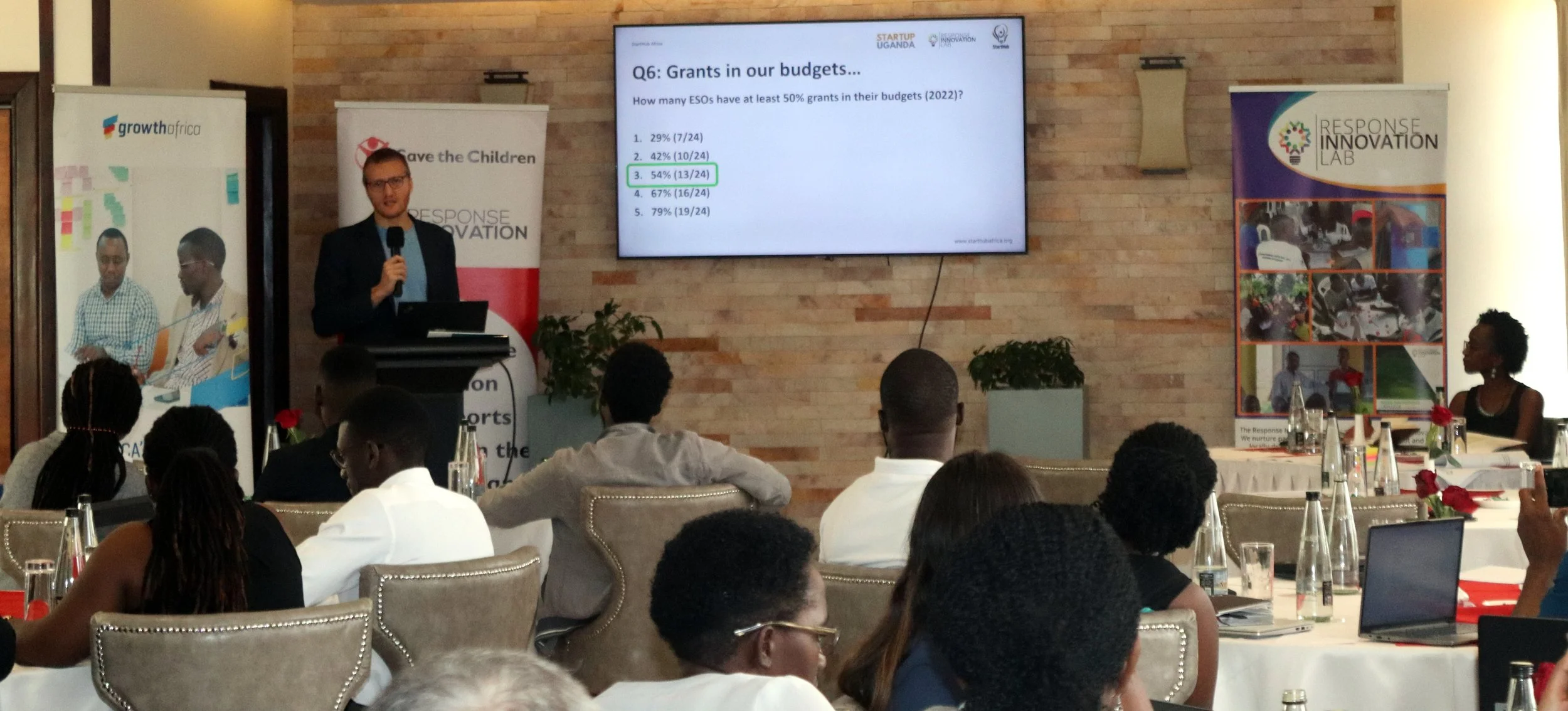
U-RIL hosts launch event for Entrepreneurship Support Organizations (ESOs) landscape analysis
On Friday, 29 September 2023, Uganda's Response Innovation Lab (U-RIL), in partnership with Startup Uganda, hosted an event to disseminate the findings of the Landscape Analysis of the Uganda Innovation Ecosystem and to launch SMILE, an interactive ecosystem map.

RILx23 Perspectives: Reflections on Humanitarian Innovation - Navigating New Frontiers, Partnerships, and Impact
Dear humanitarian innovators and innovative humanitarians,
I hope that this blog post finds many of you enjoying a well-earned vacation. Leaving your day to day surroundings has a way to elicit some fresh thinking and gain some perspective on things, no? In my case, the change of perspective is quite literal:

Index Based Livestock Insurance (IBLI)
SomRIL has supported the Somali Livestock Insurance Consortium (SLIC) comprised off the SomReP consortium, ILRI (Internation Livestock Research Institute) and the Federal Government of Somalia, raise awareness across many public and private stakeholders, conduct feasibility studies, support the government for a task-force, and support the development of a Policy Roadmap. We also created an explainer video in English, Somali and Arabic: https://youtu.be/uQhcLojJxjY