Workshop Takeaways | Challenge Mapping in Indonesia
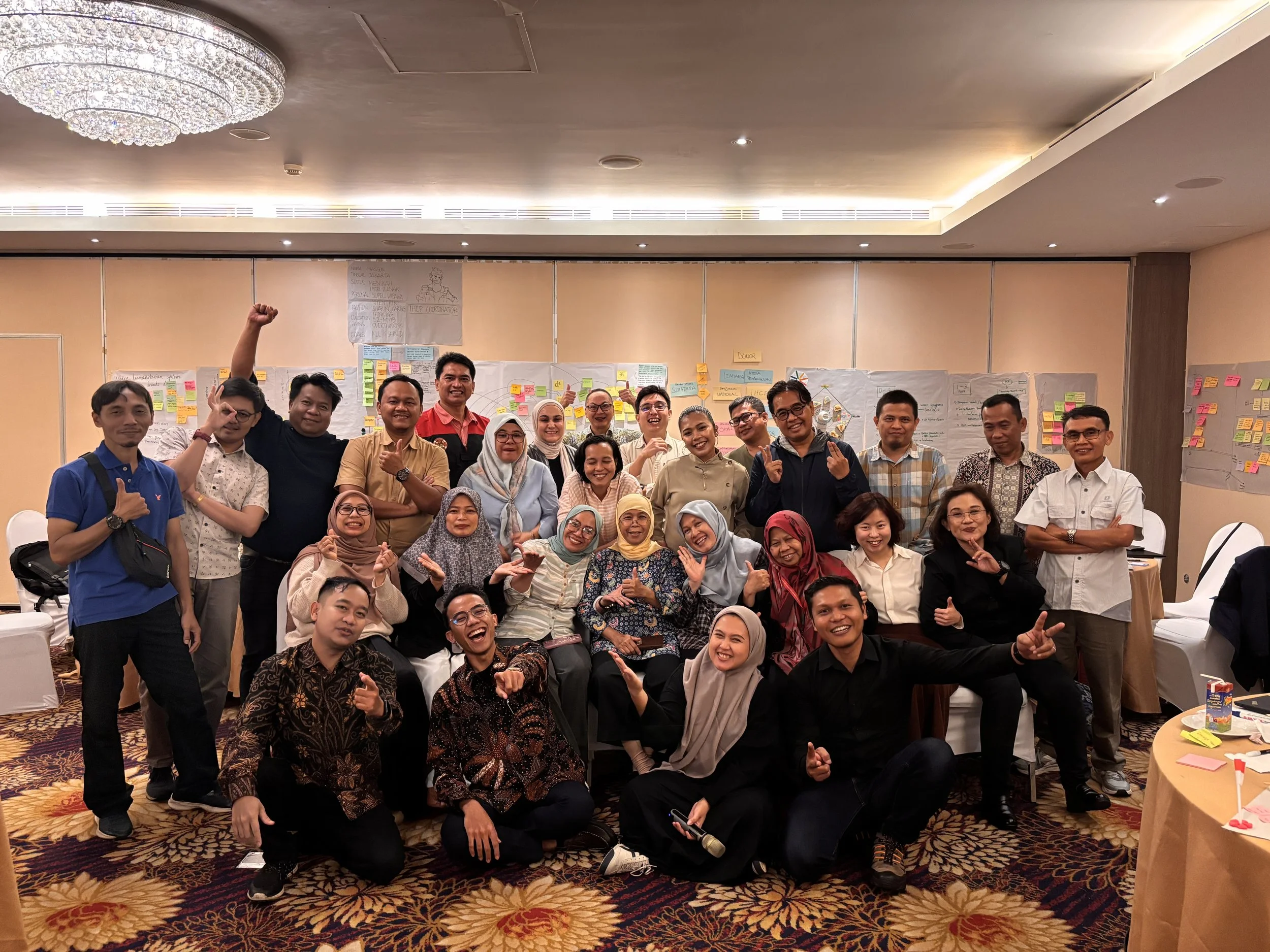
As part of the HST–LHL initiative, the Response Innovation Lab (RIL), in partnership with the Indonesia Localisation Lab (INALocLab) and Penabulu, conducted a visit to Jakarta from February 9-13 to engage with national and subnational stakeholders, meet project partners, and observe localisation in action through Indonesia’s humanitarian coordination platform. The visit provided valuable insights into how local leadership shapes humanitarian responses on the ground.
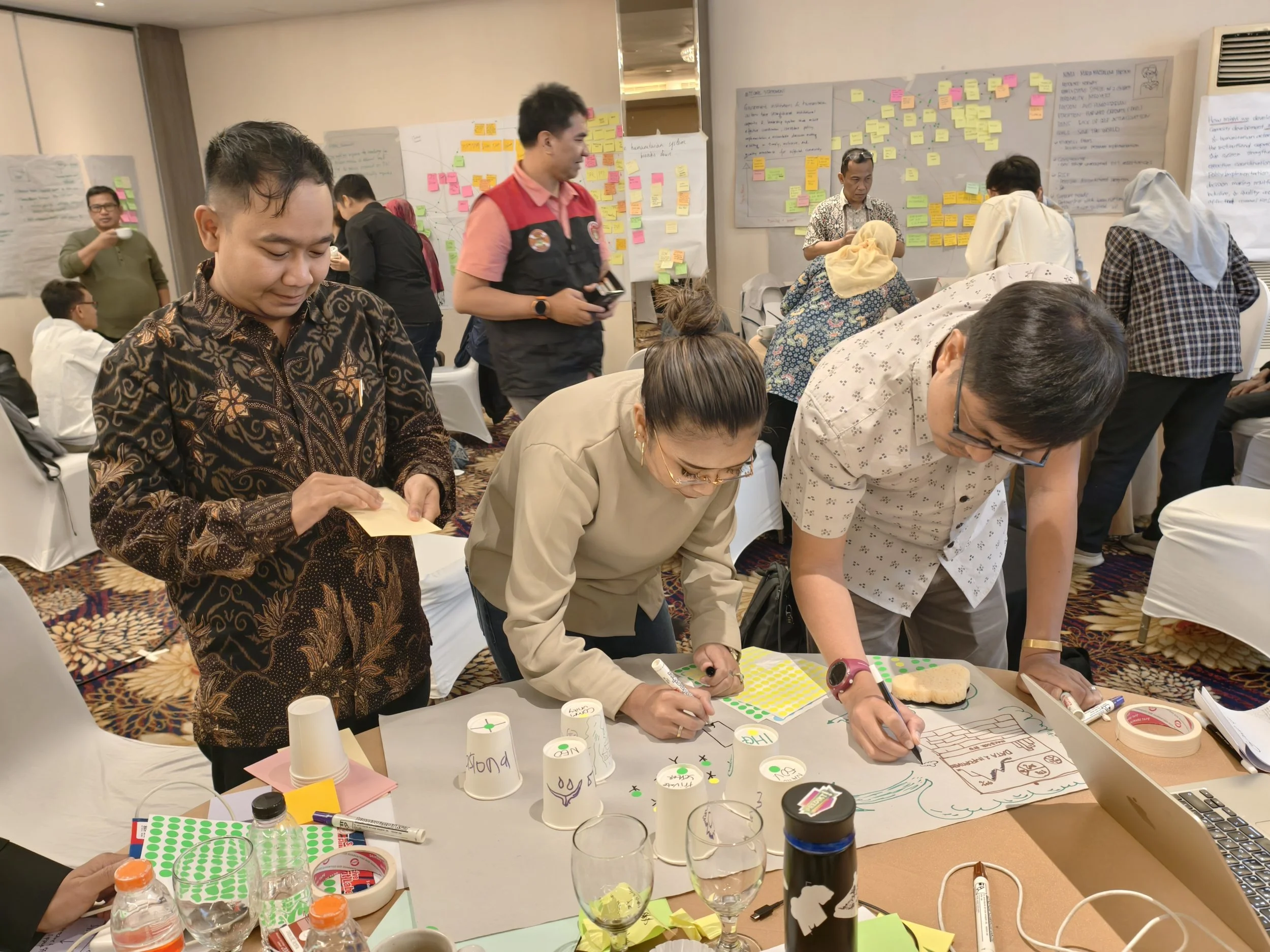
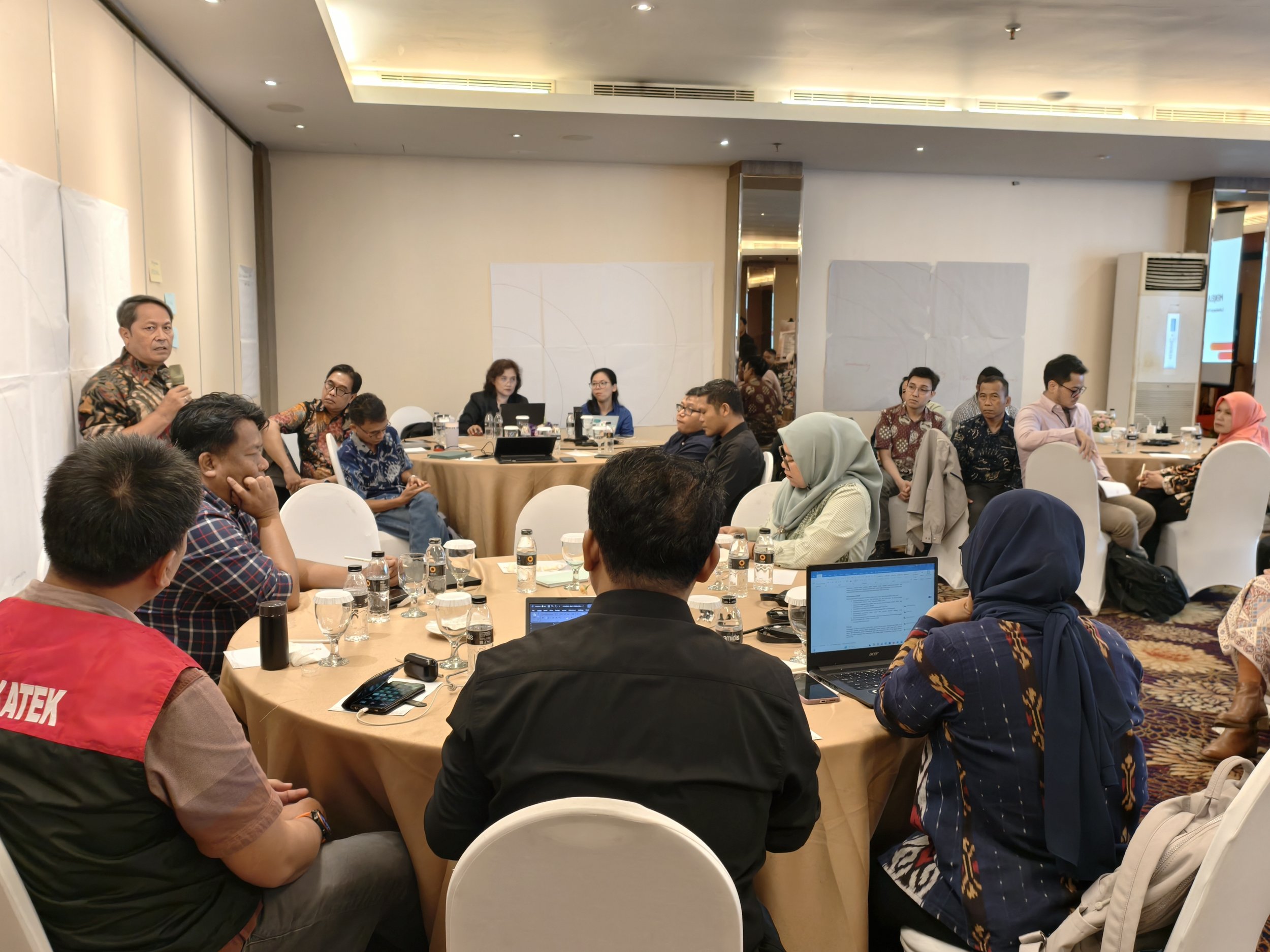
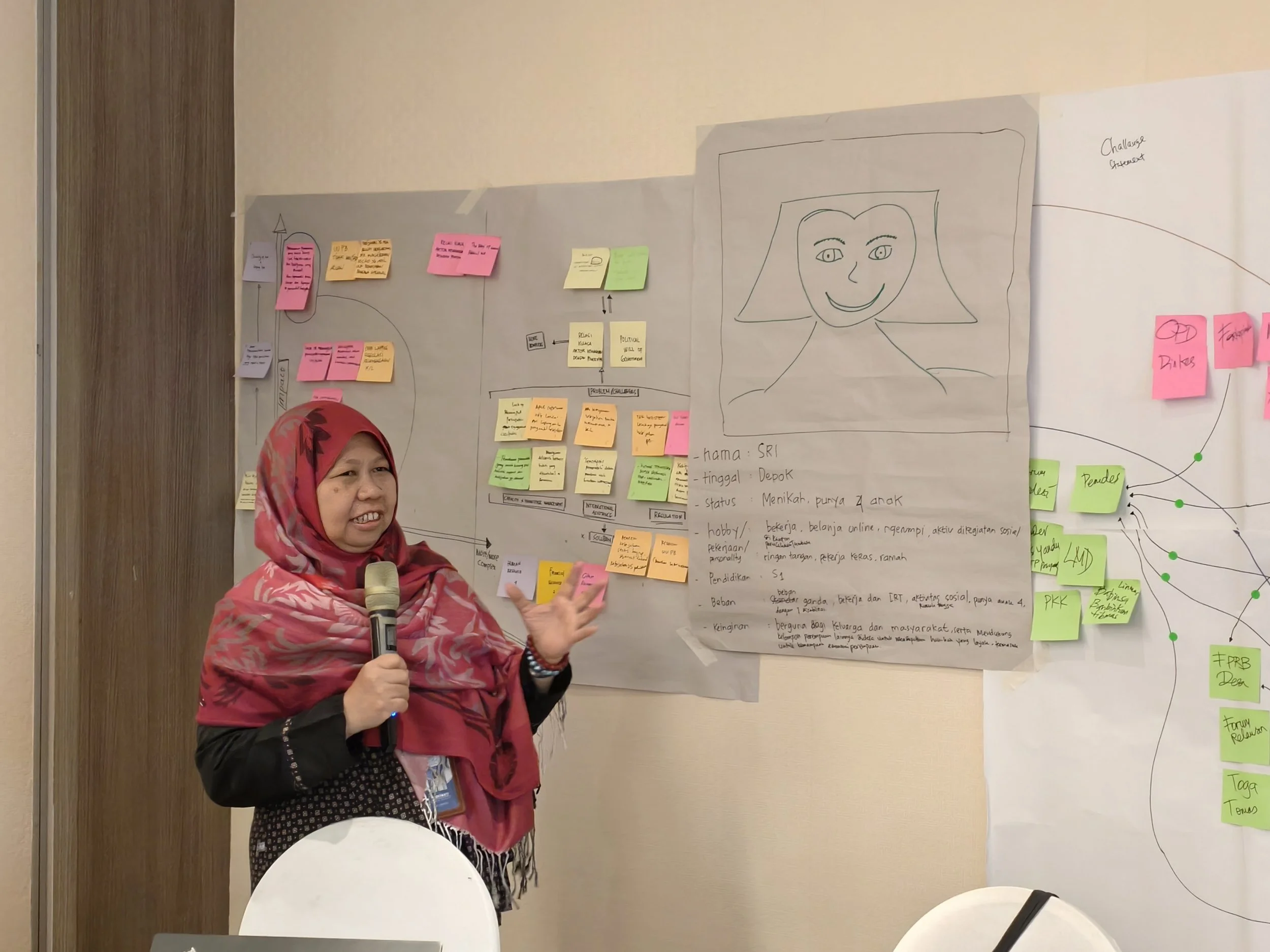
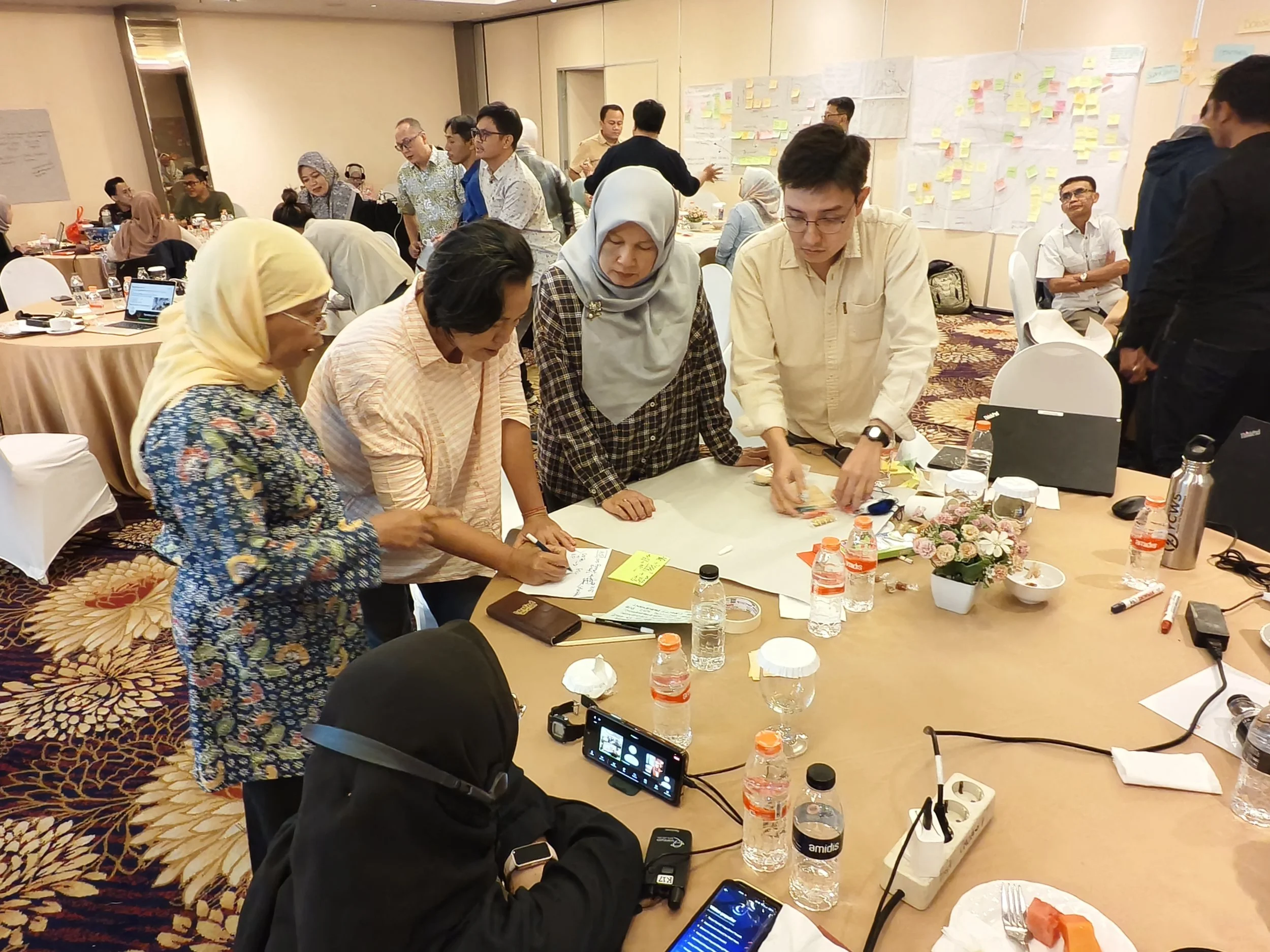
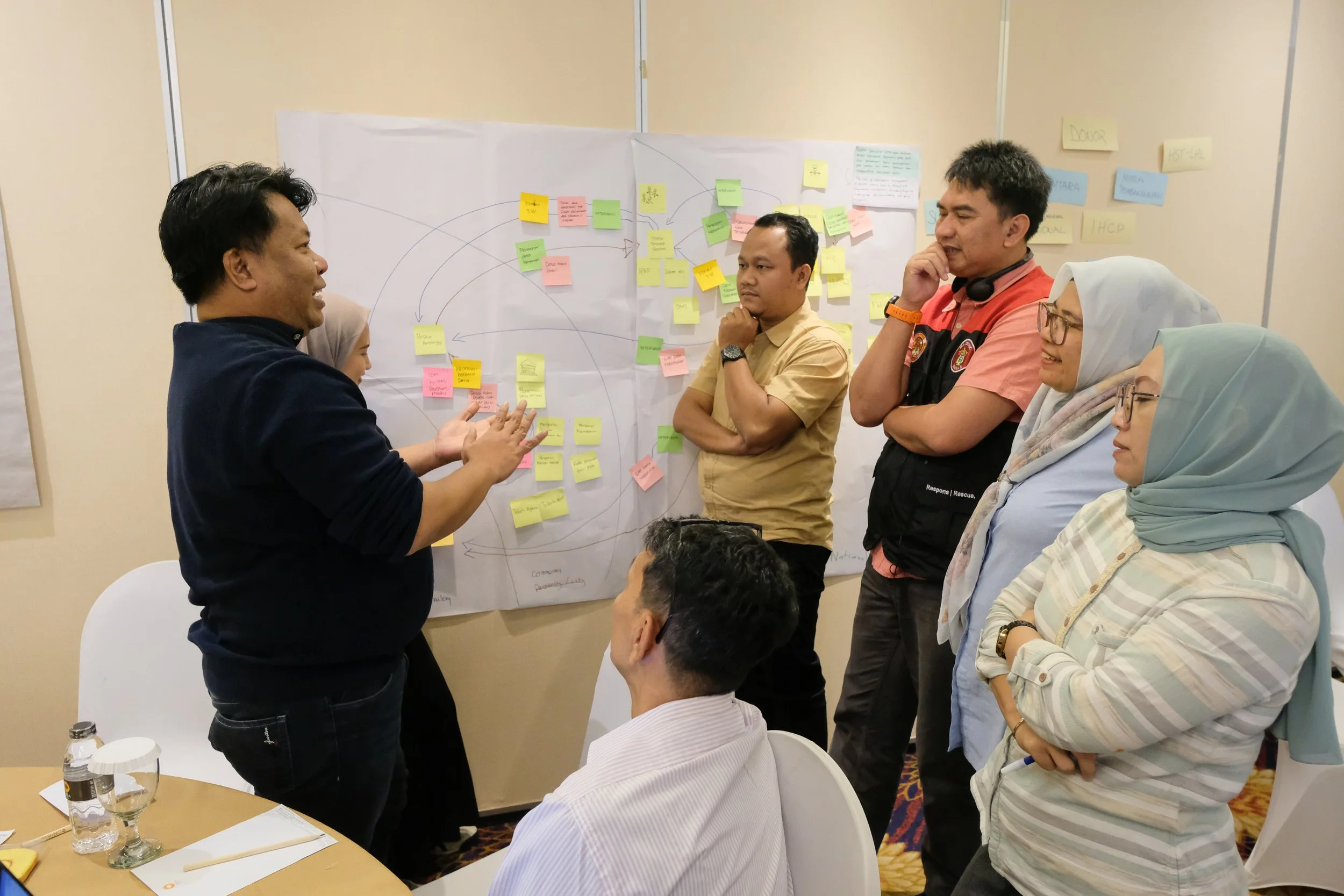
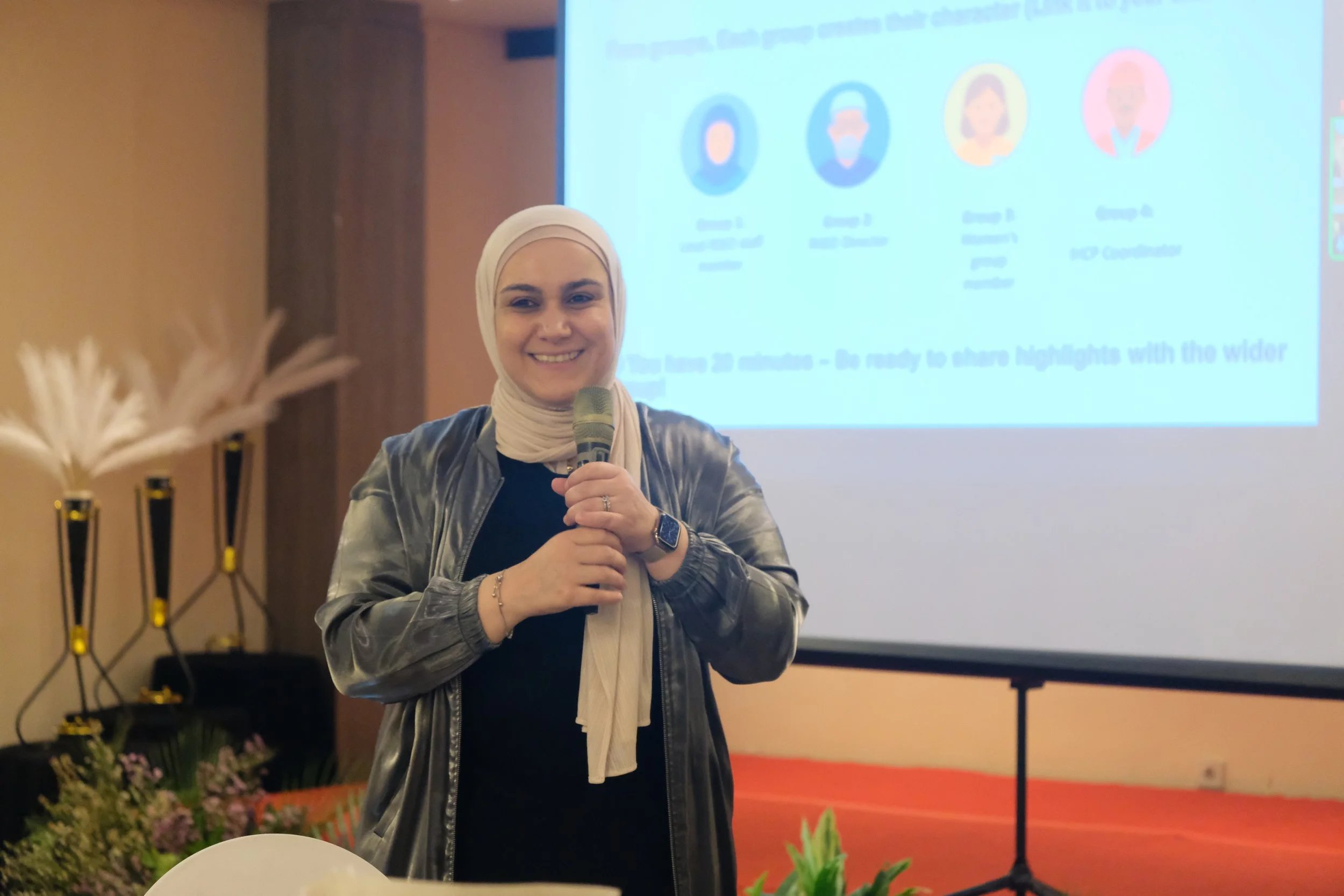
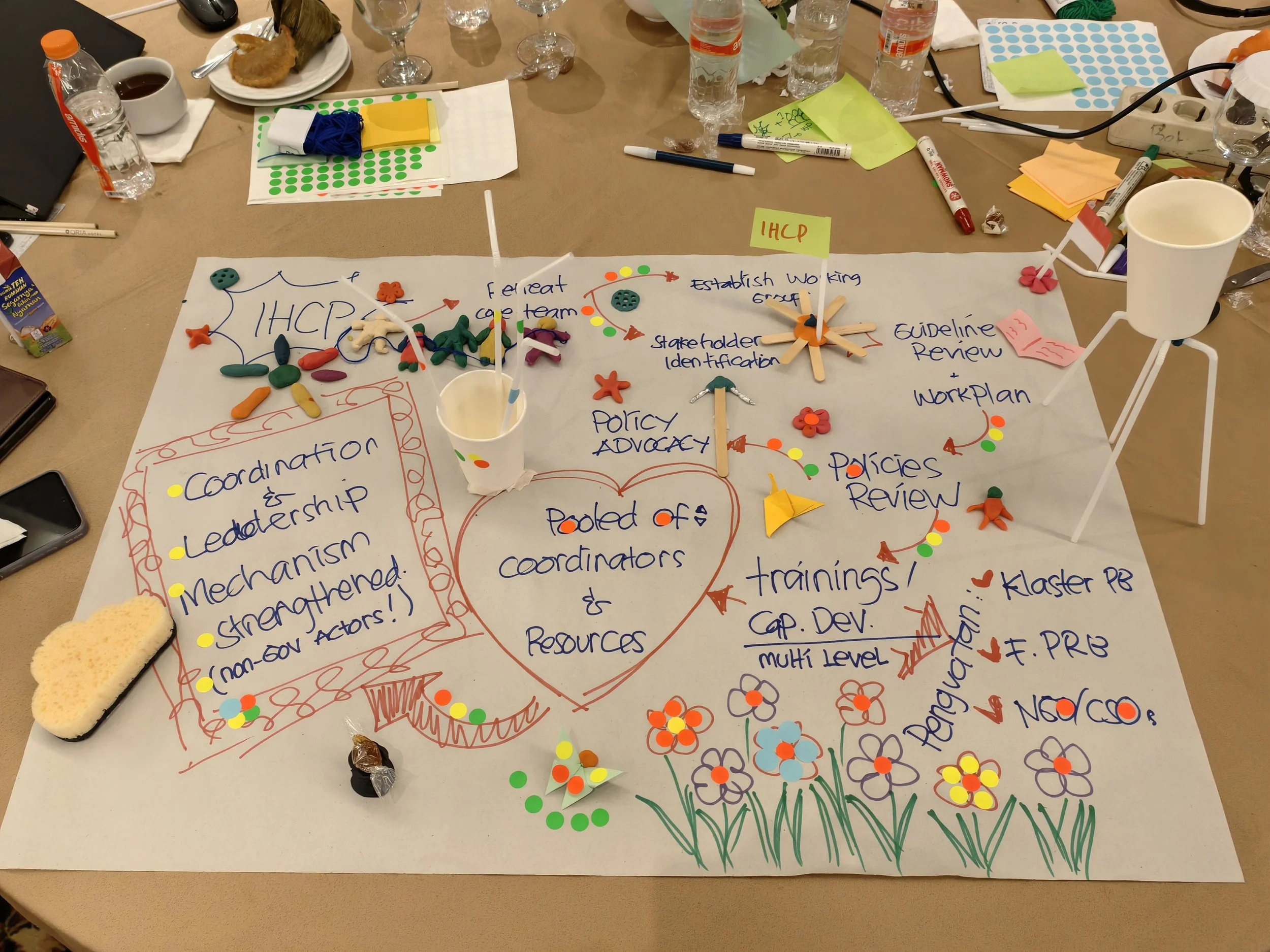
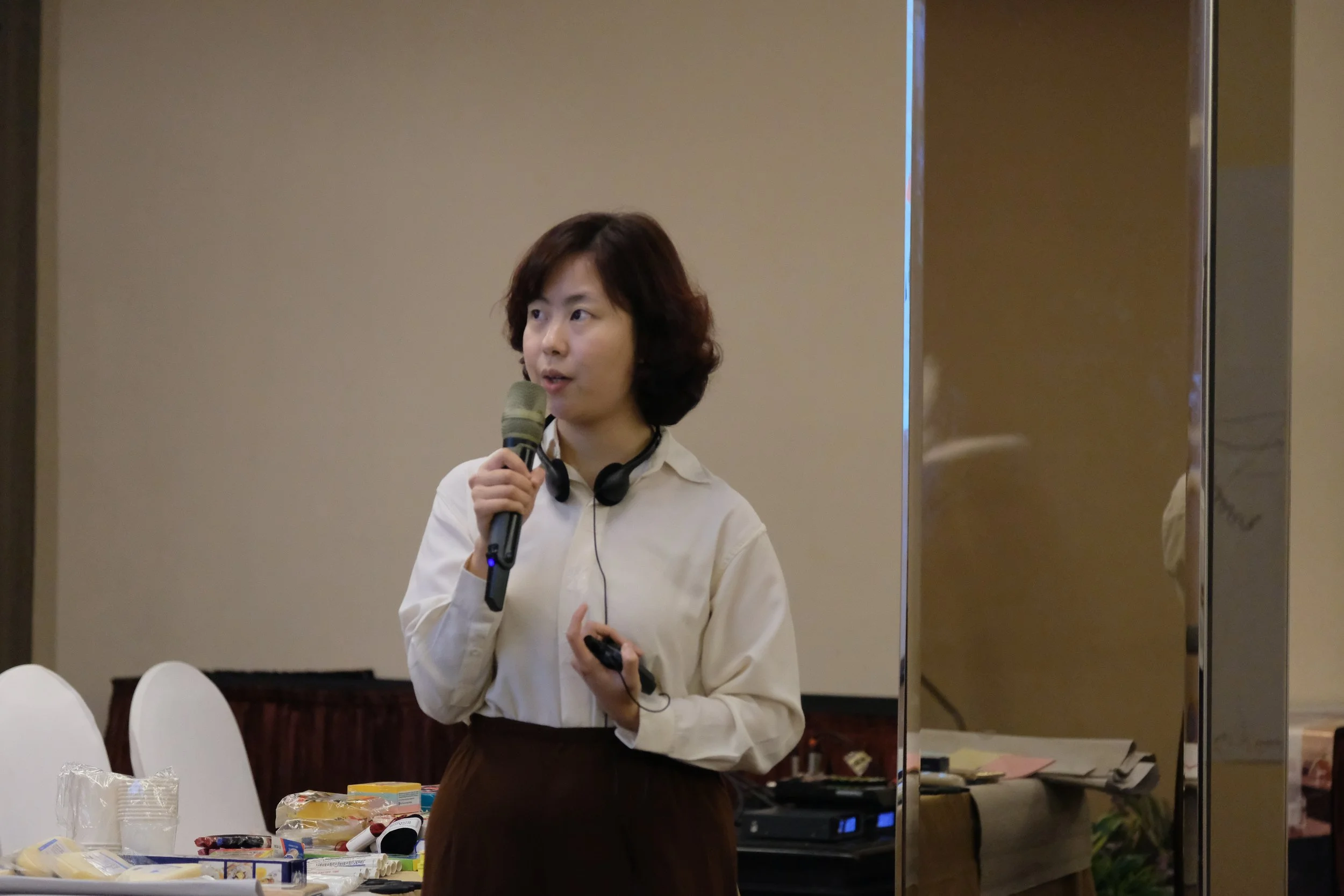
During the visit, RIL facilitated a two-day national challenge mapping workshop that combined insights from prior research, regional validation focus groups, and stakeholder engagement. The workshop applied human-centered design and challenge mapping techniques to break down systemic challenges, map stakeholders and gaps, surface hidden risks, and develop practical, adoptable solutions; all grounded in both evidence and lived experience to support locally led humanitarian coordination in Indonesia.
Key takeaways from the visit and workshop include:
Local leadership in practice: Multi-level coordination demonstrated the importance of engaging local actors in effective humanitarian response. In addition, strong national intermediary structures can take on key functions such as information management, advocacy, and policy alignment. The leadership and governance structure should also provide clarity to avoid duplication, delays, and gaps in response.
Data as a foundation: Integrated and accessible information systems are essential for timely, evidence-based decision-making. Standardisation of data and information across different levels (i.e., national, provincial, municipal, community) also encourages more accurately designed interventions.
Capacity strengthens impact: Supporting both institutions and individuals with capacity sharing, including decision-makers and local actors, enhances coordination and policy implementation. Capacity support should also go beyond training: we also need substantial investment in institutional knowledge management, leadership capacity, and sustained learning within and between organisations.
Bridging policy and practice: Engaging actors from national to community levels helps align policy priorities, operational realities, and local needs. We tend to underutilise the capacity and contextual knowledge possessed by community actors, who are well positioned to systematically engaged for decision making.
Knowledge exchange and peer learning accelerate system improvement: Facilitated learning-oriented workshops, learning platforms, and inter-regional exchanges can help spread good practices and strengthen coordination over time. Such occasions also help collectively scoping of existing gaps and challenges, informing the design of system pathways to more effective and coordinated response.
The visit reinforced that locally led humanitarian action requires more than responding to crises, it depends on enabling systems, building capacities, and fostering collaboration. The insights and solutions generated offer actionable pathways for Indonesia and lessons for localisation globally.