Unpacking Agricultural Challenges: From Field Realities to Shared Understanding
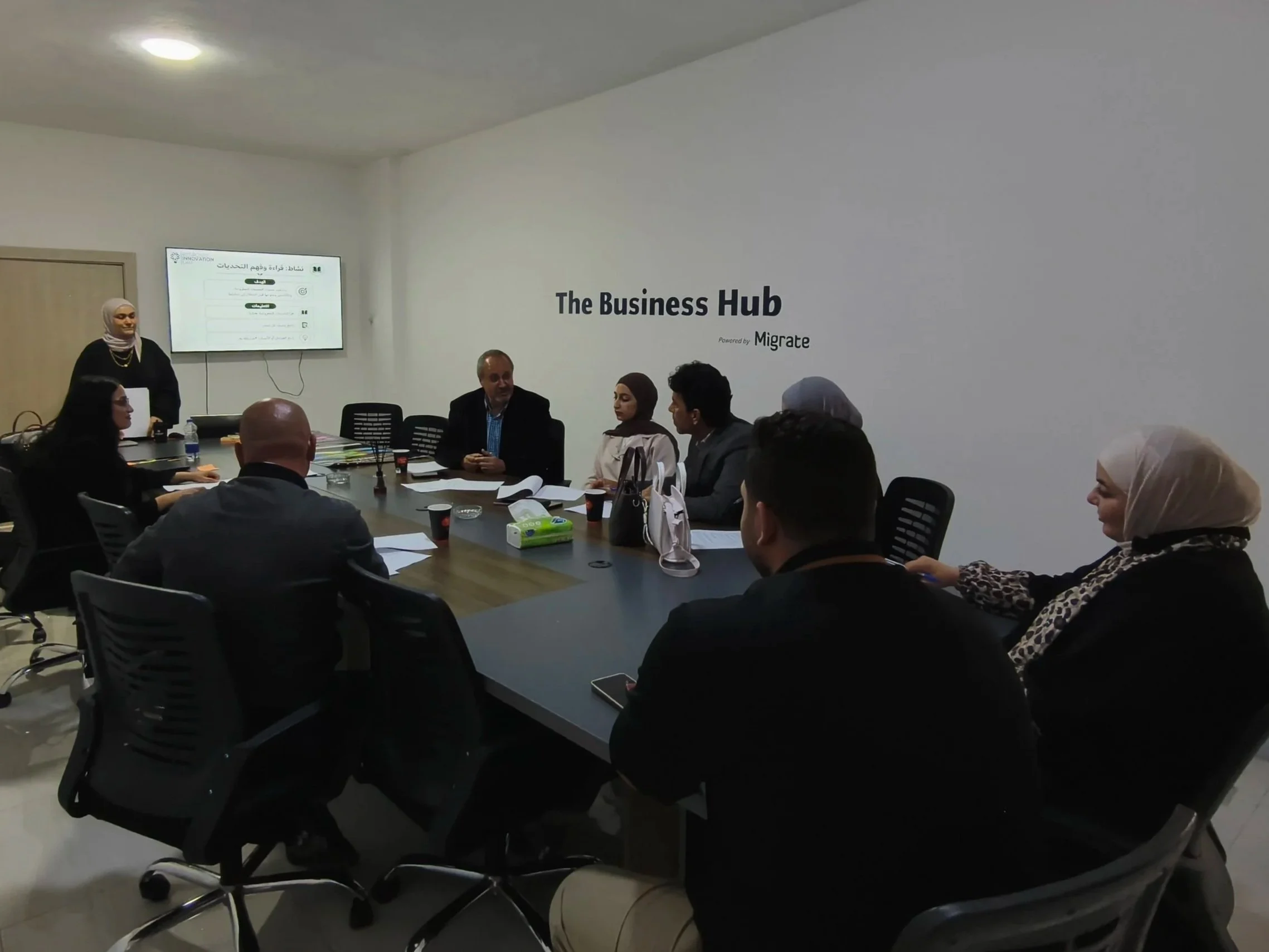
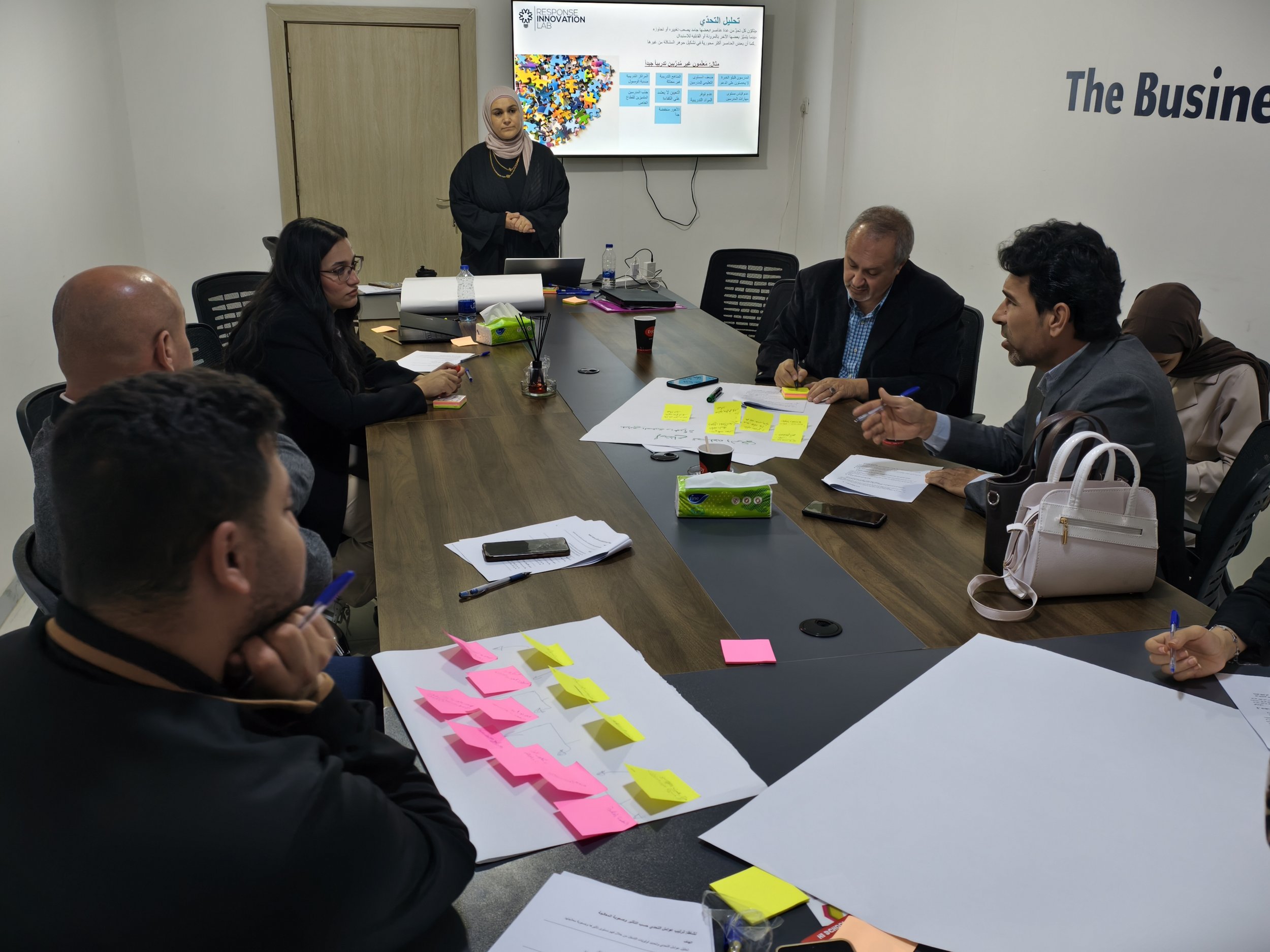
On Tuesday, 5 May 2026, we hosted a special edition of our Thoughtcast series in Amman, focusing on analysing challenges within the agricultural sector as an entry point for developing practical, context-driven solutions. The session brought together stakeholders from across the agricultural ecosystem for a more targeted and focused discussion.
The session was organised in response to the growing and interconnected challenges affecting the sector, including limited resources, rising operational costs, barriers to market access, and uneven adoption of technological solutions. These realities underscored the importance of creating space for deeper analysis and collaborative reflection on how agricultural challenges can be addressed more effectively.
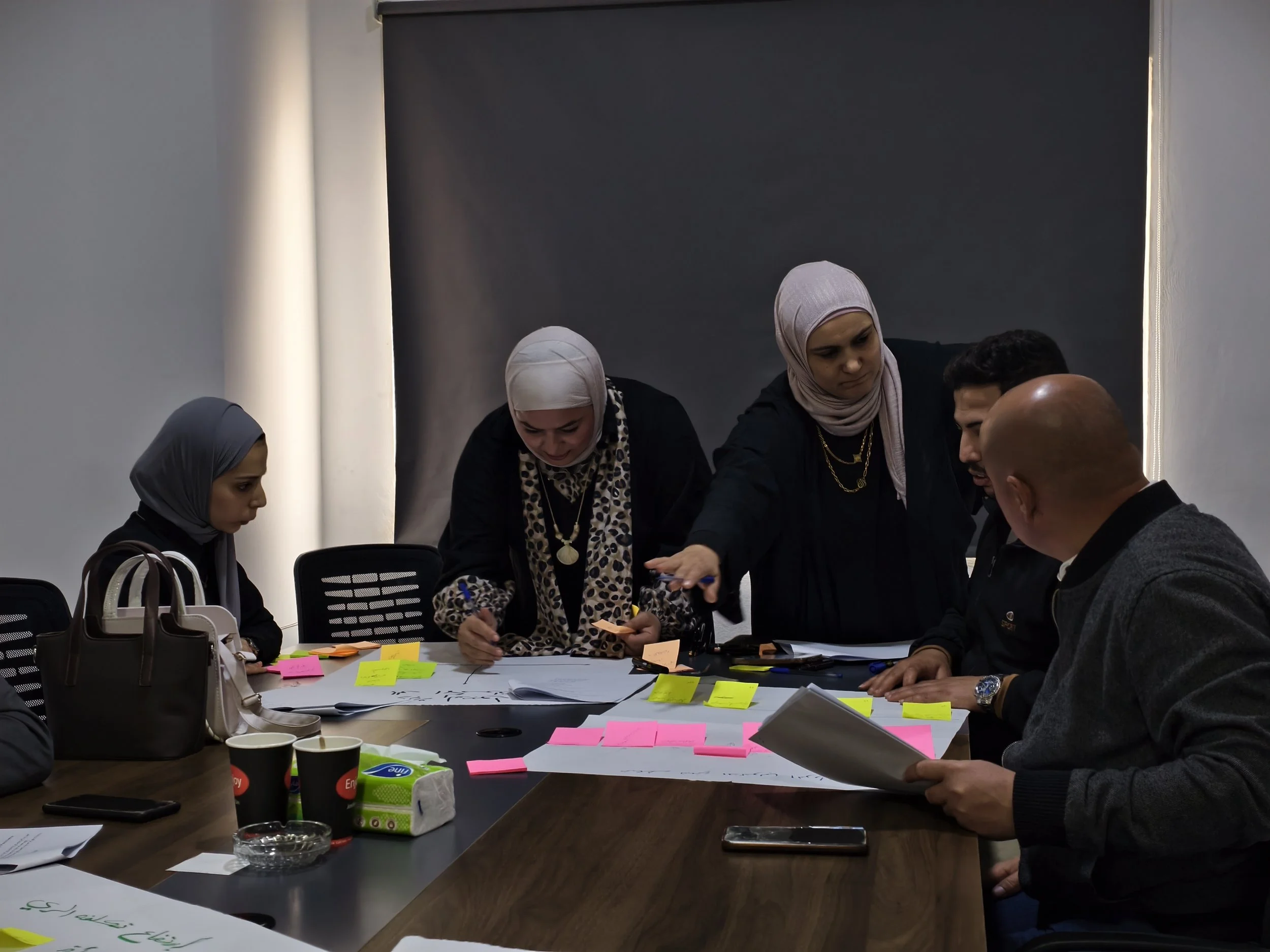
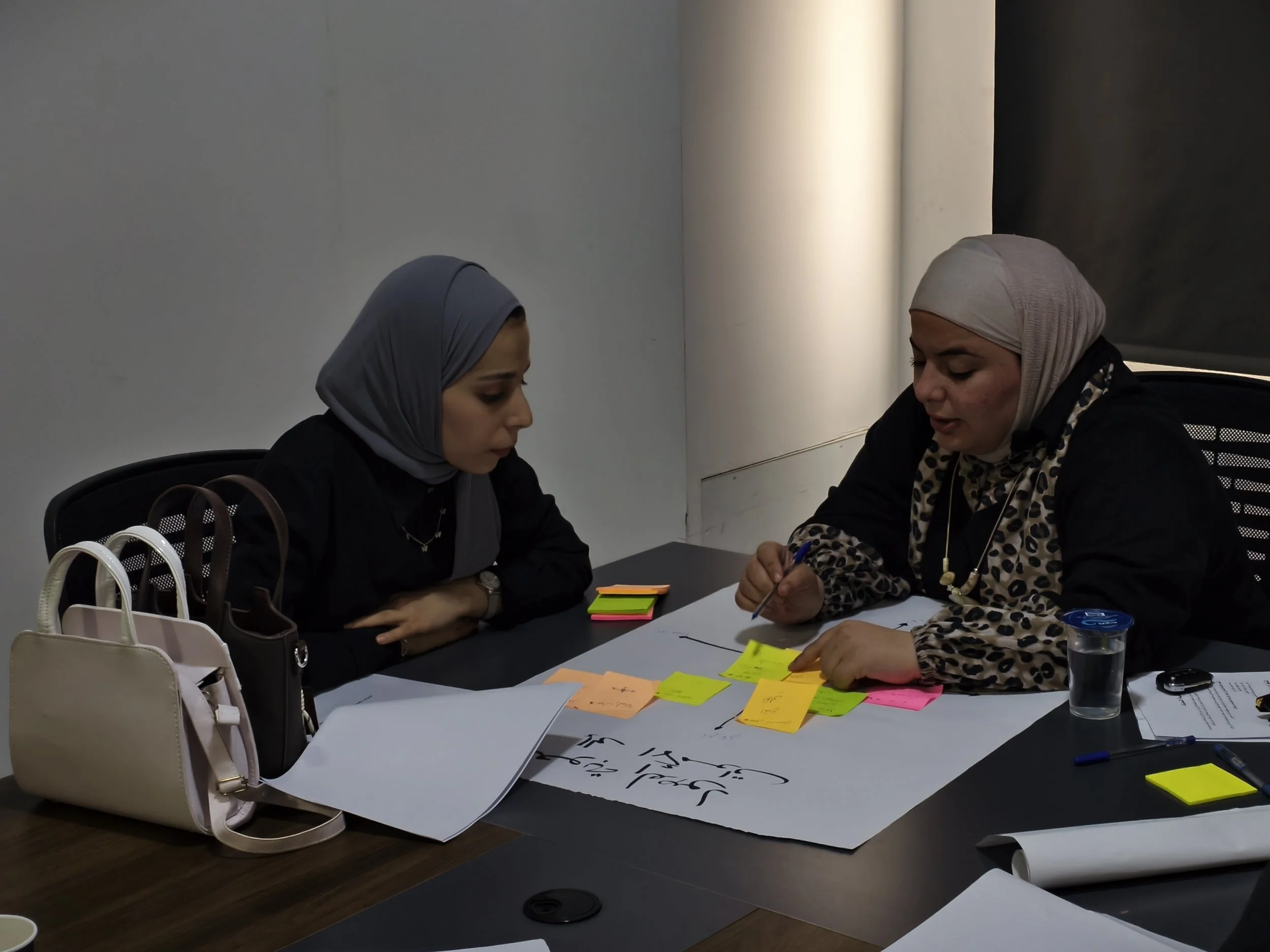
The discussion explored approaches to understanding these challenges, breaking them down into actionable components, identifying intervention priorities, and framing them in ways that support practical solution development and innovation.
Participants included representatives from small- and large-scale agricultural operations, innovators developing tools and solutions to support and simplify agricultural practices, and researchers interested in the sector and its evolving challenges.
One of the key issues raised was the rising cost of irrigation. Participants highlighted increasing expenses driven by fuel and energy prices, inefficient irrigation systems, and the limited availability of affordable alternatives. The discussion also examined whether the core challenge lies in the cost of resources such as water and energy, or in the efficiency of their management and use. These constraints were noted as having a direct impact on agricultural productivity, with implications for cultivated land and overall yields.
Another major challenge discussed was limited access to markets. Many producers continue to rely heavily on intermediaries who largely determine pricing, a dynamic shaped by weak infrastructure, limited access to market information, and the absence of effective coordination and aggregation mechanisms. This has ongoing implications for income stability and market competitiveness.
The discussion also highlighted the low adoption of agricultural technologies. Barriers such as high costs, limited awareness and training opportunities, insufficient technical support, and the lack of locally adapted solutions continue to constrain uptake. As a result, many agricultural practices still rely on traditional and less efficient methods across areas such as irrigation management, crop monitoring, production planning, post-harvest handling, and agricultural marketing.
Overall, the session provided an opportunity to ground understanding of agricultural challenges in the perspectives and lived experiences of those working directly in the sector. By centring field realities and priorities, the discussion contributed to shaping future innovation efforts that are more responsive to local contexts and closely aligned with challenges on the ground.