Uganda | National Convener on Innovative Financing for Humanitarian Impact
There is a growing need for financing models that move beyond traditional grant-based approaches to support sustainability, resilience, and long-term entrepreneurial growth. Innovation financing should be responsive to the realities facing entrepreneurs, especially those operating in underserved and refugee-hosting communities.
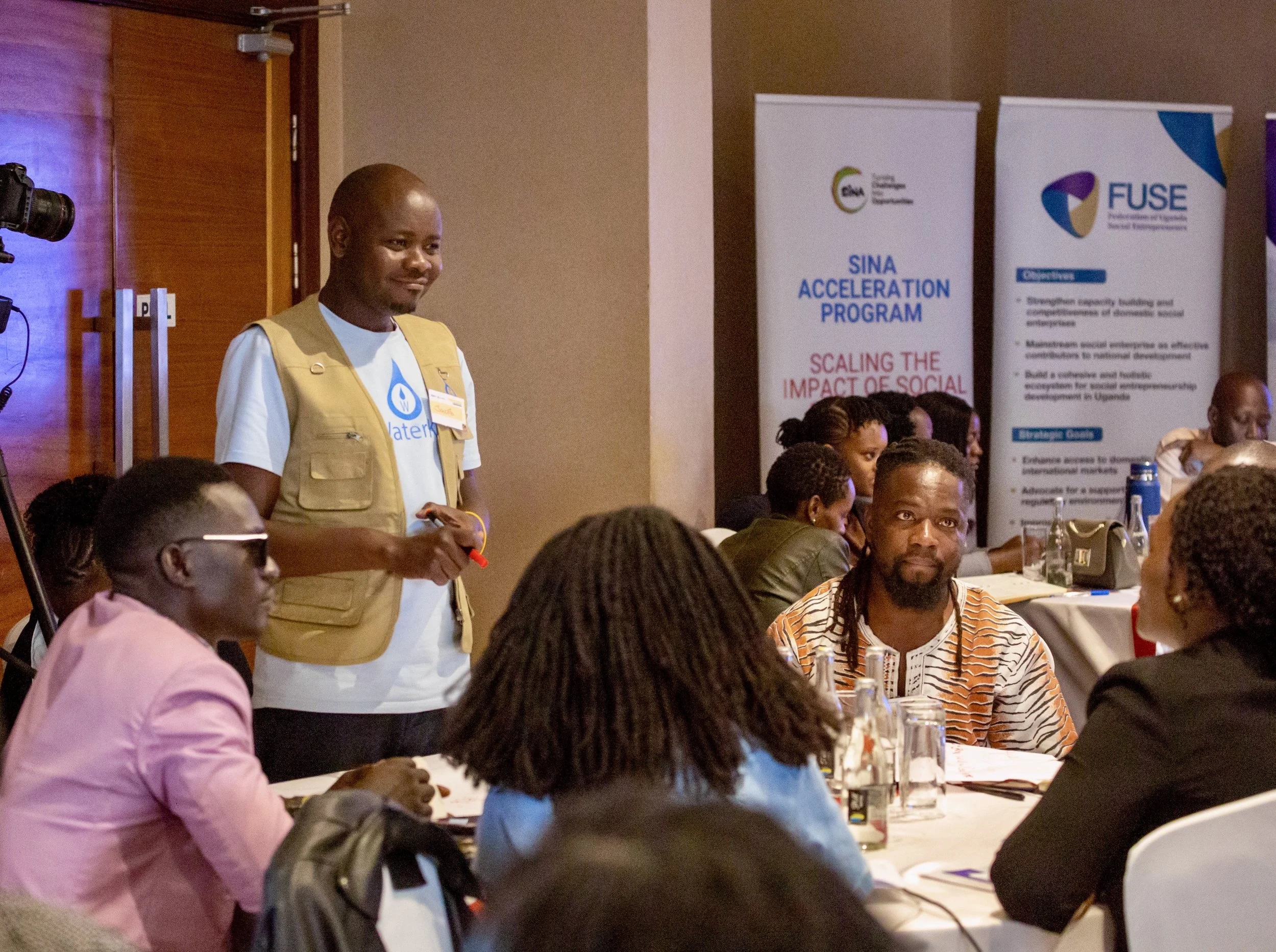
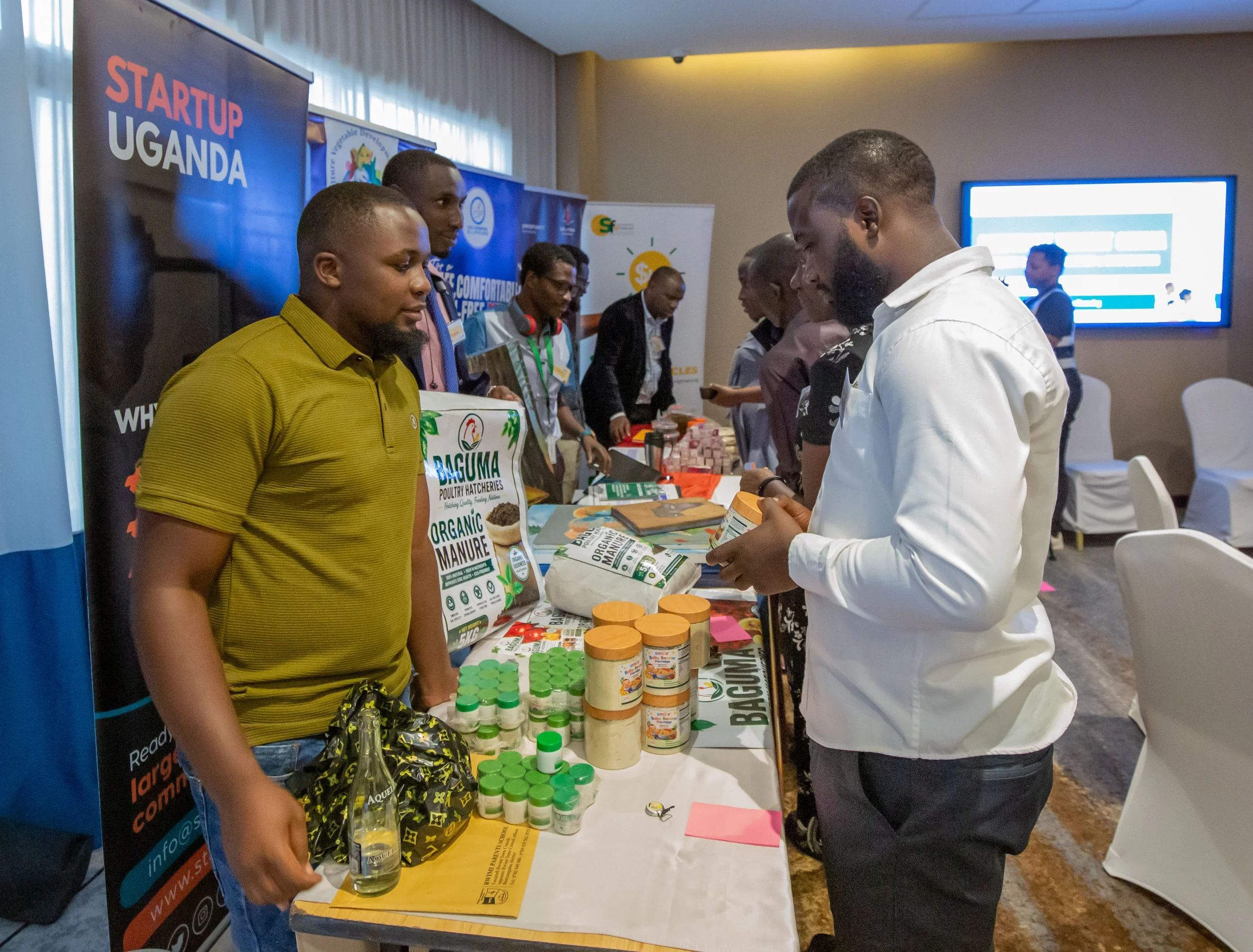
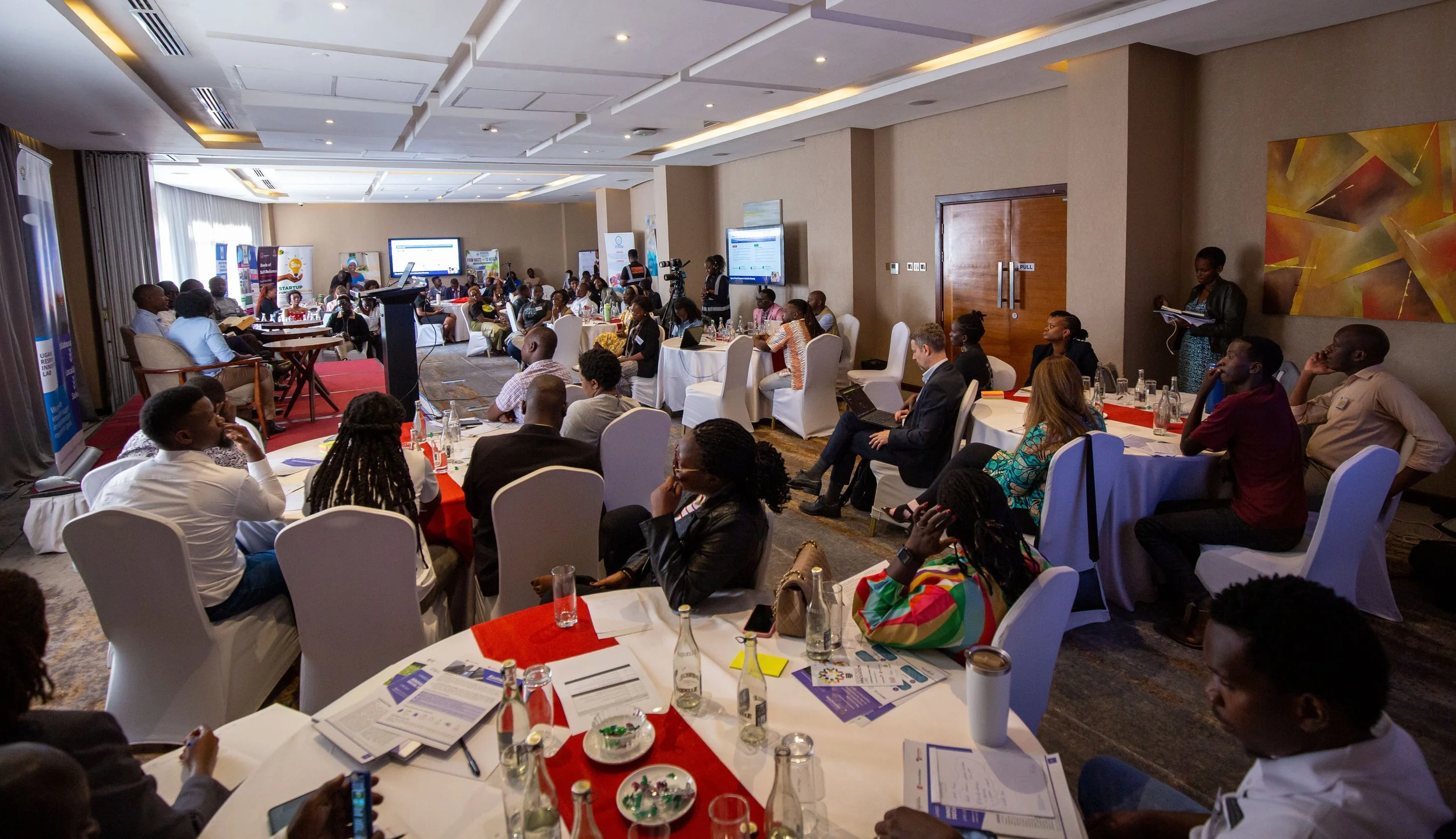
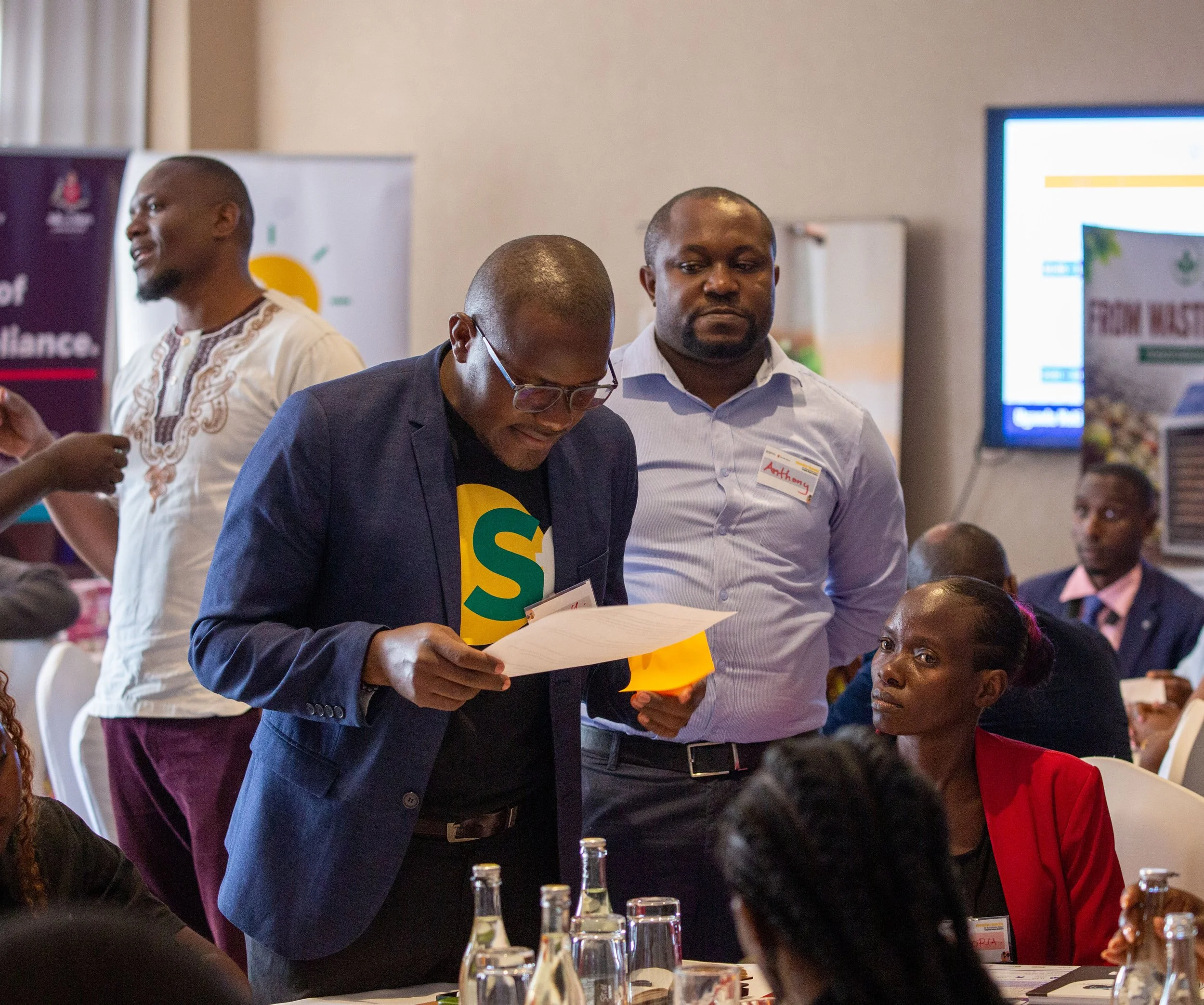
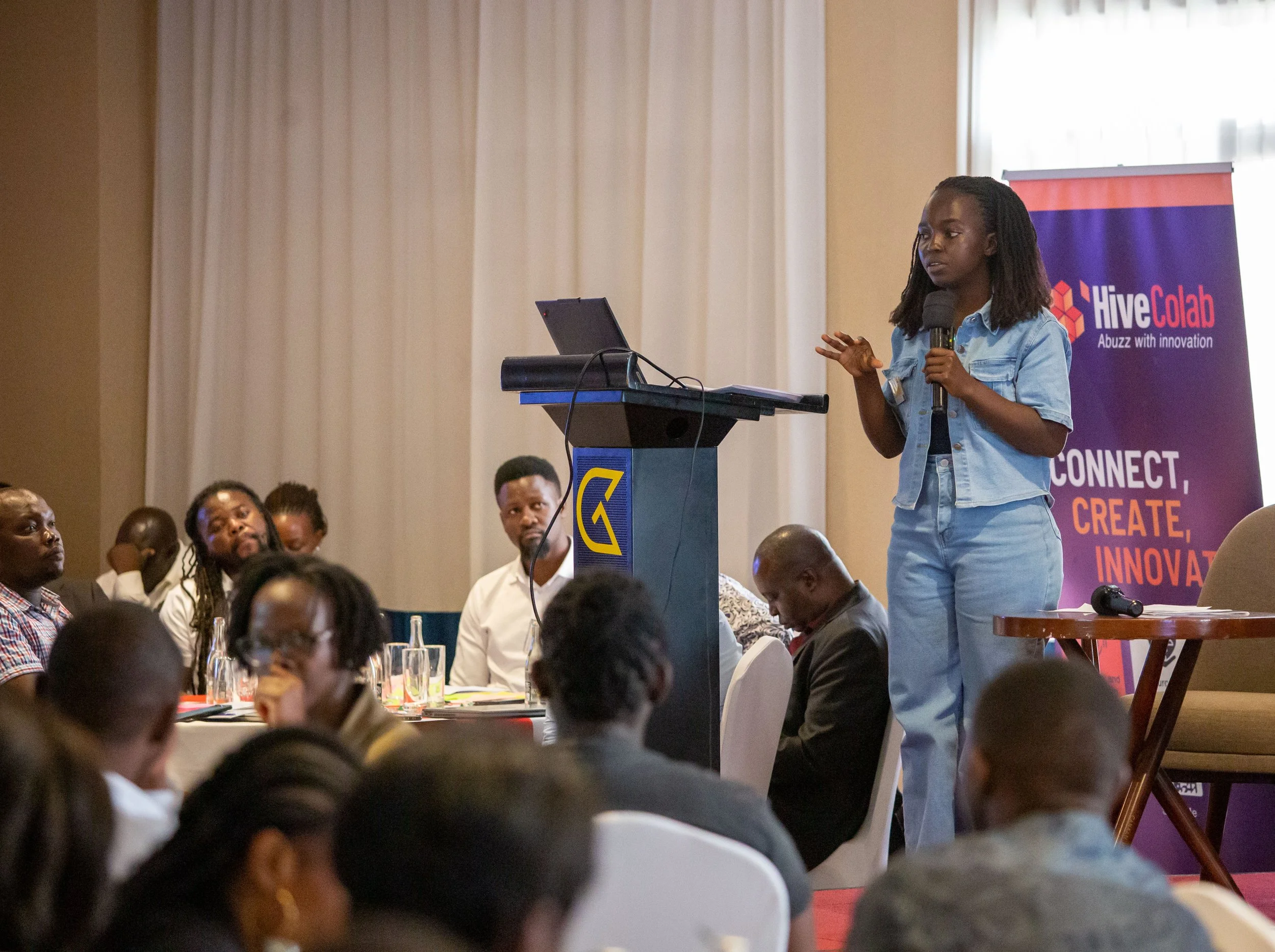
On May 7th 2026, the Uganda Response Innovation Lab (U-RIL) organised the Innovative Financing Convener. This event brought together a wide range of key ecosystem actors, including government, development partners, entrepreneurs, enterprise support organisations (ESOs), innovators, financial institutions, incubators, investors, NGOs, academia, and private sector actors. This national-level convening aimed to explore the policy- and system-level enablers needed to strengthen Uganda’s innovative financing landscape for humanitarian impact, while also identifying key ecosystem gaps and challenges and guiding strategic discussions on collective action.
Key Discussion Themes
There are several key themes emerged from the discussions:
Capacity building and entrepreneur support: participants repeatedly called for entrepreneurship training, mentorship and coaching, financial literacy building, business development support, digital skills development, incubation and acceleration support, etc. This reinforced the importance of capacity building and sharing for entrepreneurs alongside financing interventions.
Partnerships and ecosystem collaboration: partnerships between various ecosystem actors are needed in order to help reduce duplication, improve coordination, strengthen referrals, facilitate market access, support accountability, and improve ecosystem efficiency at large.
Flexible and blended financing: the discussions highlighted the importance of financing models that reflect entrepreneur realities, including blended financing, milestone-based financing, recoverable grants, zero-interest loans, concessional financing, results-based financing, revolving funds, and digital credit models. A common challenge raised was rigid financing requirements, particularly collateral demands that limit access for startups and underserved entrepreneurs.
Digital systems and technology: while the presentations drew attention to digital financing systems, accountability platforms, data monitoring systems, the discussions also highlighted the expanding adoption and need for mobile money systems, digital transactions, accountability platforms, and data systems that enable better tracking and monitoring. Digital tools were seen as important for transparency, efficiency, and evidence generation.
Government policy and regulatory environment: the participants called for startup-friendly policies, refugee inclusion, simplified registration processes, regulatory awareness, financial sector responsiveness, local government engagement, etc. Meanwhile, it was also noted that policy gaps, risk perceptions, and limited understanding of regulatory processes continue to affect entrepreneurs.
Enablers and Challenged Identified by Startups
The Ugandan innovation financing landscape witnesses rapid growth, yet the panel discussion with startups revealed how financing models should continue evolving to be more practical and entrepreneur-responsive. Despite multiple active actors, the ecosystem collaboration still remains weak, and financing access remains difficult for early-stage and refugee-led enterprises. In addition, risk perceptions also continue to affect investor willingness. The panel discussion also highlighted the following enablers by the startups:
Access to startup financing
Mentorship and coaching
Technical support
Market access
Business development support
Strategic partnerships
Learning opportunities
Entrepreneur networks
Ecosystem visibility
Innovation support systems
The recurring challenges include:
Limited access to affordable financing
High collateral requirements
Limited investment readiness support
Weak market linkages
Operational scaling constraints
Limited technical support
Sustainability concerns
Ecosystem fragmentation
Limited long-term financing options.
Prioritised Challenges to Tackle
Building on the earlier discussions, participants identified several priority challenges that continue to limit the effectiveness of innovative financing and entrepreneurship support ecosystems.
Limited access to affordable financing
This remained the most frequently cited challenge. Participants noted that many entrepreneurs, particularly startups and enterprises operating in underserved or refugee-hosting contexts, continue to face difficulties accessing affordable financing suited to their stage of growth.
Specific concerns included:
High collateral requirements: Many entrepreneurs struggle to secure loans because of the need for substantial collateral.
Limited startup financing: Early-stage businesses often lack access to the capital needed to get off the ground.
Expensive borrowing conditions: High interest rates make loans unaffordable, limiting business growth.
Weak de-risking mechanisms: There are insufficient tools to reduce investor or lender risk, discouraging investment.
Short-term funding structures: Limited access to long-term capital makes it hard for businesses to scale sustainably.
Limited local investor participation: Few domestic investors engage, restricting access to local funding networks.
Participants noted that many potentially viable enterprises remain unable to scale because financing options are either inaccessible or unsuitable.
Weak ecosystem coordination
Participants repeatedly noted fragmentation across the ecosystem.
Challenges included:
Duplication of efforts: Multiple stakeholders repeat similar activities, wasting resources.
Weak communication among actors: Stakeholders struggle to share information effectively, resulting in information gaps.
Disconnected support pathways: Support services are fragmented, making it hard for beneficiaries to navigate assistance.
Limited referrals: There are insufficient referral mechanisms to connect individuals to needed services.
Poor information sharing: Data and insights are not consistently shared, reducing the effectiveness of collaboration.
Misalignment among donor, government, and private-sector priorities: The goals of the different sectors are out of sync, hindering coordinated action.
Participants noted that although many actors are active in entrepreneurship support, coordination remains weak.
Limited technical capacity
Participants highlighted gaps in entrepreneur readiness and institutional capacity.
These included:
Weak financial literacy: Many entrepreneurs lack the financial knowledge needed to manage resources, budgeting, and investment effectively.
Limited business planning skills: Some entrepreneurs struggle to develop clear business strategies, growth plans, and sustainable operational models.
Insufficient digital skills: Limited digital capacity affects entrepreneurs' ability to use technology for business growth, marketing, and financial management.
Weak monitoring and evaluation capacity: Limited systems for tracking progress and measuring results make it difficult to assess performance and improve interventions.
Limited investor readiness: Many entrepreneurs are not adequately prepared to meet investor expectations or present investment-ready business opportunities.
Inadequate technical mentorship: Limited access to expert guidance reduces entrepreneurs' ability to navigate technical and operational business challenges.
This was seen as a major barrier to sustainability.
Policy and regulatory barriers
Participants noted that policy environments remain difficult for many entrepreneurs.
Challenges included:
Complicated registration systems: Lengthy and complex business registration processes can discourage entrepreneurs from formalising their enterprises.
Weak policy awareness: Many entrepreneurs are not fully aware of existing policies, opportunities, or regulatory requirements that could support their businesses.
Compliance burdens: Administrative and regulatory obligations can be costly and time-consuming, especially for small and early-stage enterprises.
Unclear financing regulations: Lack of clarity around financing rules and requirements can create uncertainty for both entrepreneurs and investors.
Weak implementation of enabling policies: Although supportive policies may exist, inconsistent implementation often limits their practical impact on entrepreneurs.
This was particularly noted for entrepreneurs operating in underserved and refugee-hosting communities.
Sustainability and overdependence on grants
Participants highlighted concerns about long-term sustainability.
Common concerns included:
Project-based financing approaches: Short-term funding tied to specific projects often limits long-term business growth and sustainability.
Donor dependency: Heavy reliance on donor funding can make enterprises and support programs vulnerable when external funding ends.
Weak local ownership: Limited involvement of local actors can reduce sustainability, accountability, and long-term commitment to initiatives.
Limited long-term capital: A lack of patient and long-term financing makes it difficult for businesses to scale and grow sustainably.
Insufficient business sustainability planning: Many enterprises lack clear strategies to sustain operations and growth beyond initial funding.
Collective Actions to Tackle the Challenges
Participants proposed practical actions to address the identified challenges and strengthen the ecosystem.
Strengthen capacity building and entrepreneur support
Proposed actions included:
Expanding mentorship programs;
Strengthening entrepreneur coaching;
Increasing financial literacy support;
Improving investor readiness support;
Expanding incubation and acceleration services;
Strengthening digital skilling initiatives;
Creating peer learning platforms.
Responsible stakeholders: Enterprise Support Organizations (ESOs); incubators and accelerators; development partners; NGOs; innovation hubs; academic institutions; private sector mentors.
Strengthen ecosystem coordination and partnerships
Participants recommended:
Establishing stronger coordination platforms;
Mapping ecosystem actors and their strengths;
Strengthening referral pathways;
Improving collaboration between humanitarian, development, and private sector actors;
Enhancing communication and information sharing;
Reducing duplication of interventions.
Responsible stakeholders: Government ministries and agencies; U-RIL; Save the Children / Kumwe Hub; development partners; ESOs; NGOs; private sector actors; UN agencies; financial institutions.
Improve access to flexible financing
Participants proposed:
Expanding blended financing models;
Creating guarantee mechanisms;
Increasing startup capital access;
Supporting concessional financing;
Strengthening local investor participation;
Developing de-risking investment tools;
Improving access to low-interest financing.
Responsible stakeholders: Financial institutions; investors; venture capital actors; development partners; private sector actors; ESOs; innovative financing actors.
Strengthen policy and regulatory support
Participants proposed:
Stronger policy awareness campaigns;
Startup-friendly regulatory reforms;
Simplified registration processes;
Improved refugee inclusion;
Stronger local government engagement;
Improved implementation of existing policies.
Responsible stakeholders: Government ministries; local governments; regulatory agencies; development partners; advocacy organizations; ESOs.
Strengthen monitoring, accountability, and learning systems
Participants recommended:
Stronger data systems;
Improved accountability platforms;
Digital monitoring tools;
Evidence generation mechanisms;
Stronger learning and reporting systems.
Responsible stakeholders: Implementing organizations; NGOs; development partners; technology actors; monitoring and evaluation teams; research institutions.
Conclusion
The Innovative Financing Convener provided a valuable platform for reflection, learning, and collaboration among ecosystem actors working to strengthen entrepreneurship and innovative financing in Uganda. The discussions highlighted the importance of capacity building for entrepreneurs, stronger partnerships, flexible financing, enabling policies, and practical ecosystem coordination in supporting sustainable enterprise growth. Participants concluded with a shared commitment to continued collaboration and action toward strengthening innovative financing systems, particularly for underserved and refugee-hosting communities.