
RISE Syria | Challenge Mapping and User Needs Analysis Report
Our partner Field Ready Middle East published the report following the Challenge Mapping workshop under RISE Syria.
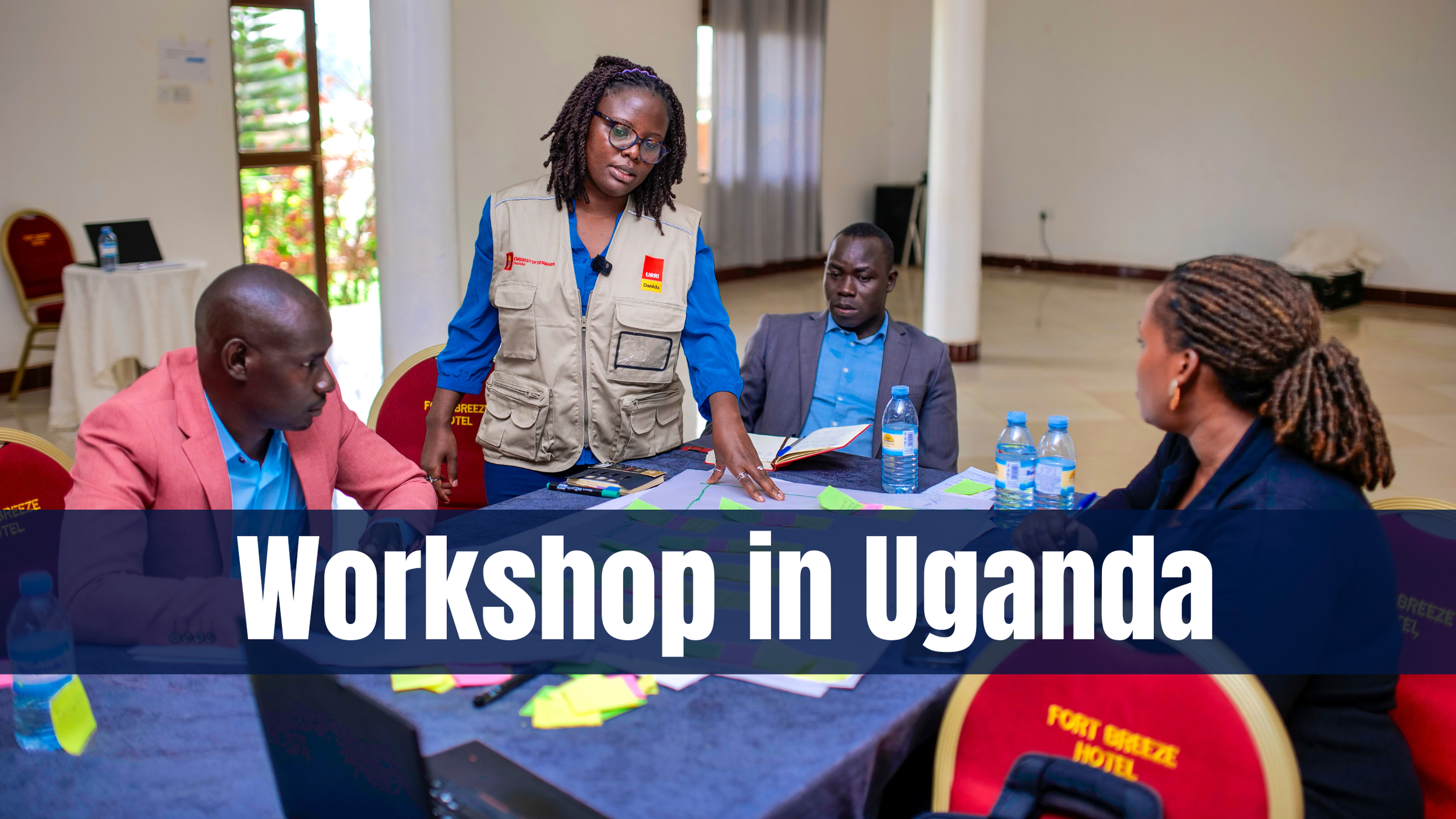
Uganda | Second Challenge Mapping Convener on “Access to Land for Refugee and Host Communities in Uganda”
On July 14, 2026, Uganda Response Innovation Lab hosted the the second “URRI Learning Review - Challenge Mapping Convener” on the issue of land access in Fort Portal, Uganda.
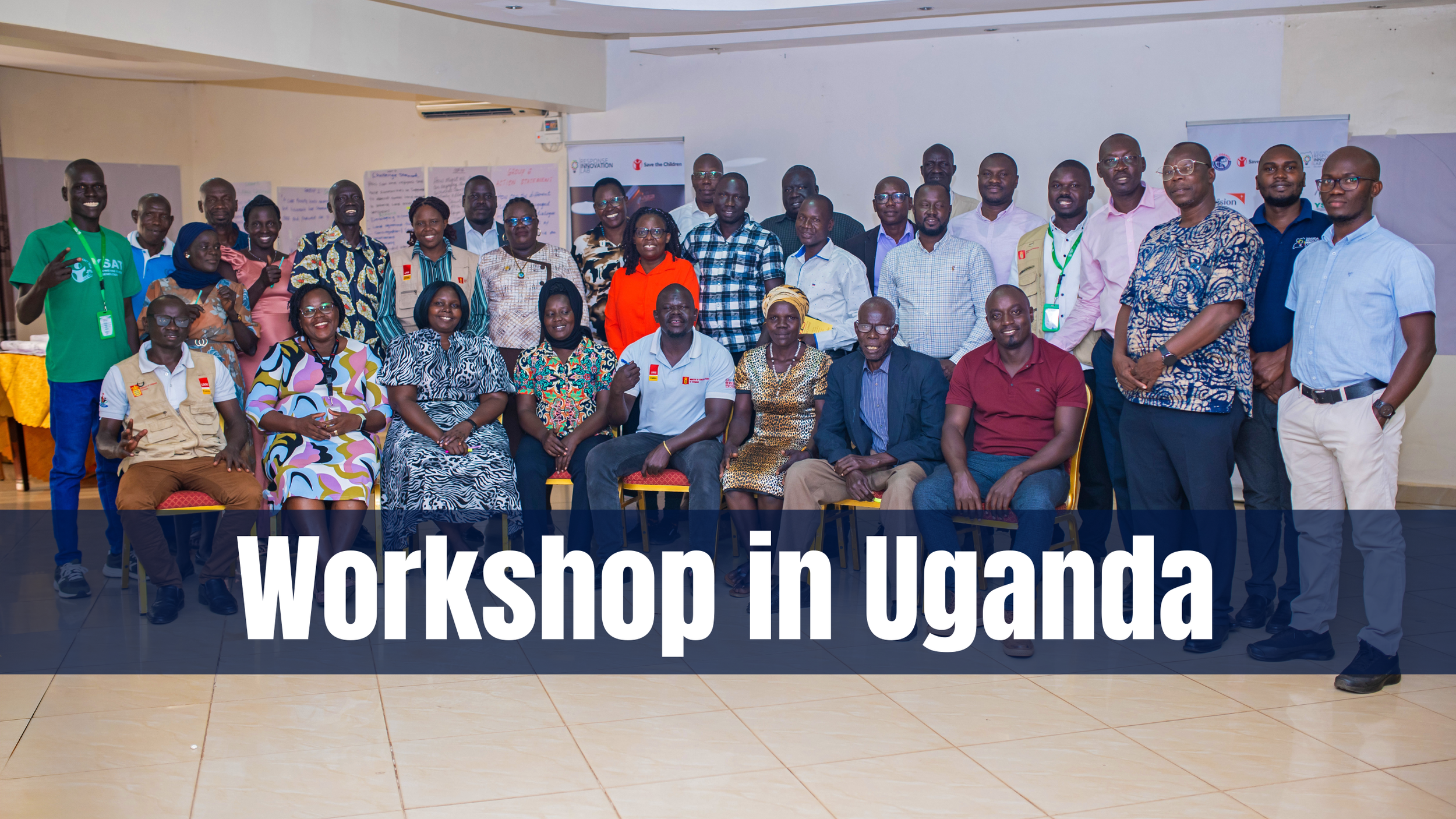
Uganda | Challenge Mapping Convener on “Access to Land for Refugee and Host Communities in Uganda”
On July 9, 2026, Uganda Response Innovation Lab hosted the first “URRI Learning Review - Challenge Mapping Convener” on the issue of land access in Gulu, Uganda.
Have You Read the Latest Issue of RIL Newsletter?
Check out the latest issue of our RIL Newsletter!
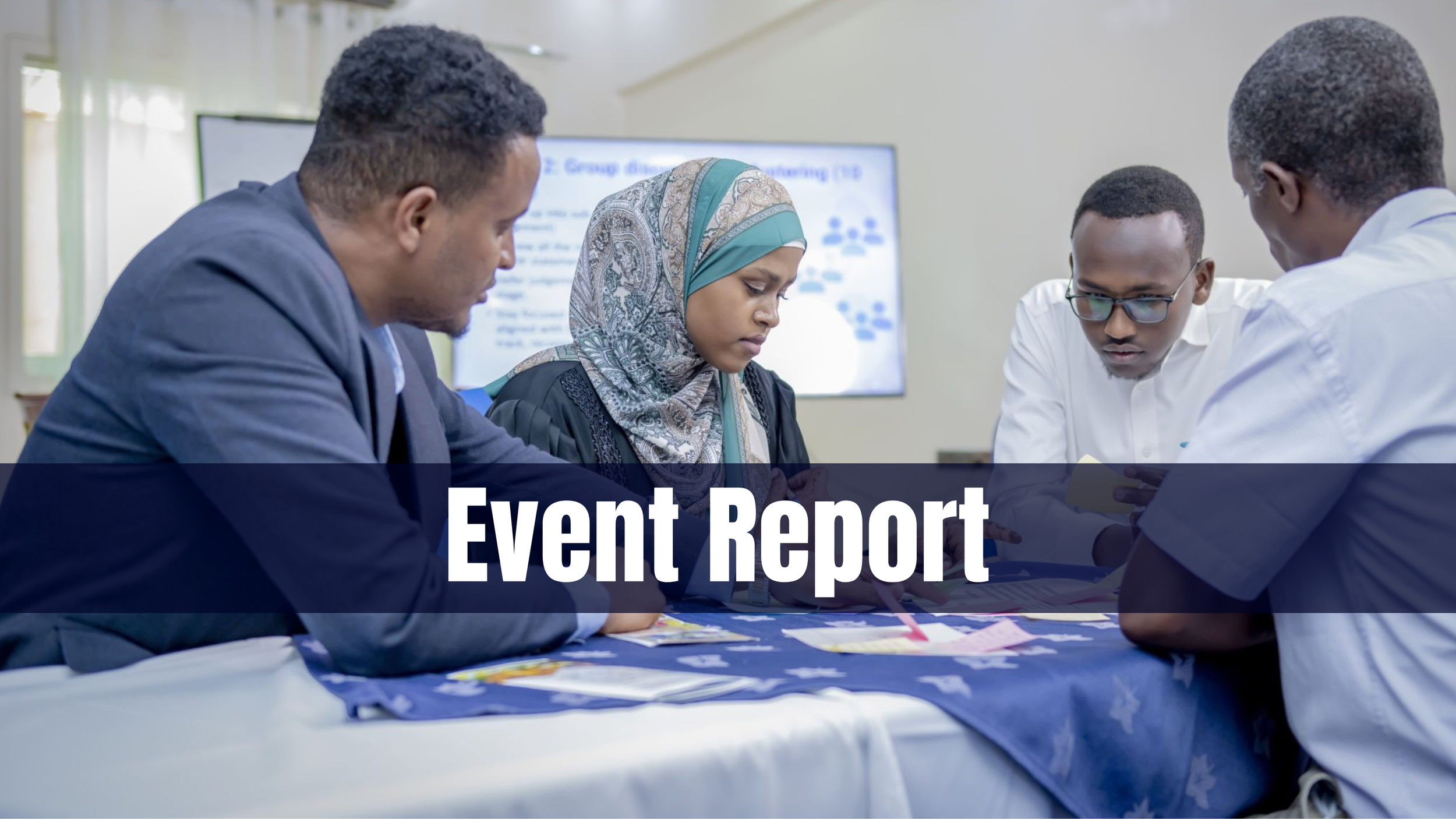
SomRIL | Insights from the FIRM Learning Event
The closeout and learning event was designed as a learning, dialogue, and exhibition platform to synthesize evidence from the FIRM pilots and the broader financing ecosystem review, while shaping practical scale-up pathways for innovative financing in Somalia The event aimed to strengthen multi-stakeholder alignment around innovative financing, highlight Somali-led solutions, inform future programming, and generate actionable learning products and policy recommendations.
10 Ways Response Leaders Can Support Innovation in Their Teams
If we do not actively encourage those among us that we can label as innovators or agents of change, then we will always end up with the same results. This guide is a starting point, for all that are responsible for producing innovation within their teams, and those who wish to see the creation of a new way of thinking.

Organizing the Mess: System Innovation in Fragile and Resource-Constrained Contexts
Brought to you by Liban Mohamed, a thought piece reflecting on the livelihoods behind “messiness”.
Partner Resource | Global Startup Ecosystem Index 2026 by StartUp Blink
As StartupBlink's Ecosystem Partner in Somalia and recognised as one of the "Notable Startup Ecosystem Builders", Response Innovation Lab remains committed to deepening our collaboration with the private sector and the local innovation community—working together to build a more connected, resilient, and thriving ecosystem.
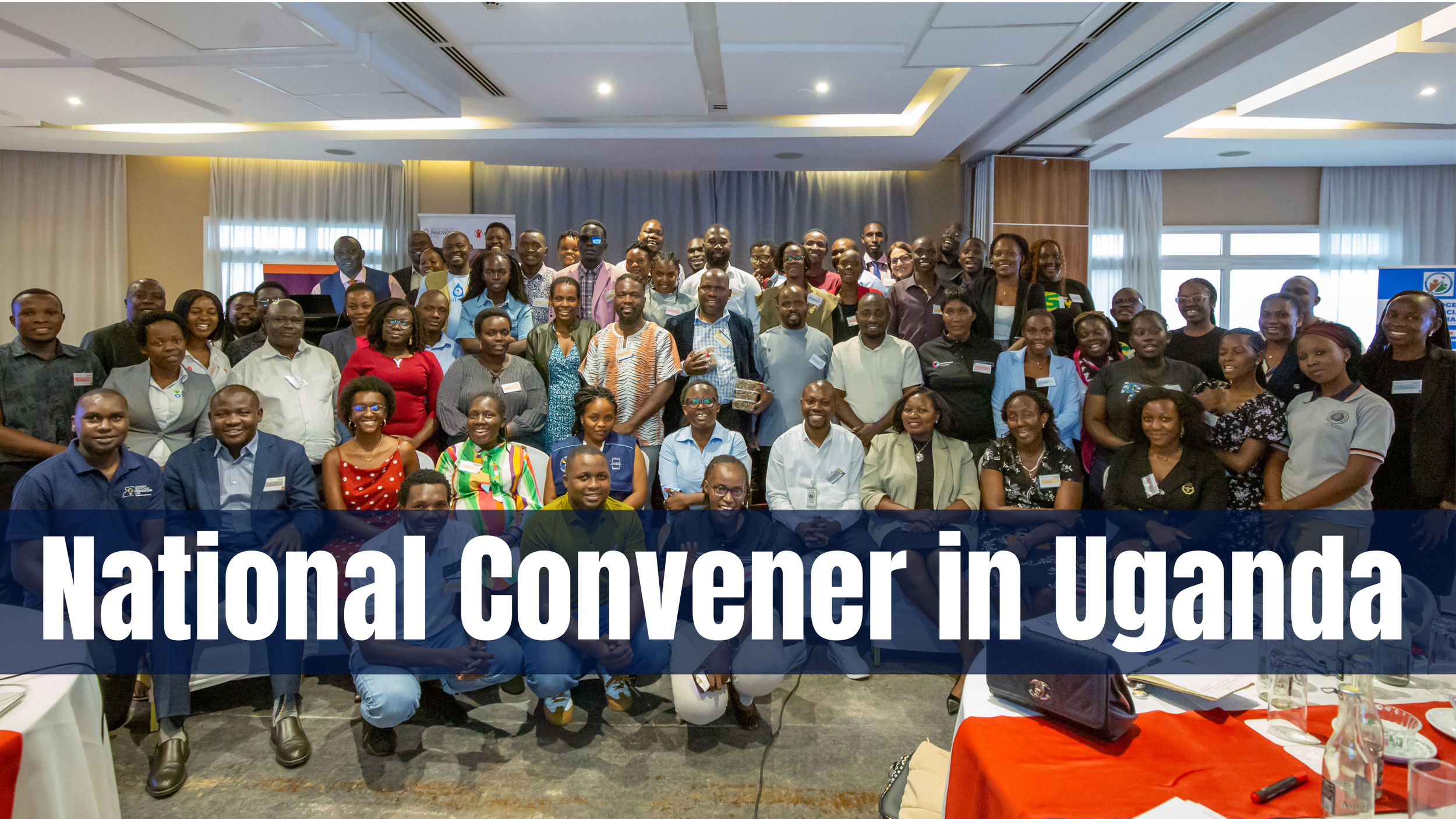
Uganda | National Convener on Innovative Financing for Humanitarian Impact
On 7 May 2026, the Uganda Response Innovation Lab (U-RIL) organised the Innovative Financing Convener.
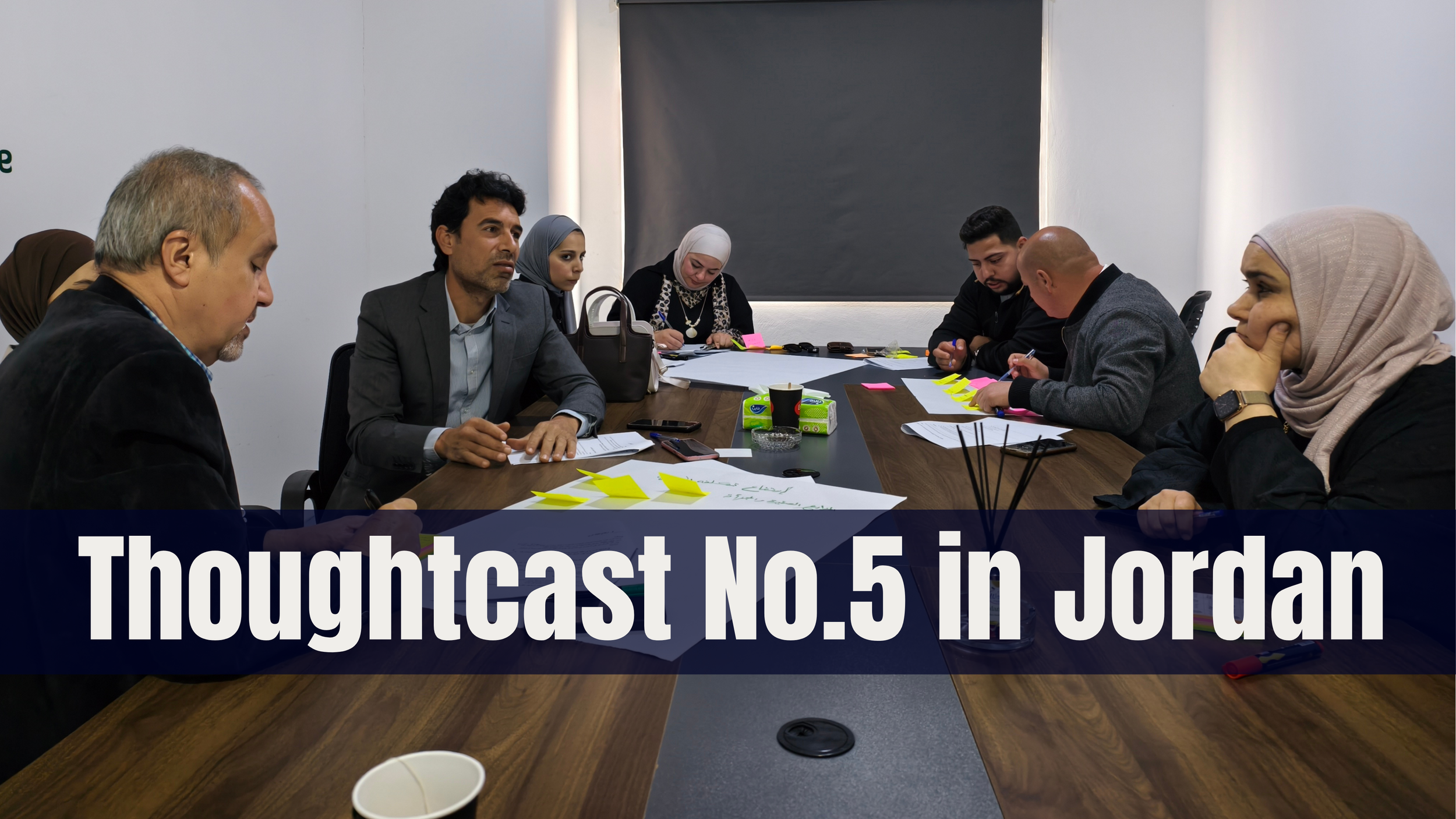
Unpacking Agricultural Challenges: From Field Realities to Shared Understanding
On Tuesday, 5 May 2026, the Response Innovation Lab (RIL) hosted a special edition of its Thoughtcast series in Amman, focusing on analysing challenges within the agricultural sector as an entry point for developing practical, context-driven solutions. The session brought together stakeholders from across the agricultural ecosystem for a more targeted and focused discussion.
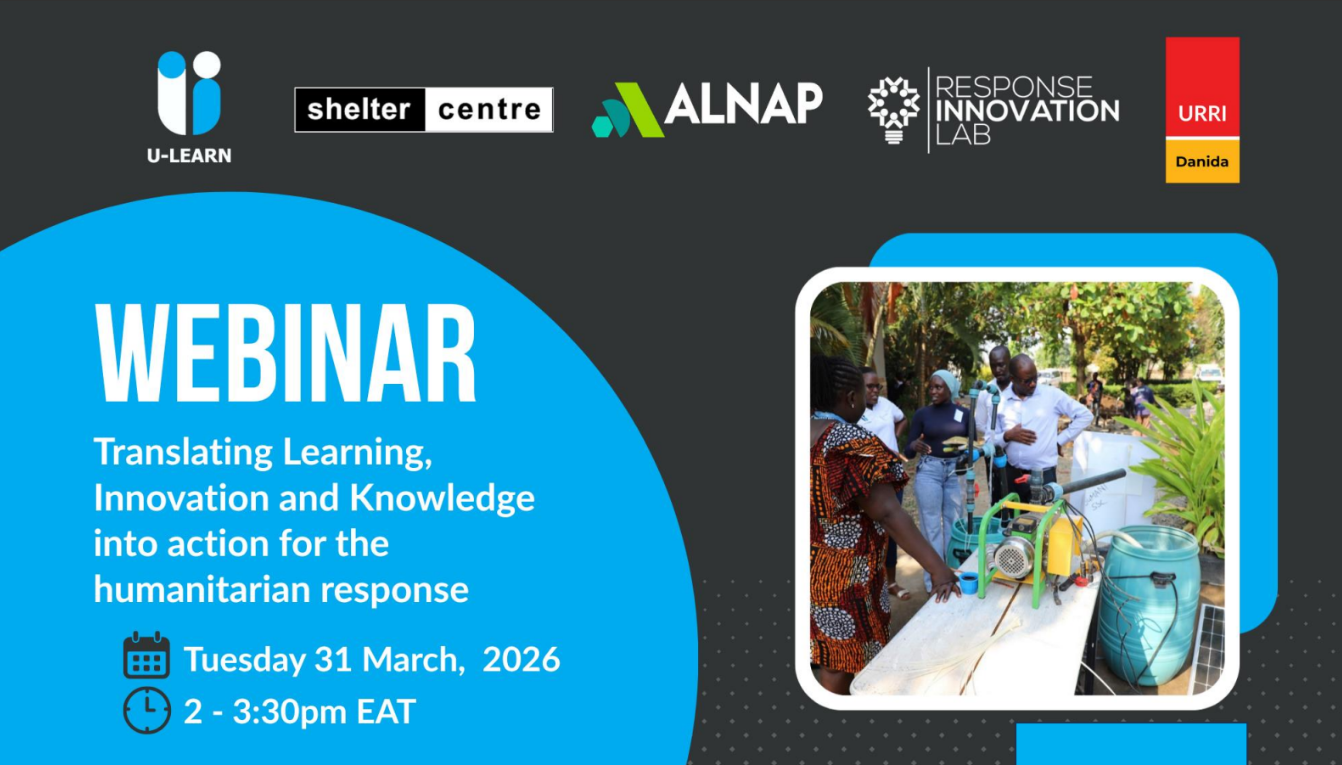
Resources Sharing | From the Webinar on Learning, Innovation & Evidence Uptake
U-Learn, together with Rwanga Foundation, ALNAP, the Humanitarian Library and Shelter Center, co-hosted a webinar on learning, innovation, and evidence uptake in humanitarian contexts. The webinar aimed to share practical approaches to strengthening learning and evidence uptake in humanitarian and refugee responses. Check out the webinar recording and relevant resources!
Synthesised Insights | HNPW 2026: Humanitarian Innovation Past, Present, and Future
At this year’s #HNPW, we hosted a session on March 5 reflecting on a decade of humanitarian innovation, bringing together perspectives from practitioners, innovators, and ecosystem actors across different regions.
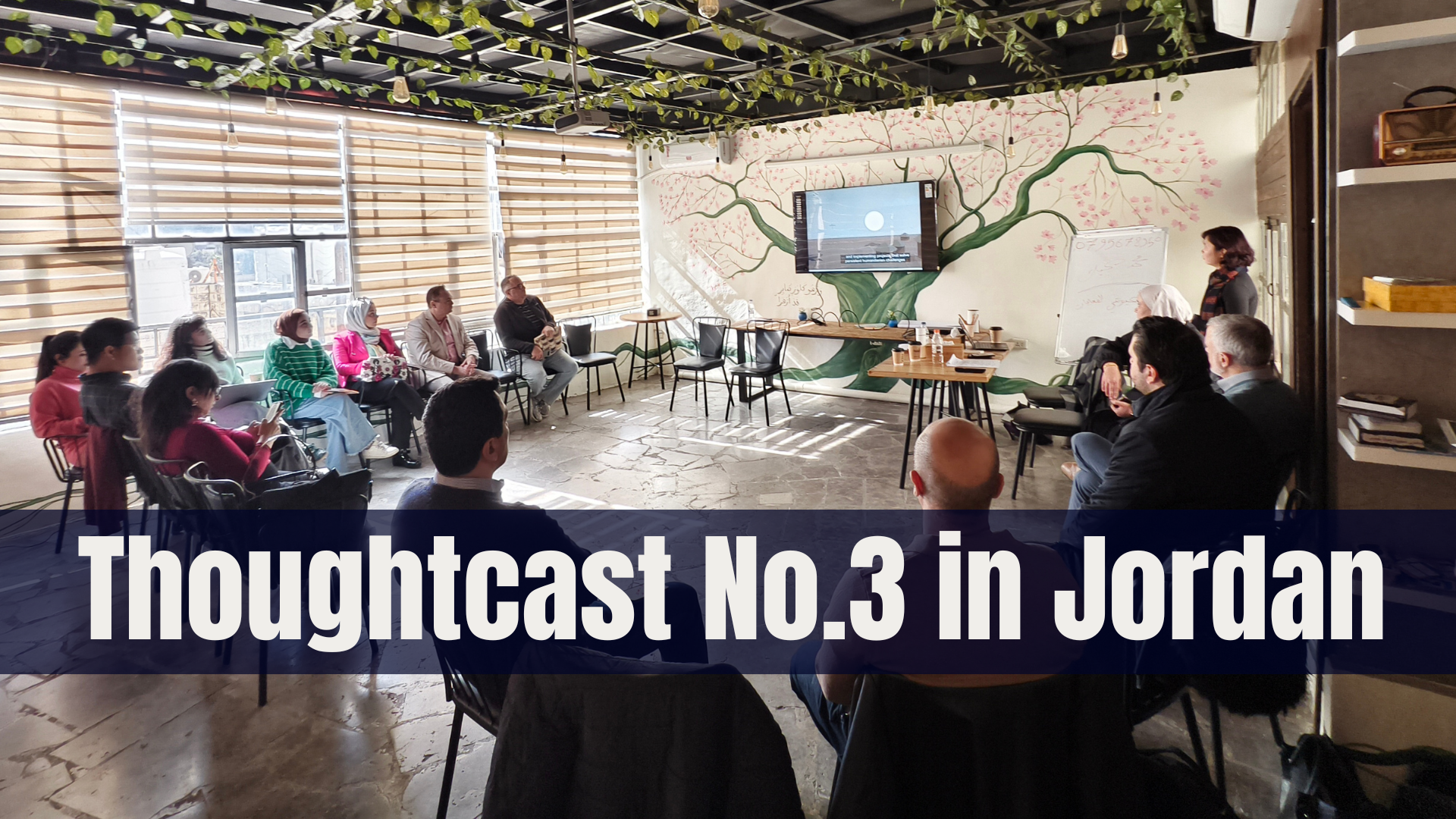
Smarter Humanitarian Impact: Rethinking Local Approaches to Cost-Effective Change in Jordan
Jordan’s humanitarian landscape is under growing pressure, with rising needs, shrinking funding, and a continued reliance on short-term interventions. In this context, finding ways to deliver impact more efficiently, locally, and sustainably has become increasingly urgent.
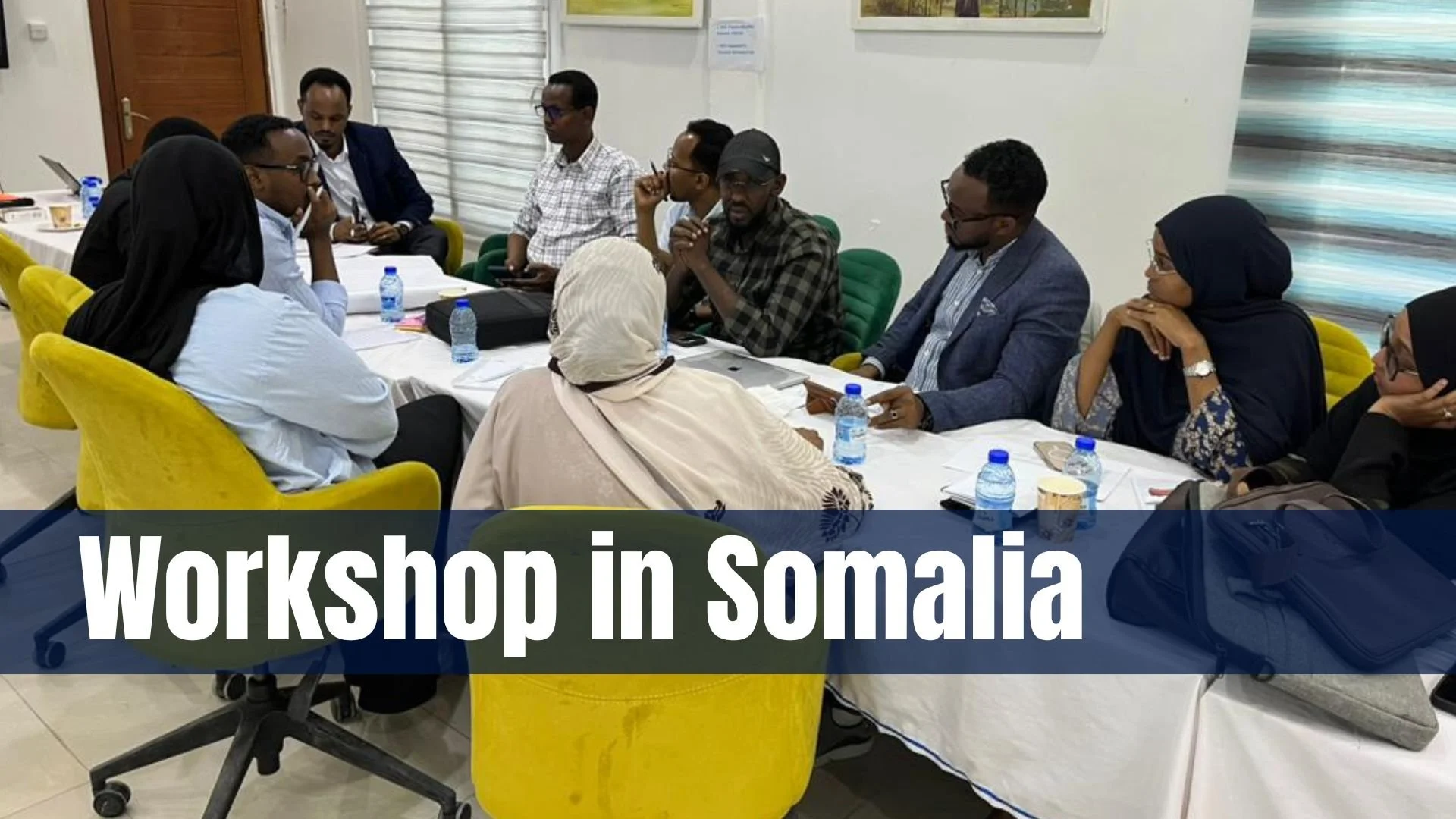
Insights from Somalia | Workshop on Humanitarian Research & Innovation Futures
On January 6, the Somali Response Innovation Lab (SomRIL) hosted a national-level Humanitarian Research & Innovation Futures Consultation in Mogadishu , convening a diverse cross-section of Somalia’s humanitarian ecosystem to collectively shape a forward-looking, nationally grounded agenda for humanitarian research and innovation.
Using Elhra’s Humanitarian Research & Innovation Futures Toolkit, the consultation applied strategic foresight methods to examine key drivers of change, surface critical uncertainties, and stress-test existing humanitarian approaches—ensuring future responses remain adaptive, evidence-driven, and locally relevant.

#PostRILx25 | Ideas That Are Redefining What’s Next
RILx25 brought together 130 participants from 35 countries across various sectors and geographies. The event was organised in collaboration with Superpool and IFDO, with the generous support of Danish Refugee Council, Elrha, Grand Challenges Canada, the Oxfam Novib HST-LHL programme, and Save the Children International. Check out the takeaways from RILx25 and get inspired on how to prepare for the next “crossroads”.
#PostRILx25 | Reflections on Building Local Humanitarian Innovation Ecosystem by Hana Kaise Abdi
Bilow Capital is an innovation project supported by the Somali Response Innovation Lab through the FIRM Challenge 2024. In this piece, Co-founder and General Partner Hana Kaise Abdi—also a speaker at RILx25 on the “Local Innovation Ecosystems” panel—shares her insights on what it takes for a local innovation ecosystem to truly thrive.

#PostRILx25 | Climate Smart Agriculture Strategies: The Case of South Sudan
Climate-smart agriculture isn’t just a buzzword — it’s a lifeline for farmers on the frontlines of climate change. In this piece from a South Sudan perspective, we explore what truly makes a solution “climate-smart,” from boosting productivity and resilience to cutting emissions and protecting natural resources. We look at which food-system actors can drive this shift, what farmers in resource-poor, climate-affected areas are actually asking for, and whether current innovations match their needs.
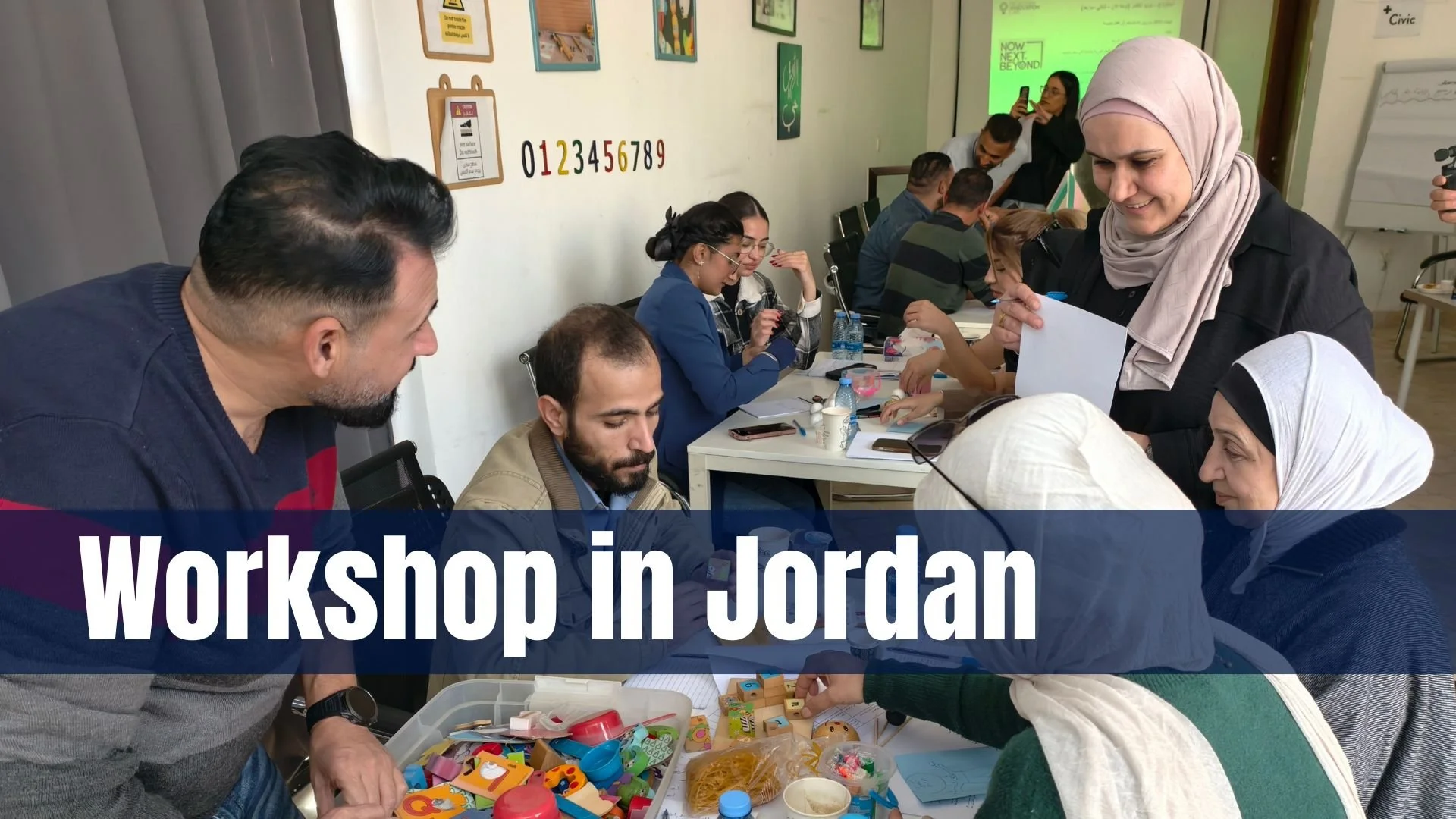
Workshop in Jordan: Exploring the Future of Humanitarian Research and Innovation
We kicked off the first national dialogue session on the future of research and innovation in humanitarian action in Al-Azraq. The session was organized by the Response Innovation Lab in partnership with Al-Azraq Alive, and we were honored to have the Mayor of Al-Azraq join us, this gathering came as part of the Jordan Global Entrepreneurship Week (GEW) activities.

#PostRILx25 | A Reflection Piece on Indonesia’s Localisation Journey
#PostRILx25 brings highlights and resources from the discussions, speakers, and partners. Today’s piece is brought to you by Disya Marianty, Pujiono Centre - Co-Coordinator of the Indonesia Localisation Lab, under the Indonesia Development-Humanitarian Alliance (ID-HA) , an interim secretariat of the Indonesian Humanitarian Coordination Platform (IHCP) .

Small Machine, Big Change: Navigating Humanitarian Innovation with Purpose and Partnership
An inspiring story of Navjot and The Washing Machine Project, and his messages to the next-gen innovators and the broader humanitarian innovation ecosystem.