
A Social/Humanitarian Innovator’s Necessary Evidence and Information Toolkit (S.H.I.N.E. I.T.)
SHINE IT is RIL’s Monitoring, Evaluation, Accountability and Learning (MEAL) tool for social and humanitarian innovators with free access to all. Everyone can download it, use it, and share it under a Creative Commons BY-NC-SA license. It consists of a series of simple tools and guidance to help innovators operating in humanitarian contexts generate evidence to pilot and scale their solutions.
If you would like more instructions and tips on how to use it, watch a recorded training (Part 1 | Part 2) delivered by RIL to social innovators as part of the IGNITE program in partnership with World Food Programme.
Download the tools:
Learn & Share
RIL values and embraces evidence and learning to improve our work and contribute to the humanitarian and innovation sectors. We do so by generating and sharing data, knowledge, tools, and other open resources. All learning products are designed to inform better programming and policymaking.

“We need to shift from coordination to collaboration.”
“Innovation isn’t a project; it’s a process.”
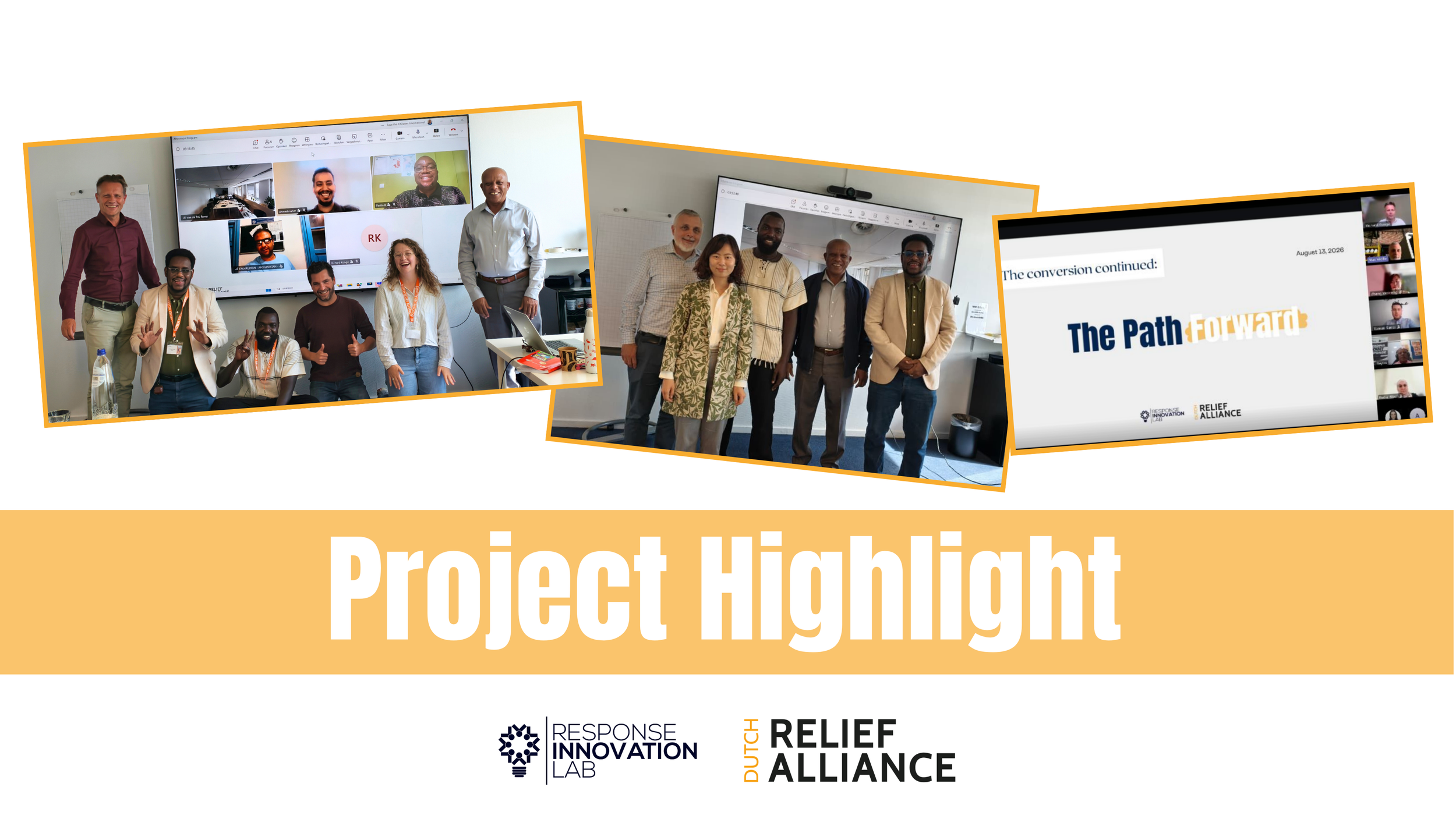
Check out the highlight and the output from the collaboration between RIL and DRA.
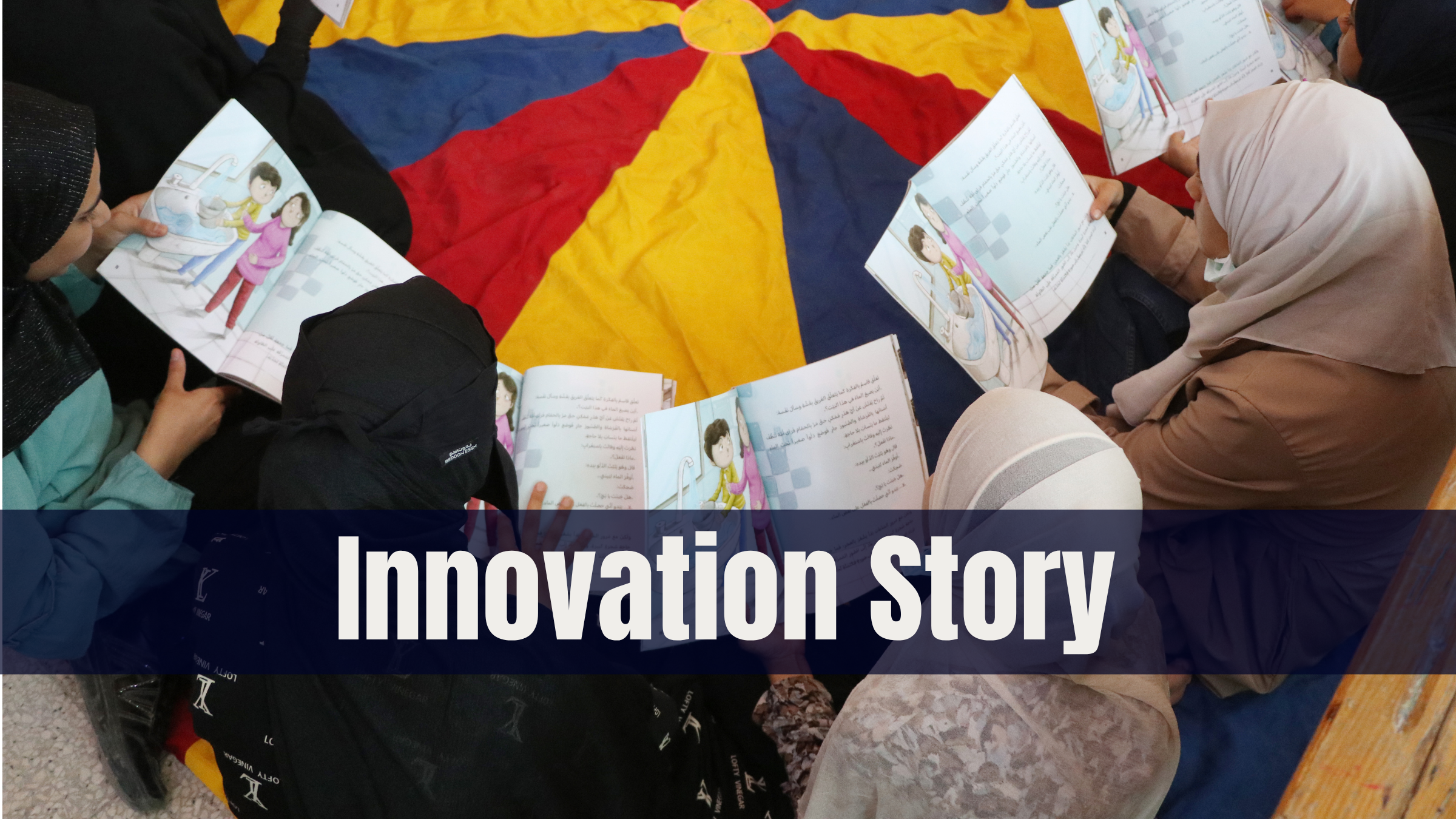
How storytelling is inspiring Syrian children to protect their environment? Check out the story of Lamiaa, an innovator supported through our Made by Syrians program.
Most innovation projects build partnerships and collaborations during their projects. It is important that when you are working with other individuals or organizations, you know what you are bringing to the collaboration and what you want to protect.
Our partner Field Ready Middle East published the report following the Challenge Mapping workshop under RISE Syria.
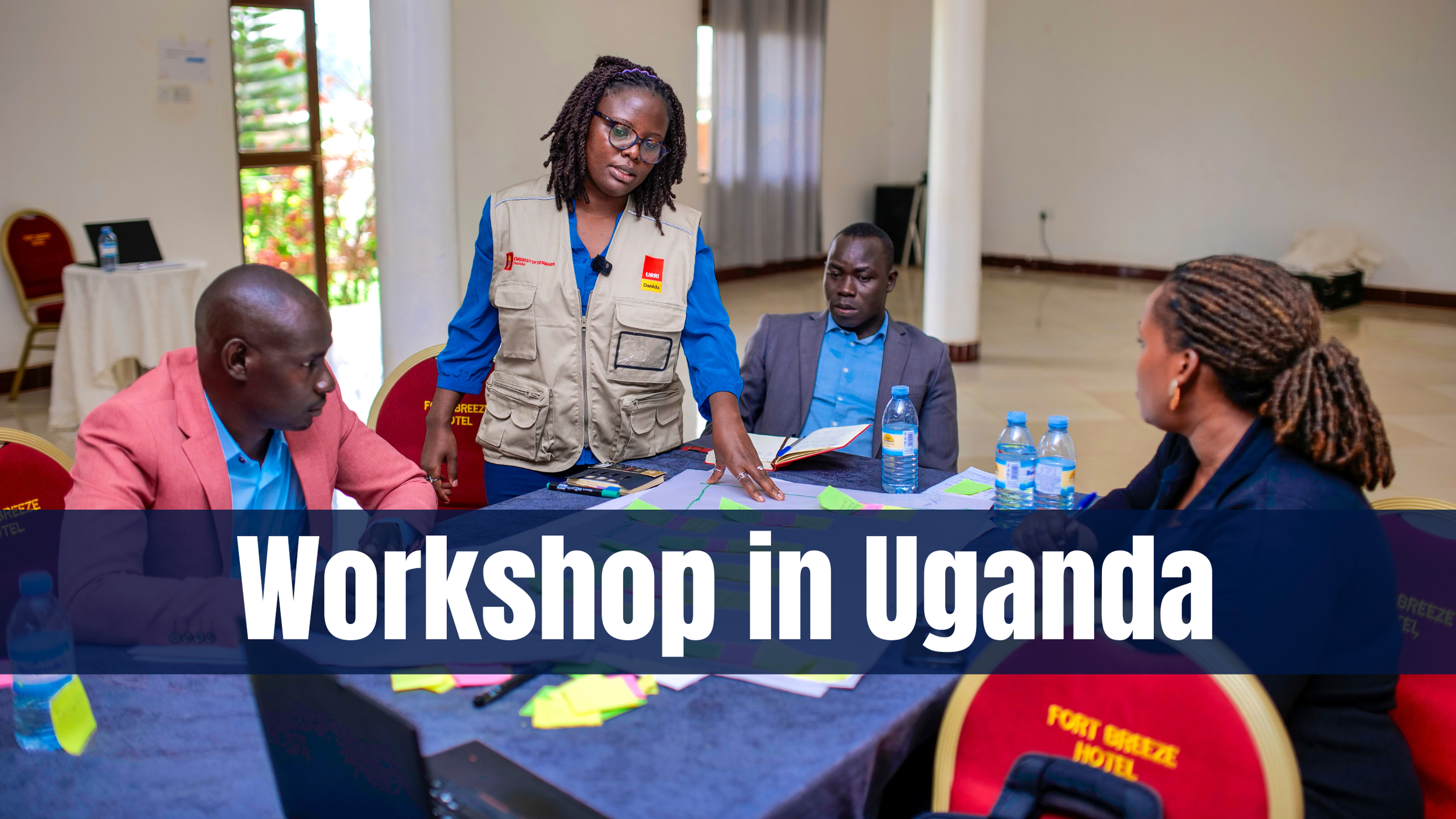
On July 14, 2026, Uganda Response Innovation Lab hosted the the second “URRI Learning Review - Challenge Mapping Convener” on the issue of land access in Fort Portal, Uganda.
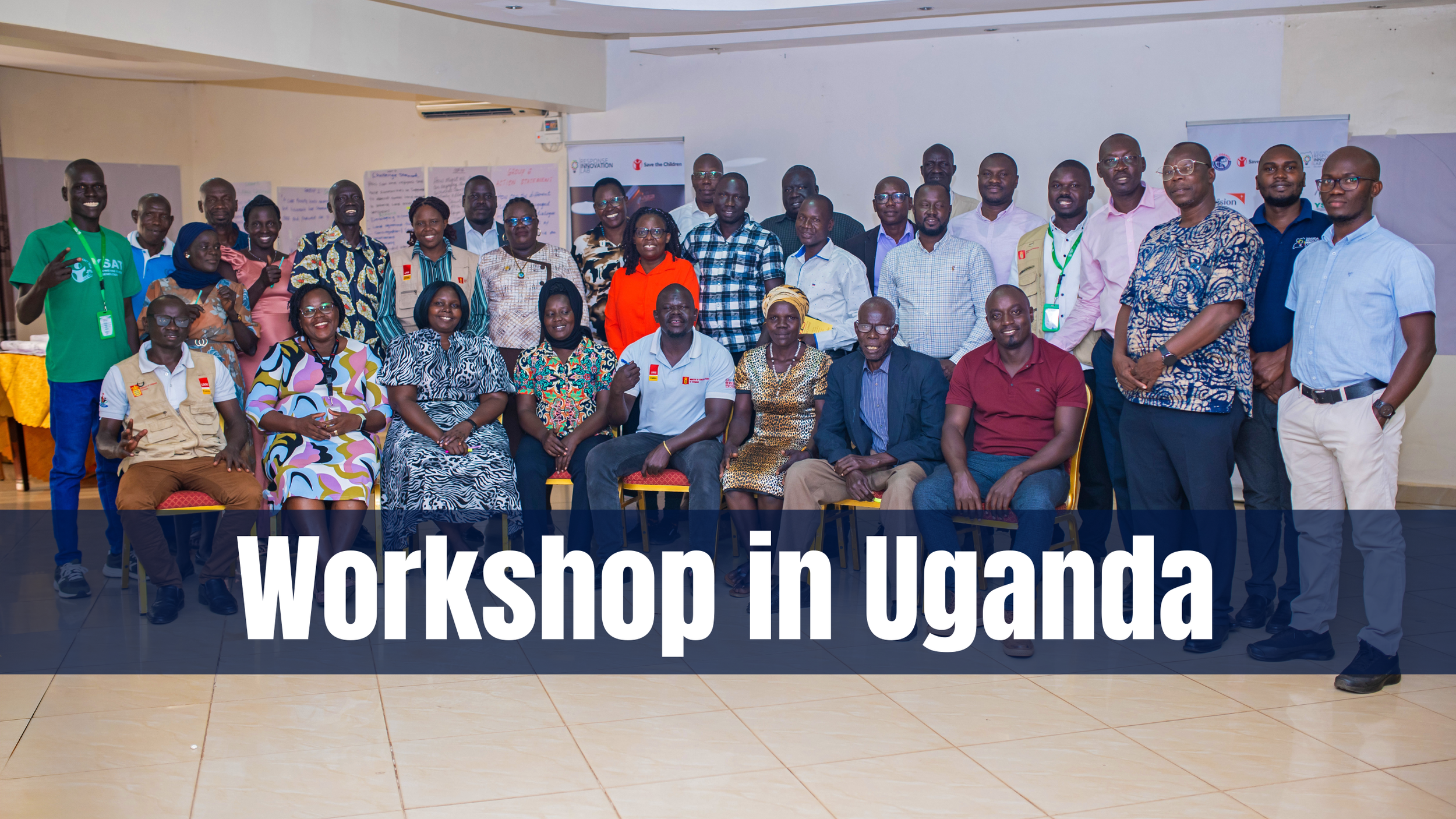
On July 9, 2026, Uganda Response Innovation Lab hosted the first “URRI Learning Review - Challenge Mapping Convener” on the issue of land access in Gulu, Uganda.
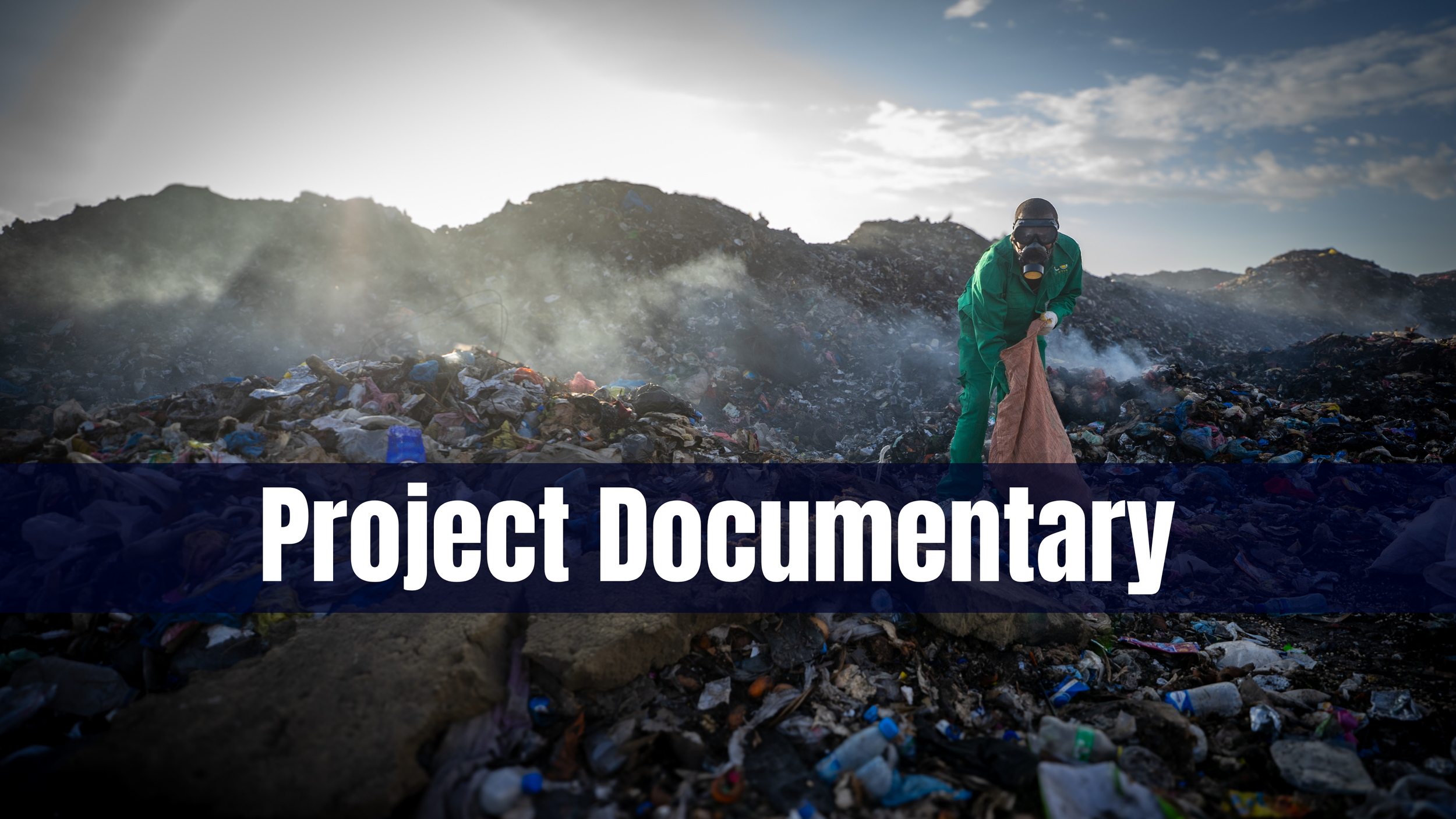
This short documentary is under the Social Plastics for Economic Development project led by Response Innovation Lab, together with Engineers without Borders Norway, World Vision Somalia, and the Somali Resilience Programme (host of Somali Response Innovation Lab), with funding support from Innovation Norway.
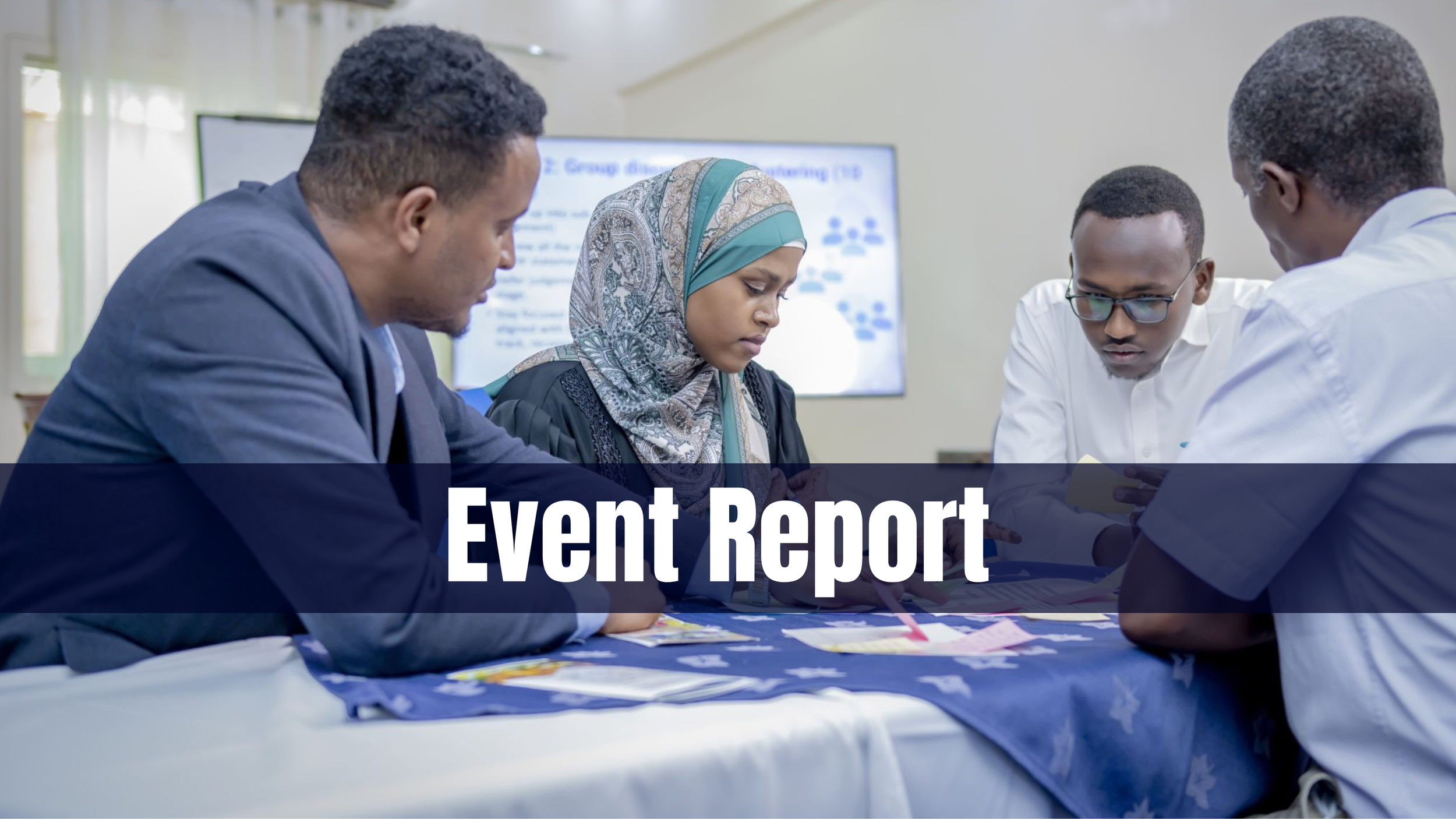
The closeout and learning event was designed as a learning, dialogue, and exhibition platform to synthesize evidence from the FIRM pilots and the broader financing ecosystem review, while shaping practical scale-up pathways for innovative financing in Somalia The event aimed to strengthen multi-stakeholder alignment around innovative financing, highlight Somali-led solutions, inform future programming, and generate actionable learning products and policy recommendations.
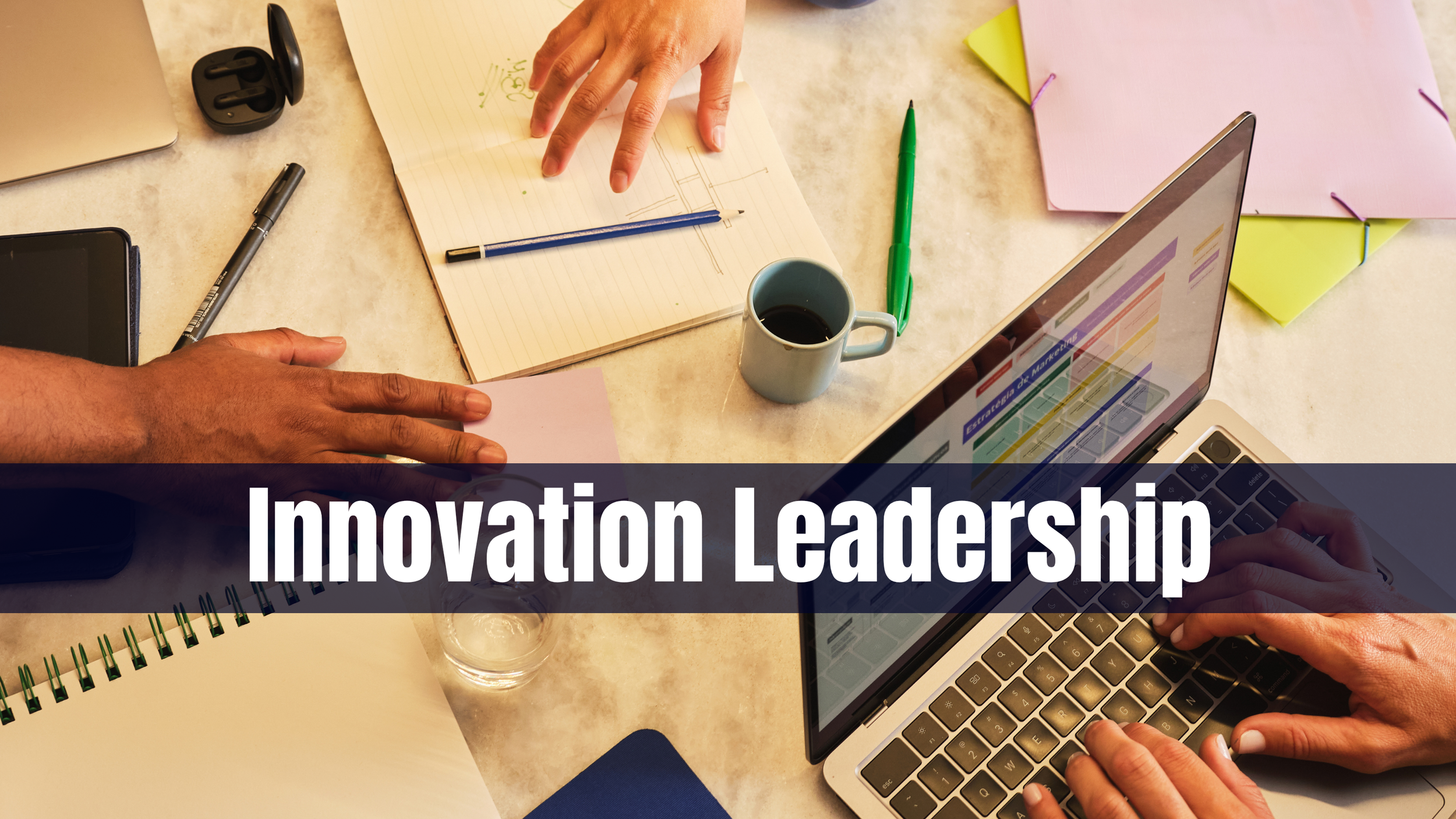
If we do not actively encourage those among us that we can label as innovators or agents of change, then we will always end up with the same results. This guide is a starting point, for all that are responsible for producing innovation within their teams, and those who wish to see the creation of a new way of thinking.
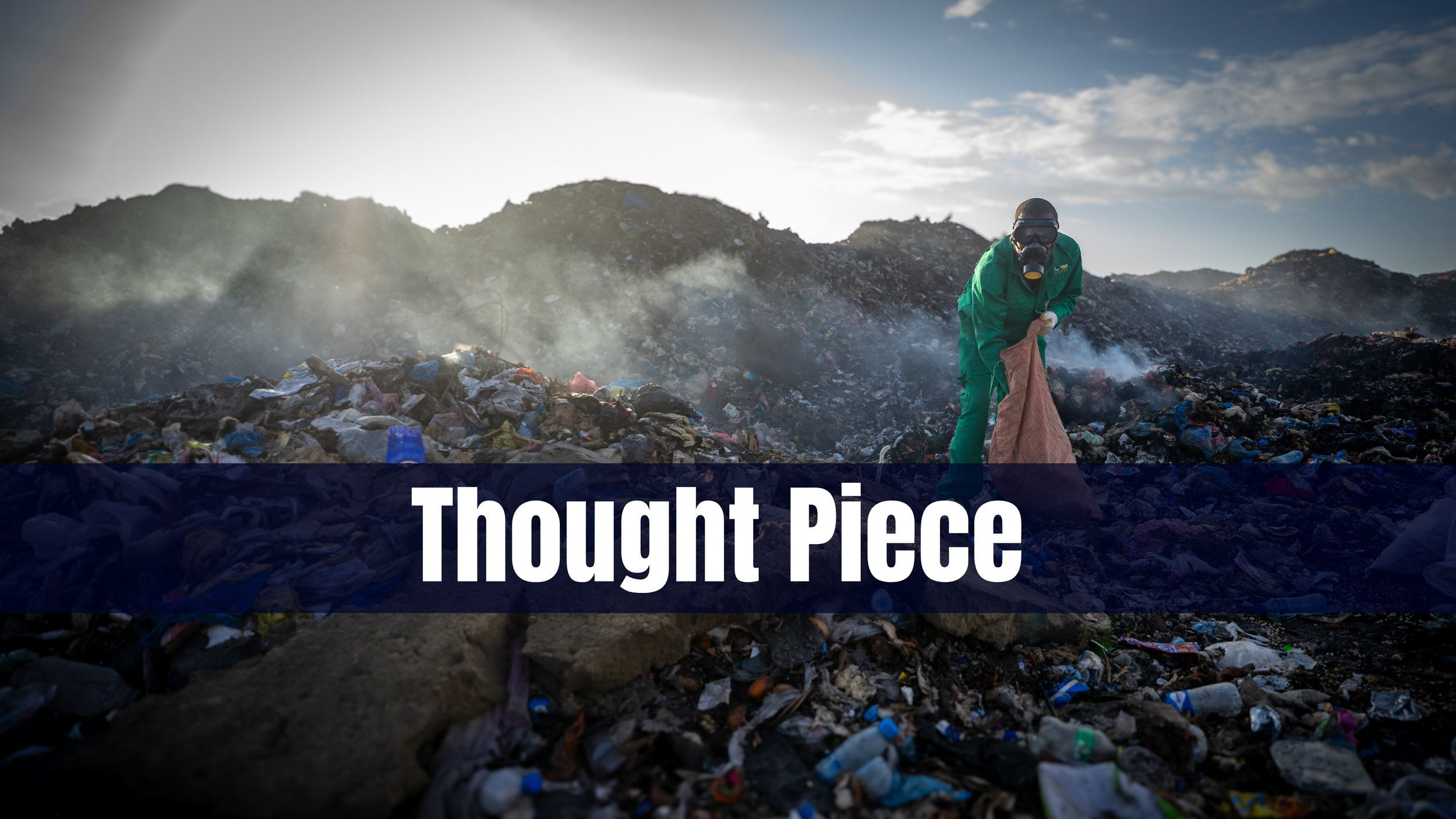
Brought to you by Liban Mohamed, a thought piece reflecting on the livelihoods behind “messiness”.
As StartupBlink's Ecosystem Partner in Somalia and recognised as one of the "Notable Startup Ecosystem Builders", Response Innovation Lab remains committed to deepening our collaboration with the private sector and the local innovation community—working together to build a more connected, resilient, and thriving ecosystem.
We just added a new addition to our Open Resources hub: MatchMaker Solutions Packs! Free to access for all, the guidebook helping organisations and networks moving from “we have a challenge” to “here’s what we can test and try”.
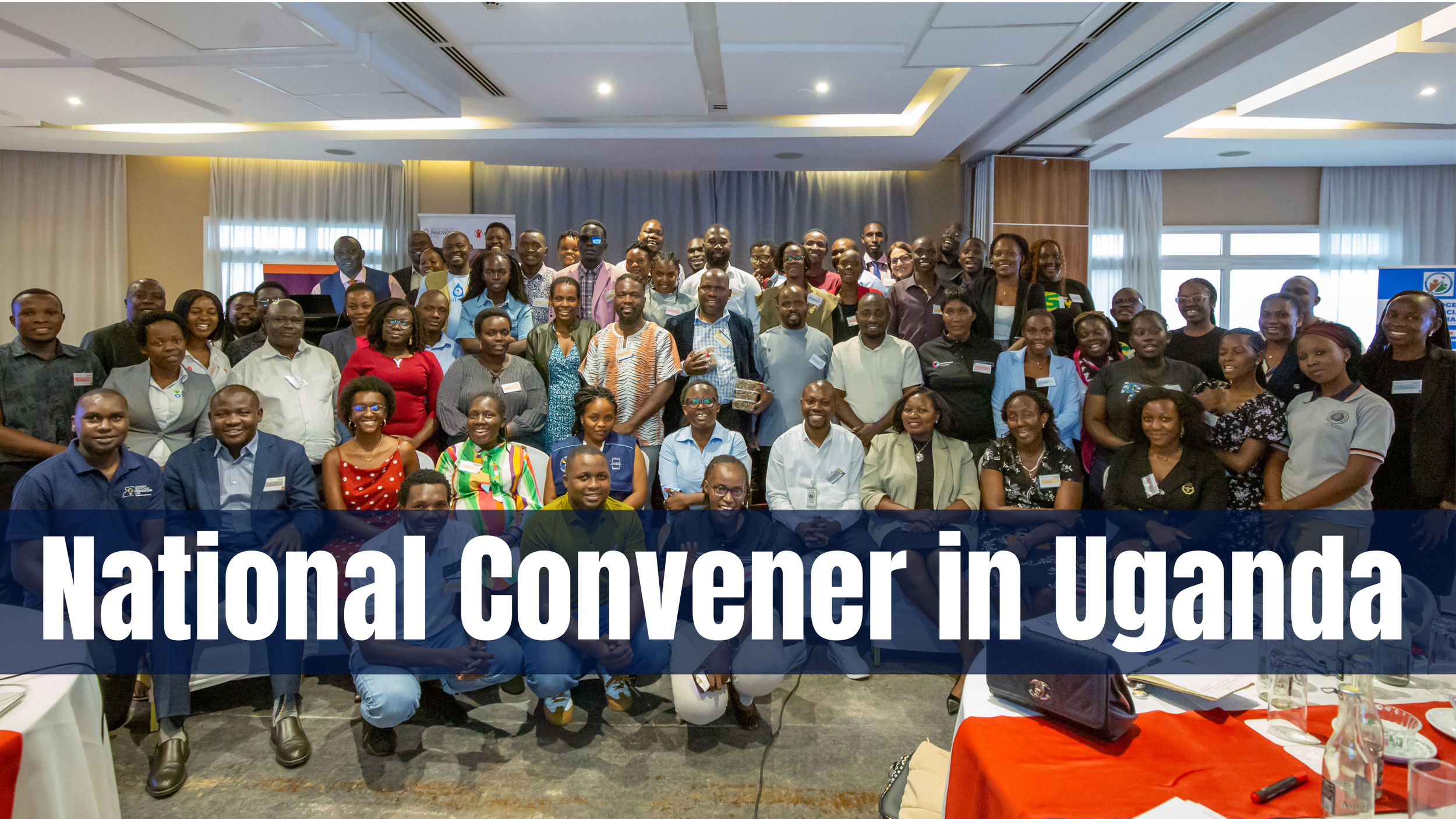
On 7 May 2026, the Uganda Response Innovation Lab (U-RIL) organised the Innovative Financing Convener.
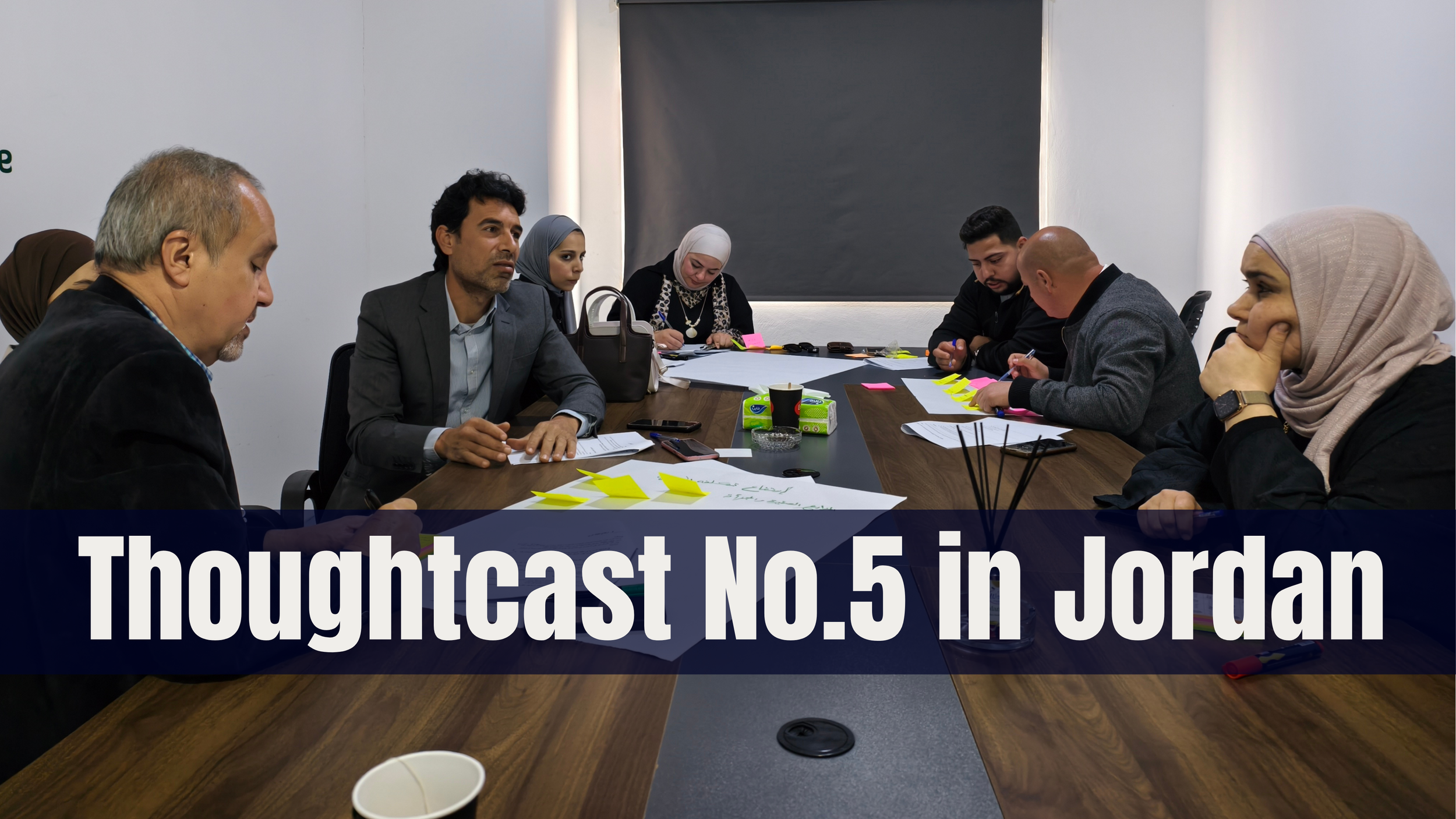
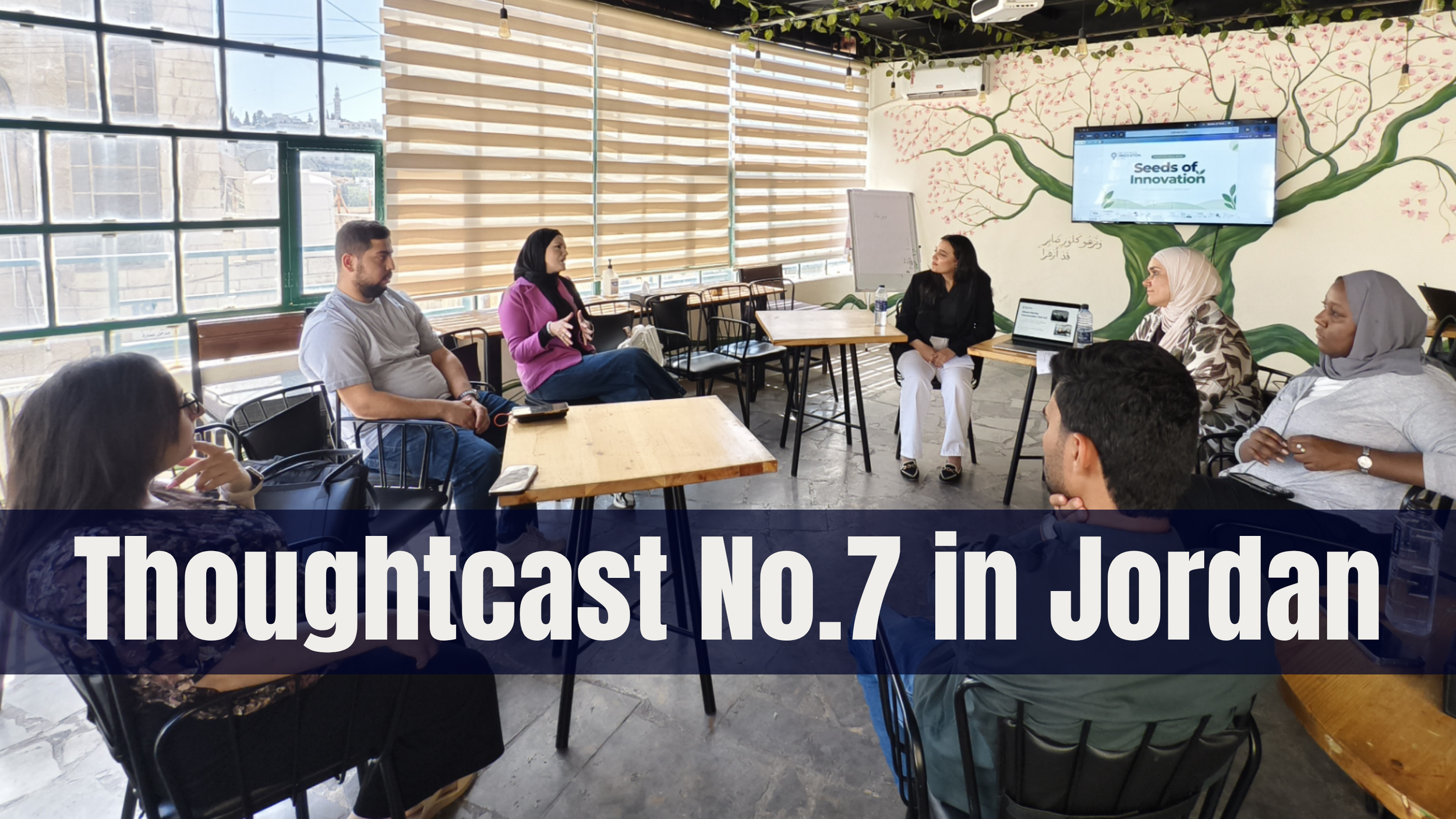
On Tuesday, 5 May 2026, the Response Innovation Lab (RIL) hosted a special edition of its Thoughtcast series in Amman, focusing on analysing challenges within the agricultural sector as an entry point for developing practical, context-driven solutions. The session brought together stakeholders from across the agricultural ecosystem for a more targeted and focused discussion.
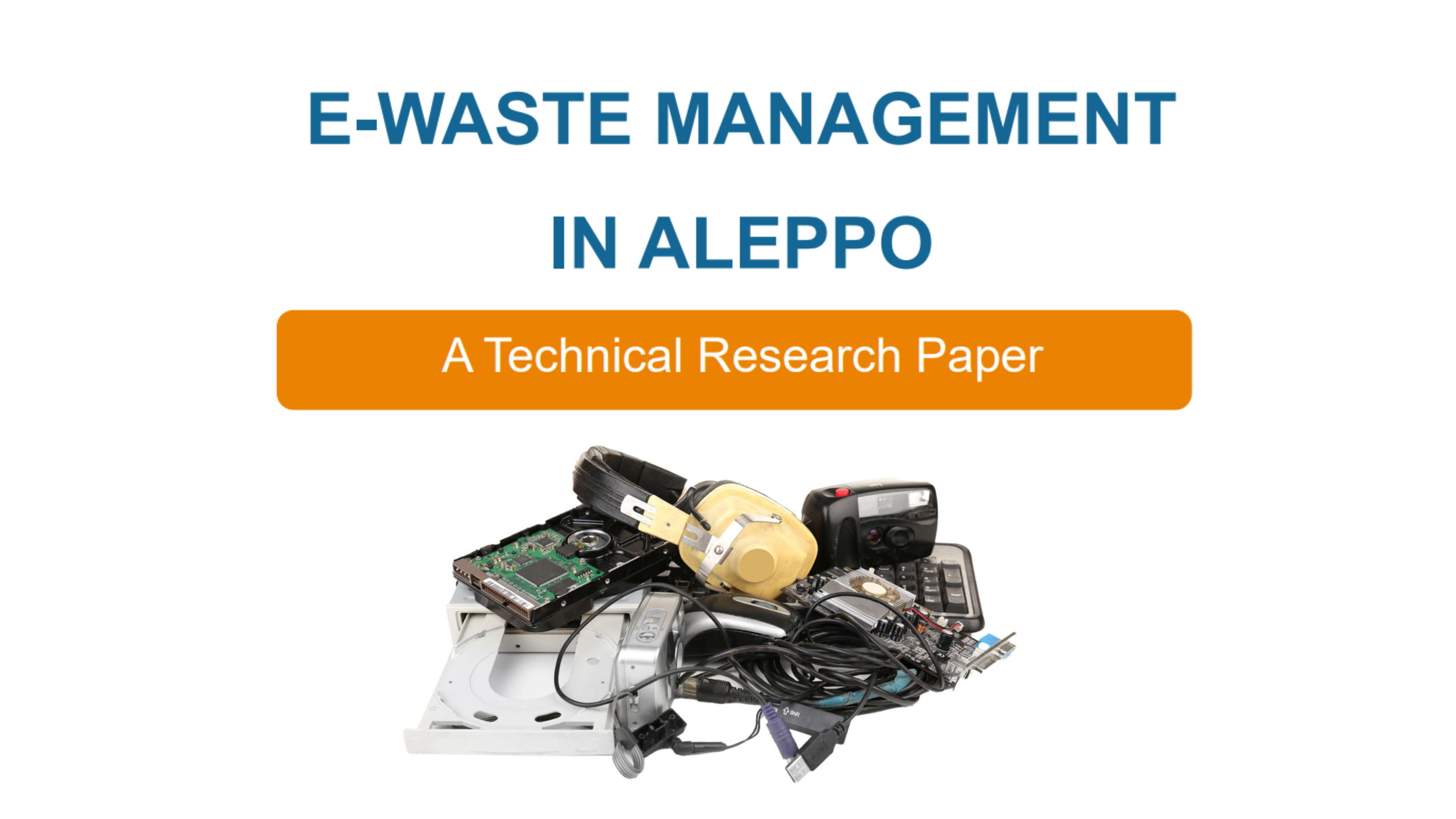
This report sheds light on the issue of electronic waste in the city of Aleppo, Syria, with a focus on the current situation and its environmental and social impacts. It attempts to estimate e-waste quantities and examine existing collection and treatment practices. It should be noted that detailed, city-level data—particularly for Aleppo—are scarce or unavailable, although indicative estimates exist, such as an average of approximately 4.6 kg of electronic devices available per capita in the market.
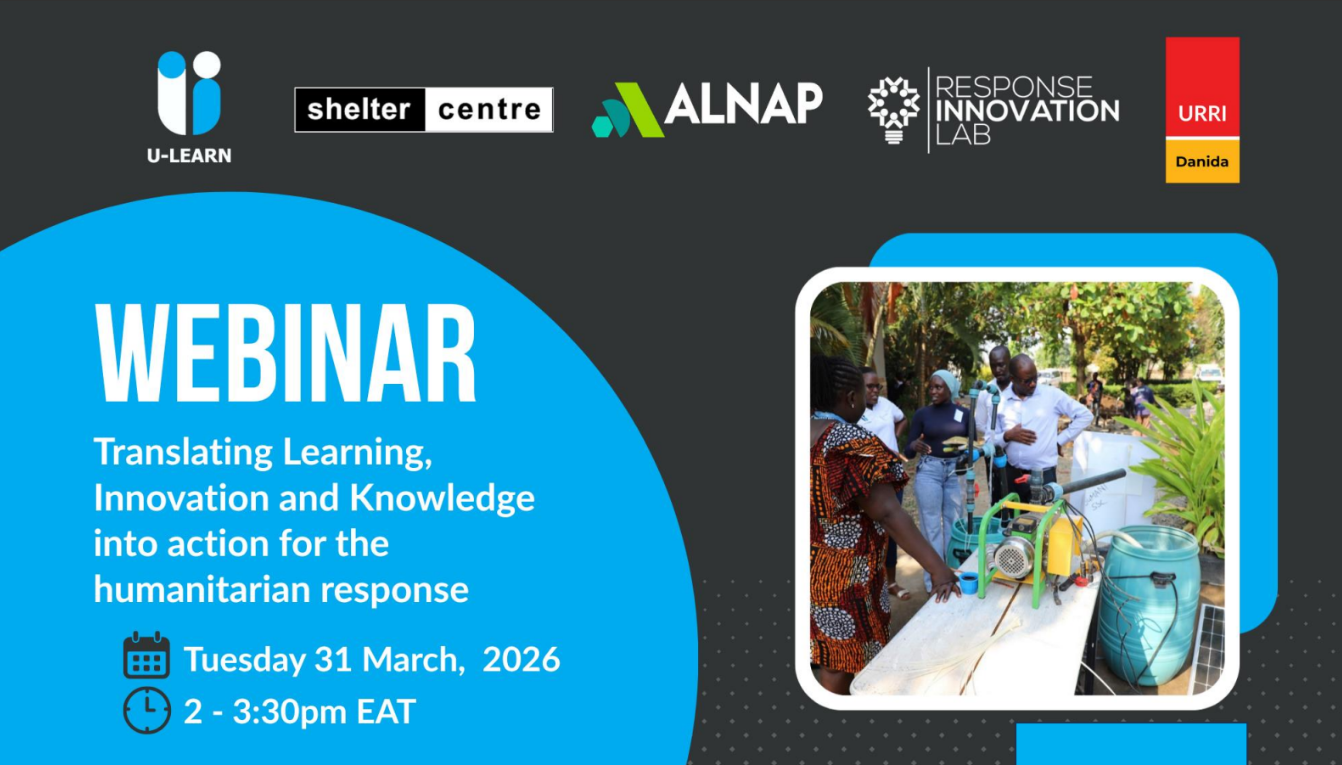
U-Learn, together with Rwanga Foundation, ALNAP, the Humanitarian Library and Shelter Center, co-hosted a webinar on learning, innovation, and evidence uptake in humanitarian contexts. The webinar aimed to share practical approaches to strengthening learning and evidence uptake in humanitarian and refugee responses. Check out the webinar recording and relevant resources!
Our annual review for 2025 is finally here. The year witnessed significant disruptions across the humanitarian sector, yet our global network continued to explore—through relentless effort and commitment—how to do more with less.
At this year’s #HNPW, we hosted a session on March 5 reflecting on a decade of humanitarian innovation, bringing together perspectives from practitioners, innovators, and ecosystem actors across different regions.
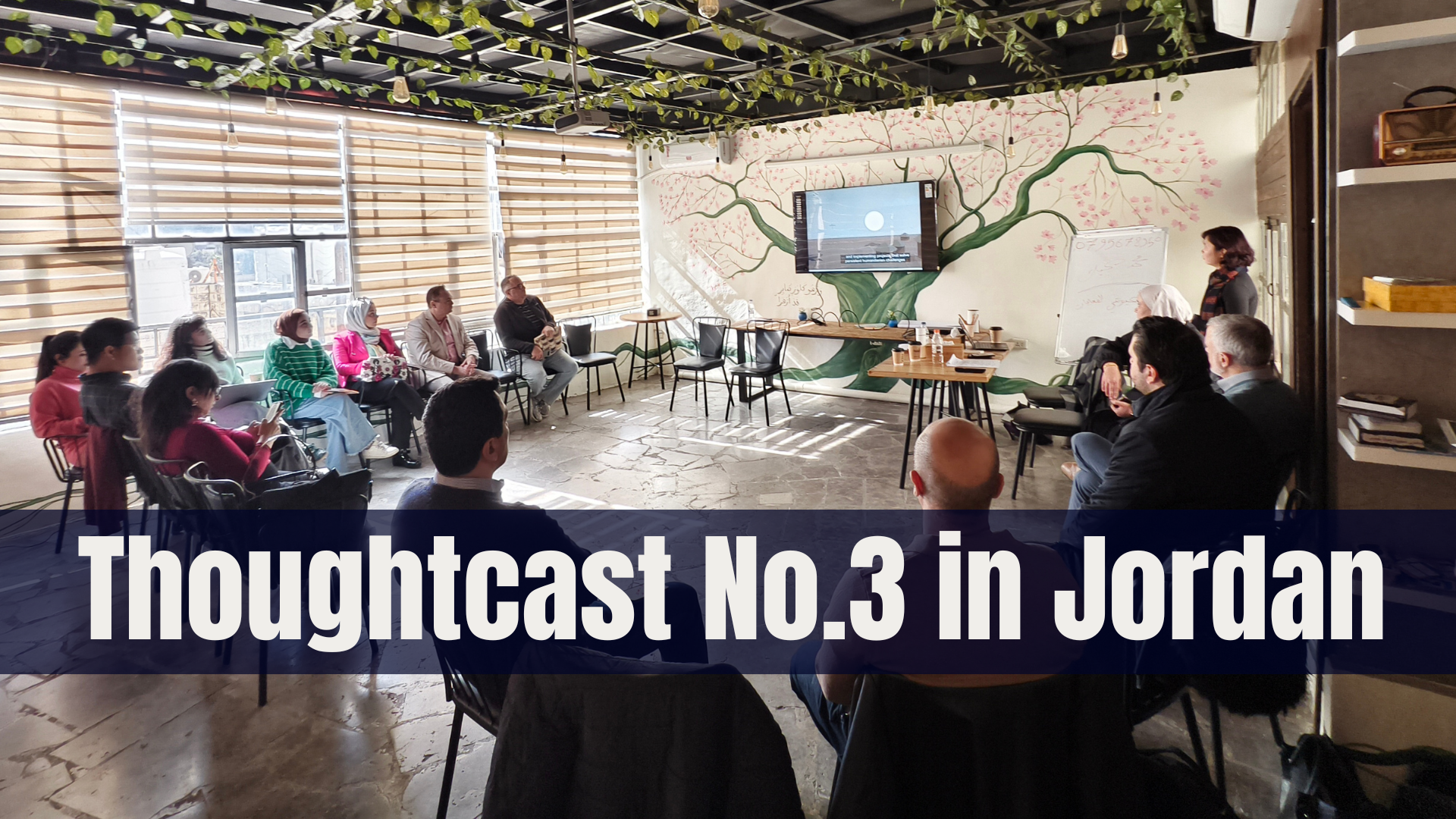
Jordan’s humanitarian landscape is under growing pressure, with rising needs, shrinking funding, and a continued reliance on short-term interventions. In this context, finding ways to deliver impact more efficiently, locally, and sustainably has become increasingly urgent.
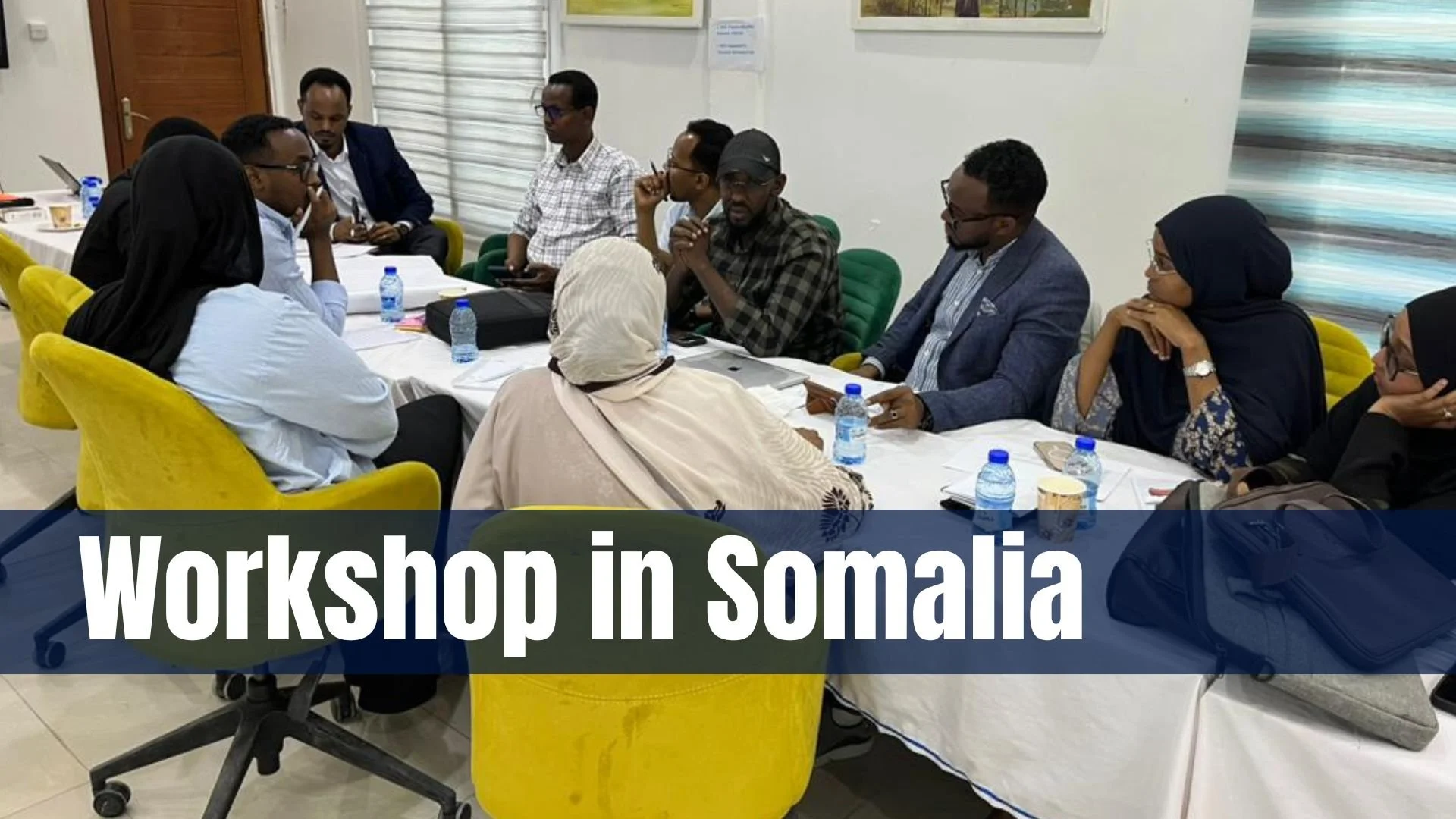
On January 6, the Somali Response Innovation Lab (SomRIL) hosted a national-level Humanitarian Research & Innovation Futures Consultation in Mogadishu , convening a diverse cross-section of Somalia’s humanitarian ecosystem to collectively shape a forward-looking, nationally grounded agenda for humanitarian research and innovation.
Using Elhra’s Humanitarian Research & Innovation Futures Toolkit, the consultation applied strategic foresight methods to examine key drivers of change, surface critical uncertainties, and stress-test existing humanitarian approaches—ensuring future responses remain adaptive, evidence-driven, and locally relevant.
Watch the podcast episode where our Head of Programs, Ruba Hijazi, tells the RIL story in Arabic. Hosted by Al Manar Foundation.