
In fragile setting, promising solutions struggle to move from idea to impact.
During humanitarian response, it’s often hard to identify, test, and scale innovations that can drive impact.
This is where we come in.
RIL strengthens local innovation ecosystems by brokering relationships, sharing capacity and evidence, and enabling collaboration so solutions can move faster from idea to impact for crisis-affected communities.

We are a collaborative initiative.
We are a collaborative initiative co-led by Civic, Danish Refugee Council, Oxfam, Save the Children International and World Vision, dedicated to strengthening local humanitarian innovation ecosystems.
We see ourselves as an “old auntie” of the humanitarian innovation community.
-
Over the first decade of our journey, we have built our reputation as a driver for innovations in fragile contexts, supporting it as a public good. All the resources we have created are free and accessible to everyone, just like how we believe innovations should be.
-
We’ve gathered experience over the years, but of course, we’re still learning—not just from the sector and our “close circles,” but also by taking lessons from other sectors.
-
In the contexts we work in, we go for depth: localization isn’t just a slogan, it guides us to listen to communities, work together with them, and share what works—and what doesn’t—with others.
-
We LOVE matchmaking, connecting the supply and demand sides of humanitarian innovation, linking funders with implementers, and bringing potential collaborators together. If you’re in the regions where we operate, come to us—we’re always happy to point you toward the right connections.
-
We want to transform how communities respond to and recover from crises, and we want to shake up humanitarian work through innovations. We are scrutinizing our own approaches and language (yes, working on “jargon-free” and staying aware of the “power dynamics”), and we welcome criticism and those who challenge us. If you’ve been to a RILx event, you’ve probably noticed how we encourage open—and sometimes controversial—sharing of “field notes”.
-
We don’t seek visibility for its own sake—we aim to be seamlessly integrated into the communities and ecosystems we work in and with.

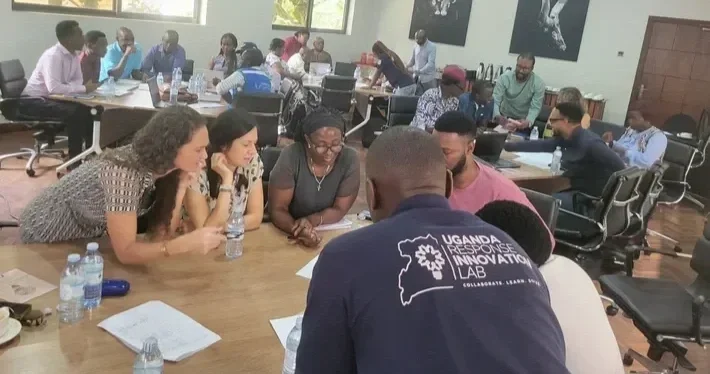
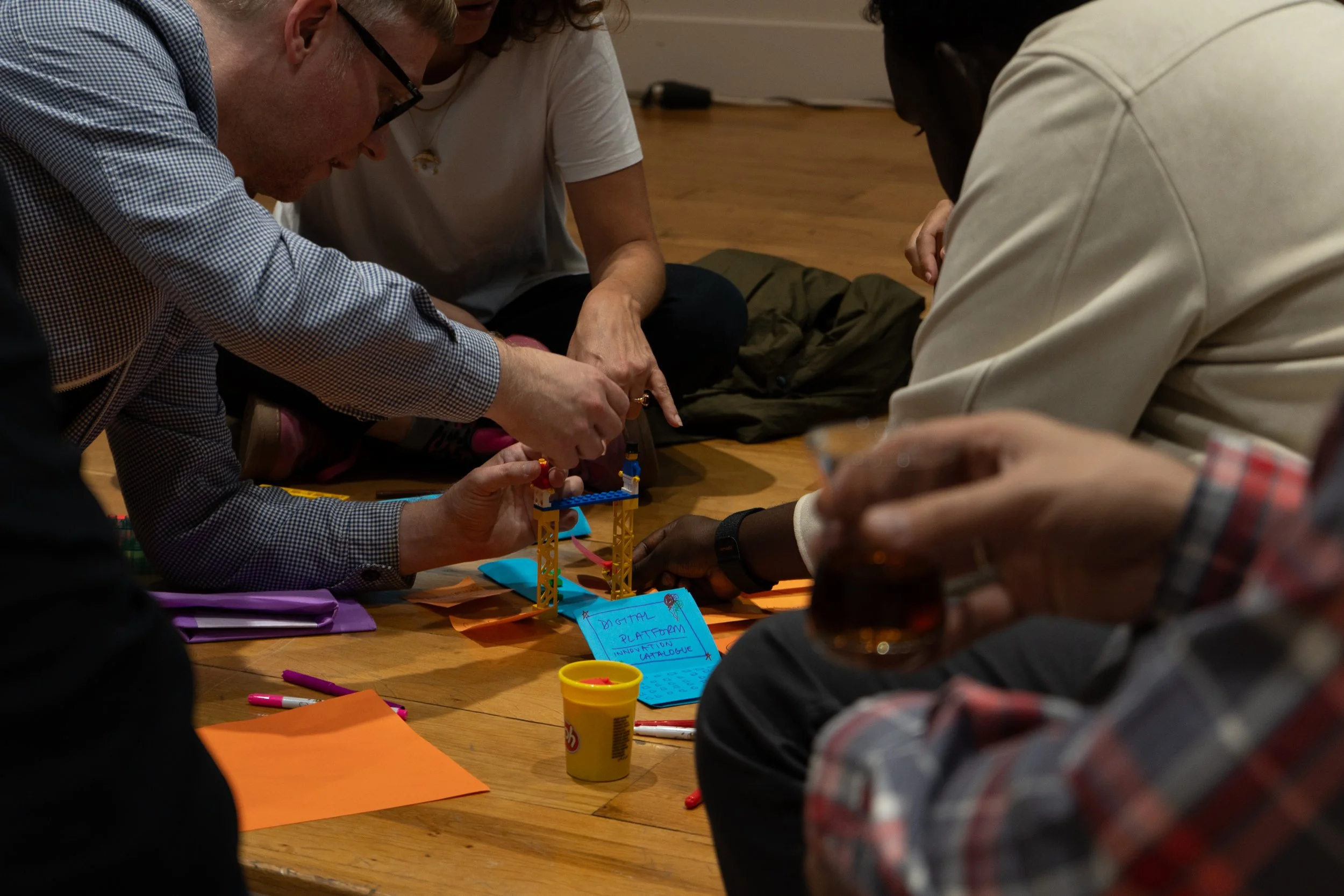
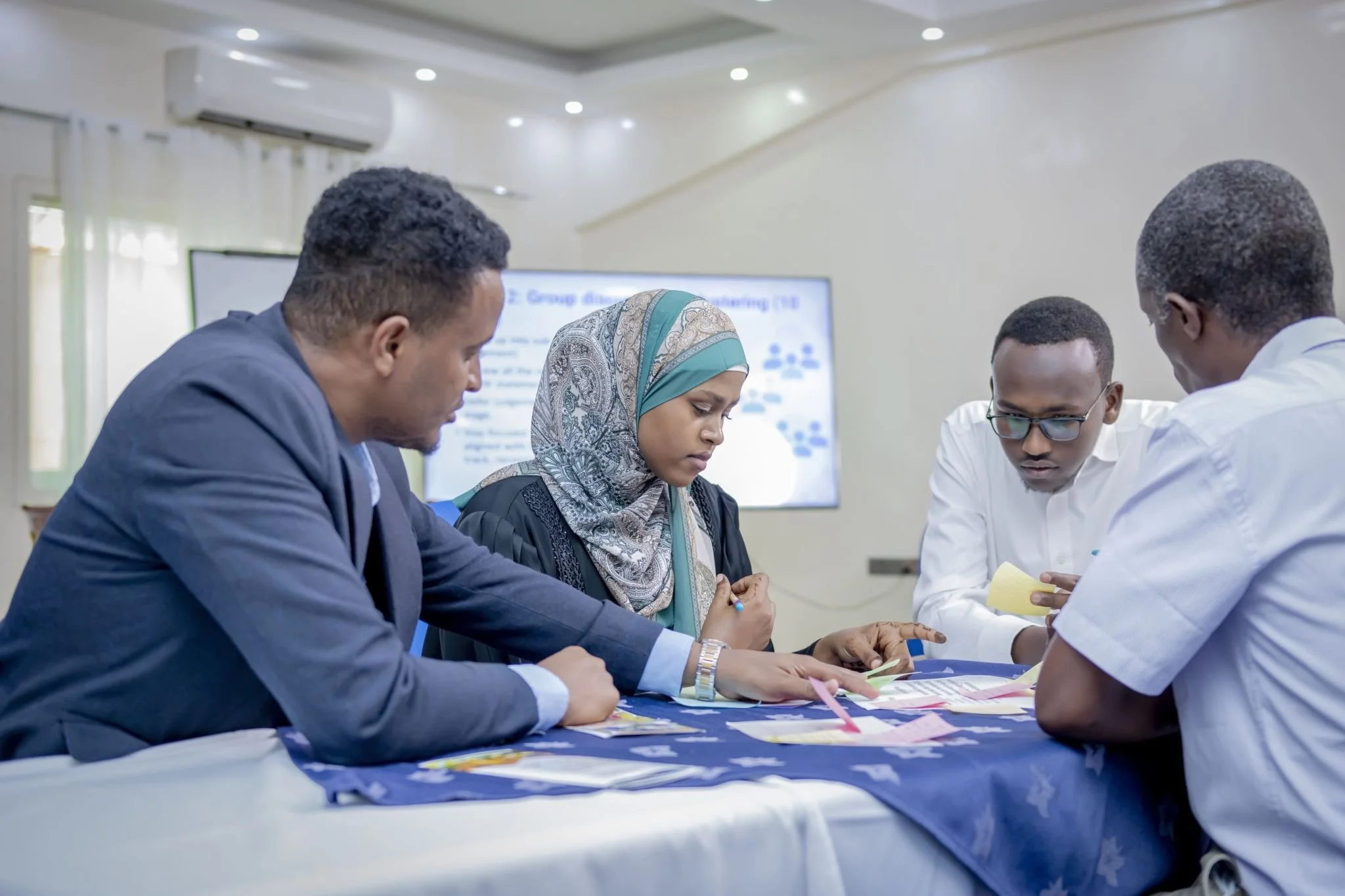
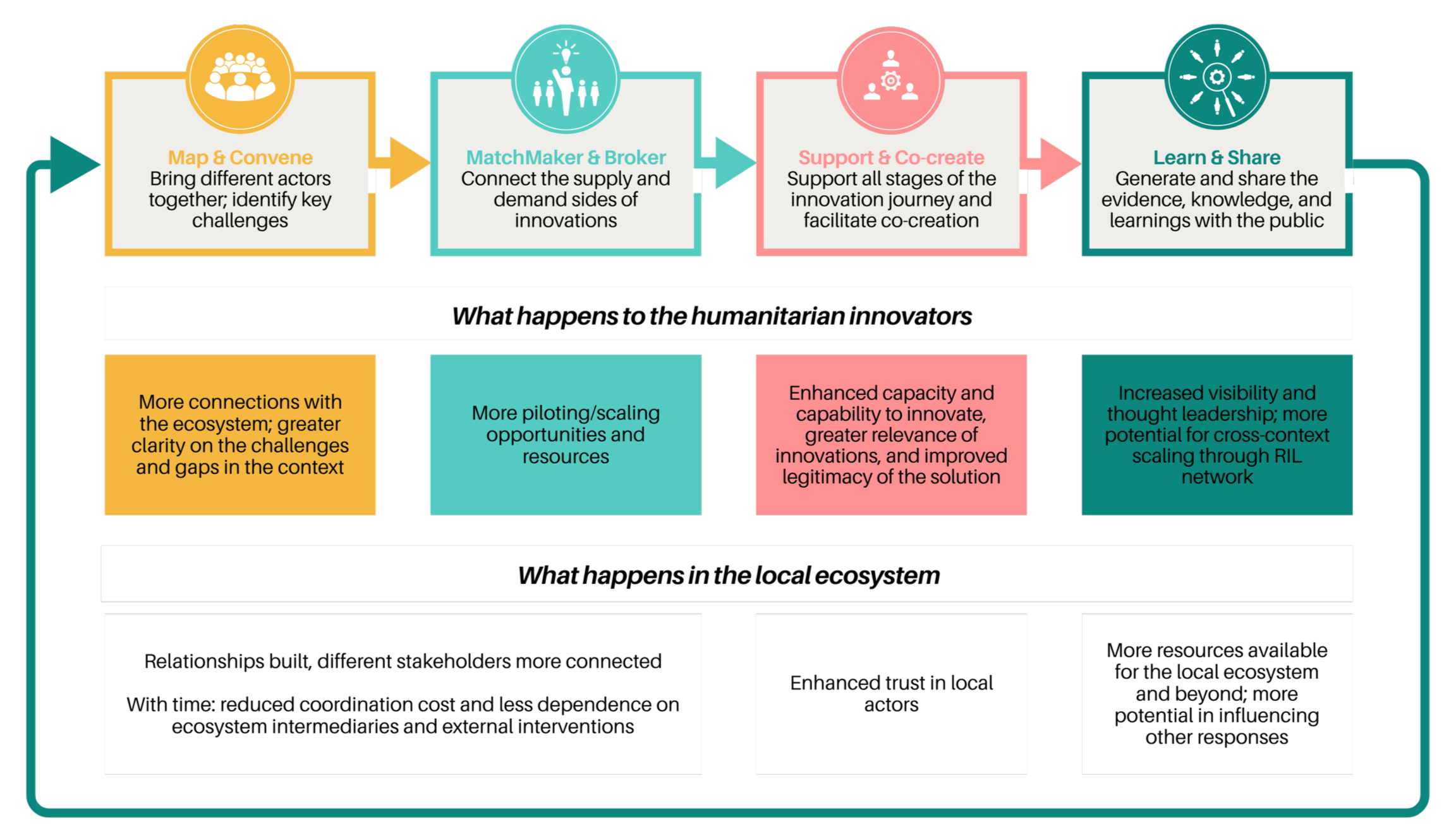
The four pillars of what we do, and our collaborative approach to ecosystem building.
-

Map & Convene
We create ecosystem mapping and convene stakeholders to identify innovation challenges and set agenda in the local context.
-

MatchMaker & Broker
We match innovation challenge holders and solution providers for collaborations; and we seek collaborations to bring more resources for innovation support.
-

Support & Co-create
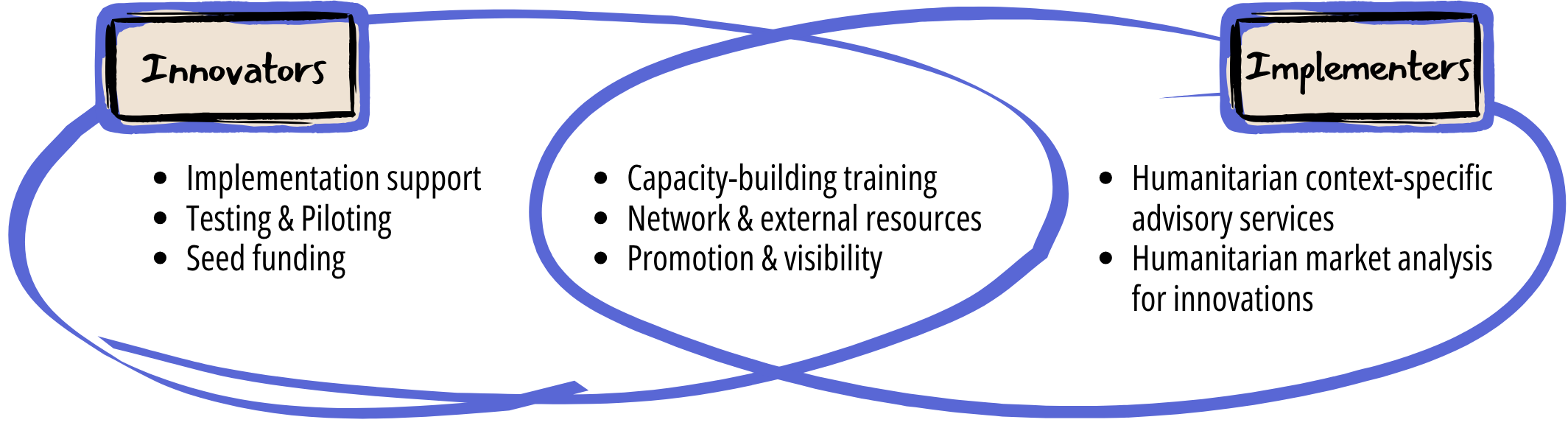
We support innovators and implementers in the humanitarian innovation system to enhance their ability to deliver on the ground.
-

Learn & Share
We value evidence and learning. We constantly generate and share data, knowledge and tools for the wider community.
Map & Convene
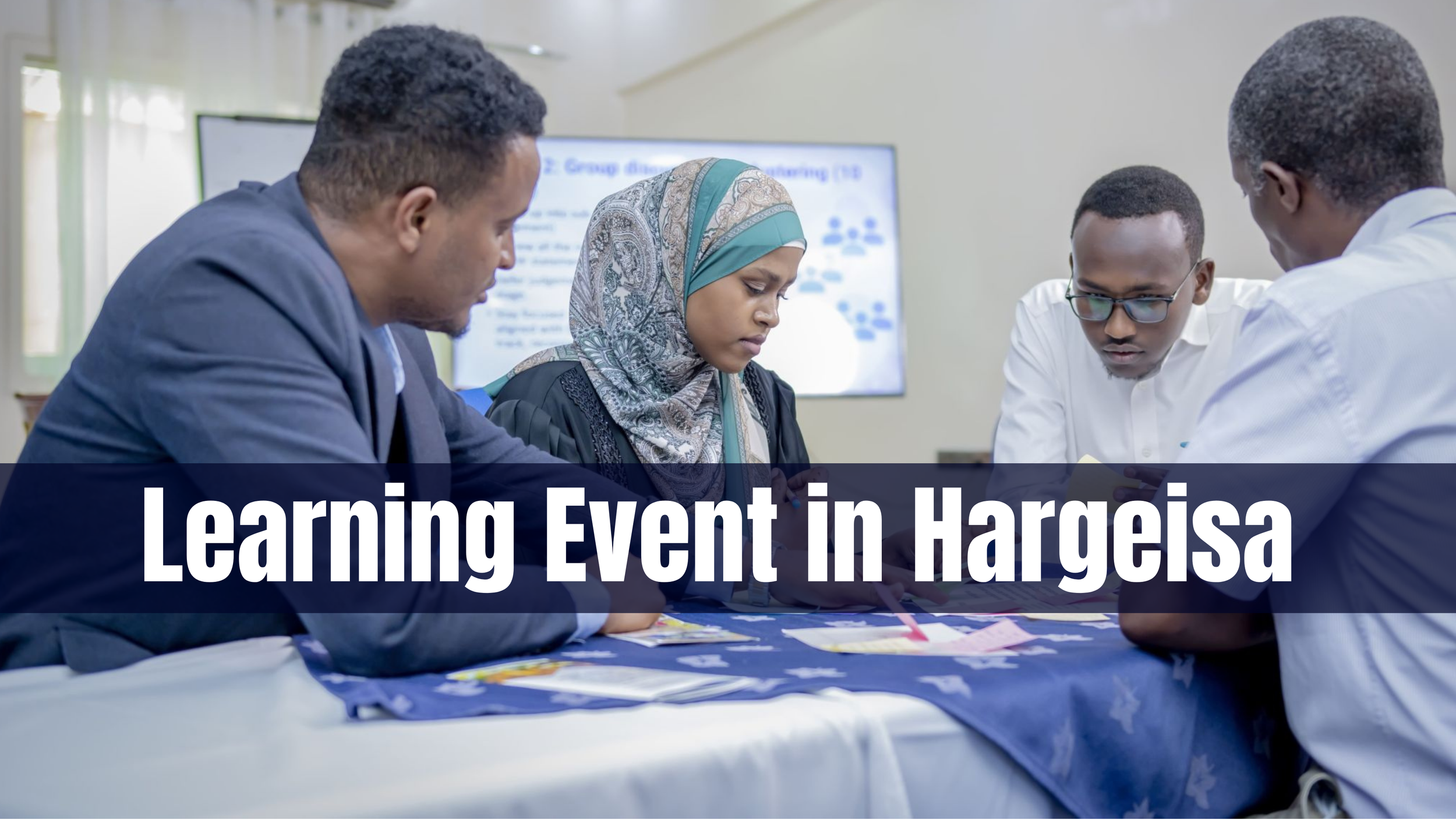
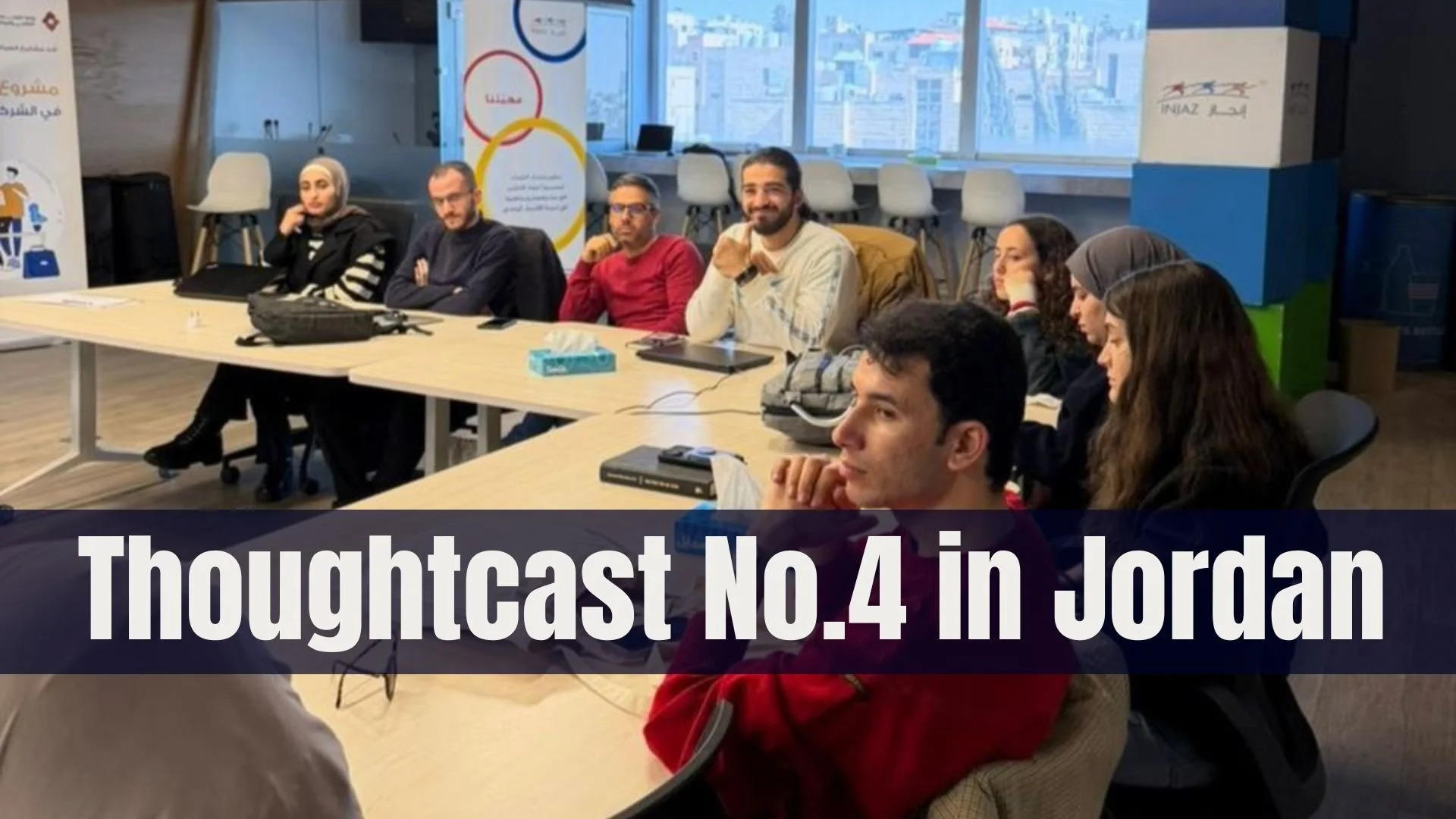
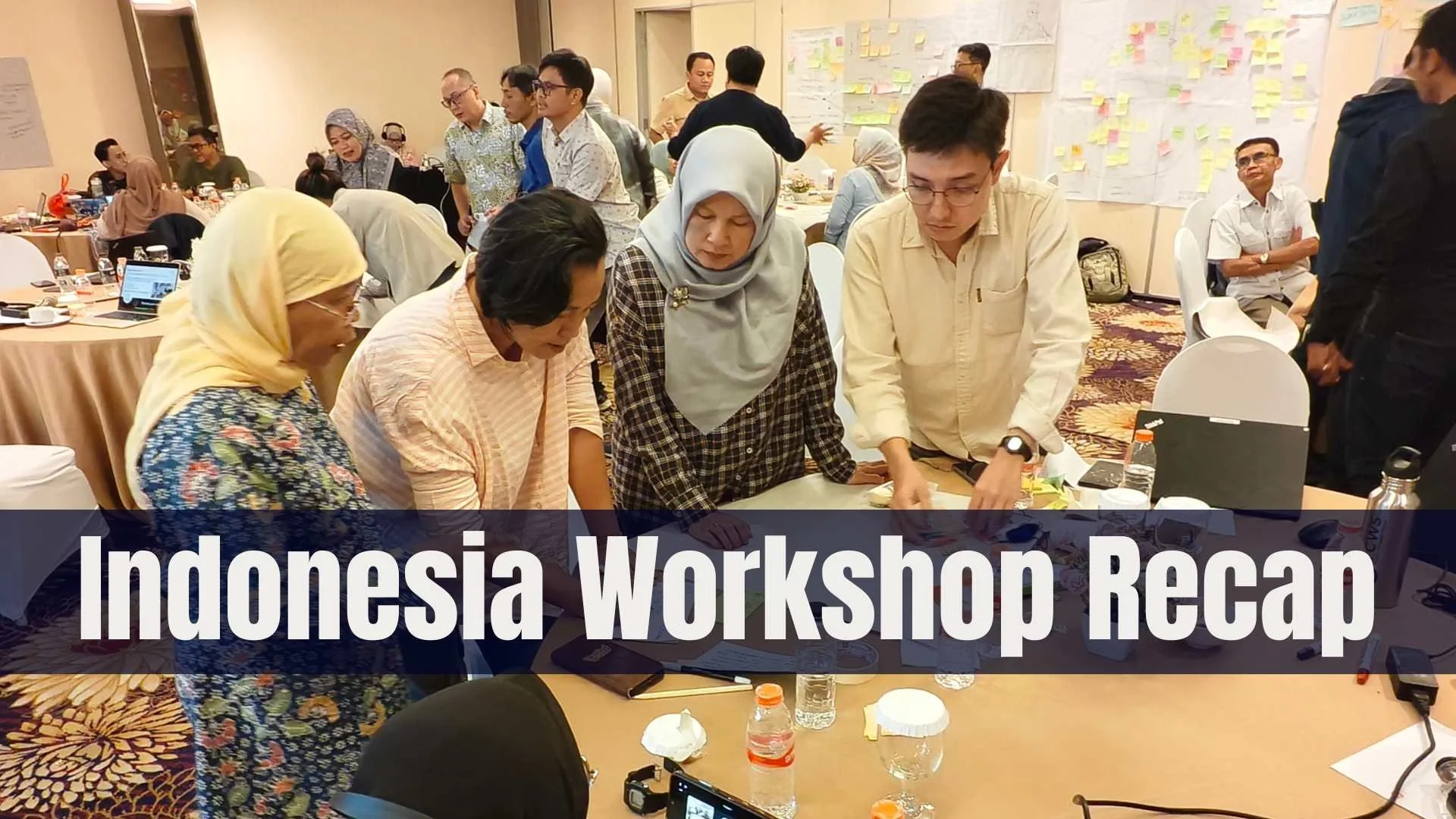
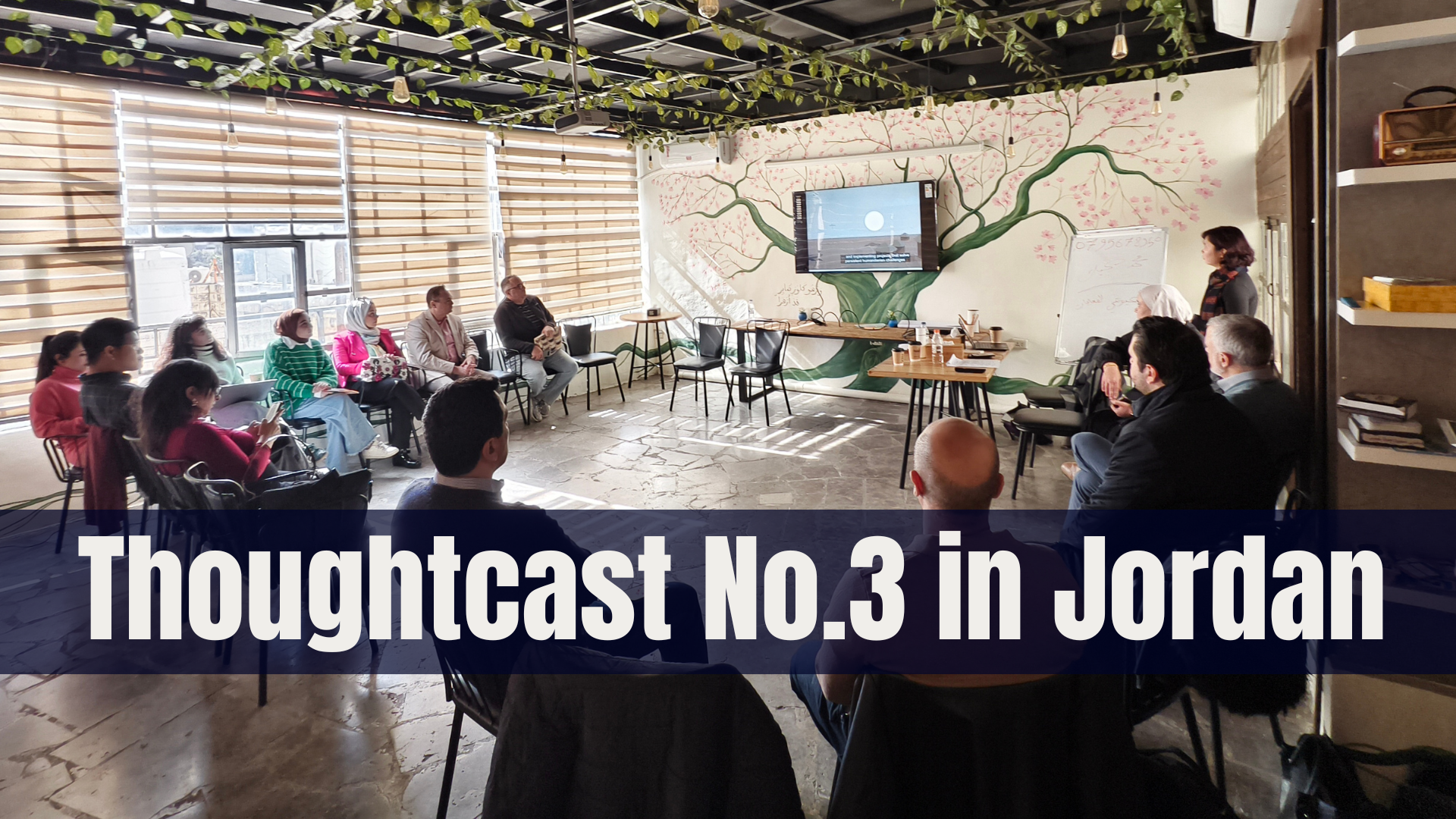
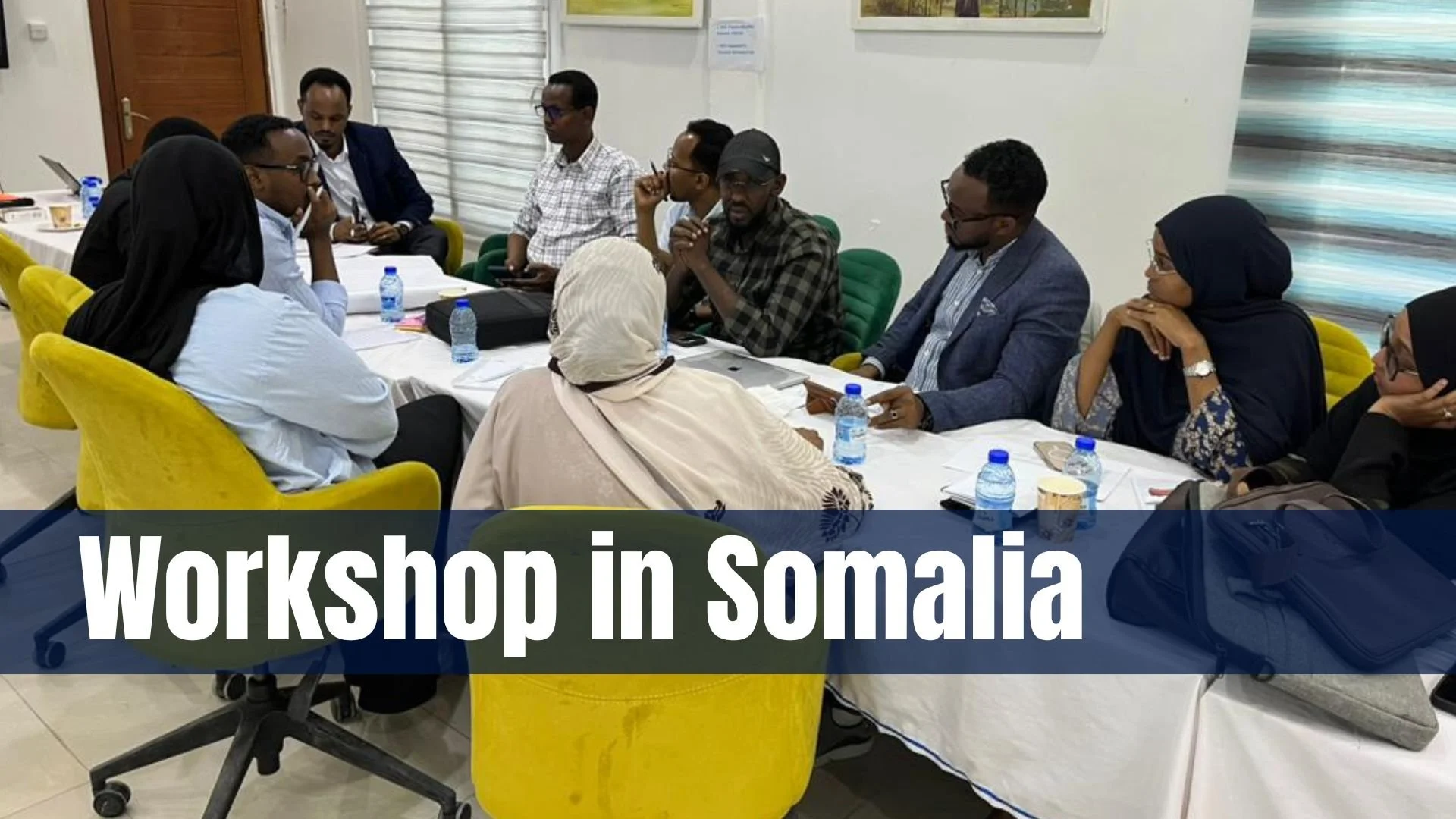
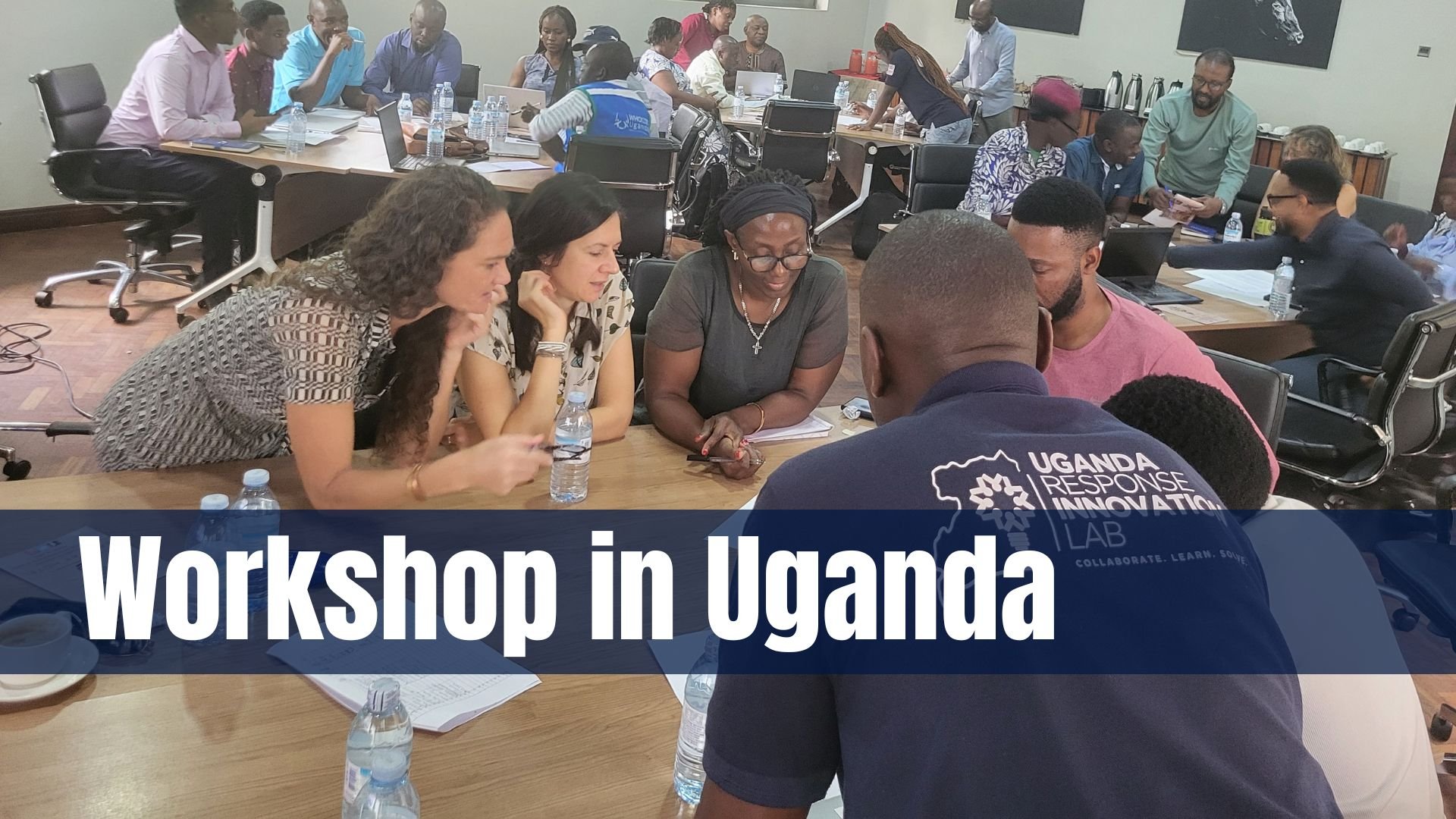
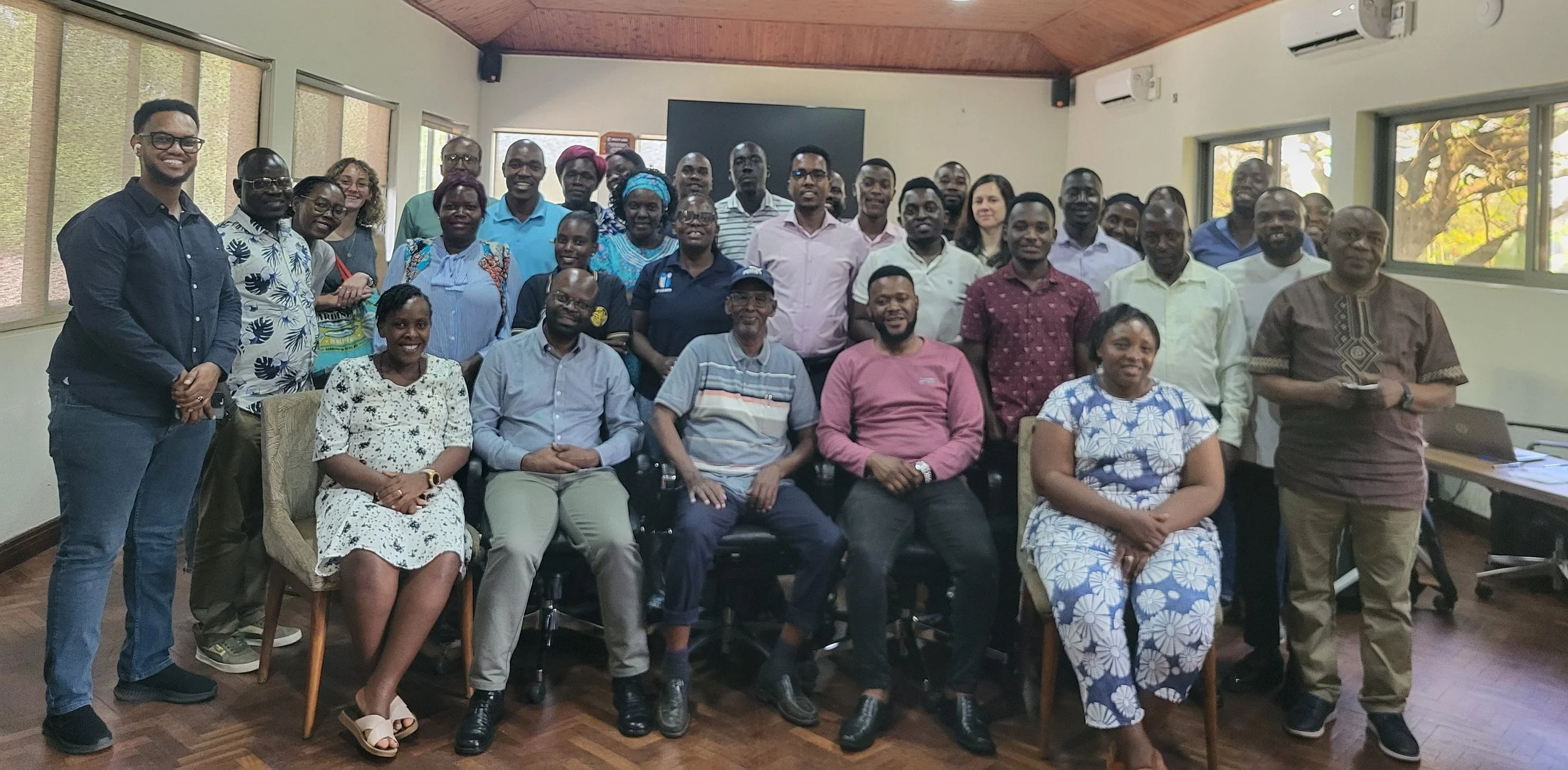
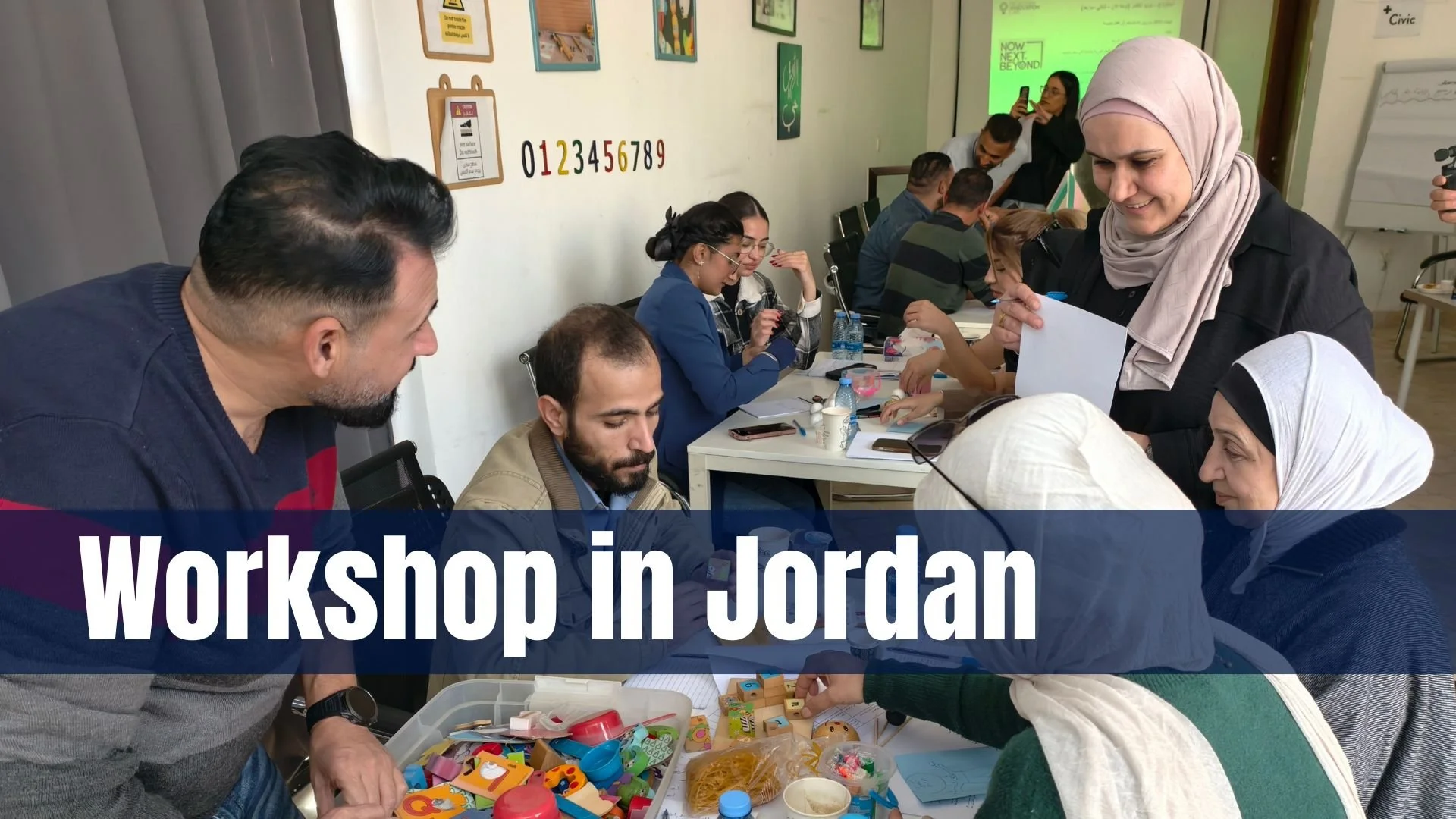
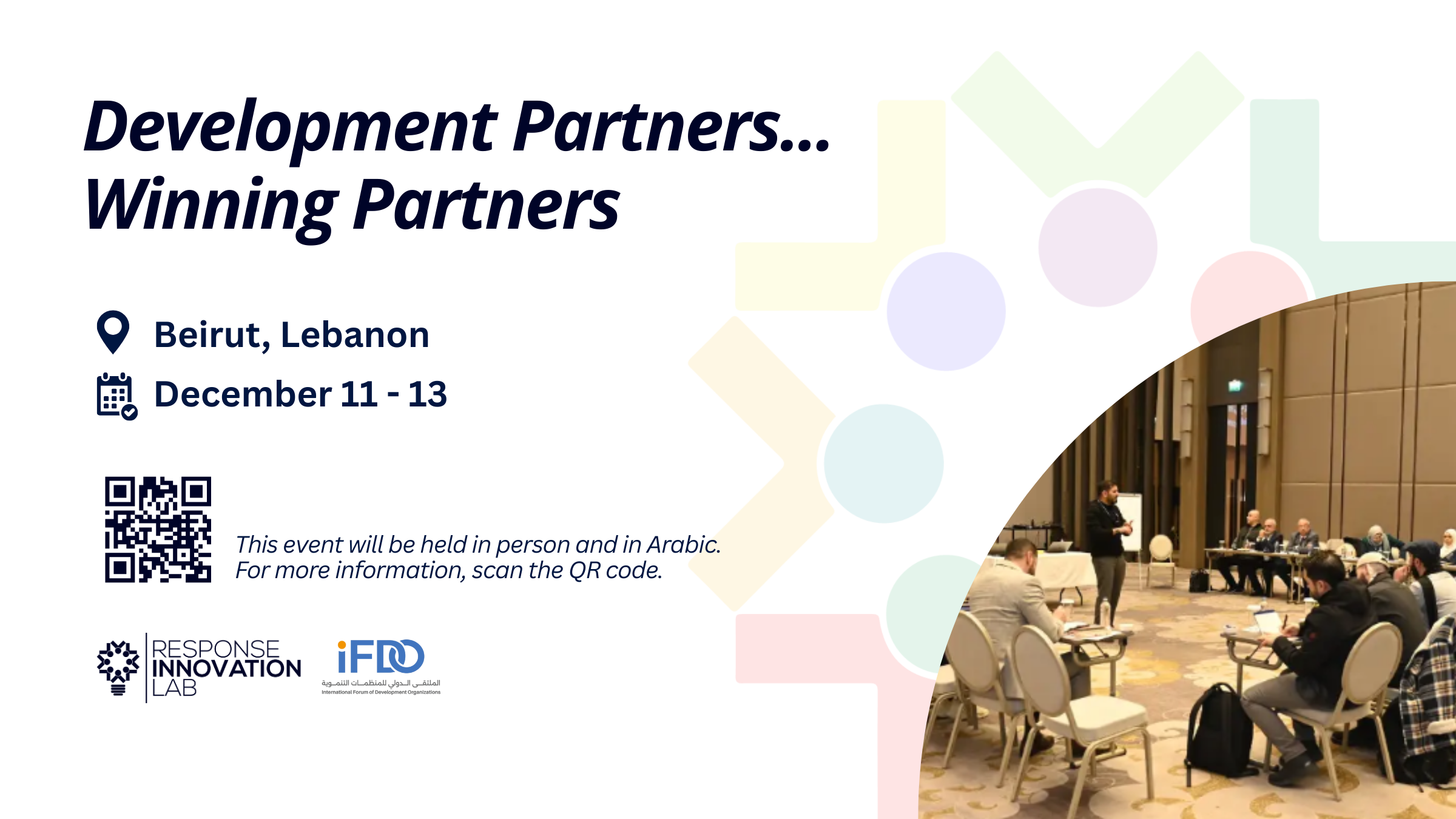
The convening process usually takes a human-centered design approach in the format of large-scale event, workshop or collective conversations. RIL also produces ecosystem mapping to help organizations identify the resources, support, or partners they might need. RIL’s convener events are of two types: 1) diversity-focused with the aim to picture the humanitarian innovation landscape in the context, gathering a variety of stakeholders; 2) depth-focused with a set agenda or guiding topic to advance on an innovation journey.


MatchMaker & Broker
RIL tends to find innovators that already have solutions available and applicable in the local context. After identifying a suite of solution providers, RIL will share different alternatives with the challenge-holder. RIL staff always consult with our network of subject matter experts (SME’s) and research both internal and external innovation databases to provide solution package to any challenge submitted to RIL.
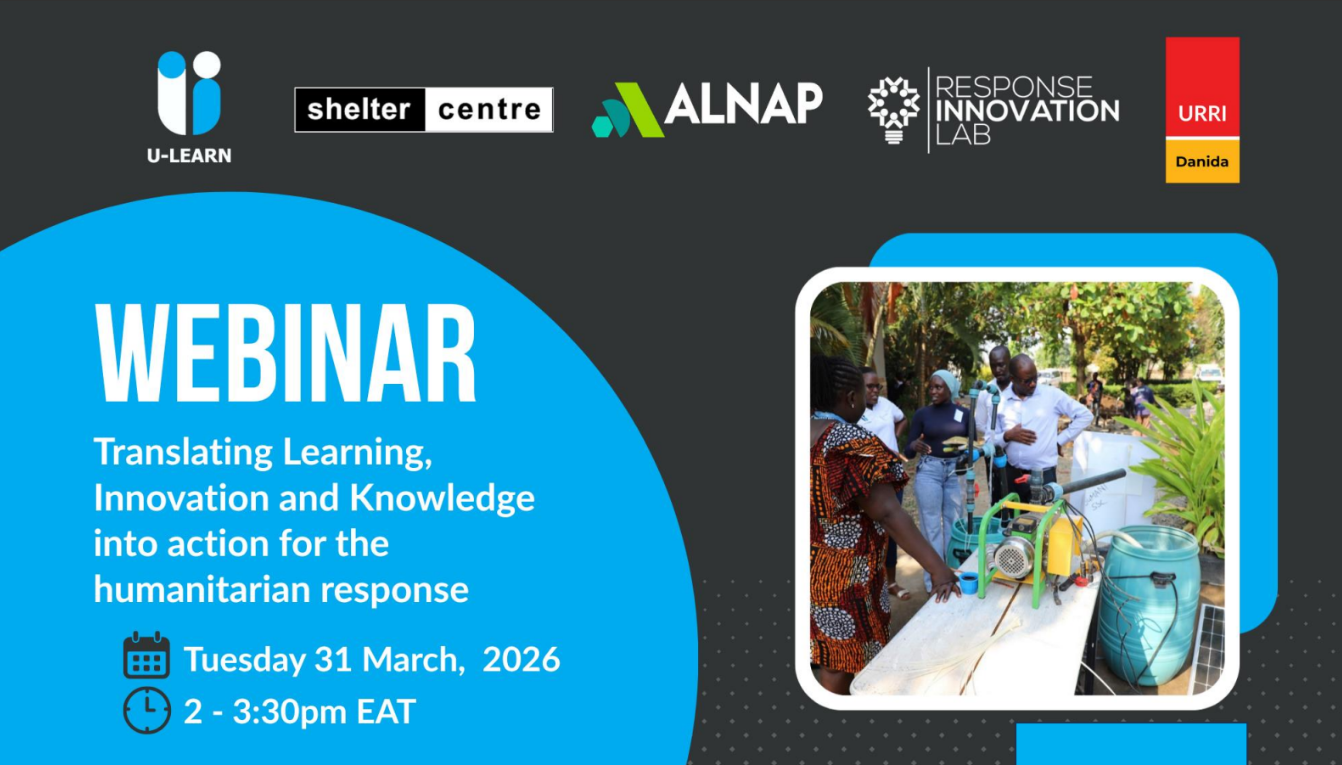
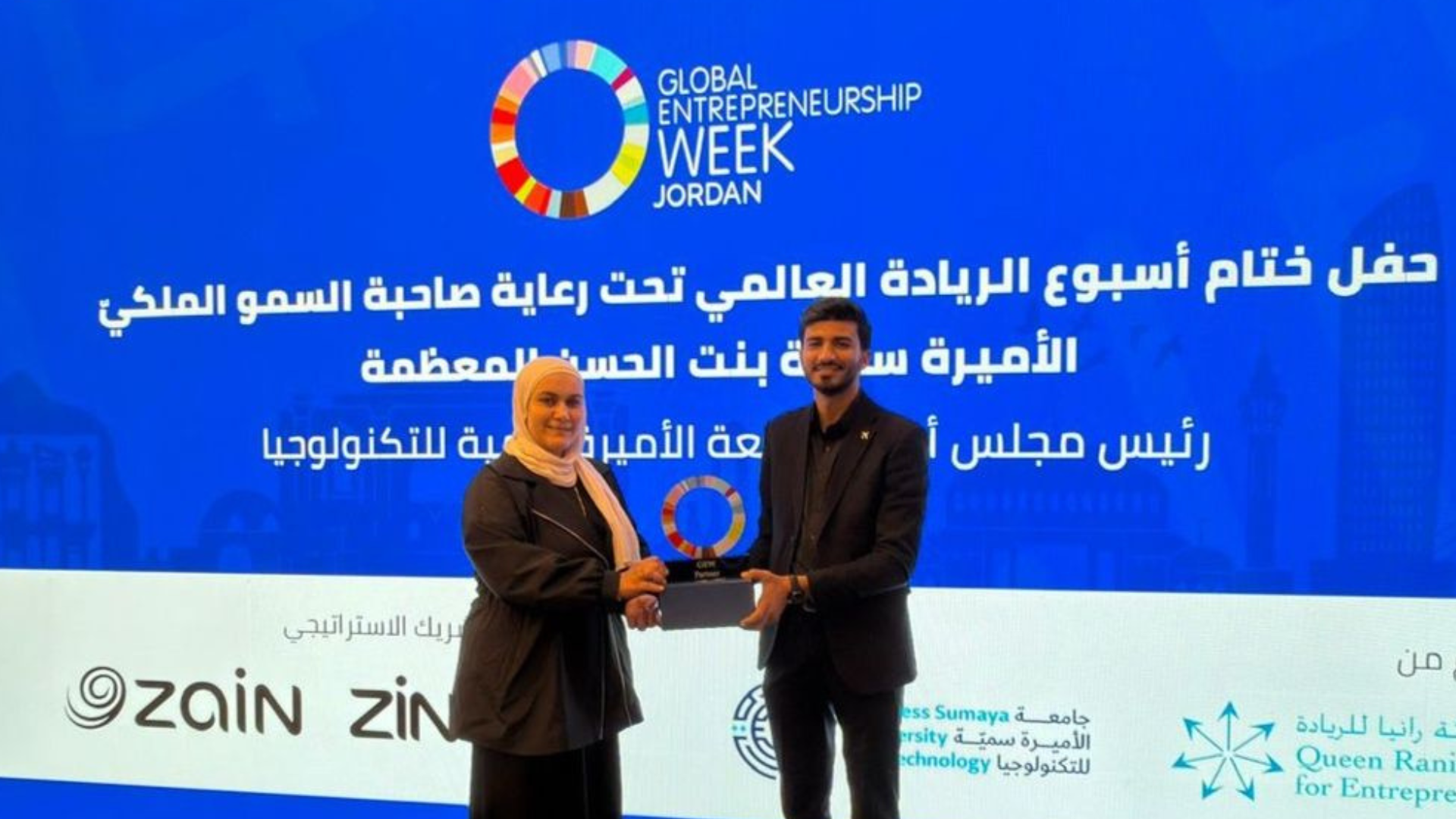
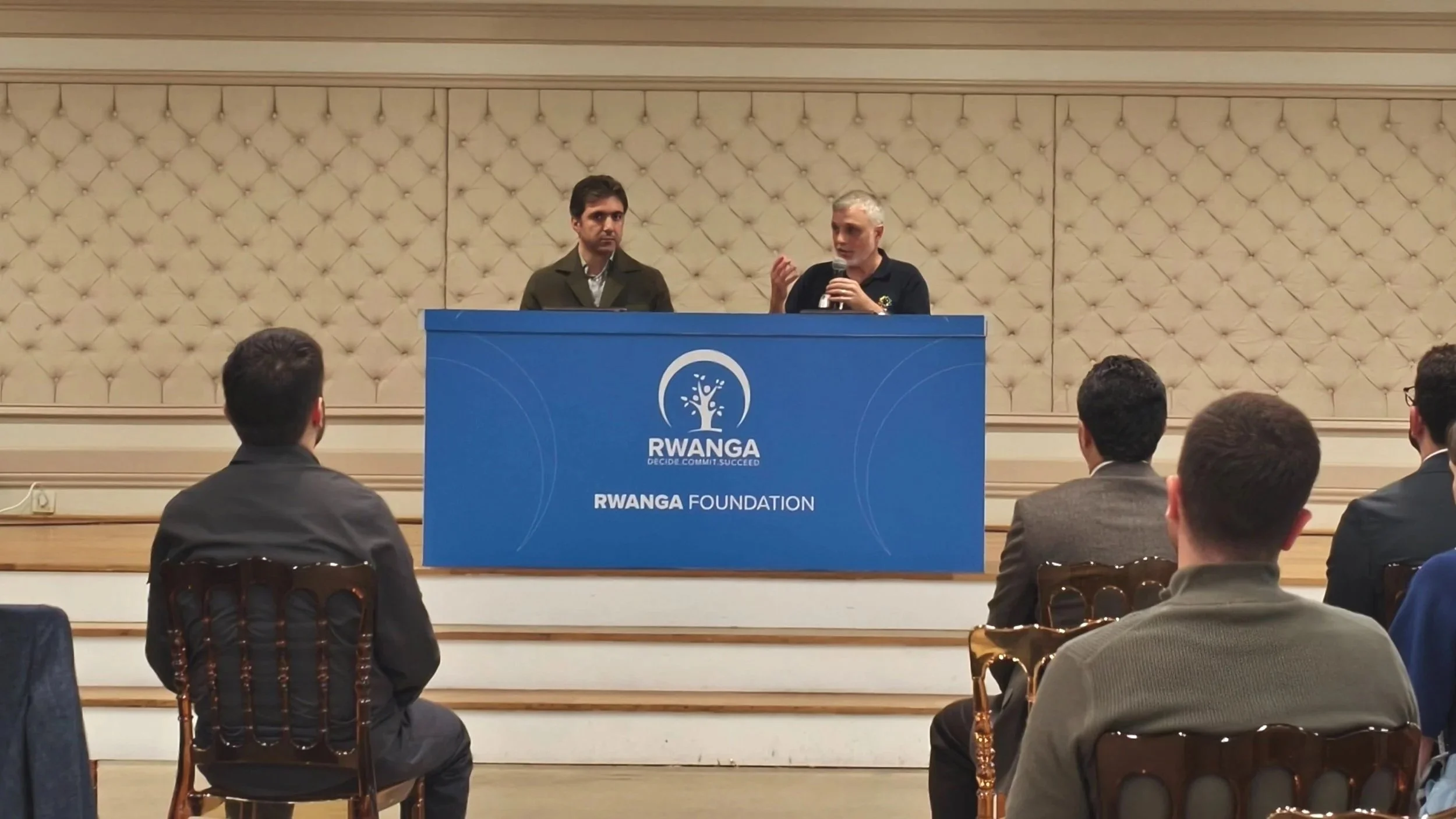


Support & Co-create



Learn & Share
RIL values and embraces evidence and learning to improve our work and contribute to the humanitarian and innovation sectors. We do so by generating and sharing data, knowledge, tools, and other open resources. All learning products are designed to inform better programming and policymaking.


RIL Q&A
-
RIL is not an NGO – we are a collaborative initiative between Civic, World Vision International, Oxfam International, Save the Children International and Danish Refugee Council. RIL is not a registered entity. The Central Support Unit is hosted by Civic, while Uganda country lab by Save the Children and Somali & Syria county labs by World Vision. In general, the administrative and financial management is handled through these host organizations.
-
RIL works as a decentralized network, not a single central organization. Each Response Lab is run by one of RIL’s global member organizations through its country office.
For example, Uganda Response Innovation Lab is hosted and managed by Save the Children Uganda who hires and oversees staff, raises and manages funding, and sets its priorities in line with RIL’s Global Strategy.
A small Central Support Unit, hosted by Civic, provides overall coordination under the governance and strategic oversight of an Executive Committee. Led by a Global Director, a Regional Manager, and an Outreach Officer, it supports the Country Labs and Affiliate Facilities, helps mobilize resources and partnerships, coordinates global and regional events, and maintains shared systems like the RIL website and tools.
-
RIL is funded entirely through grants and paid service contracts. Most funding is raised by individual Country Labs through their host organizations, such as World Vision, and Save the Children.
The Central Support Unit is funded by providing technical support to the Country Labs—covered within their grants—and through a small number of paid services offered to partners under our RIL4U (consulting & training services).