
Innovation Story | From Unsafe Water to A More Affordable Household
An innovation story from WaterKit, a U-RIL supported initiative.
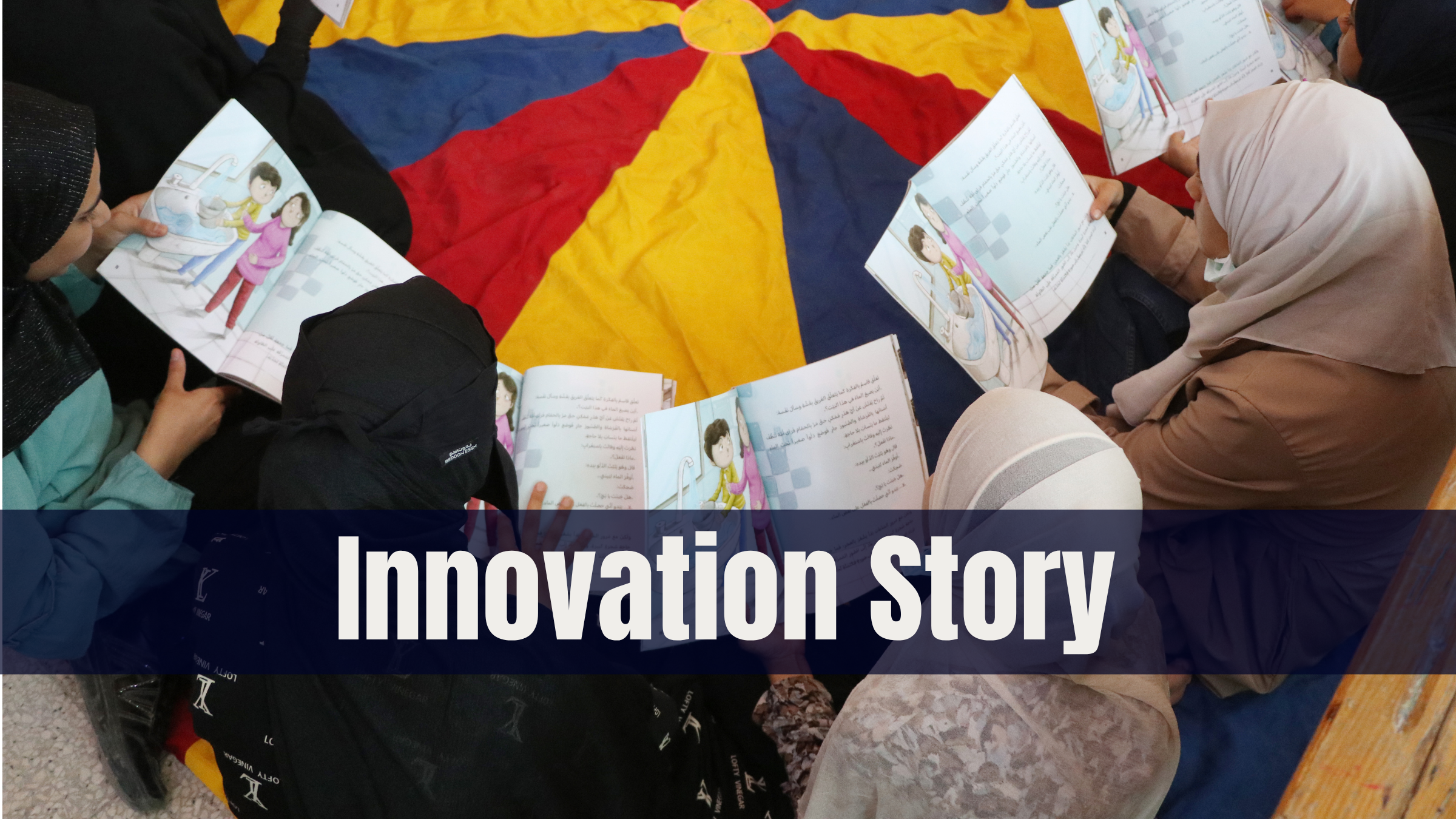
Innovation Story | How Storytelling is Inspiring Syrian Children to Protect the Environment
How storytelling is inspiring Syrian children to protect their environment? Check out the story of Lamiaa, an innovator supported through our Made by Syrians program.
RISE Syria | Challenge Mapping and User Needs Analysis Report
Our partner Field Ready Middle East published the report following the Challenge Mapping workshop under RISE Syria.
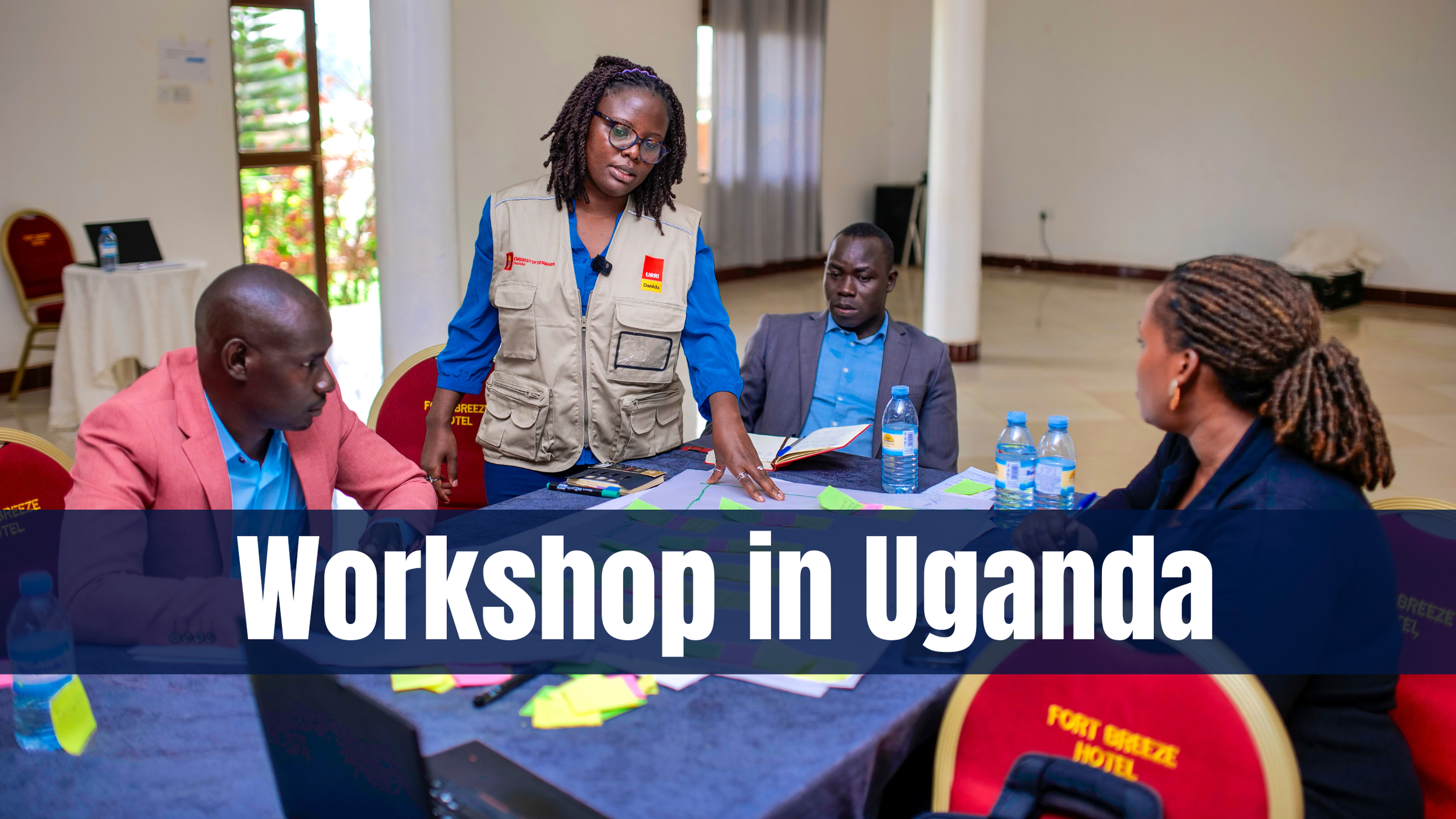
Uganda | Second Challenge Mapping Convener on “Access to Land for Refugee and Host Communities in Uganda”
On July 14, 2026, Uganda Response Innovation Lab hosted the the second “URRI Learning Review - Challenge Mapping Convener” on the issue of land access in Fort Portal, Uganda.
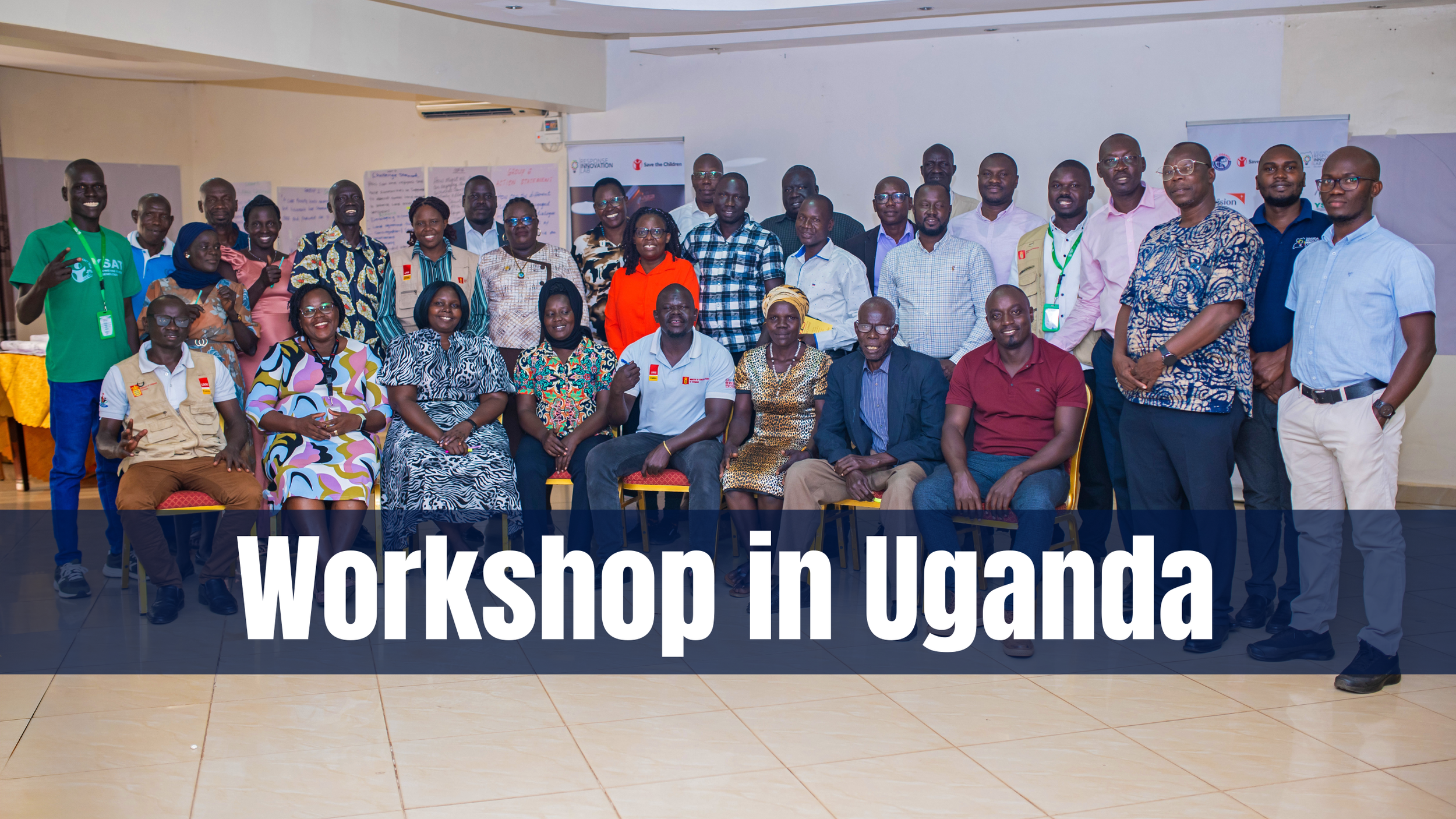
Uganda | Challenge Mapping Convener on “Access to Land for Refugee and Host Communities in Uganda”
On July 9, 2026, Uganda Response Innovation Lab hosted the first “URRI Learning Review - Challenge Mapping Convener” on the issue of land access in Gulu, Uganda.
Have You Read the Latest Issue of RIL Newsletter?
Check out the latest issue of our RIL Newsletter!
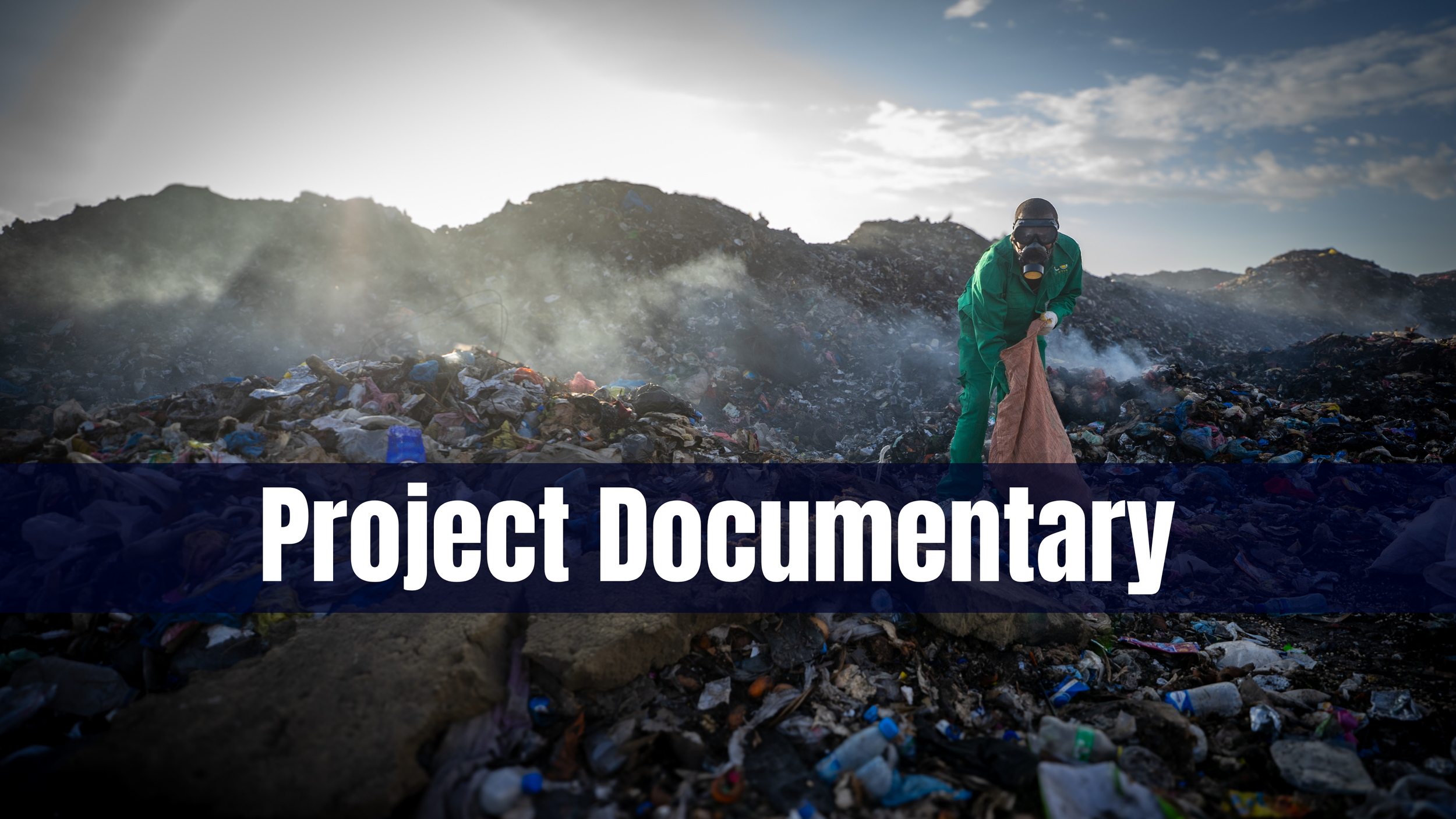
SomRIL | Project Documentary: Turning Waste into Value
This short documentary is under the Social Plastics for Economic Development project led by Response Innovation Lab, together with Engineers without Borders Norway, World Vision Somalia, and the Somali Resilience Programme (host of Somali Response Innovation Lab), with funding support from Innovation Norway.
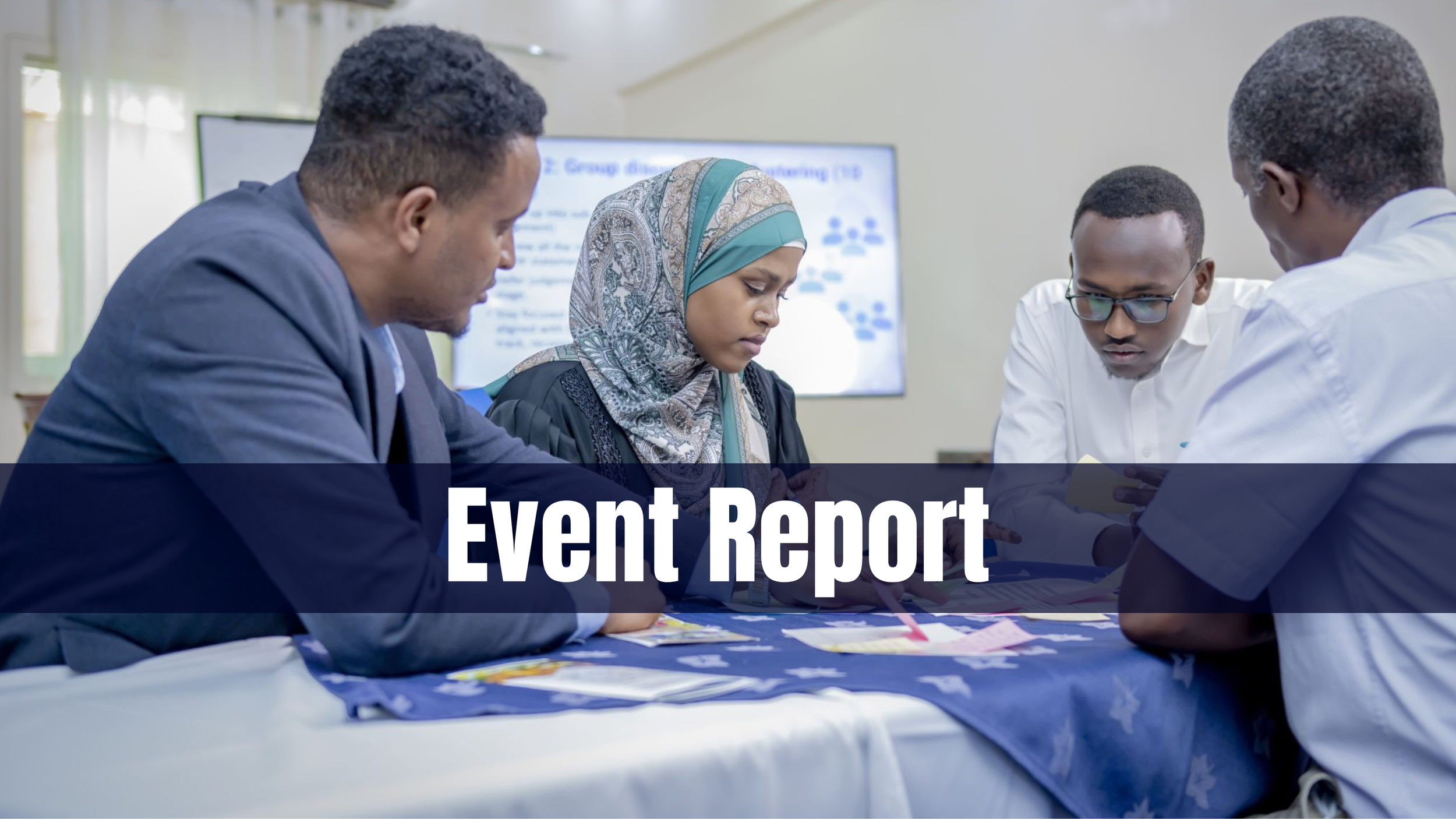
SomRIL | Insights from the FIRM Learning Event
The closeout and learning event was designed as a learning, dialogue, and exhibition platform to synthesize evidence from the FIRM pilots and the broader financing ecosystem review, while shaping practical scale-up pathways for innovative financing in Somalia The event aimed to strengthen multi-stakeholder alignment around innovative financing, highlight Somali-led solutions, inform future programming, and generate actionable learning products and policy recommendations.
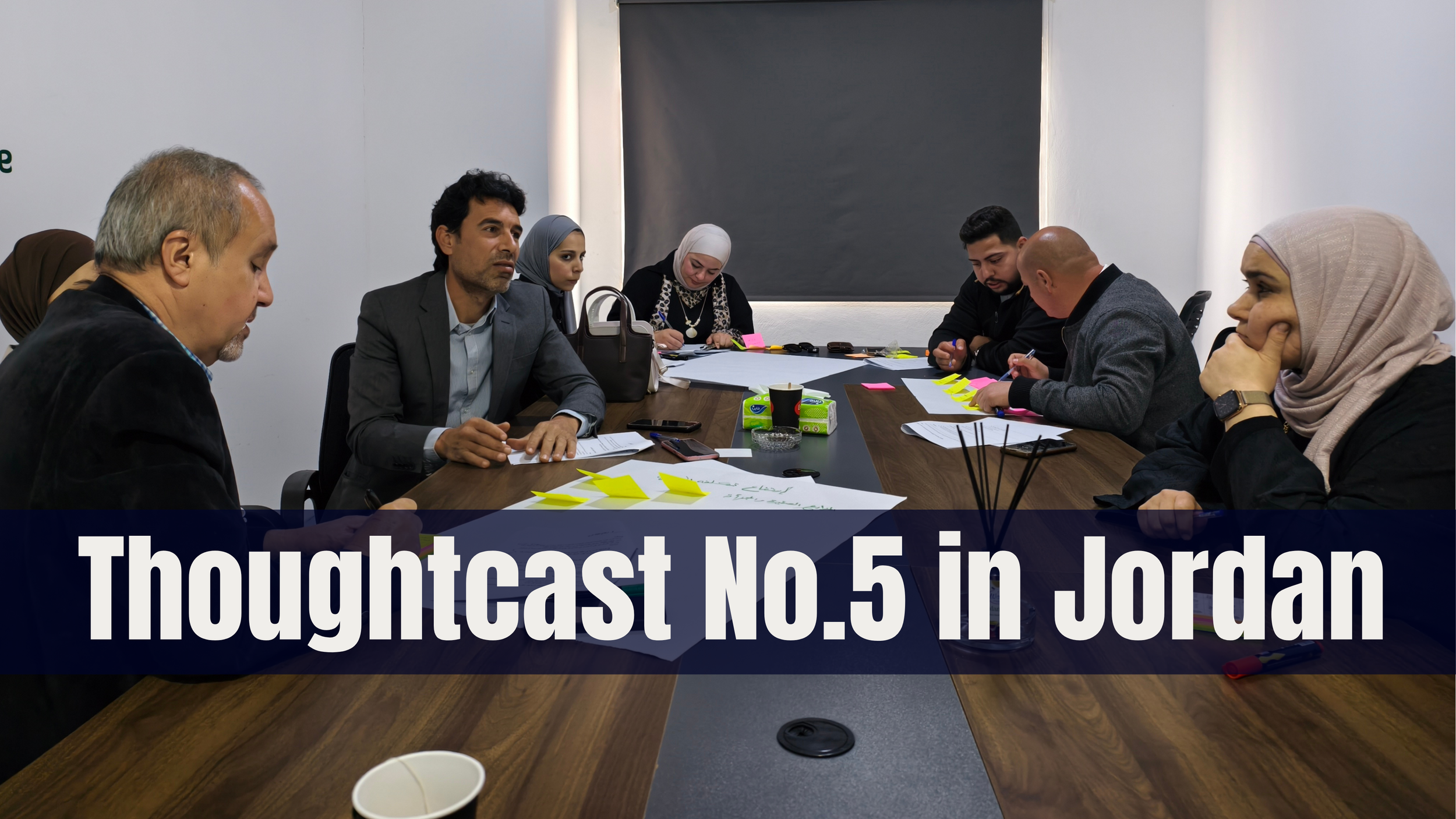
Unpacking Agricultural Challenges: From Field Realities to Shared Understanding
On Tuesday, 5 May 2026, the Response Innovation Lab (RIL) hosted a special edition of its Thoughtcast series in Amman, focusing on analysing challenges within the agricultural sector as an entry point for developing practical, context-driven solutions. The session brought together stakeholders from across the agricultural ecosystem for a more targeted and focused discussion.
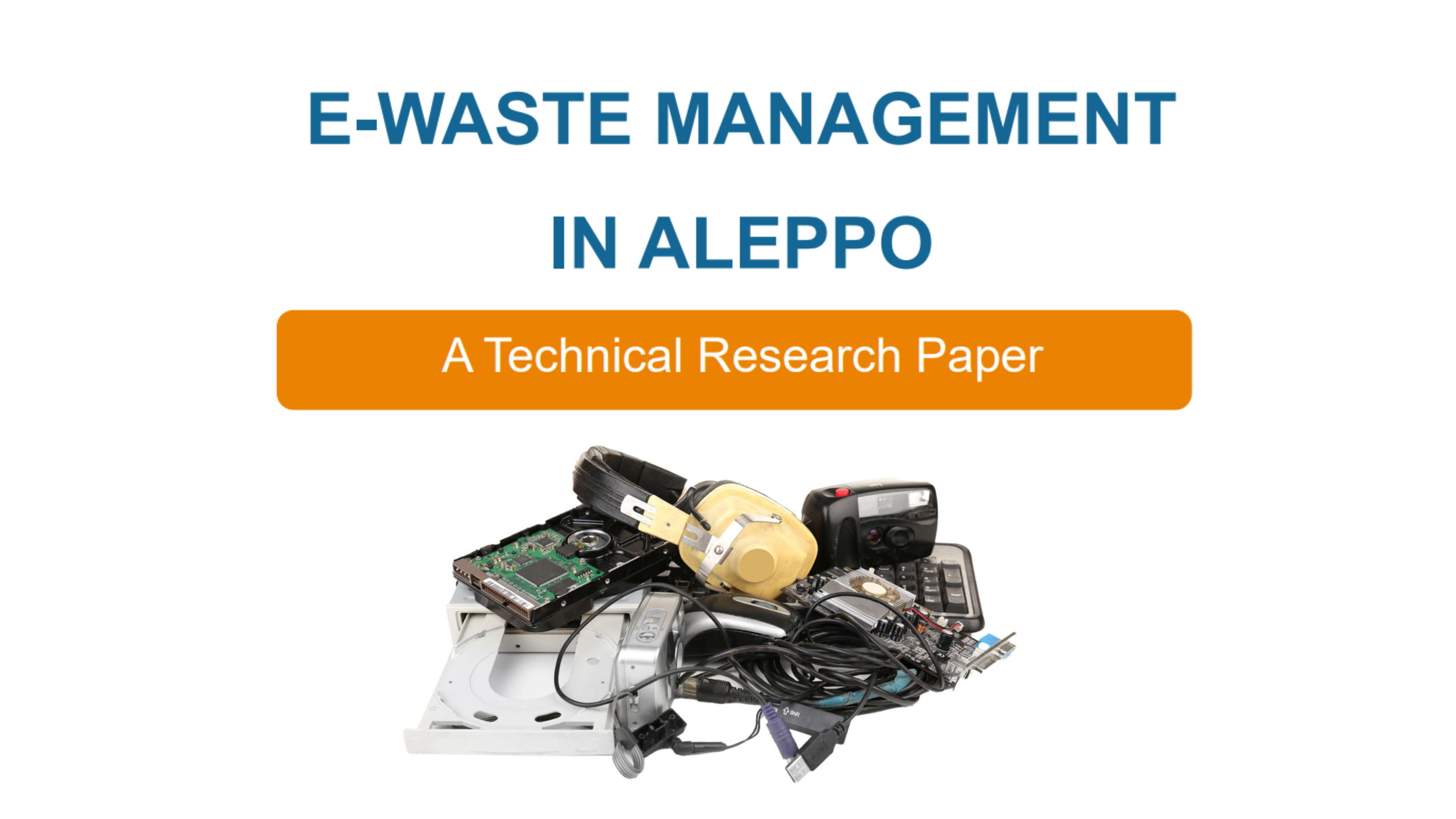
Technical Research Paper | E-Waste Management in Aleppo
This report sheds light on the issue of electronic waste in the city of Aleppo, Syria, with a focus on the current situation and its environmental and social impacts. It attempts to estimate e-waste quantities and examine existing collection and treatment practices. It should be noted that detailed, city-level data—particularly for Aleppo—are scarce or unavailable, although indicative estimates exist, such as an average of approximately 4.6 kg of electronic devices available per capita in the market.
RIL Newsletter is launching soon!
RIL Newsletter brings you more than updates. Sign up today to find out!
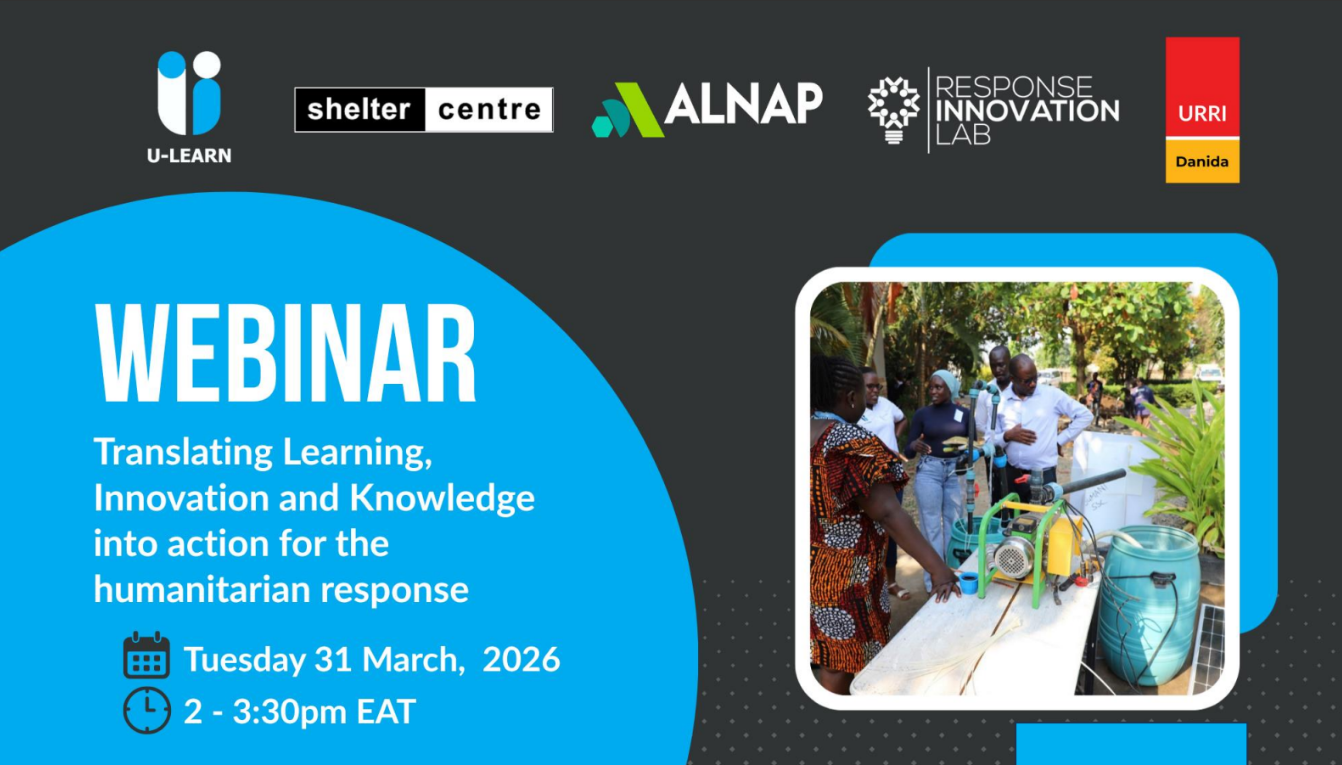
Resources Sharing | From the Webinar on Learning, Innovation & Evidence Uptake
U-Learn, together with Rwanga Foundation, ALNAP, the Humanitarian Library and Shelter Center, co-hosted a webinar on learning, innovation, and evidence uptake in humanitarian contexts. The webinar aimed to share practical approaches to strengthening learning and evidence uptake in humanitarian and refugee responses. Check out the webinar recording and relevant resources!
Year in Review 2025: Navigating Disruptions, Doing More with Less
Our annual review for 2025 is finally here. The year witnessed significant disruptions across the humanitarian sector, yet our global network continued to explore—through relentless effort and commitment—how to do more with less.
Synthesised Insights | HNPW 2026: Humanitarian Innovation Past, Present, and Future
At this year’s #HNPW, we hosted a session on March 5 reflecting on a decade of humanitarian innovation, bringing together perspectives from practitioners, innovators, and ecosystem actors across different regions.

#PostRILx25 | A Reflection Piece on Indonesia’s Localisation Journey
#PostRILx25 brings highlights and resources from the discussions, speakers, and partners. Today’s piece is brought to you by Disya Marianty, Pujiono Centre - Co-Coordinator of the Indonesia Localisation Lab, under the Indonesia Development-Humanitarian Alliance (ID-HA) , an interim secretariat of the Indonesian Humanitarian Coordination Platform (IHCP) .

Small Machine, Big Change: Navigating Humanitarian Innovation with Purpose and Partnership
An inspiring story of Navjot and The Washing Machine Project, and his messages to the next-gen innovators and the broader humanitarian innovation ecosystem.

Watch the Impact Stories! | IGNITE Food Systems Challenge Demo Day Recording
Watch the recording of the IGNITE Food Systems Challenge Demo Day to hear from the innovators: an opportunity for you to take away the lessons learned from our community innovators and gain insights on Somalia’s food systems!

RIL at Humanitarian Networking and Partnerships Week, Geneva
Response Innovation Lab hosted a session on “The Missing Link: Connecting Community-Led Innovation Initiatives with National and Global Social Innovation Ecosystems in Humanitarian Settings“ in Geneva, on March 26.

RIL 2024 Year in Review
The highlights of Response Innovation Lab’s 2024, across the globe.

Deep Dive into RIL’s Workshop | Report from NW Syria Challenge Mapping Workshops
Recognising the challenge brought by food insecurity, the Syria Response Innovation Lab (RIL), in collaboration with Field Ready Middle East, World Vision Syria Response (WVSR), and the Food Security Cluster (FS Cluster), organized two back-to-back workshops—one in Gaziantep, Türkiye, and another in Northwest Syria at the RIL. These workshops provided a platform for frontline responders to voice challenges, exchange insights, and collaboratively design solutions, fostering local ownership.