
Social Plastics for Economic Development in Somalia
The project aims to leverage the innovative approaches of Response Innovation Lab to co-create a sustainable business model in the domain of plastic waste recycling. The focus is to create alternative livelihood opportunities for the most vulnerable groups in Hargeisa, the largest city in Northern Somalia. This project is in partnership with Engineers Without Borders Norway and World Vision Somalia, funded by Innovation Norway.
About the Project
-
The Challenge
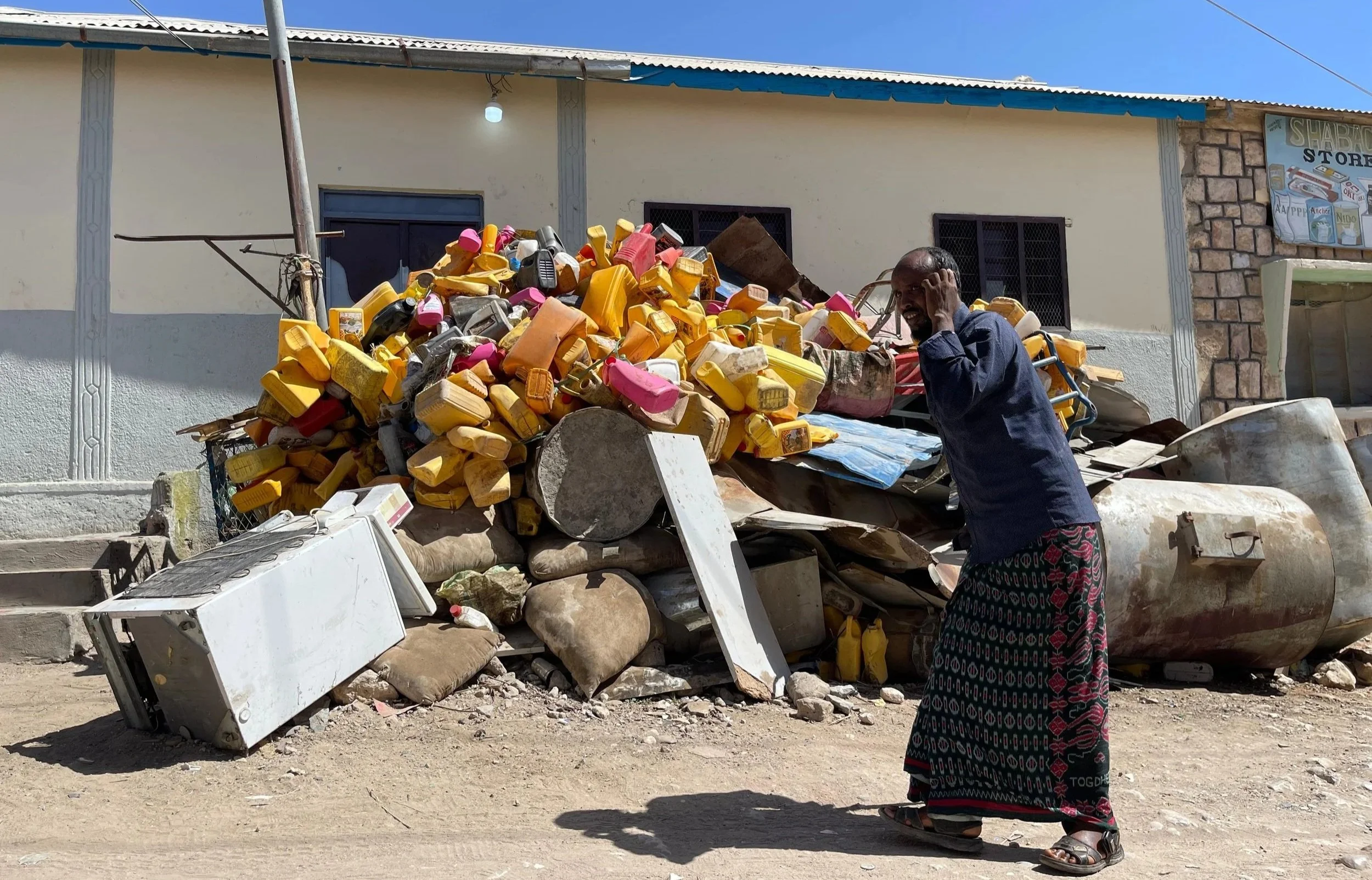
Somalia is a country plagued by prolonged civil conflict and political instability. It is also one of the most vulnerable countries to the impacts of plastic pollution. It has a long coastline and a growing population further exacerbating the volume of plastic waste generated each year. There's a lack of centralized waste management, and much of the waste generated in the country ends up in the environment, where it causes severe impact on wildlife, pollutes waterways, and contributes to climate change. The result is environmental degradation, compromised livelihoods, and heightened vulnerability.
-
The Solution
The project aims to engage youths, local communities, and private sector stakeholders in behavior change and plastic waste management, thus addressing both humanitarian and environmental challenges. By leveraging the Response Innovation Lab approach to humanitarian innovation, the partners will convene, matchmake and engage users and private sector stakeholders to co-create a sustainable business model for green jobs in Somali communities.
-
Expected Outcomes
The expected outcome of this project is to co-create locally-led innovative solutions around plastic waste, and provide alternative livelihood opportunities to the vulnerable communities. The project aims to offer alternative choices to high-level plastic consumptions and increase awareness towards the negative impact of plastics through a social behavioral change communication approach, that will be embedded in the entire innovation journey.
Special: Mini-Campaign on Social Plastics
-
Convene
We bring together both the traditional and non-traditional actors (start-ups, private sectors, academia) to unpack the key challenges in the space of plastic waste recycling and define the challenge statements for the solution scouting process. Areas that will be explored may include the local production of WASH products, construction, and insulation materials using recycled plastics.
-
Innovation Challenge
We partner with the ecosystem actors to scout the innovative solutions to the challenges defined from the convenor by facilitating the Innovation Challenge. The phase of the project will entail piloting the innovative solutions proposed by the innovators (potentially from both the private and traditional space) that are selected from the Innovation Challenge.
-
Generating Evidence
We support the Innovation Challenge awardees while piloting the solutions by documenting the innovation processes using the Response Innovation Lab Evidencing Toolkit.
Open Resources
-
Qualitative Study Report | Behavioral Insights for Plastic Recycling Behaviours in Hargeisa
This study explored the behavioural and system drivers of plastic waste management in Hargeisa across businesses, households (youth and women), and waste pickers, using qualitative interviews, FGDs, and journey mapping informed by COM-B and social-ecological frameworks.
-
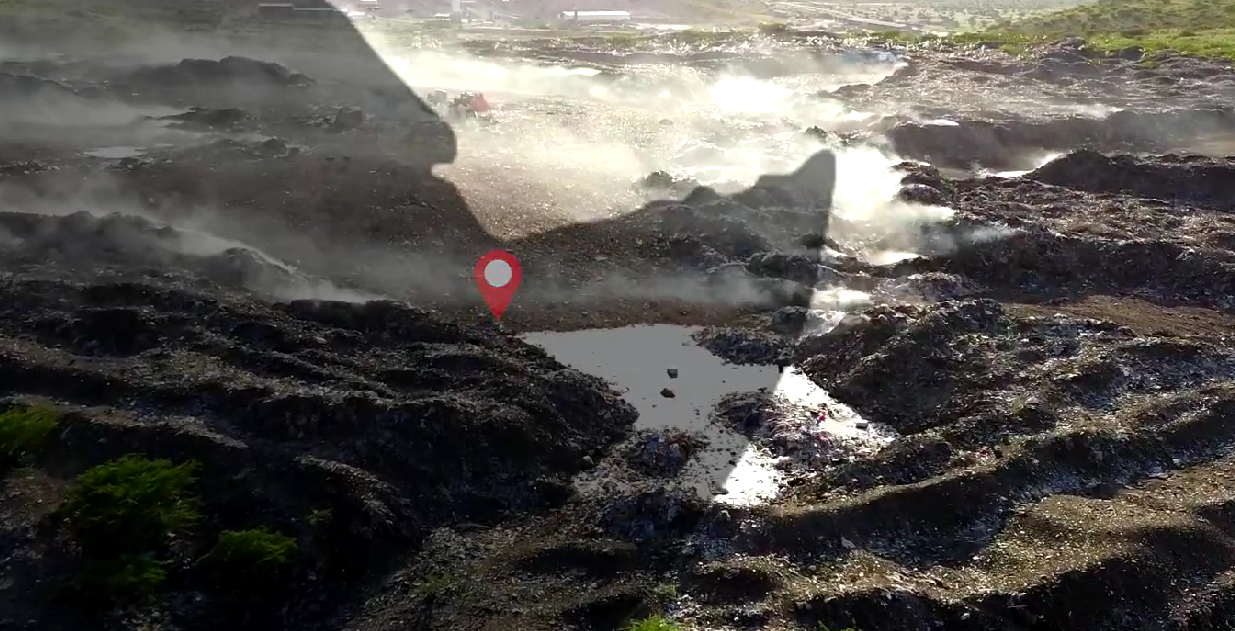
Project Documentary | "Turning Waste into Value"
This short video is developed to showcase the people, stories, and impact behind the project.
-
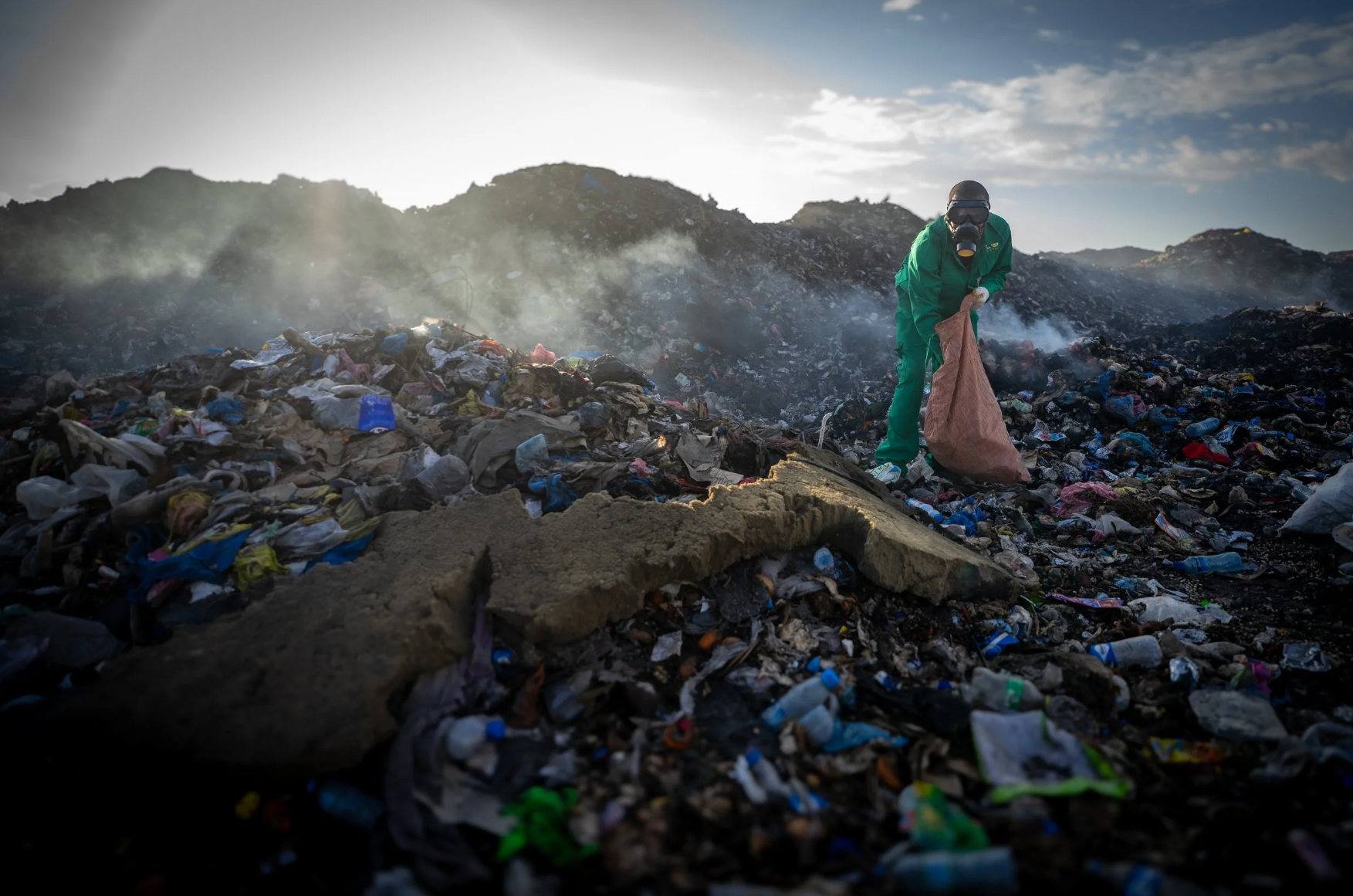
Field Notes | "Organizing the Mess: System Innovation in Fragile and Resource-Constrained Contexts"
This thought piece by SomRIL's Manager, Liban Mohamed, reflects on the Social Plastics project in Hargeisa, arguing that effective system innovation isn't about replacing messy, informal ecosystems but working with them. Informality, it turns out, is already a form of infrastructure.
-
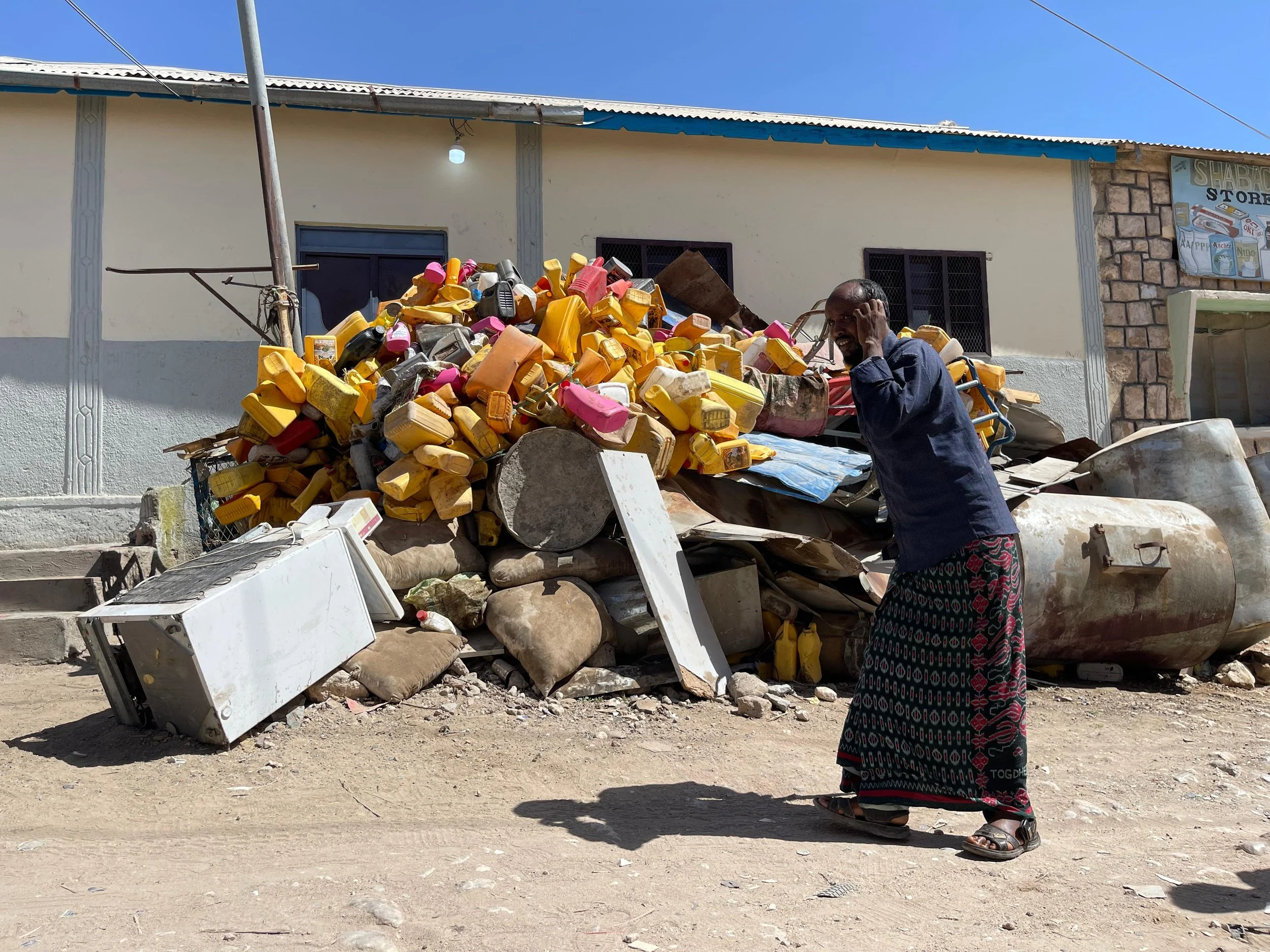
Report | The Plastic Waste Value Chain in Hargeisa
A value chain mapping report documenting the plastic waste ecosystem in Hargeisa, Somaliland — tracing the journey from plastic production and consumption through informal collection, sorting, and recycling. Based on key informant interviews across the ecosystem, it identifies the main actors, systemic gaps (low local demand, weak coordination, limited technical capacity), and opportunities for intervention.
No.6 of the #RILPlasticsStories campaign.