

A decade of strengthening local humanitarian innovation ecosystems.
A decade of strengthening local humanitarian innovation ecosystems.
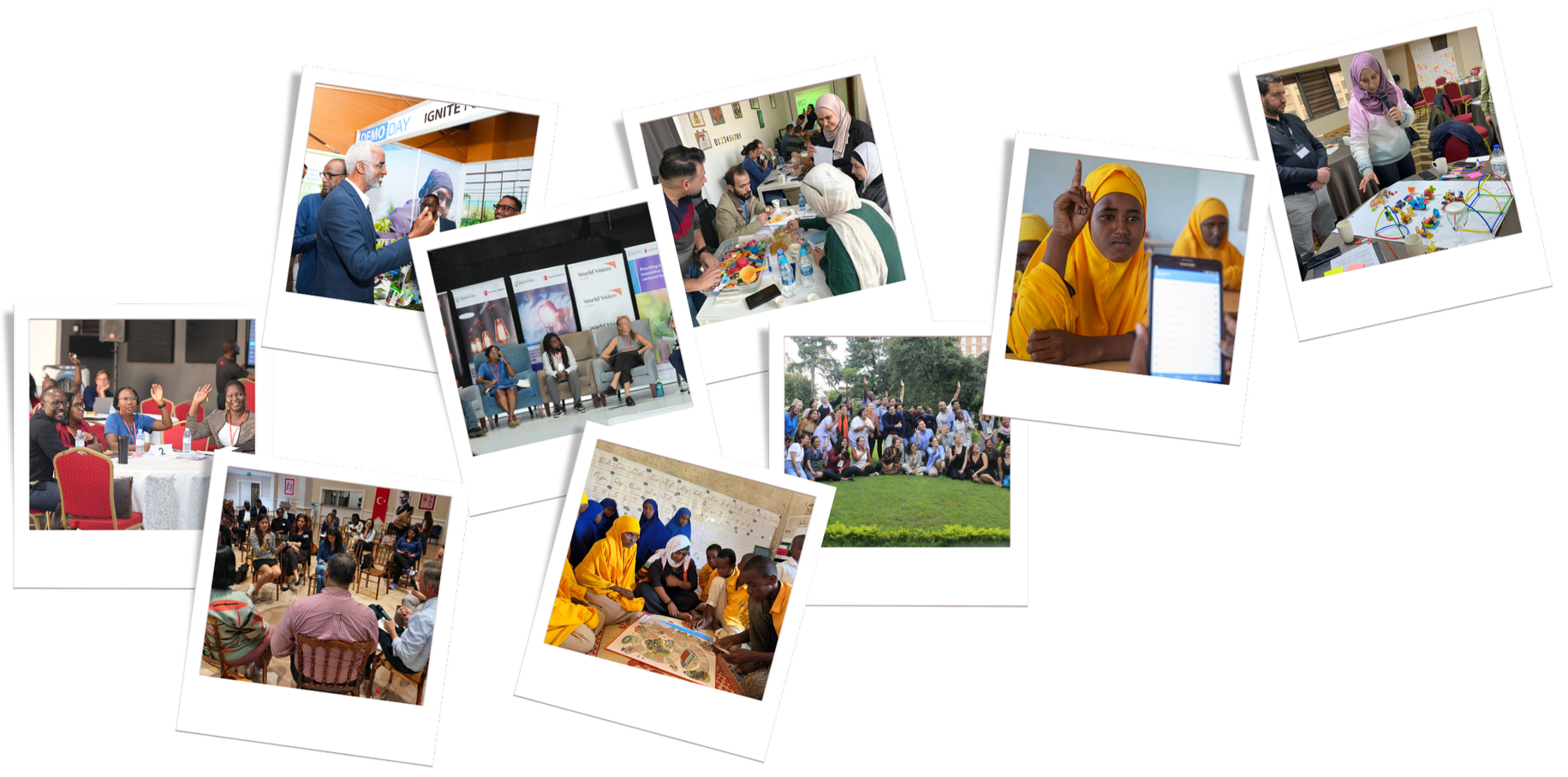

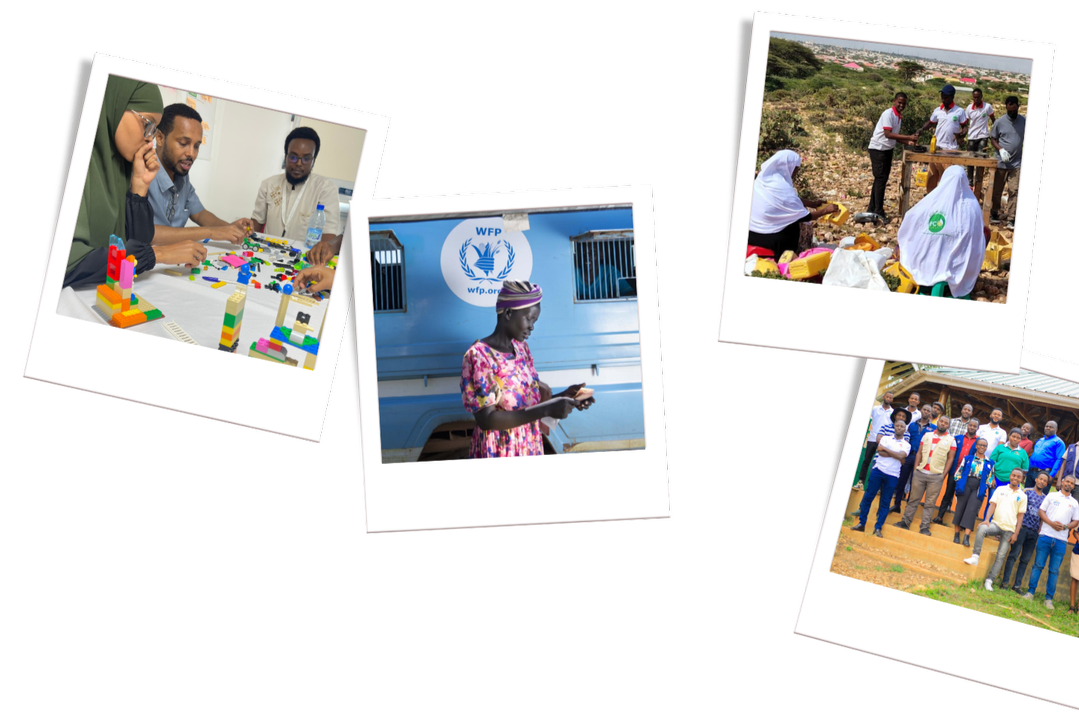
A decade of strengthening local humanitarian innovation ecosystems.
Check out what’s happening & what we are learning across our network.

The challenge
we are tackling
During humanitarian response, it’s often hard to identify, test, and scale innovations that can drive impact.
The solution
we’ve been building
RIL strengthens local innovation ecosystems by brokering relationships, sharing capacity and evidence, and enabling collaboration so solutions can move faster from idea to impact for crisis-affected communities.
Build systemic change through ecosystem approach
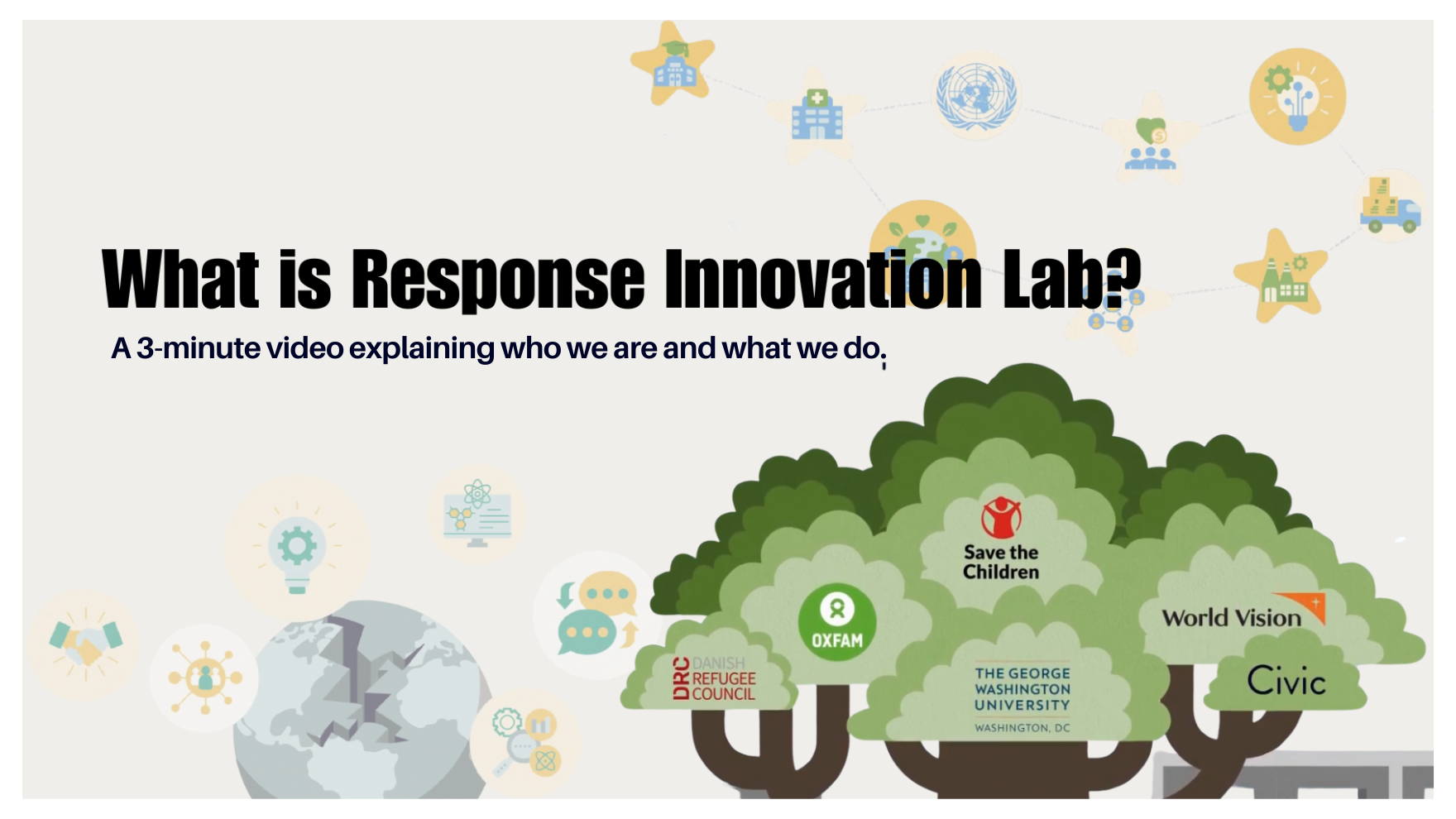
We are a collaborative initiative co-led by Civic, Danish Refugee Council, Oxfam, Save the Children International and World Vision, dedicated to strengthening local humanitarian innovation ecosystems.
We are an “ecosystem builder and facilitator”, committed to transforming how communities recover from humanitarian crises through more diverse, collaborative and innovative humanitarian responses. We do not implement innovations ourselves. Instead, we provide public-good support to innovations.
Watch the video to understand how we started and what we do.
Globally present, locally driven
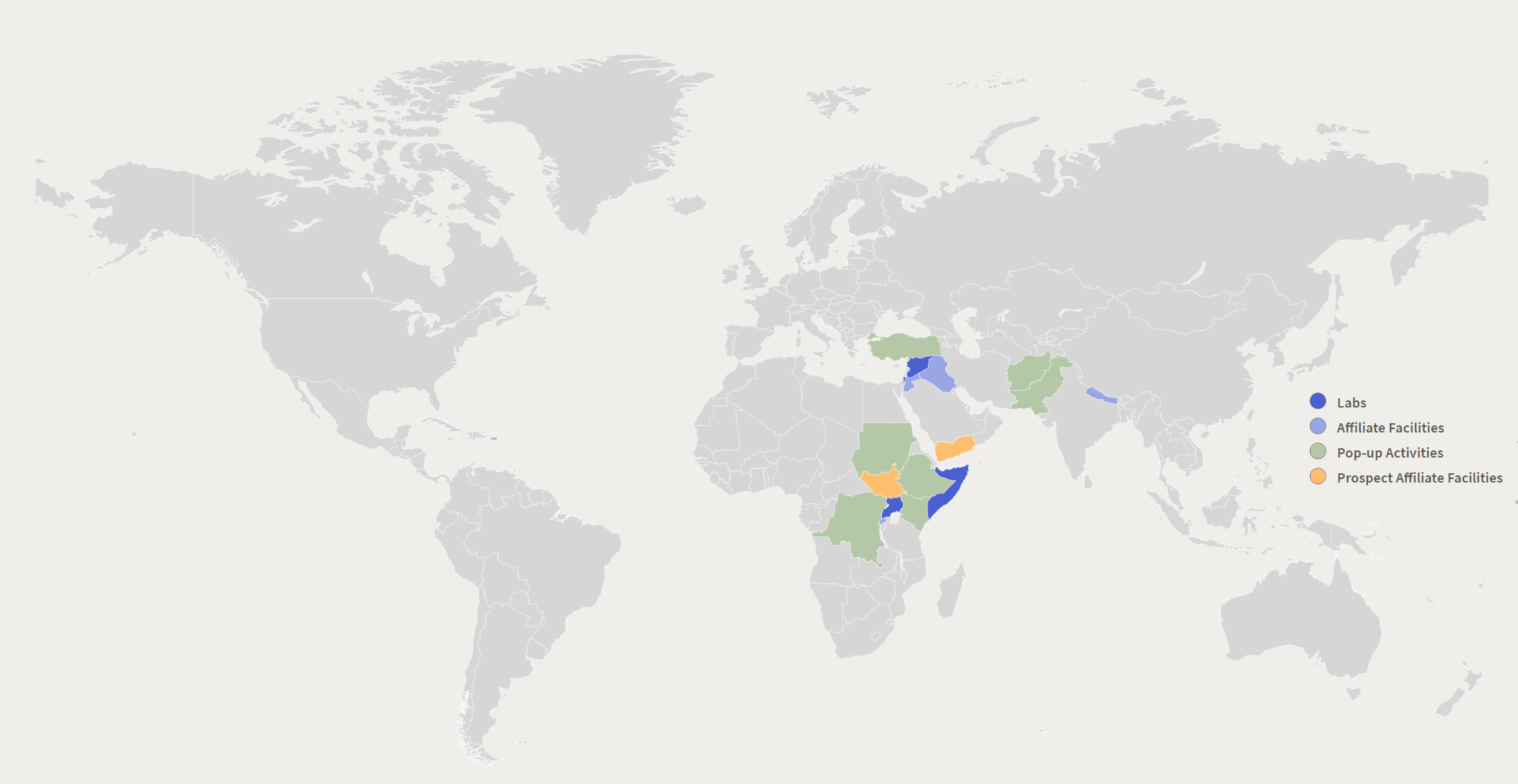
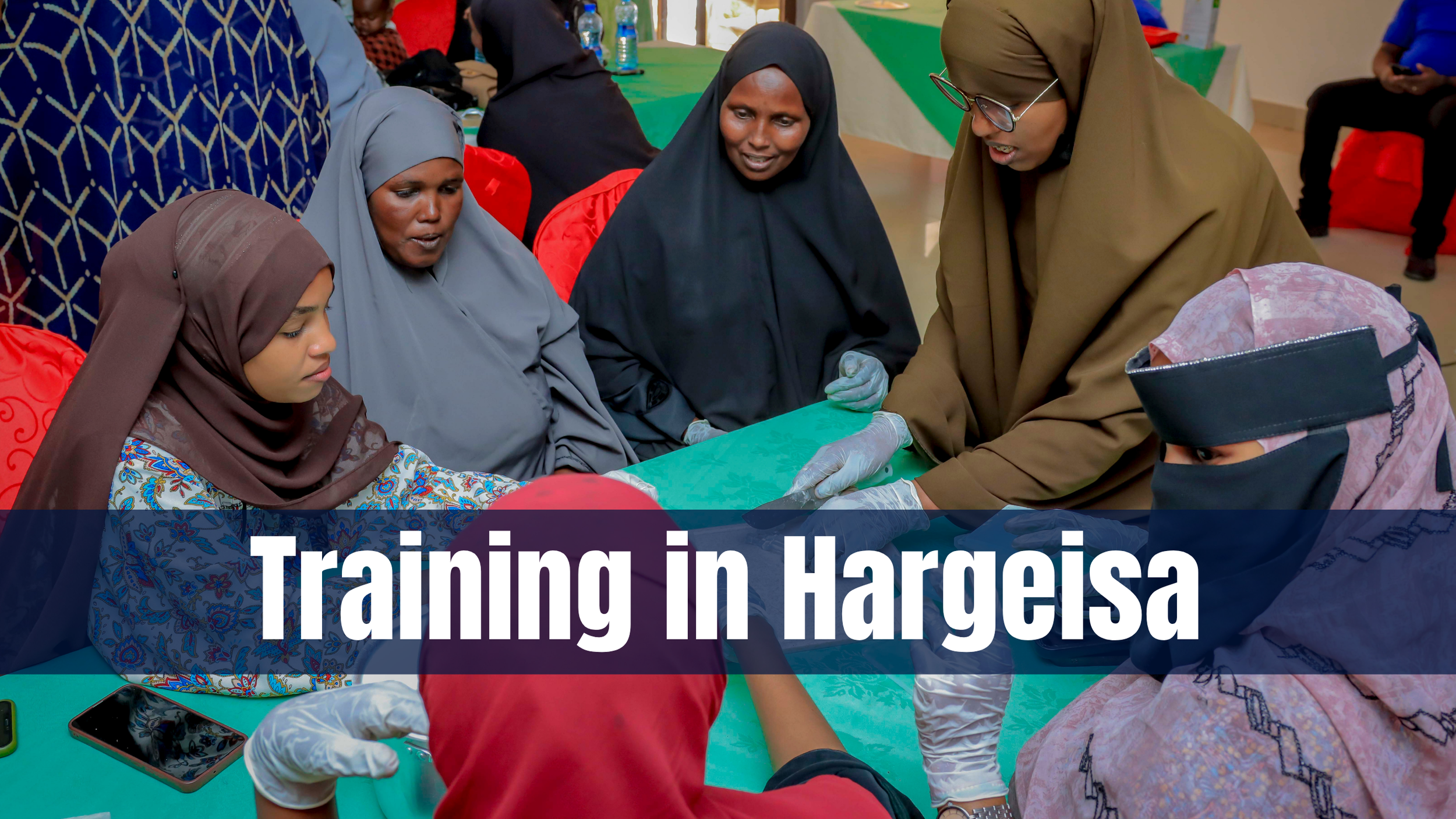
Country Labs are launched and hosted by our Core Partners to implement the full RIL model in humanitarian response settings, currently in Uganda, Somalia, Syria, and Gaza.
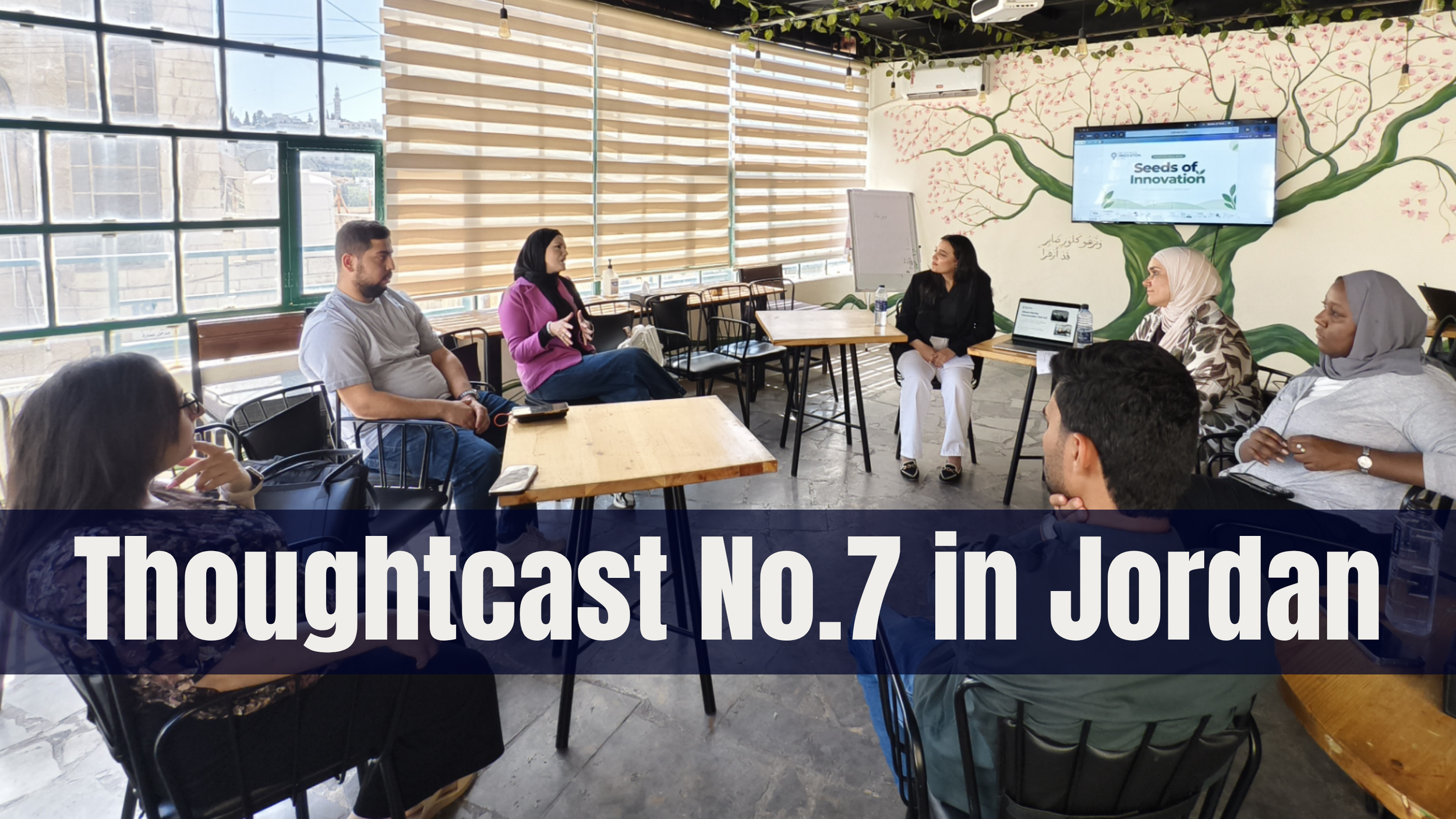
Affiliate Facilities are hosted by local NGOs in Nepal, Iraq, Rwanda, and Jordan. They share RIL’s vision of inclusive, collaborative innovation ecosystems, integrating their own approaches with RIL’s methodologies.
We support interventions through “pop-up” activities in contexts where a Lab or Affiliate Facility is not yet present, such as in DR Congo, Sudan, Kenya, Ethiopia, Türkiye, Afghanistan, Pakistan, etc.
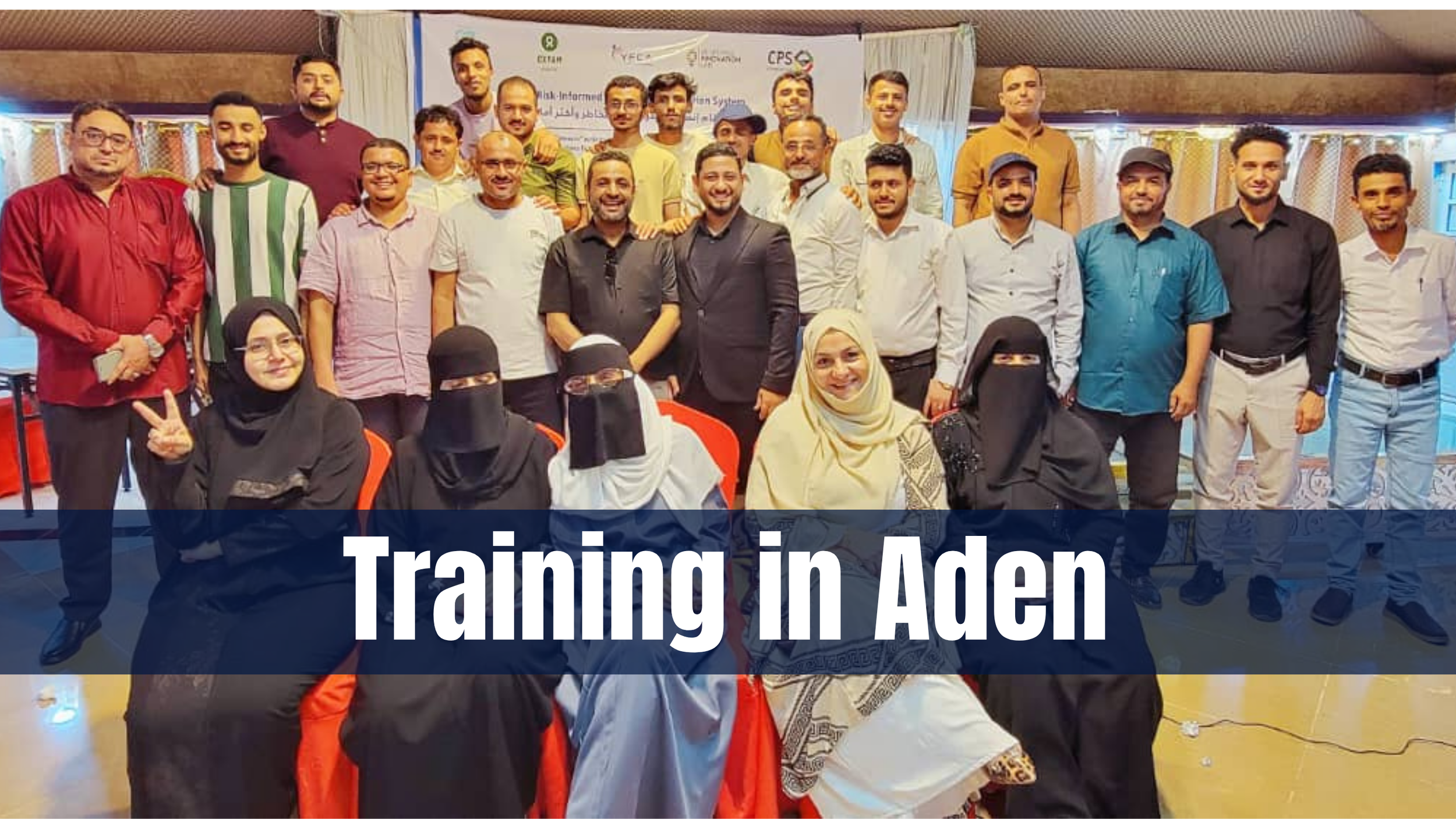
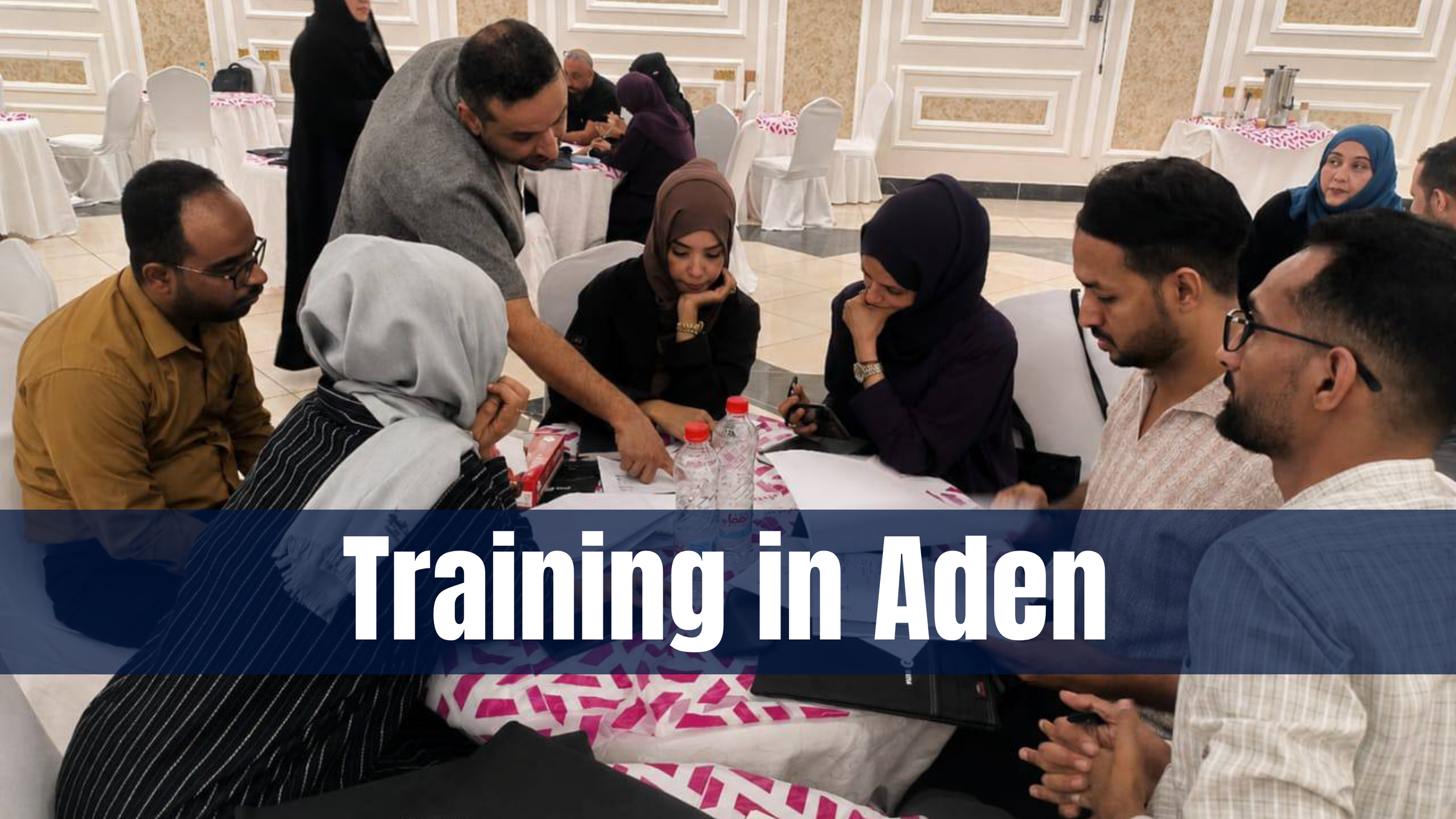
We have prospective Labs in Yemen and South Sudan—stay tuned!
The four pillars of what we do
-

Convene & Map
We map local humanitarian innovation ecosystems, helping organisations identify resources, support, and partners. We convene stakeholders to explore new landscapes, identify challenges, and dive deep into specific topics through workshops.
-

MatchMaker & Broker
As an “intermediary” that speaks both the innovator’s language and the humanitarian lexicon, we connect challenge-holders—usually humanitarian implementing agencies—with solution providers, namely innovators who work in fragile contexts.
-

Support & Co-create
We support humanitarian innovators at every stage of their innovation journey with resources such as funding, training, and marketplace exposure. We partner with implementers, entrepreneur support organisations, and local governments to amplify impact efficiently.
-

Learn & Share
We value evidence and learning to improve our work and contribute to the humanitarian and innovation sectors. We generate and share data, knowledge, tools, and other open resources. All learning products are designed to inform better programming and policymaking.
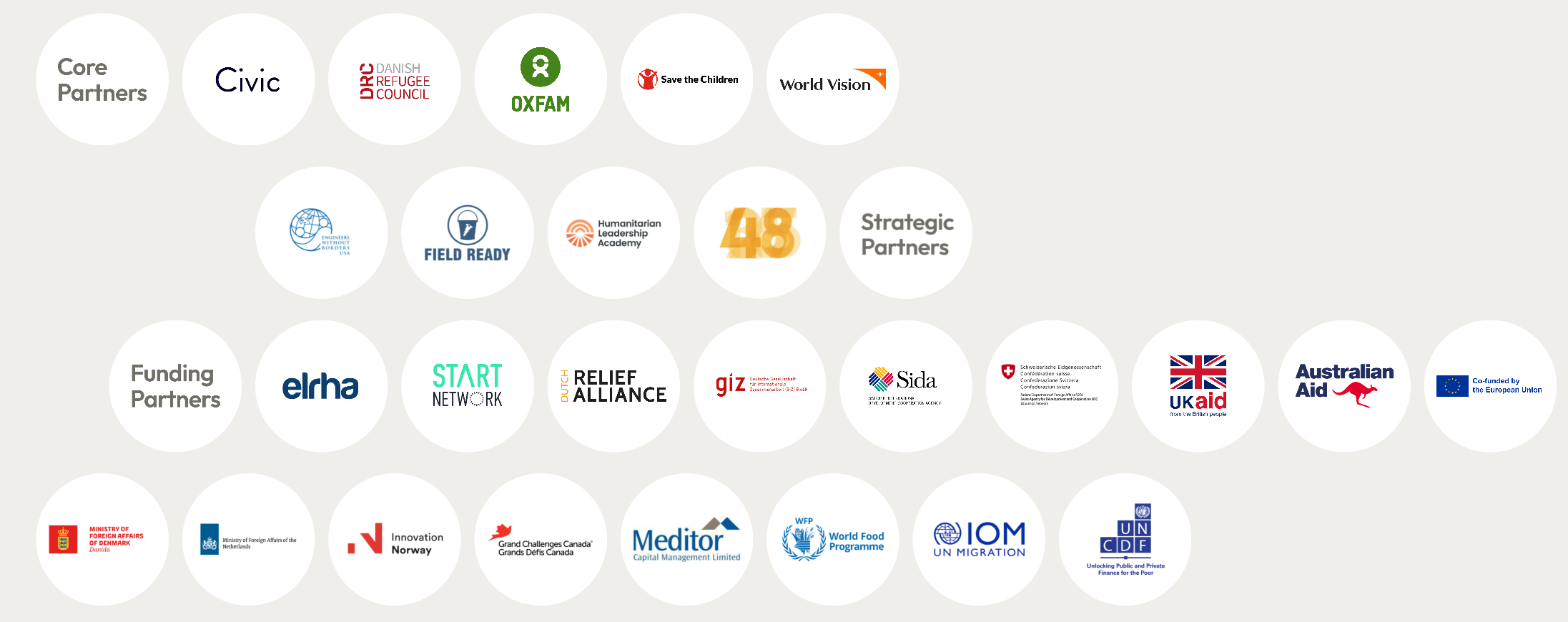
We are built with partners.












On September 30th, the Syrian Engineers Syndicate officially launched the "Syrian Engineers Journal" in Damascus, with support from the Syria Response Innovation Lab (SyRIL) and World Vision Syria Response (WVSR).
The journal is designed to surface and amplify innovative engineering research and solutions — giving Syrian engineers a credible platform to publish original studies, theses, and technical work that can directly inform and accelerate the country's reconstruction.