
Futures & Foresight Consultation Workshop
Futures & Foresight Consultation Workshop is one of RIL’s customisable service offering designed and delivered primarily to explore the evolution of a chosen challenge or driver of change and its impact on the future given the possible scenarios, within the defined timeframe and time horizon, and geographical and/or demographic scope. Depending on the needs and the topic, we provide workshops of various durations, ranging from 4-hour quick and intense exercise to a fully-fledged two-day workshop.
By combining Elrha’s tried-and-tested tools and methodology with RIL’s locally grounded, ecosystem-level facilitation, RIL ensures that the consultation process itself serves as a strategic asset for participants and the local ecosystem alike through building relationships and trust, fostering collaboration, and generating public-good insights that deliver promising impact.
-
The Challenge
In recent years, the humanitarian sector has experienced unprecedented disruptions — rapid-onset emergencies and protracted conflicts compounded by a shrinking funding landscape and deepening climate shocks. These intersecting pressures have made clear that traditional, reactive approaches are no longer sufficient, and humanitarian actors at all levels are increasingly expected to anticipate change, adapt proactively, and innovate within constrained systems. Despite this growing imperative, the sector remains fragmented, with diverse actors operating within their own mandates and short-term programme cycles, and curated spaces for cross-learning and collective sensemaking still lacking. Consequently, the humanitarian community often misses critical opportunities to coordinate actions, align strategies, and co-produce the actionable insights needed to navigate uncertainties together — driving an increasing demand for structured guidance and trusted facilitation with a deliberate focus on translating foresight into future-proof, strategic action.
What if… humanitarian organizations could explore solutions to known challenges in a way that takes into account current trends and future possibilities so that they can make smarter decisions about allocating increasingly scarce resources?
-
Our Solution
Building on a decade of experience in convening, facilitation, and ecosystem strengthening, and drawing on Elrha’s Futures and Foresight Toolkit, Response Innovation Lab (RIL) designs and delivers Futures and Foresight Consultation Workshops. Through a participatory, future-oriented approach, RIL enables diverse groups of actors—including local and international NGOs, government entities, UN agencies, researchers, innovators, and community-based organisations—to help organisations and consortia to:
Articulate shared concerns and aspirations relevant to their operational realities;
Identify critical uncertainties and systemic drivers shaping the future of humanitarian research, innovation, and programming;
Co-produce actionable insights that bridge foresight with strategic decision-making and prioritization;
Prototype and stress-test solutions under consideration from multiple perspectives and over a long time horizon before major investments are made;
Strengthen anticipatory thinking and capacity to design innovative, future-proof solutions that remain relevant in an evolving landscape.
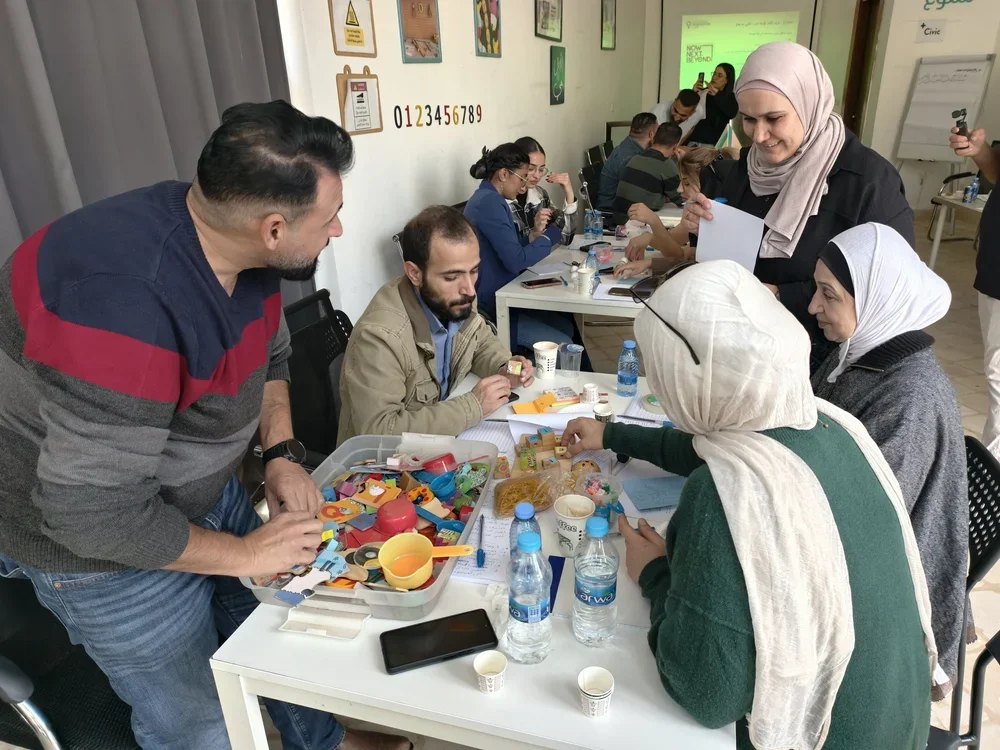
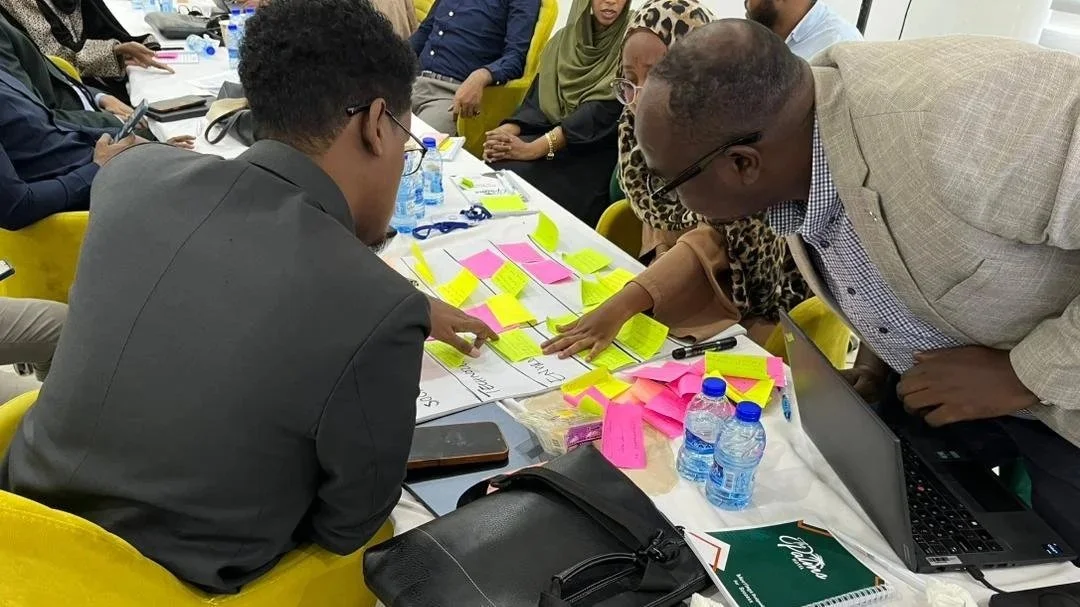
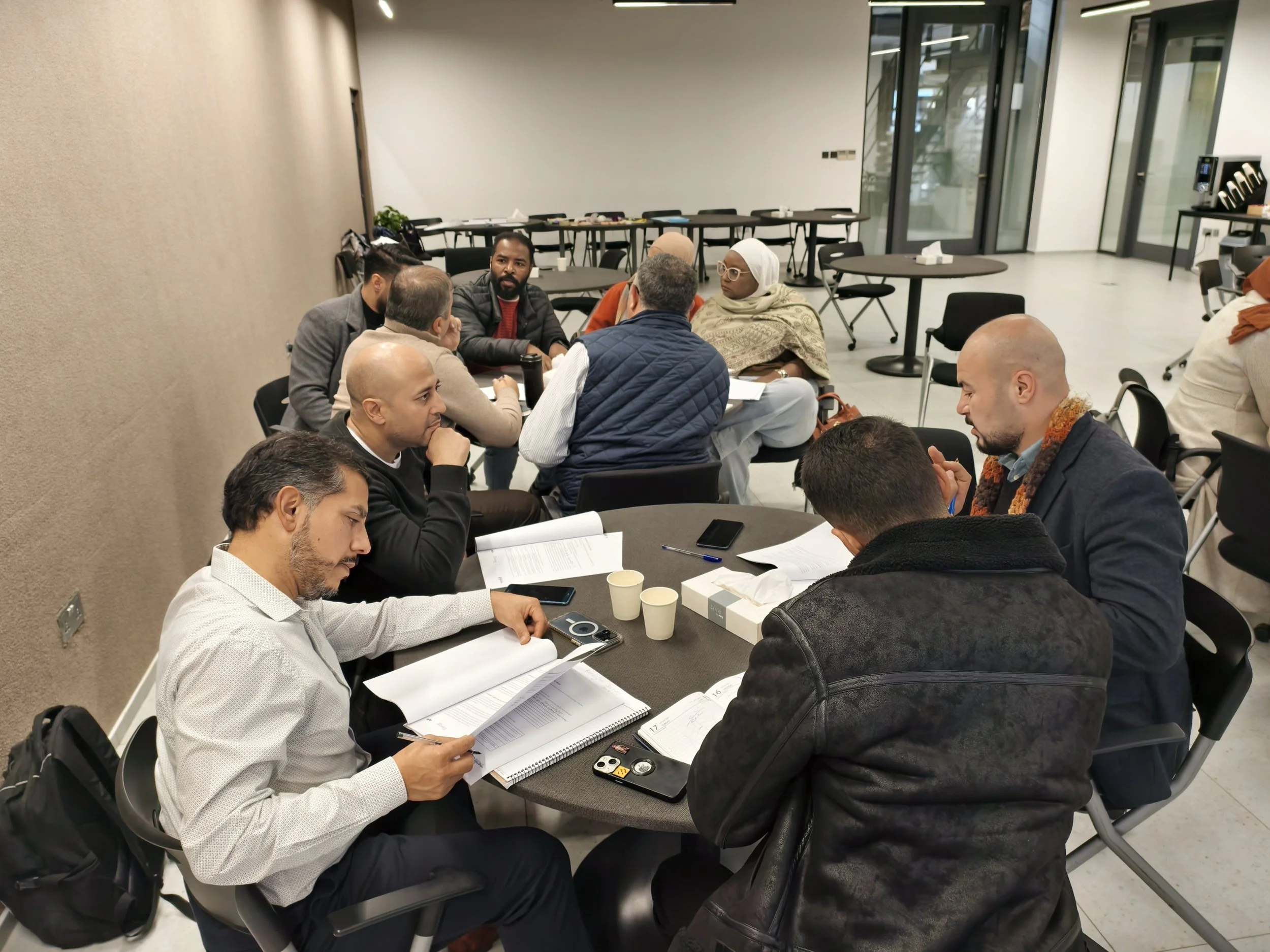
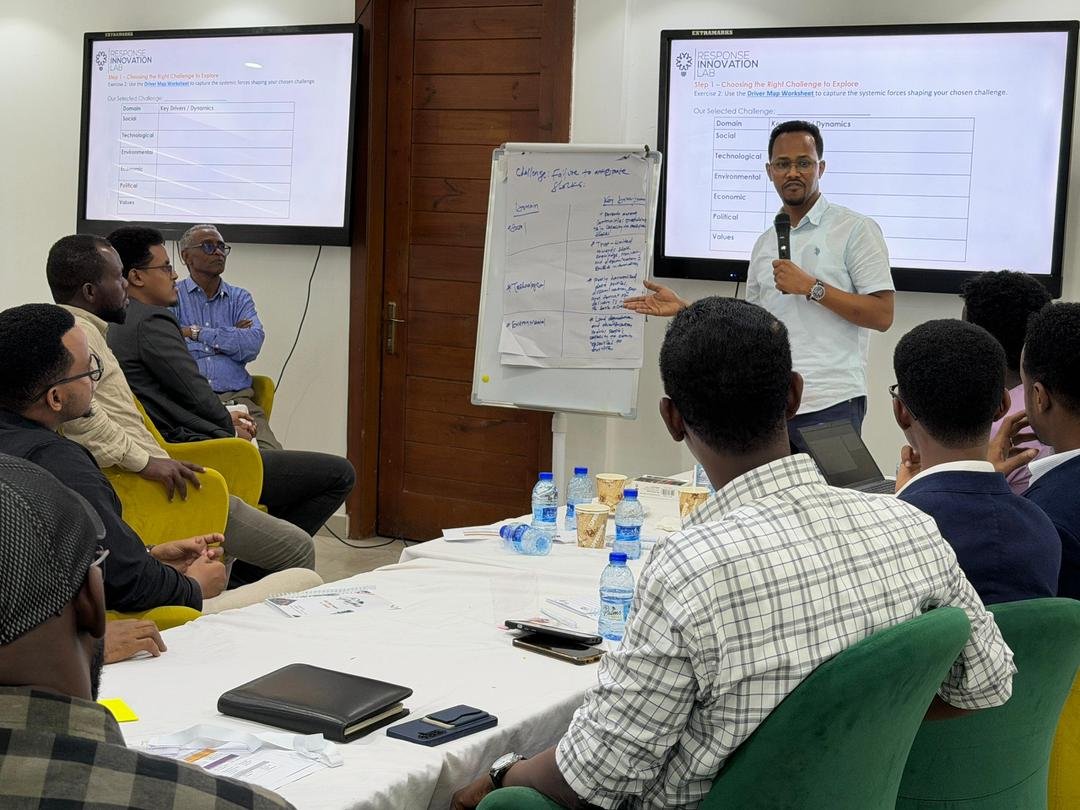
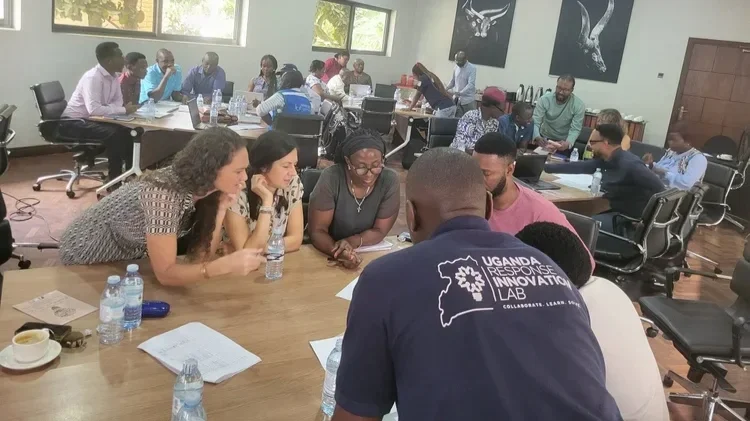
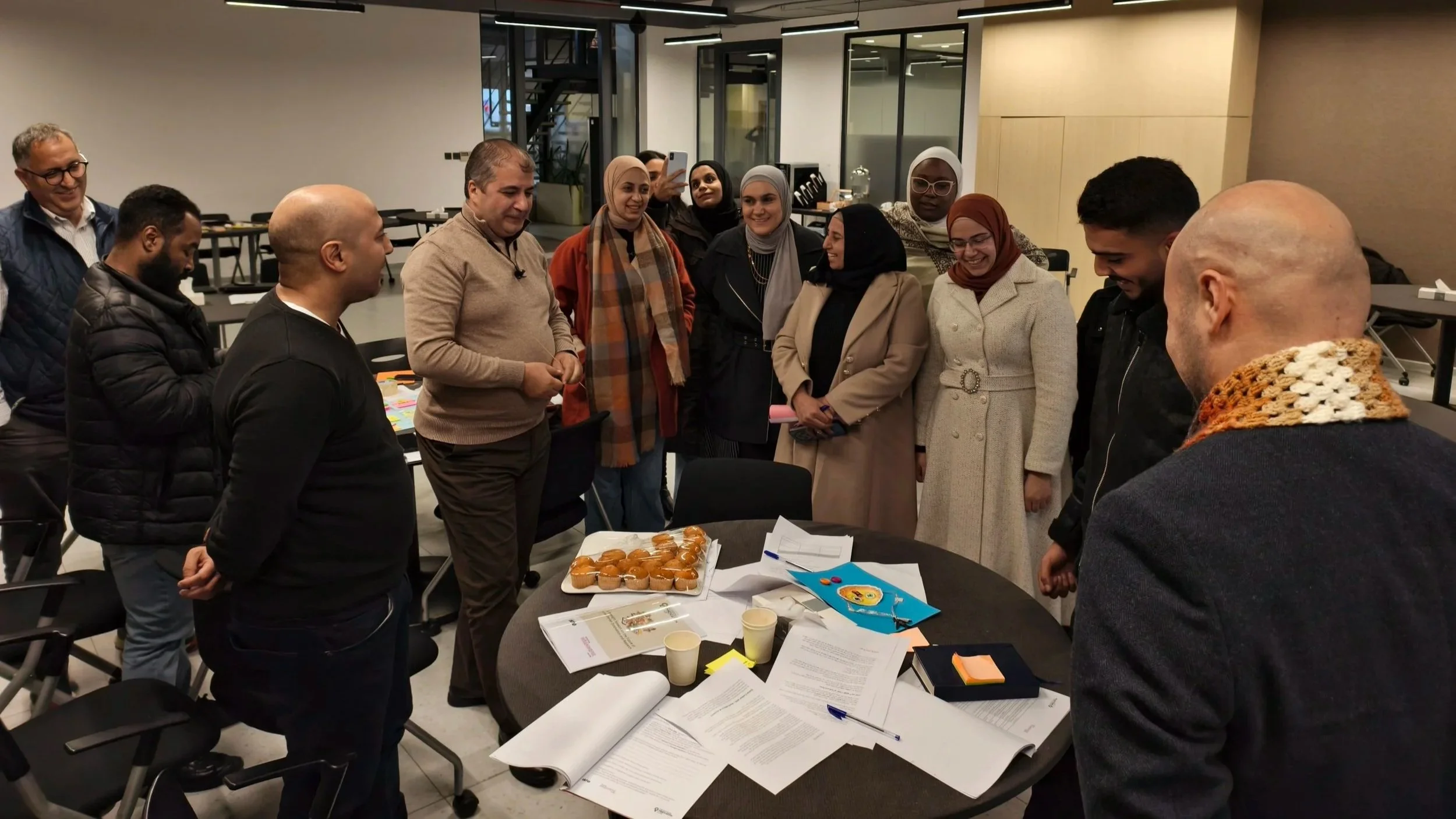
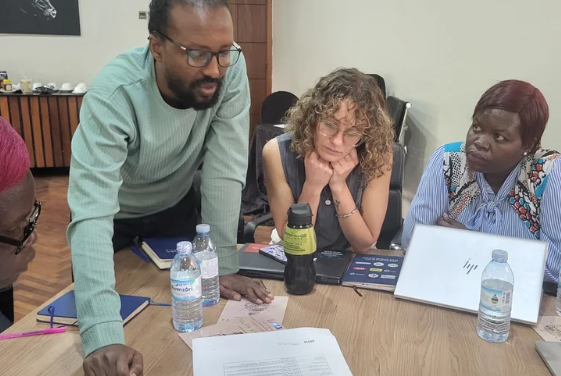
How does the process look like?
-
1. Contextual Adaptation
Workshops can be delivered in multiple languages (French, English, Arabic, Spanish) and tailored to local cultural and operational realities.
-
2. Workshop Scoping
Collaborative design of a strategic foresight question including time horizon, geographic/demographic focus, and expected outcomes.
-
3. Participatory Facilitation
The workshops usually follow a three-step framework: 1) Explore: gather data on the forces that might shape the course of the future, identifying the “critical uncertainties” influencing the focal issue; 2) Imagine: envision possible futures that reflect diversity and complexity, which also helps examine the ethical implications of new solutions or approaches; 3) Action: take foresight-informed decisions and action to navigate through uncertainty and towards desired futures or away from undesirable futures.
-
4. Synthesis & Reporting
A structured, synthesized output document on the prioritized challenges, identified common drivers (of the challenges), generated ideas, and actionable pathways.
-
5. Optional Follow-on Report
This can include strategy discussions, support in integrating foresight into programming, solution piloting, testing, and scaling, and guidance to take discussions from ideation to action.
Past Work
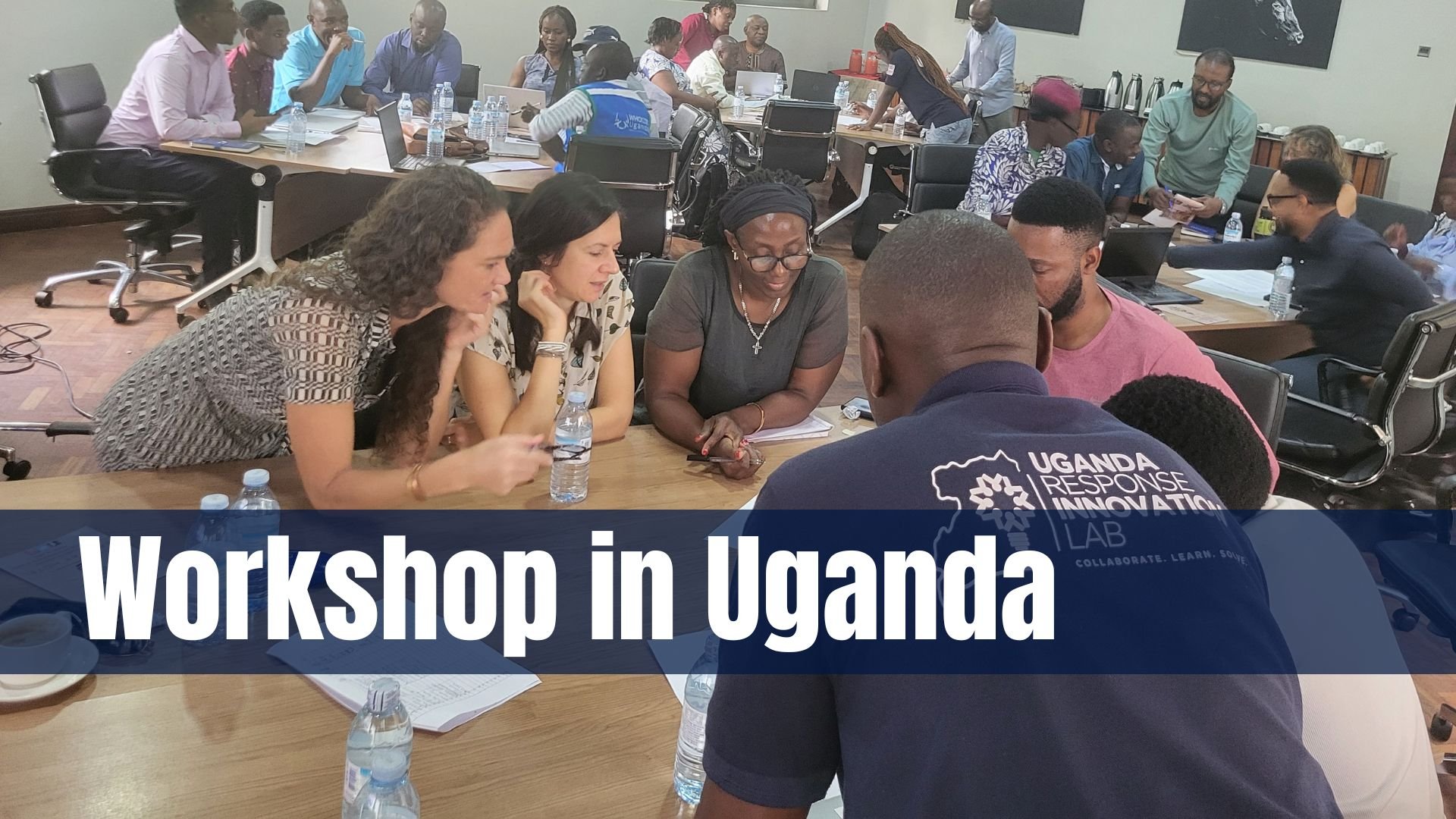
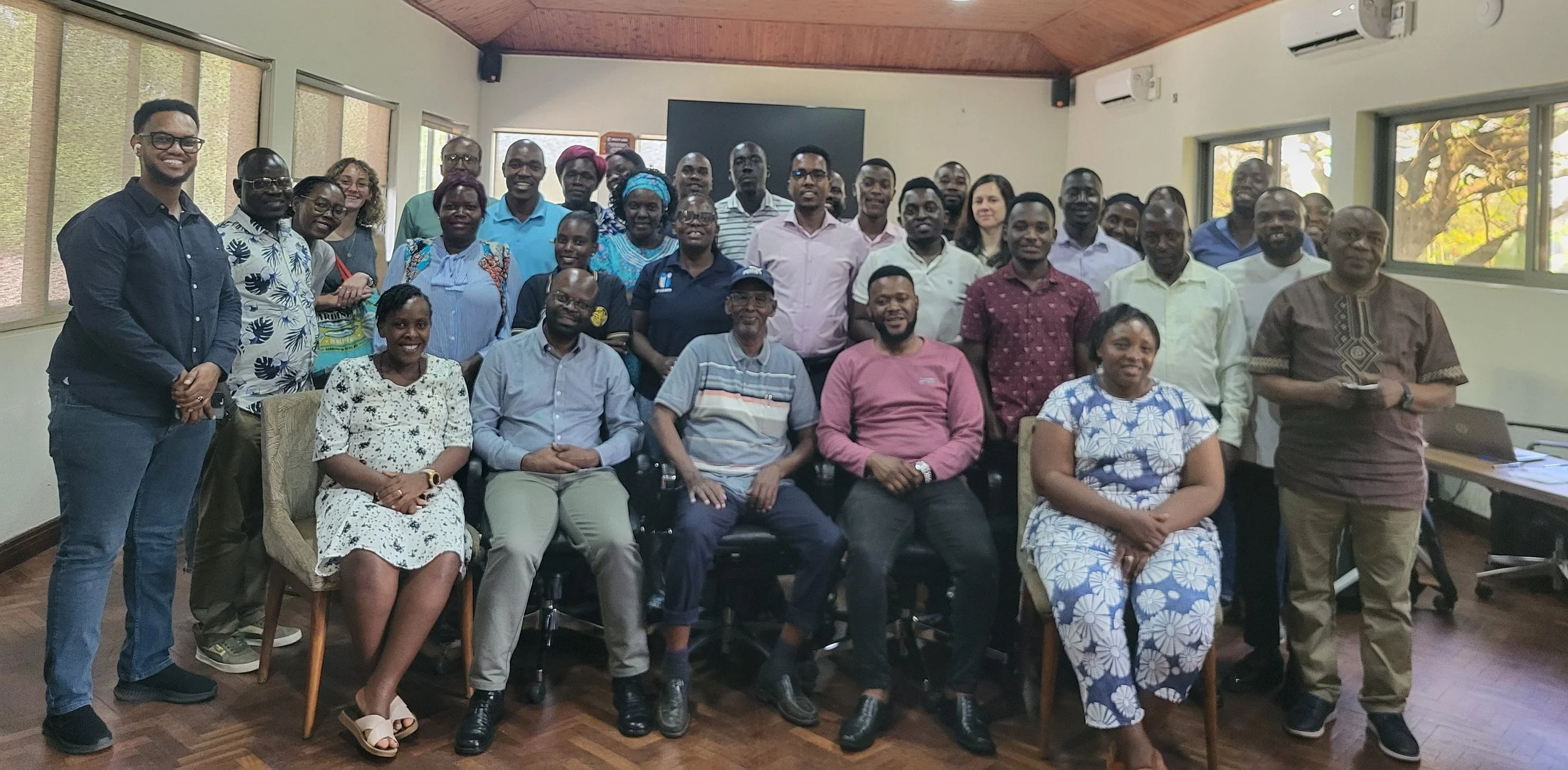
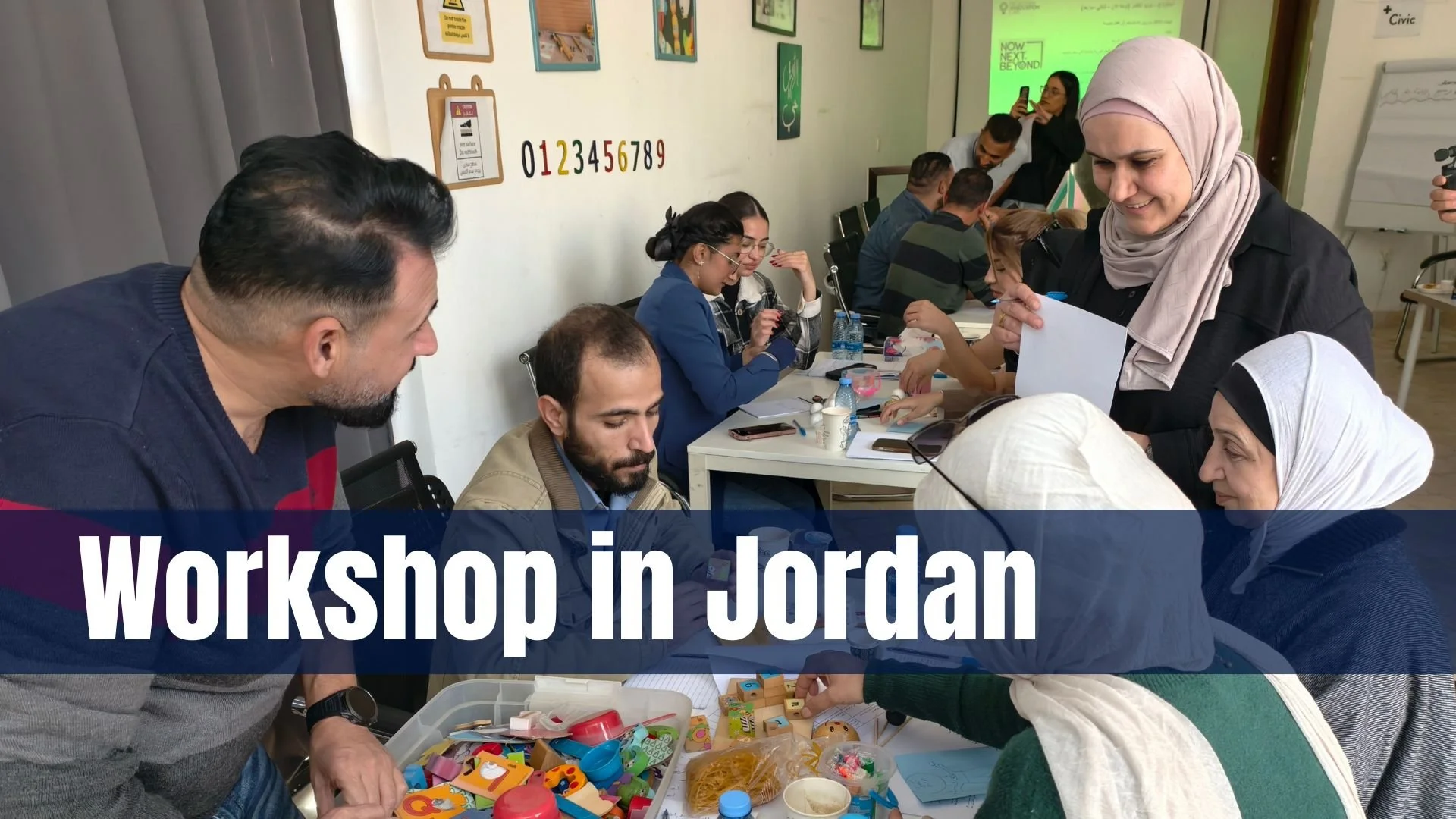
On January 6, the Somali Response Innovation Lab (SomRIL) hosted a national-level Humanitarian Research & Innovation Futures Consultation in Mogadishu , convening a diverse cross-section of Somalia’s humanitarian ecosystem to collectively shape a forward-looking, nationally grounded agenda for humanitarian research and innovation.
Using Elhra’s Humanitarian Research & Innovation Futures Toolkit, the consultation applied strategic foresight methods to examine key drivers of change, surface critical uncertainties, and stress-test existing humanitarian approaches—ensuring future responses remain adaptive, evidence-driven, and locally relevant.