

Project Highlight: Gulu University's Nutritional Renaissance
Nestled within the challenging terrain of the Rhino Camp Refugee Settlement in Uganda, a beacon of hope is meticulously emerging through the collaboration of Gulu University, the Response Innovation Lab (RIL), and Save the Children. This unfolding narrative, generously backed by Innovation Norway under the Local Innovations for Nutrition Solutions (LINS) project, unfolds against the backdrop of two critical issues plaguing refugee-hosting communities—malnutrition and limited access to diverse, nutritious foods.

Innovator Highlight: Prum Ventures
In the heart of Uganda, a transformative story unfolds—Prum Ventures, a beacon of innovation and compassion, is rewriting the narrative of community well-being. This is the inspiring chronicle of Walter Dunga and Prudence Mucunguzi, visionary entrepreneurs on a mission to combat micronutrient deficiencies and reshape the health landscape of the region.

Seed Funding 2023 Roundup Report
Under the support function, the Uganda Response Innovation Lab (U-RIL) supports innovators and implementers to maximise their ability to deliver successful innovations in a specific humanitarian context. One of these support avenues is seed funding to test prototypes or conduct pilots. The seed funding is open to entities registered in Uganda (Uganda-led or refugee-led) and with an existing proof of concept.

Local Innovations for Nutrition Solutions Report
The Local Innovation Nutrition Solutions (LINS) project aimed to create viable business models to enable the sustainable demand of local nutritious foods in refugee-hosting communities in Uganda. The goal of LINS was to address underlying determinants of malnutrition in refugee children living in Kyaka II and Rhino refugee settlements through the analysis and testing of appropriate small-scale solutions and practices, developed through a human-centered design process. The process aimed to ensure high standards of quality and safety in complementary foods for improved nutrition and associated sustainable business and marketing models.


Danish Refugee Council joins Response Innovation Lab as Global Member
The global Response Innovation Lab partnership is proud to welcome Danish Refugee Council as its newest Member. DRC has joined founding partners World Vision International, Save the Children International, Oxfam International and Civic to help further RIL’s mission to transform response innovation ecosystems in humanitarian contexts. DRC’s singular focus on displacement programming and community empowerment will help drive our programme to further explore how grassroots level innovation initiatives can better connect with response-level humanitarian innovation systems so that community-led solutions can impact populations at scale.
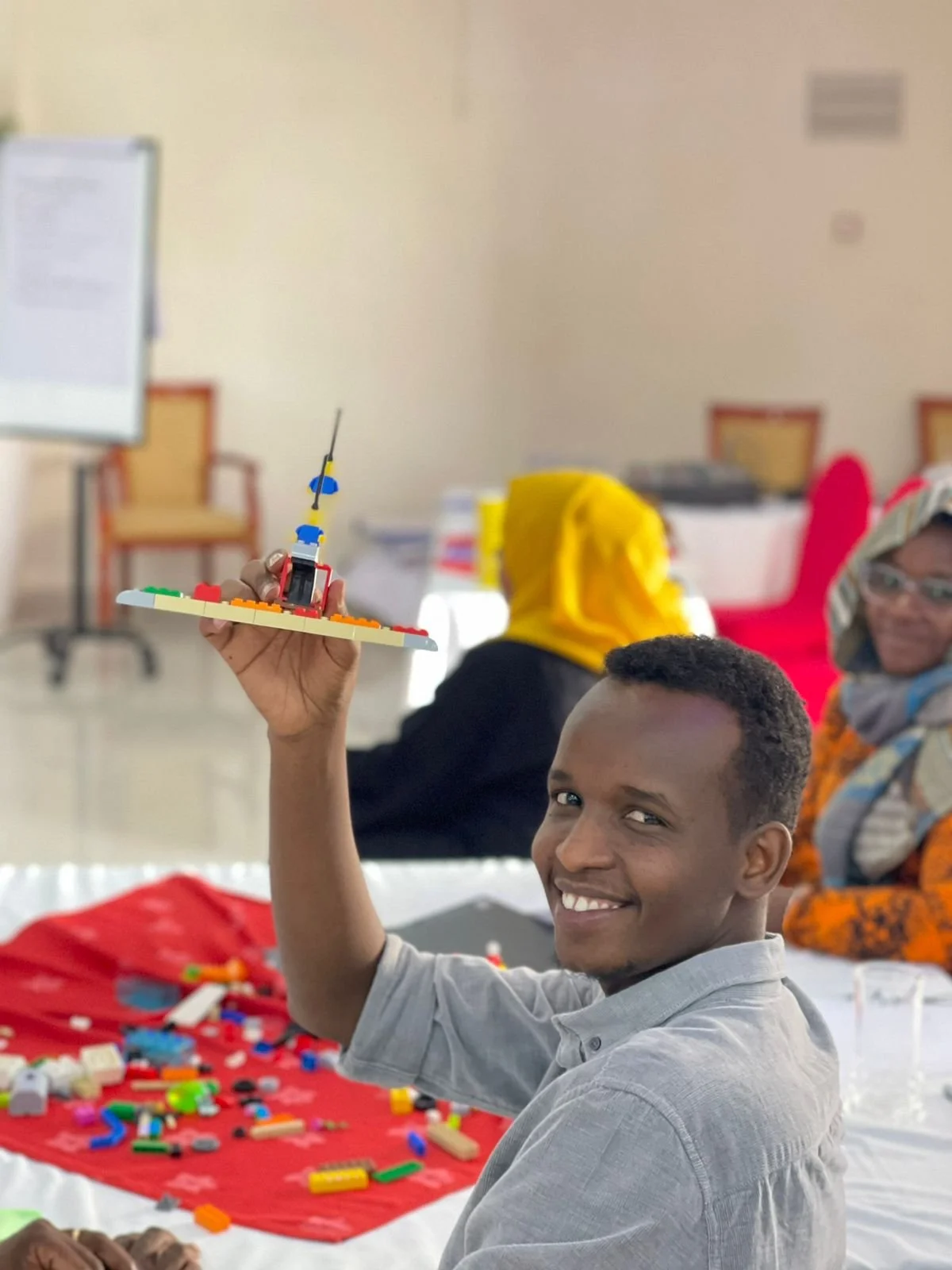
RIL supports WFP Somalia to map food systems challenges
Response Innovation Lab and the World Food Programme have joined forces to facilitate the development and adoption of innovative solutions to key challenges in the Somali food system space. This collaboration culminated in a workshop held in Hargeisa on September 19-21 and co-facilitated by the two partners.
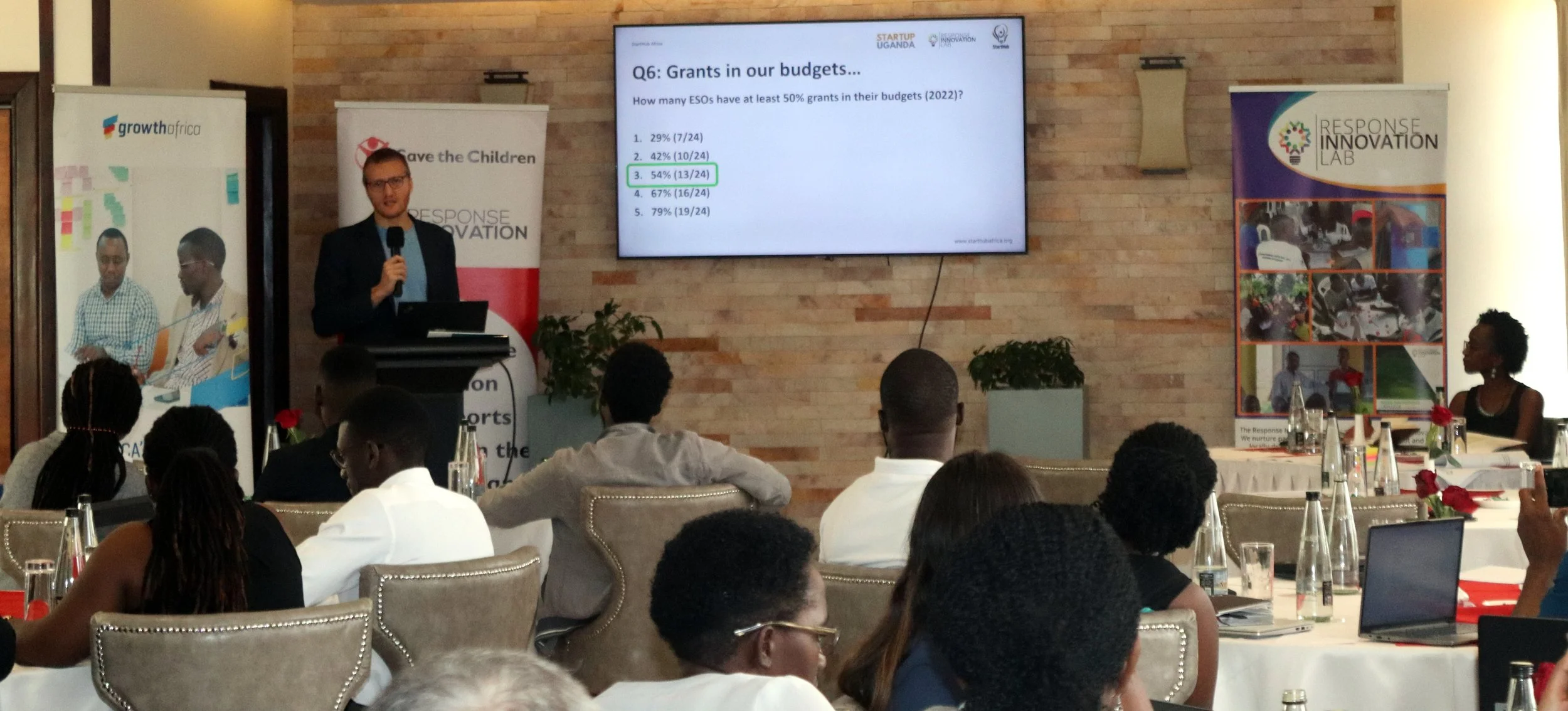
U-RIL hosts launch event for Entrepreneurship Support Organizations (ESOs) landscape analysis
On Friday, 29 September 2023, Uganda's Response Innovation Lab (U-RIL), in partnership with Startup Uganda, hosted an event to disseminate the findings of the Landscape Analysis of the Uganda Innovation Ecosystem and to launch SMILE, an interactive ecosystem map.

Kumwe Hub releases video on Rainbow Health Food support
RIL Affiliate Facility Kumwe Hub has been supporting Rwandan social enterprise Rainbow Health Food with critical investment capital. This funding has allowed the company to scale up its business of providing nutrient-rich foods to school children. That story is told in the video below.

Landscape Analysis for innovation hubs in Uganda
The purpose of the research is to provide an in-depth overview of how the Entrepreneurship Support Organisations (ESOs) in Uganda are set up, what they offer, to whom, and how. It particularly looks at the state and opportunity of collaboration among stakeholders in the ecosystem, especially among the ESOs, but also with the public sector. Click on the image below to access the report.

RILx23 Perspectives: Reflections on Humanitarian Innovation - Navigating New Frontiers, Partnerships, and Impact
Dear humanitarian innovators and innovative humanitarians,
I hope that this blog post finds many of you enjoying a well-earned vacation. Leaving your day to day surroundings has a way to elicit some fresh thinking and gain some perspective on things, no? In my case, the change of perspective is quite literal:

RILx23 Unveils Promising Outcomes and Strategic Insights
We are thrilled to share the remarkable outcomes of RILx23, the annual event organized by Response Innovation Lab (RIL), which took place in Nairobi last week. RILx23 served as a vibrant platform that brought together diverse stakeholders from the Response Innovation Lab network, alongside selected global and regional humanitarian innovation actors.

Exploring new frontiers in partnerships at RIlx23
Response Innovation Lab is preparing its most high profile event to date — RILx23. The event will take place in Nairobi on June 12-15 under the theme of New Frontiers in humanitarian innovation partnerships.

Smart Communities Coalition merges with Response Innovation Lab
We are very excited to announce that the Smart Communities Coalition and Response Innovation Lab have decided to join forces and merge. The Coalition will join our network to become RIL’s private sector convening arm.
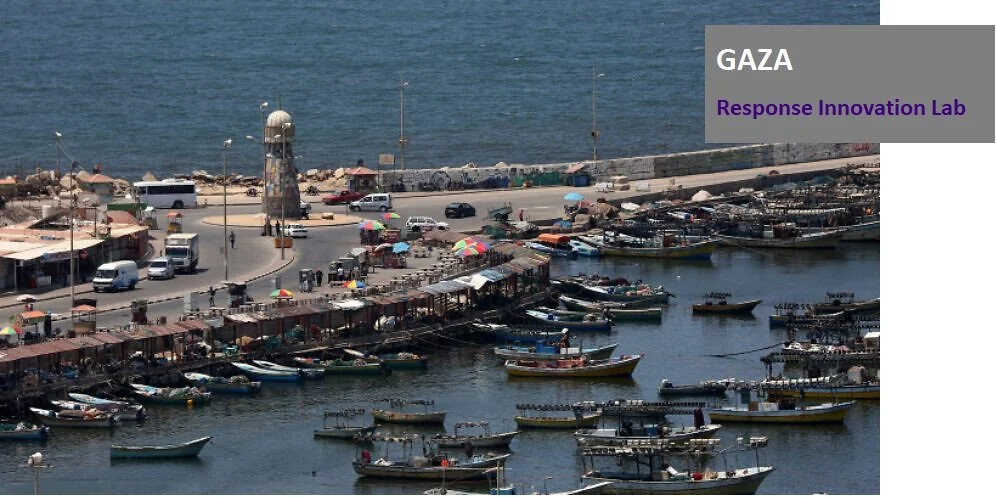
The First Gaza Response Innovation Lab Convener Event
We are thrilled to announce the successful completion of the first Convener Event organized by the Gaza Response Innovation Lab (GRIL), hosted by Oxfam. This event brought together organizations and partners working on WASH and Food Security in the Gaza Strip to address water challenges in the area.

Refugee-led Innovations in Uganda: the Innovations we Need
In Uganda, refugee-led organizations (RLOs) are developing innovative solutions to everyday problems found throughout their settlements and host communities. In this blog post we shine a spotlight on 13 RLOs creating, testing, and providing new solutions for refugees and others.

Learning from a savings group digitisation pilot in Uganda
Financial inclusion efforts and savings groups are common interventions in humanitarian and development programming. Individually or combined they help promote savings, increase access to credit and ultimately, build self-reliance. With more commercial and mainstream financial services moving online, there are also efforts to do the same at the community level. With this in mind, Ugandan company Akaboxi developed a way to help digitise village savings and loan associations (VSLAs) and link them to banks and other finance institutions. Akaboxi hoped their innovation would not only help people save but also help them build a base from which they could access commercial financial services in the future.

Boosting interest in open source in Uganda
Starting around May 2022, RIL and Audiopedia Foundation ran three interactive events in Kampala. These events also included developing interesting case studies of open source in action and running a contribution competition. Through these events it was hoped that existing open-source users and developers would find humanitarian and development actors to partner with and that more people, regardless of their background, would feel more confident to try using open-source software.
