

Meet the winners of the Nutrition Innovation Challenge Fund
In 2021, LINS issued a call for nutrition innovations/solutions that are locally rooted, market-driven, sustainable, with satisfactory proof of concept, and less dependent on humanitarian aid flows. The call sought to support quality solutions to at least one of the major challenges of malnutrition

Creative Capacity Building in Uganda: Scaling the Impact of Refugee-Led Design Solutions
Participation in the MIT D-Lab’s Co-Creation Summit in Arua, Uganda, which promoted locally designed solutions to energy and livelihoods challenges in refugee settlements.

RIL supports Open Source for Equality Initiative in Uganda
The Open Source for Equality initiative aims to promote the development and use of open source that contributes to the Sustainable Development Goals with a focus on health, education and equality. In this video we get to hear the experience of how five organizations are using open source for their benefit.

SafeBangle Technologies behind the scenes with Response Innovation Lab
Read about the experience from innovator Saul Kabali with Response Innovation Lab developing SafeBangle Technologies for the past two years, a wearable technology for immediate reporting of violence attempts against women and girls.

Leveraging Technology to Improve Women’s Health in Somalia
Hello Caafi! is a groundbreaking telehealths solution from Somalia, designed and led by two remarkable women innovators.

Kampala Impact Day 2021
Learn about the Uganda RIL’s Kampala Impact Day events, and the three innovators nominated by the team.


In honor of World Refugee Day, check out these innovations...
Our labs are supporting several innovations that directly benefit refugee populations, learn more about these innovators and their pursuit to support their communities and others.
South Sudan: Adapting Innovations for Impact
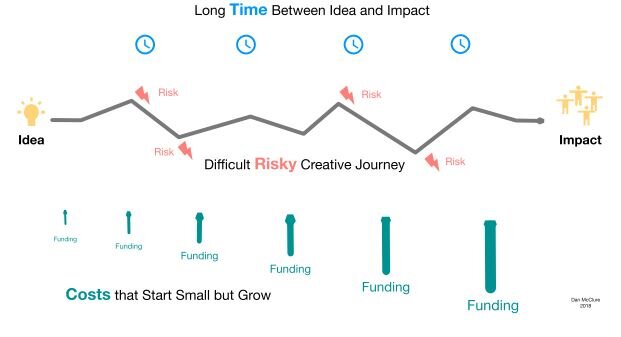
The case for innovation in the Humanitarian sector is well known, as is the importance of investing in new innovations and the need to adapt and adopt innovations that already exist to make wide-ranging improvements in people's lives. For a long-time, the focus of many humanitarian donors and organisations has been on creating new innovations in the hope of making significant change across the sector. This is an incredibly important focus, and area resources need to be allocated too. However, just as important, donors and organisations need to focus on the adoption of innovations that already work to create a significant change with people affected by the crisis.


LifeShelter wins UNDP Accelerator Lab's 2020 Honey Bee Network Creativity & Inclusive Innovation Awards
UNDP Accelerator Labs, Honey Bee Network, and GIAN have jointly organized the first International annual competition for creative & innovative ideas or traditional knowledge practices around the world, which solve day-to-day problems. Life Shelter received this International Award among 2,500 solutions around the world.

RIL Maps Innovation Hubs in Uganda
Innovation hubs are connecting young entrepreneurs, programmers, designers, and investors and facilitating growth and collaborations across the innovation ecosystem. The Response Innovation Lab has set up an interactive platform to empower innovators with innovation support which highlights innovation hubs, accelerators, and co-working space’s location and hours.

Sibling Superheroes help Somali children stop the spread of COVID-19 in their communities
The Hiddo & Hirsi educational videos are the first series of its kind for Somali-speaking children. Together, the innovator Poet Nation Media, the Somali Response Innovation Lab, and its local host World Vision Somalia developed a segment called Hiddo & Hirsi – the Protector Twins. These twins envision themselves as superheroes protecting their community from the Coronavirus and show how they deal with the challenges of closed school, psycho-social and mental health awareness, gender inclusivity and handicap representation, and much more!

Case Study: Solving a Somali health challenge by empowering caregivers in an immunization innovation
In Somalia, a challenge to the local health ecosystem was identified that there wasn’t a way for refugees and vulnerable populations to track their care or access care. An innovative solution was identified and needed support with piloting. The Somali Response Innovation Lab has been helping OGOW EMR with its first pilot. Click to learn about the impressive results.

Case Study: Innovation M&E Toolkit on the OGOW EMR Health Pilot in Somalia
The Response Innovation Lab (RIL) has developed an Innovation M&E Toolkit to gather evidence around humanitarian innovations to better understand whether it’s having the desired positive impact. This video is a short case study for the toolkit’s use in Somalia to gather evidence around the OGOW EMR digital medical records, health pilot project with World Vision.

6 Strategies to Engage Local Communities Around Innovation
Khalid Hashi, founder of the Somali-based OGOW EMR health record innovation talks about the lessons he has learned as a social entrepreneur in a humanitarian setting.

6 Lessons from my Internship at the Uganda Response Innovation Lab
Saul Kabali, who started as an intern at the Uganda Response Innovation Lab shares the 6 lessons he learned from his time at the lab, and how it has impacted the growth of his innovation - SafeBangle.

COVID-19 Response: A Uganda Innovator solves the soapy challenge at community water points
Amidst the challenges brought by the spread of COVID-19, one in particular has been the increased need for handwashing. The WASH sector has been working on access to hygiene for decades with some level of success; however six months into the global Coronavirus pandemic, nearly two billion people across the globe lack the soap and water needed to properly wash their hands. In Uganda, our partners at Engineers Without Borders – USA (EWB-USA) brought a challenge to the Response Innovation Lab:An effective soap dispensing solution was needed to accompany the handwashing stations in public spaces such as the busy Ntinda market.


For refugees in Uganda, building credit history is a challenge – not anymore!
A challenge faced by many refugees and rural community members in Uganda is the safety of saving money and the opportunities to access loans. Refugees frequently do not have access to banks, nor are they able to open bank accounts due to a lack of credit history or collateral. Not having a secure place to store money, makes saving challenging and risky. Akaboxi is tackling these problems straight on and transforming opportunities for financial service providers across Uganda.