

A decade of strengthening local humanitarian innovation ecosystems.
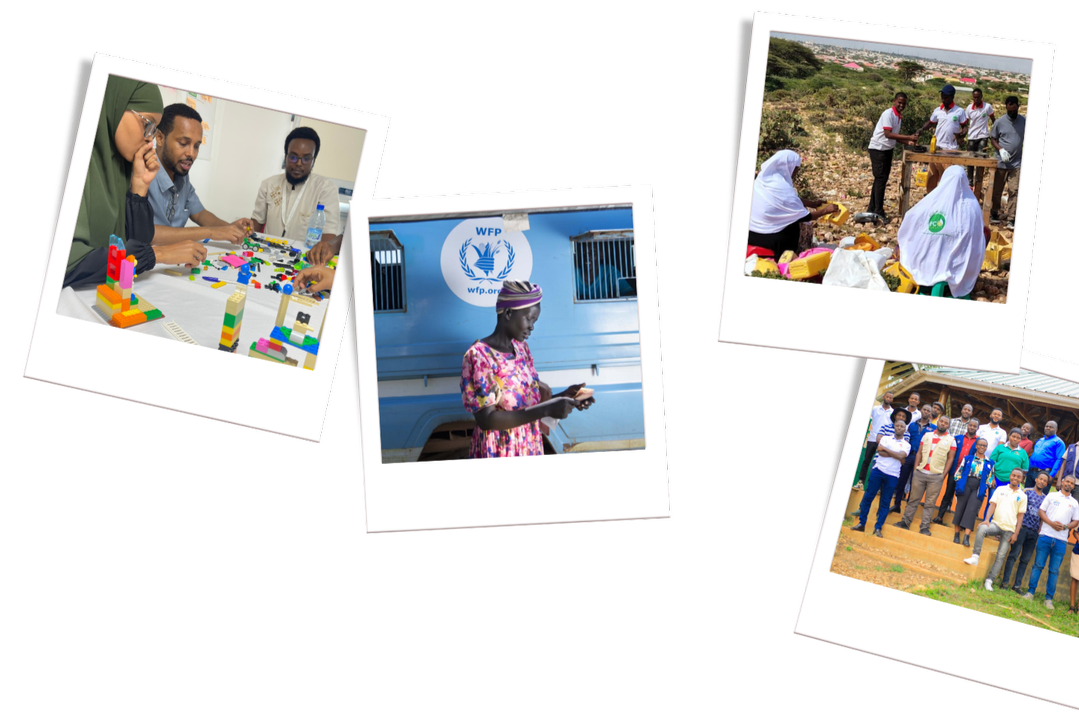

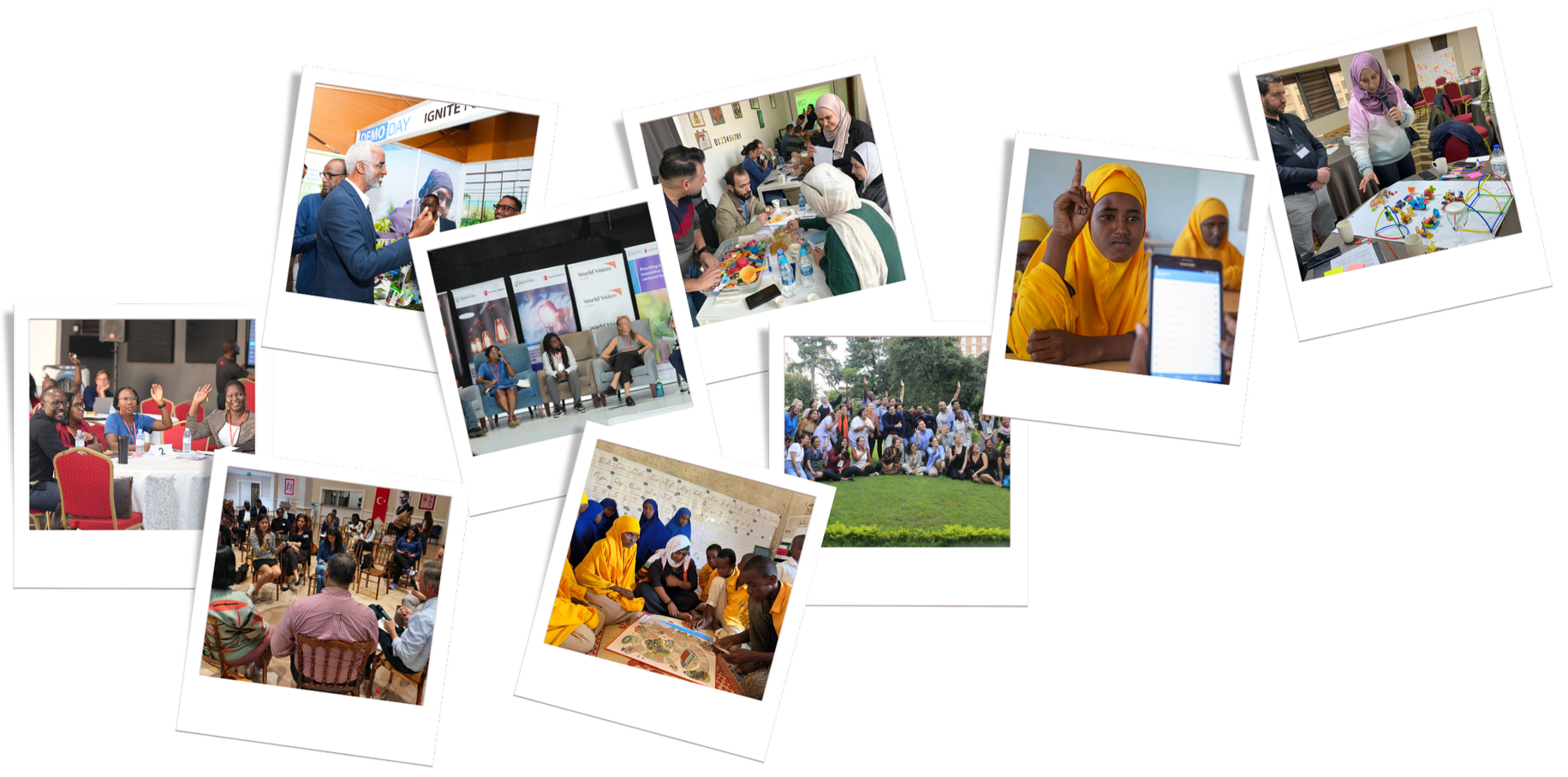
A decade of dedication to strengthening local humanitarian innovation ecosystems.
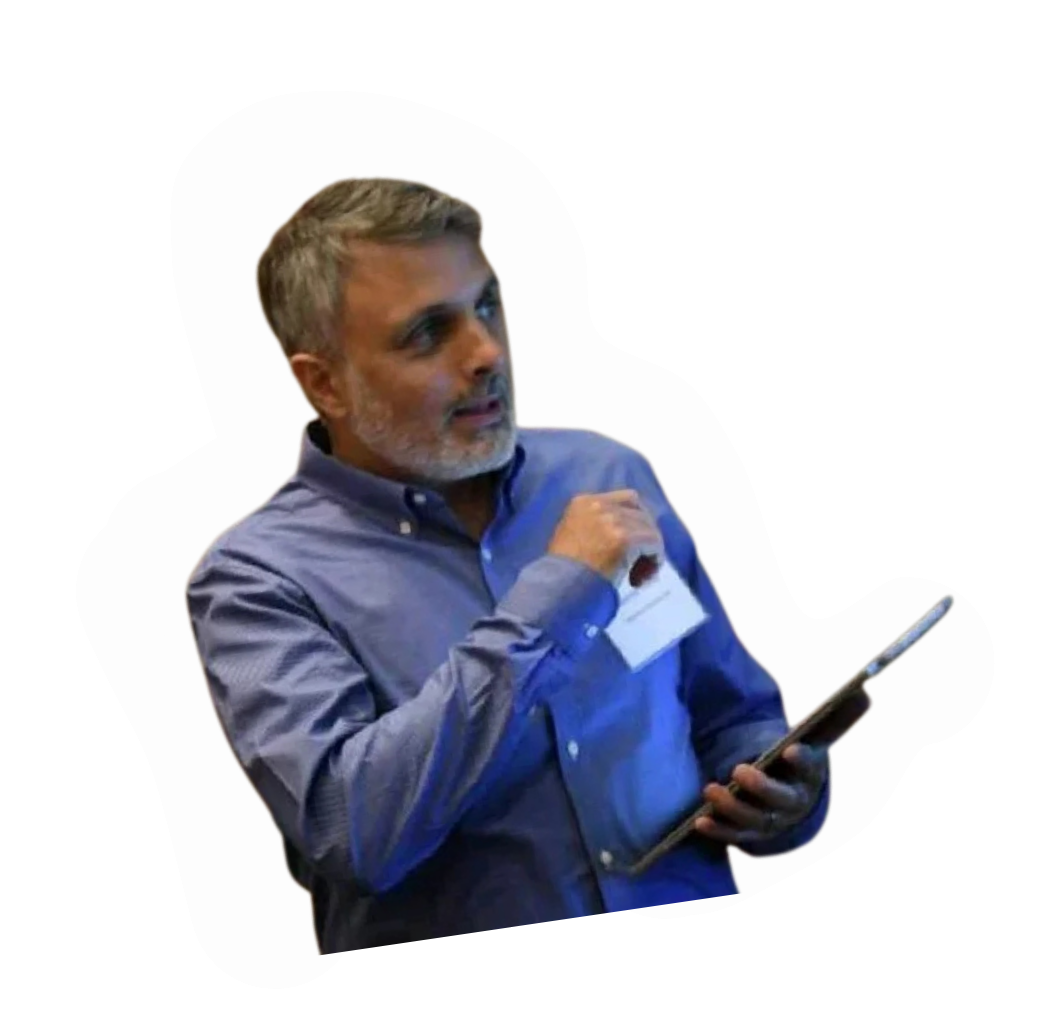
Reflections on 10 Years of RIL
-
I have to be honest, this 10-year commemoration of Response Innovation Lab’s launch is making me somewhat uneasy. For one thing, it really is not in the spirit of the initiative to be looking backwards – those of us who came together a decade ago to dream up a new way to boost the effectiveness of humanitarian responses through better integration with the innovation space were very much focused on building a new future. And secondly, this anniversary is making me wonder if we are still the scrappy upstart we were back in 2016 and not a new establishment actor. But if there is one thing that is true to RIL’s spirit, it certainly is that we do not shy away from uneasy things; and it is true that we have much to reflect on and, yes, celebrate.
From day one, people have asked what we thing our impact will be, and now, has been. As a former MEAL specialist, I have always clung to the definition of that word as “Meaningful change over time.” And while it is notoriously difficult to quantify the results generated by platforms such as ours who largely act behind the scenes and broker partnerships rather than implement direct interventions in communities, I believe that our collective enterprise has generated lasting change in the humanitarian sector.
The evidence is all around us, from Dutch Relief Alliance Joint Responses integrating our Challenge Mapping methodology into their core programming, to our SHINE IT toolkit being adopted by dozens of innovators and innovation hubs, to new global partnerships emerging from our RILx events, to innovations our labs supported reaching true impact at scale (OGOW Health, The Washing Machine Project, ULEARN, SafeBoda, among others). This year, we will finally have the chance to fully understand this impact as we carry out a long overdue independent evaluation.
Of course, we have not traveled on this journey without making many errors along the way. We have failed over and over: having to close down our first lab in Jordan prematurely, being unable to seize expansion opportunities in Latin America and South Asia, or developing some products that did not fit the demand from users. But our collective reaction to these setbacks may be what I am most proud of: every time we failed, we learned from our mistakes and made our initiative smarter, more resilient and more useful to others.
One area where we definitely did not fail was in attracting the most incredible set of people to join our initiative. From our Central Support Unit team based in Amman, to the staff of our Response Labs Affiliate Facilities around the world, to our Core Members (World Vision, Oxfam, Save the Children, DRC and Civic), Strategic Partners and donors, to our global roster of consultants, friends at peer organizations and donors, and of course social innovators from around the world, I have had the chance to work with some of the most dedicated, intelligent and open-minded people anywhere.
Their collective investment and experiences is the greatest legacy that RIL could ever hope for, and I, for one, cannot wait to see what the next 10 years bring us.
-
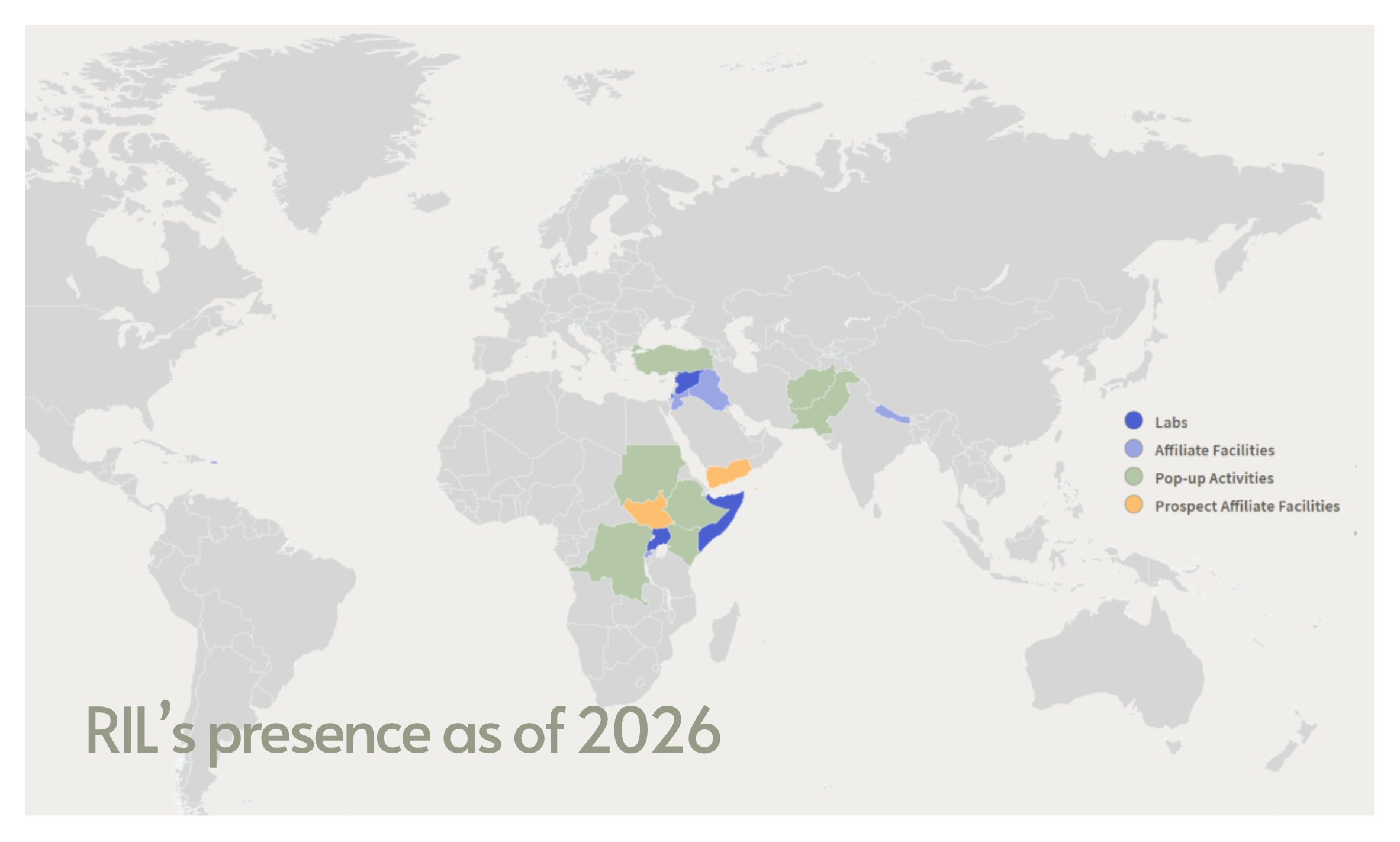
By the end of 2018, RIL had launched labs in Jordan (2017 Oct), Uganda (2017 Dec), Iraq (2017 Dec), Somalia (2018 Jan), and Puerto Rico (2018 May), developed the online MatchMaker tool, and mapped four humanitarian innovation ecosystems.
Today, it continues to expand its network and partnerships to strengthen its tools, systems, and services—ensuring innovations better meet humanitarian needs worldwide.
-
In July 2020, the Puerto Rico RIL completed its mandate upon the closure of its support to the Hurricane Maria response. RIL, together with the local hosting organisation the Puerto Rico Science Trust (PRST), decided that ongoing RIL activities were no longer needed as PRST initiatives had grown to meet local needs.
RIL is designed to be temporary—filling critical gaps in the ecosystem and building local capacity. Puerto Rico marked RIL’s first successful lab transition and exit.
-
Affiliate Facilities share RIL’s vision of inclusive, collaborative innovation ecosystems, integrating their own approaches with RIL’s methodologies. By the end of 2021, Jordan Country Lab (2020 Jan) and the previous Puerto Rico Lab host PRST(2021 May) have transitioned into Affiliate Facilities. Nepal Innovation Lab hosted by World Vision Nepal also joined the RIL network as an Affiliate Facility in September 2021.
-
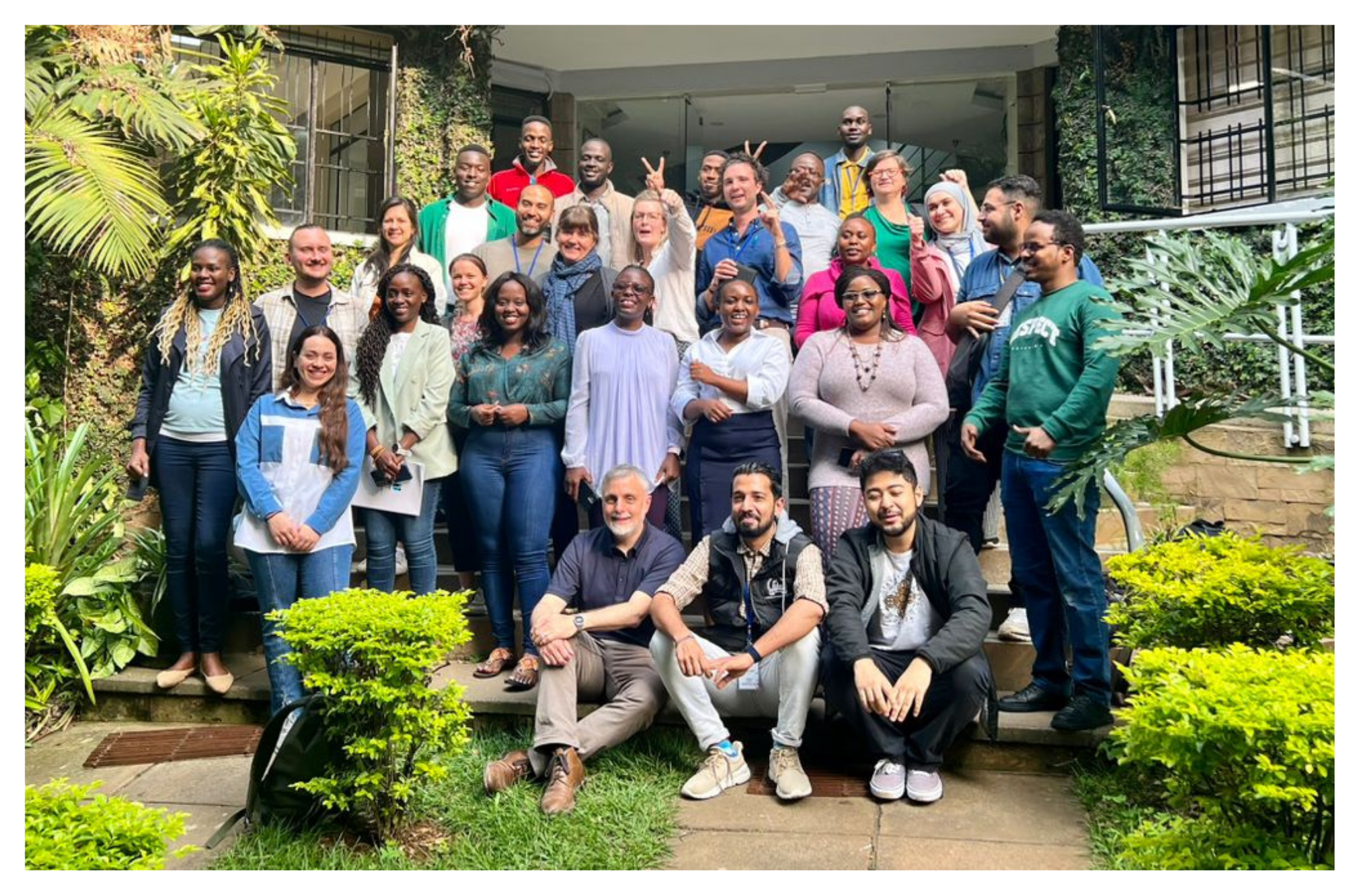
RILx23 brought together dozens of RIL’s partners and friends to explore "New Frontiers in Partnerships” in Nairobi, Kenya.As RIL’s first global gathering, RILx23 marked the starting point of what has become a signature occasion for the global humanitarian innovation community to come together and cross-share, creating knowledge and direction for collective actions.
-
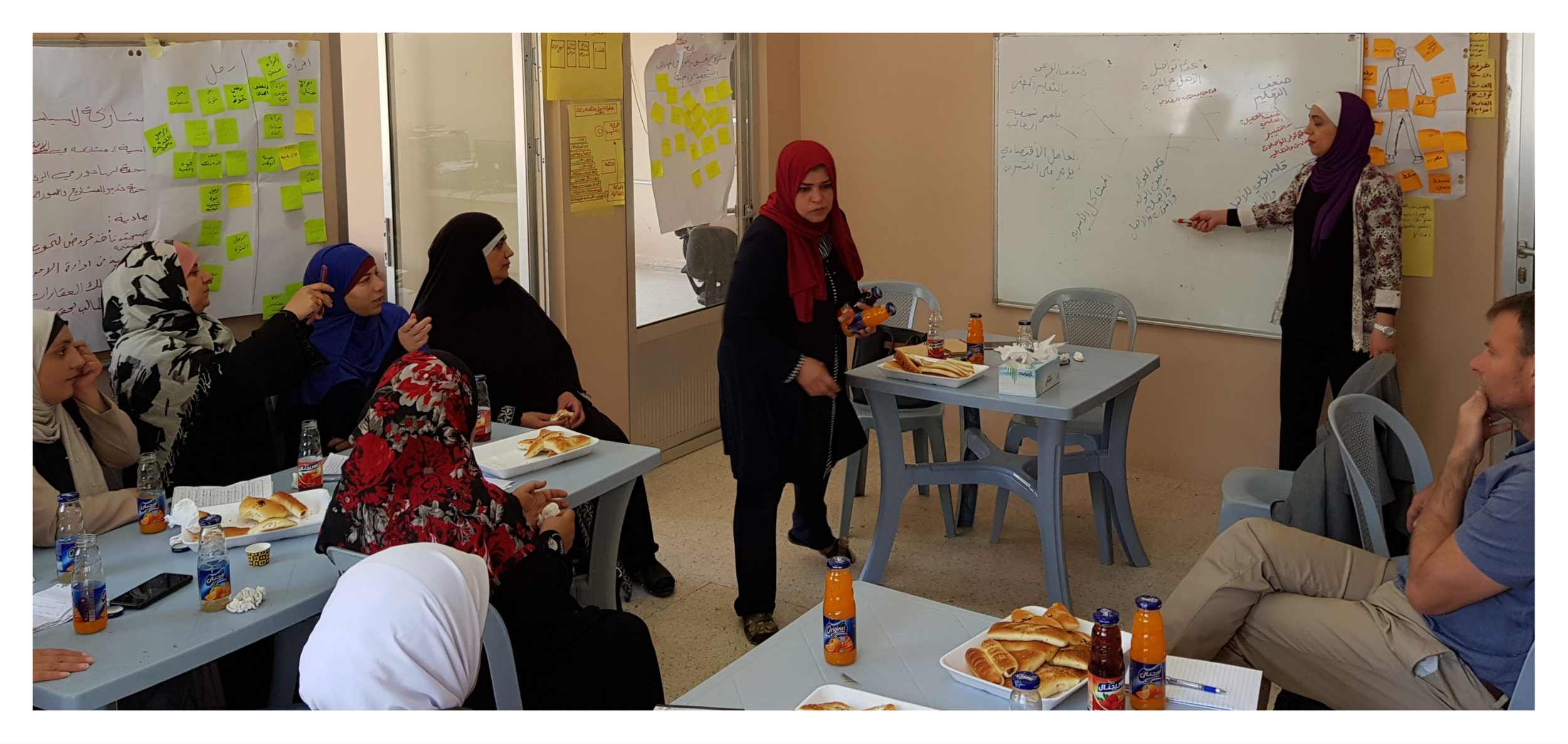
In March 2020, as COVID-19 spread globally, RIL introduced Pop-Up Labs in new contexts like Yemen and South Sudan where the resources were too limited to establish fully operational labs. These “pop-up labs” leveraged existing innovators to address humanitarian challenges and hosted workshops for capacity sharing, challenge defining, and solution-oriented skill-strengthening.
-
In the second half of 2023, the Danish Refugee Council (DRC) joined Save the Children International, Civic UK, Oxfam, and World Vision International as the fifth global Core Partner. DRC’s Strategy 2025 focuses on enhancing locally led programs and innovative approaches to humanitarian response, with an emphasis on climate and conflict resilience. This partnership reflects a shared commitment to supporting community-led solutions across more responses
-
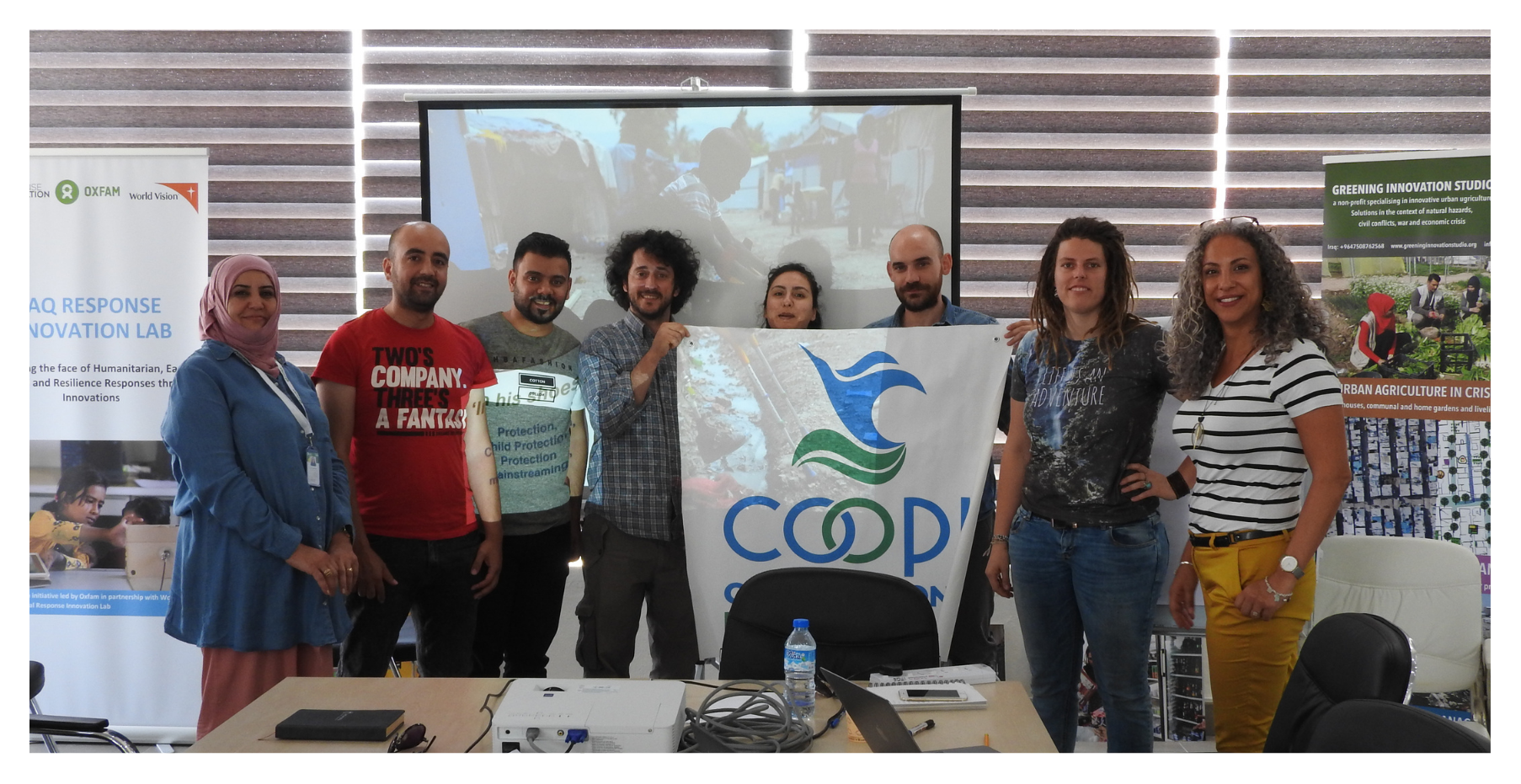
During RILx25, RIL and Rwanga Foundation officialized the partnership whereby Rwanga Foundation joined the global RIL network as an Affiliate Facility. As part of this affiliation, Rwanga Foundation will serve as the host of the Iraq Response Innovation Lab (IRIL), reinforcing RIL’s commitment to localization and locally led innovation. IRIL was established in January 2019 through a collaboration between Oxfam in Iraq and the Response Innovation Lab.
Through this collaboration, RIL and Rwanga will join forces to advance innovation, creating pathways for young people, local organizations, and innovators across the Kurdistan region and Iraq to drive creativity, cultural growth, and social impact.
Some milestones worth remembering … …
Reflections on 10 Years of RIL
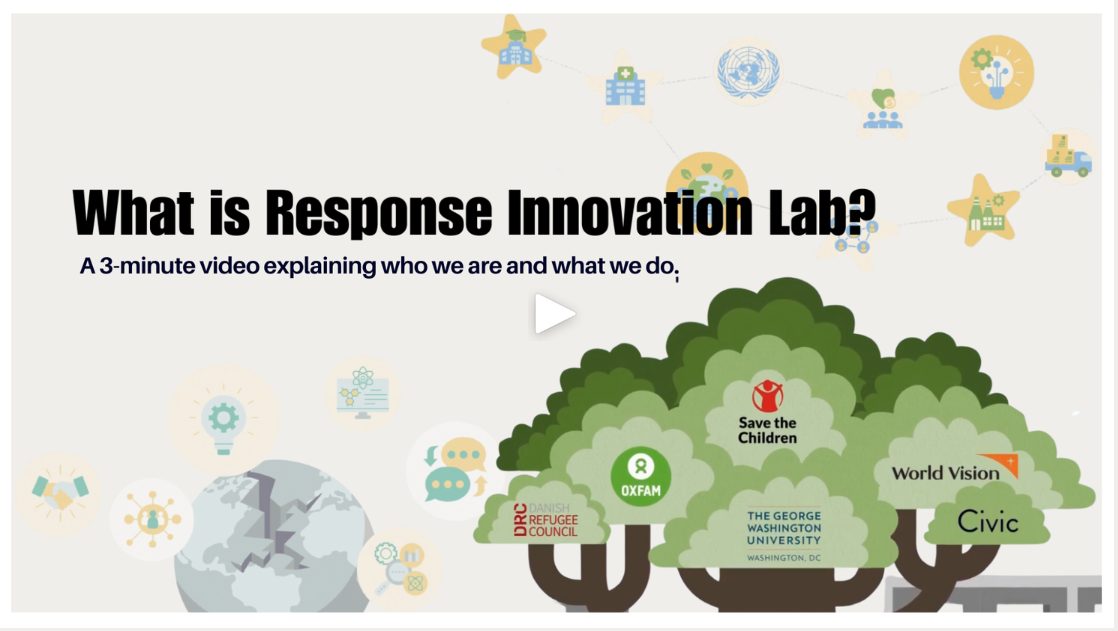
A video on how RIL began its journey.

-
The idea for the Response Innovation Lab (RIL) was conceived by founder Jennifer Wilde while she was leading World Vision’s response to the devastating 2015 earthquake in Nepal. She realised that traditional humanitarian efforts tended to leave out emerging actors like start-ups, social entrepreneurs, and researchers—even though they had valuable ideas and solutions to offer, both in emergencies and in helping communities recover and become stronger over time.
Together with her colleagues, Jenny founded the World Vision Nepal Innovation Lab (NLab) as a space for people from different backgrounds to come together and solve problems.
This initiative took off quickly and started making a real difference. As Jenny sought to replicate the concept in other contexts, she began reaching out to partners to co-create a global network of response-based innovation labs.
-
In 2016, experienced humanitarian workers from Save the Children, Oxfam, and World Vision teamed up with researchers from George Washington University and creative problem-solvers from Civic. Together, they began designing what was first called the “Crisis Response Innovation Lab”, a platform for submitting challenges, sharing innovations, and connecting with tools, funding, and partners.
Over the next two years, the five founding partners developed what became known as the “Convene-Matchmake-Support” model. They also wrote the manuals for the RIL network including the Central Support Unit (a non-physical “Headquarter” providing support to field operations) and Country Labs.
-
I have to be honest, this 10-year commemoration of Response Innovation Lab’s launch is making me somewhat uneasy. For one thing, it really is not in the spirit of the initiative to be looking backwards – those of us who came together a decade ago to dream up a new way to boost the effectiveness of humanitarian responses through better integration with the innovation space were very much focused on building a new future. And secondly, this anniversary is making me wonder if we are still the scrappy upstart we were back in 2016 and not a new establishment actor. But if there is one thing that is true to RIL’s spirit, it certainly is that we do not shy away from uneasy things; and it is true that we have much to reflect on and, yes, celebrate.
From day one, people have asked what we thing our impact will be, and now, has been. As a former MEAL specialist, I have always clung to the definition of that word as “Meaningful change over time.” And while it is notoriously difficult to quantify the results generated by platforms such as ours who largely act behind the scenes and broker partnerships rather than implement direct interventions in communities, I believe that our collective enterprise has generated lasting change in the humanitarian sector.
The evidence is all around us, from Dutch Relief Alliance Joint Responses integrating our Challenge Mapping methodology into their core programming, to our SHINE IT toolkit being adopted by dozens of innovators and innovation hubs, to new global partnerships emerging from our RILx events, to innovations our labs supported reaching true impact at scale (OGOW Health, The Washing Machine Project, ULEARN, SafeBoda, among others). This year, we will finally have the chance to fully understand this impact as we carry out a long overdue independent evaluation.
Of course, we have not traveled on this journey without making many errors along the way. We have failed over and over: having to close down our first lab in Jordan prematurely, being unable to seize expansion opportunities in Latin America and South Asia, or developing some products that did not fit the demand from users. But our collective reaction to these setbacks may be what I am most proud of: every time we failed, we learned from our mistakes and made our initiative smarter, more resilient and more useful to others.
One area where we definitely did not fail was in attracting the most incredible set of people to join our initiative. From our Central Support Unit team based in Amman, to the staff of our Response Labs Affiliate Facilities around the world, to our Core Members (World Vision, Oxfam, Save the Children, DRC and Civic), Strategic Partners and donors, to our global roster of consultants, friends at peer organizations and donors, and of course social innovators from around the world, I have had the chance to work with some of the most dedicated, intelligent and open-minded people anywhere.
Their collective investment and experiences is the greatest legacy that RIL could ever hope for, and I, for one, cannot wait to see what the next 10 years bring us.
Learn more about our signature annual event RILx

Some milestones worth remembering … …
-
By the end of 2018, RIL had launched labs in Jordan (2017 Oct), Uganda (2017 Dec), Iraq (2017 Dec), Somalia (2018 Jan), and Puerto Rico (2018 May), developed the online MatchMaker tool, and mapped four humanitarian innovation ecosystems.
Today, it continues to expand its network and partnerships to strengthen its tools, systems, and services—ensuring innovations better meet humanitarian needs worldwide.
-
In March 2020, as COVID-19 spread globally, RIL introduced Pop-Up Labs in new contexts like Yemen and South Sudan where the resources were too limited to establish fully operational labs. These “pop-up labs” leveraged existing innovators to address humanitarian challenges and hosted workshops for capacity sharing, challenge defining, and solution-oriented skill-strengthening.
-
In July 2020, the Puerto Rico RIL completed its mandate upon the closure of its support to the Hurricane Maria response. RIL, together with the local hosting organisation the Puerto Rico Science Trust (PRST), decided that ongoing RIL activities were no longer needed as PRST initiatives had grown to meet local needs.
RIL is designed to be temporary—filling critical gaps in the ecosystem and building local capacity. Puerto Rico marked RIL’s first successful lab transition and exit.
-
Affiliate Facilities share RIL’s vision of inclusive, collaborative innovation ecosystems, integrating their own approaches with RIL’s methodologies. By the end of 2021, Jordan Country Lab (2020 Jan) and the previous Puerto Rico Lab host PRST(2021 May) have transitioned into Affiliate Facilities.
In August, Kumwe Hub hosted by Save the Children in Rwanda joined the RIL network as an Affiliate Facility, followed by Nepal Innovation Lab hosted by World Vision Nepal in September.
-
The Gaza Response Innovation Lab (Gaza RIL) was an initiative led by Oxfam with the aim of tackling the complex challenges that the humanitarian actors in Gaza were encountering.
The Lab was founded in Feb 2022 with the aim of ensuring innovation is integrated within the local humanitarian contexts. The Lab’s approach was improving and transforming how response unfolds, from early recovery and resilience building to supporting cross-industry innovations to solving locally-identified pressing challenges.
-
In the second half of 2023, the Danish Refugee Council (DRC) joined Save the Children International, Civic UK, Oxfam, and World Vision International as the fifth global Core Partner. DRC’s Strategy 2025 focuses on enhancing locally led programs and innovative approaches to humanitarian response, with an emphasis on climate and conflict resilience. This partnership reflects a shared commitment to supporting community-led solutions across more responses.
-
Northwest Syria Response Innovation Lab (NWS Lab) was established in 2024 in Gaziantep, Turkiye, hosted by World Vision Syria Response, to develop locally driven, adaptive, and scalable solutions for Syria’s evolving needs. In 2025, it was renamed Syria Response Innovation Lab (SyRIL), focusing on WASH and beyond, fostering practical experimentation, knowledge-sharing, and community-led problem solving with emphasis on relevance, impact, and inclusivity.
-
During RILx25, RIL and Rwanga Foundation officialized the partnership whereby Rwanga Foundation joined the global RIL network as an Affiliate Facility. As part of this affiliation, Rwanga Foundation will serve as the host of the Iraq Response Innovation Lab (IRIL), reinforcing RIL’s commitment to localization and locally led innovation. IRIL was established in January 2019 through a collaboration between Oxfam in Iraq and the Response Innovation Lab.
Through this collaboration, RIL and Rwanga will join forces to advance innovation, creating pathways for young people, local organizations, and innovators across the Kurdistan region and Iraq to drive creativity, cultural growth, and social impact.
Some milestones worth remembering … …

RIL’s 10th Anniversary Special Project

The Oral History of RIL’s First Decade
Looking back … …
Our lessons learned along the way, some impact stories behind the innovations we supported, and more ……


![Lessons learned on integrating innovation into the Uganda refugee response [ Devex ]](https://images.squarespace-cdn.com/content/v1/5d7fba1a7dc0f278f09832df/1614028911010-3MF2E7RPR6RF15YPAE6B/IMG_20200218_104759.jpg)


![Case Study: Piloting the Digital Attendance App in Somalia [Video]](https://images.squarespace-cdn.com/content/v1/5d7fba1a7dc0f278f09832df/1591792163937-EX0ABOKAI5IT3YKLURGU/Thumbnails+-+DAA+Video.jpg)
Join us on the journey!

And here are some starting points to write the next chapter together with RIL.
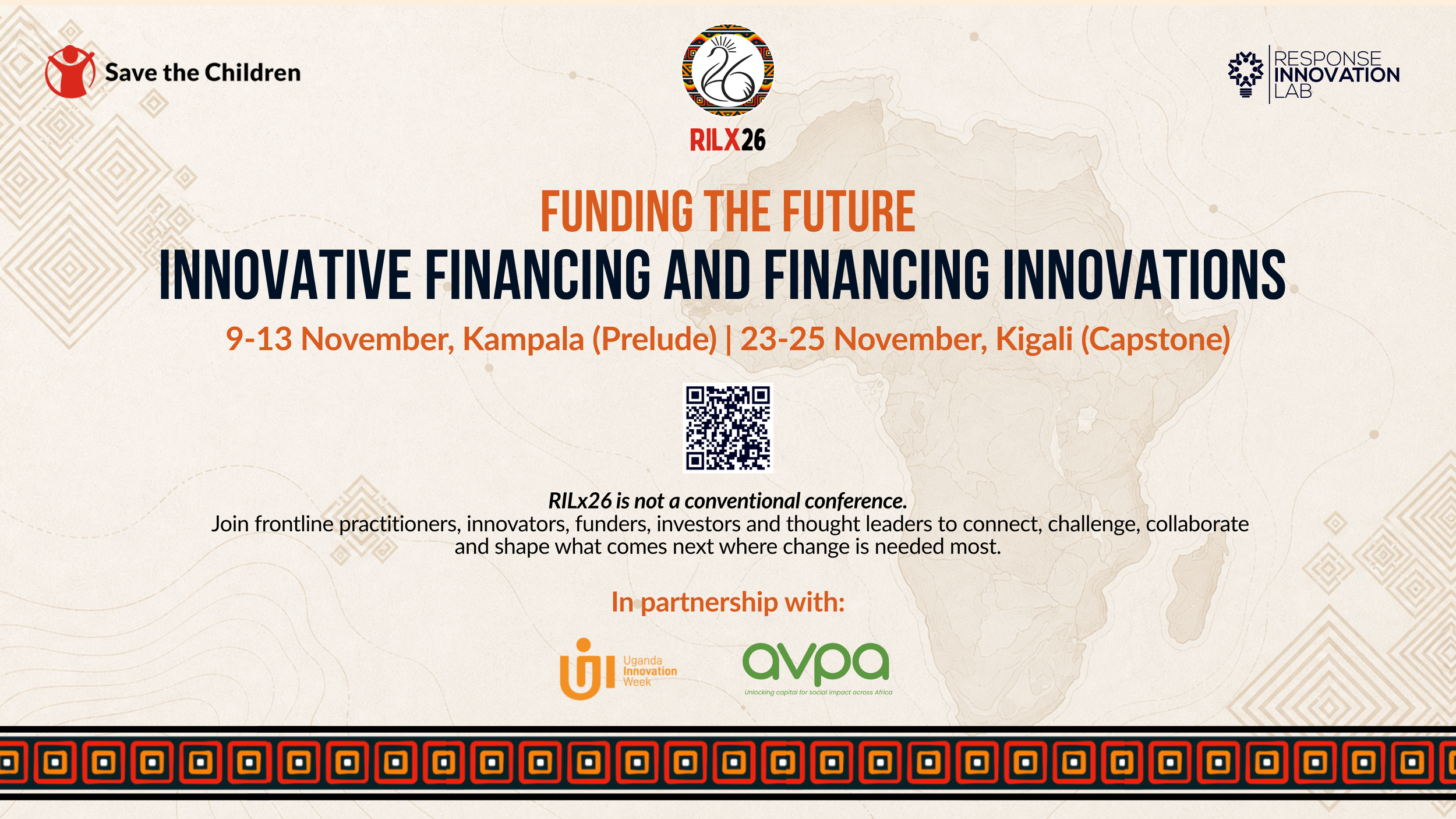
Join our annual gathering RILx26 to discuss how to fund the future and find new partners for your next collaboration.
At a time when the system is asked to do more with less, adaptive and future-fit approaches to financing humanitarian innovation are no longer optional, but essential. RILx26 explores both dimensions: how to fund innovation so it delivers on its promise, and how to leverage emerging aid funding mechanisms to support new ways of responding to crises.
RILx26 is an interactive gathering at the intersection of innovation and ecosystem building, bringing together response-based practitioners and decision-makers from various horizons to share what works and what does not. Insights and calls to action from RILx26 will inform the global conversation on how foreign aid and local humanitarian systems must evolve to meet the challenges of today and tomorrow.
If RIL is not yet present in your community, set up your own innovation coordination platform to drive the change.
This Practical Guide is adapted from a resource originally developed through RIL’s strategic support to DRA and Innovation Focal Points across various Joint Responses. It provides an overview of several archetypes of innovation coordination and collaboration platforms, together with indicative information on the resources and requirements associated with each. The guide aims to support organisations in identifying and establishing platforms that are appropriate to their ambitions, available resources, and operating contexts. It also serves as a practical reference for actors across the wider ecosystem to assess the resources required to establish and sustain platforms that respond to their strategic priorities and local operational realities.

Brought to you by Liban Mohamed, a thought piece reflecting on the livelihoods behind “messiness”.