

The Oral History of RIL’s 2016-2026
with Dan McClure
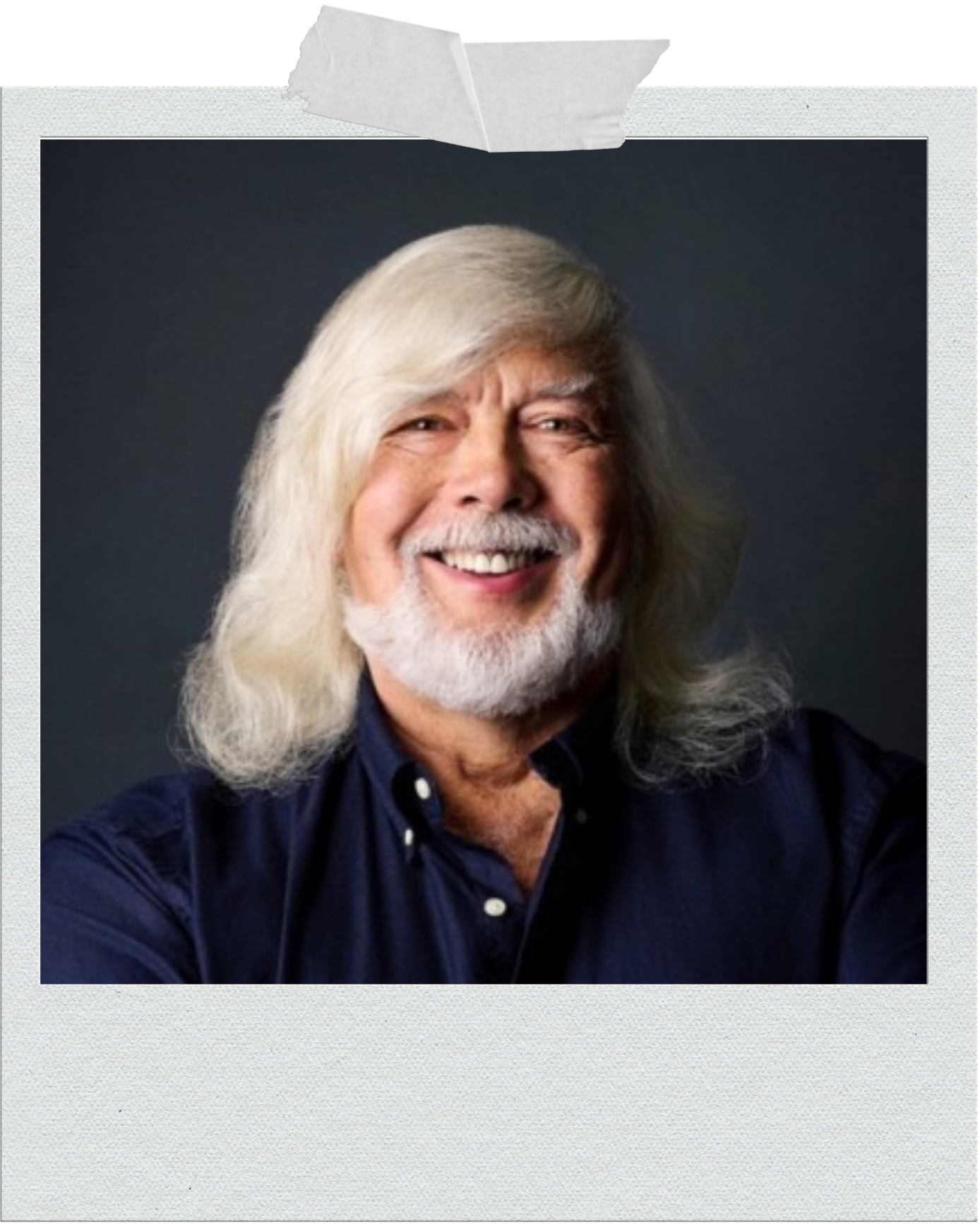

Dan McClure is one of the founding conceptual architects behind RIL. A self-described “pragmatic optimist”, Dan remains “excited and buzzy about all the things that can happen”, while recognising that making those possibilities real requires hard work and a willingness to embrace complexity. His contribution to RIL has centred on pushing the boundaries of innovation practice and asking what it takes to make innovation work in messy, real-world environments.
RIL was born to “fill up the messy middle”
Looking back at RIL’s beginnings in 2015–16, Dan recalls a moment when “innovation had become a thing in the aid sector”, with innovation teams and funding programmes beginning to build a track record. Yet many of the promising ideas emerging from quick pilots were not growing, scaling or being adopted.
Dan calls this “pilotitus”. His metaphor is more vivid:
“We were birthing a bunch of baby bunnies, and none of the baby bunnies ever grew up.”
For Dan, the problem was not that people lacked ideas or energy. Rather, the sector had become good at developing and testing relatively small innovations, but had not yet figured out what happened when those innovations encountered the complexity of real-world systems.
It was in this context that Dan, Kim Scriven and Jenny Wilde came together at the World Humanitarian Summit in Berkeley, hosted by OCHA. Each was approaching humanitarian innovation from a different angle, and together they began whiteboarding what would become the RIL model.
Listen to the clip to hear the story.
Initially called the Crisis Response Innovation Lab, the name later became Response Innovation Labs. As the model evolved, it became clear that its purpose extended beyond crisis response.
“It was that you were taking on messier problems, that you were recognising what the context was, that you were engaging the network of people around you.”
While innovations in the aid sector continued to struggle to scale, the challenge for the team was to imagine a new type of innovation lab, designed to work with complex, messy, real-life situations rather than simply develop new ideas.
______________________________________________________————-
“From Working for RIL to Building With RIL”
“RIL did not come in and tell us what SafeBangle should become. They created the conditions for us to discover what it needed to become.”
Saul reflected on how the support he later received from RIL as an innovator differs from many other “transactional” programmes, which tend to prioritise funding and predefined deliverables or milestones. For Saul, funding alone would not necessarily build local innovation capacity. What proved to be the true cornerstone of SafeBangle's growth was the support RIL offered in thinking through policy, partnerships, and long-term sustainability.
One example he pointed to is what he called “ecosystem connection”. When the young team could not afford to travel abroad for supplier scouting, RIL’s Ecosystem Map helped Saul to connect with a manufacturer with the right expertise, a link that significantly improved the device.
Another is what he calls “institutional muscle”. RIL supported the team in conducting field tests, through which they learned about the realities on the ground and made iterations to adapt the solution, including making the device multilingual, increasing its accessibility for those who don't speak English or Luganda.
RIL also helped the team normalise failures: as part of innovation, as an opportunity to learn and to improve.
More recently, we have, quite accidentally, come to associate RIL with the character of an "old auntie" (here's why). Saul offered another reason why the analogy resonates: patience. Throughout SafeBangle's journey, RIL remained a long-term partner, providing the steady support needed for iterative development. For a hardware innovation like SafeBangle, progress requires not only patient capital but also partners willing to stay around—and RIL proved to be one of them.
The Message RIL Brings to the Sector
RIL's first decade has been an iterative learning journey to better understand how to support local innovators through an ecosystem approach. Over time, we have continued to refine what an "ecosystem approach" means in practice, and Saul's reflections offer reassuring evidence that this approach does make a difference.
Invest in understanding the innovation ecosystem.
Create structured, locally-driven processes.
Provide capacity-building alongside funding.
Saul’s innovation journey offers a living interpretation of RIL’s ecosystem approach and of the “ripple effect” it creates on the ground.
“At the beginning, we were the people receiving introductions. Now, we are the ones making introductions for others.”
This is the kind of impact RIL strives to create as an ecosystem builder and facilitator. We want to demonstrate the value and power of supporting innovation as a public good, and how an ecosystem-building mindset can inspire more actors to strengthen connections, foster collaboration, and ultimately drive greater impact for crisis-affected communities through collective effort.
SafeBangle on Its Impact Journey
“…Perhaps the most meaningful part is that the journey did not end when the internship ended. It evolved from working for RIL, to building with RIL, and eventually to contributing back to the ecosystem that RIL helped me become part of.”
Saul’s innovation, SafeBangle, is still expanding today and the team is developing new products.Since its early days at RIL, SafeBangle has received international recognition, including winning the World Summit Awards and other innovation awards, while continuing to pilot and scale its technology with humanitarian and development partners.
Today, SafeBangle Technologies is developing affordable safety technologies that enable women, girls, humanitarian organizations, schools, and communities to respond more quickly during emergencies. Its flagship wearable safety bracelet silently sends SMS alerts with GPS location when activated, while newer innovations such as SafeCheck expand personal safety through mobile-based check-ins. Building on years of field testing, partnerships, and continuous learning, SafeBangle is working toward making personal safety more accessible across Africa.
Learn more about SafeBangle here!